Twist Bead Necklace Value Guide: Pricing & Quality in 2026
Discover the true value of a twist bead necklace in 2026. We break down pricing tiers, material grades, and durability to help you buy smart.

The Anatomy of a Twist Bead Necklace: What Are You Paying For?
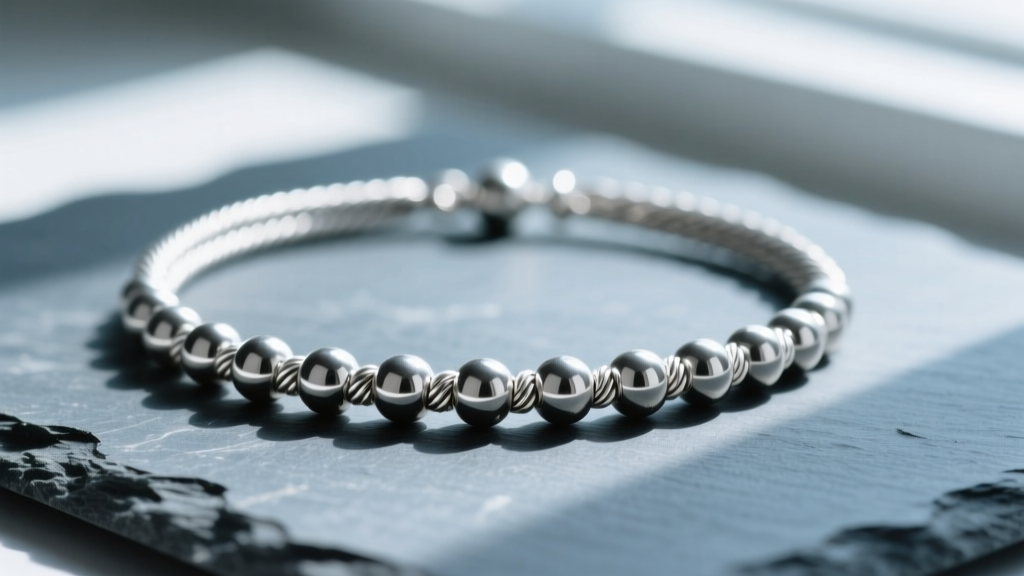
The twist bead necklace has cemented its place as a staple in both minimalist and layered jewelry aesthetics. Characterized by a textured, twisted rope or cable chain punctuated by spherical station beads, this design offers a sophisticated interplay of light and texture. However, as its popularity has surged through 2026, the market has become saturated with options ranging from $15 fast-fashion knockoffs to $2,500 fine jewelry pieces. For the savvy buyer, understanding the structural anatomy of a twist bead necklace is the first step in separating genuine value from overpriced costume jewelry.
At its core, the value of this necklace style relies on two distinct manufacturing processes: the drawing of the twist chain and the setting of the station beads. A high-quality twist chain is created by drawing metal wire through a series of progressively smaller dies, then twisting and sometimes diamond-cutting the links to maximize light reflection. The beads, which act as visual 'stations' along the chain, can either be soldered directly into the links or threaded onto the wire. How these two components are married together dictates the necklace's longevity, drape, and ultimately, its fair market price.
Core Materials and Metal Purity Standards
Before assessing the design, you must audit the metallurgy. The Federal Trade Commission (FTC) Jewelry Guides strictly regulate how precious metals are marked and sold in the United States, providing a baseline for your budget assessment.
- Sterling Silver (925): The most common and cost-effective entry point for fine jewelry. A genuine 925 stamp guarantees 92.5% pure silver. In 2026, expect to pay a premium for pieces that feature a rhodium or platinum plating over the silver to prevent the sulfur-induced tarnishing that plagues twist chains in the crevices.
- Gold Vermeil vs. Gold Plated: Do not confuse the two. Standard gold plating can be as thin as 0.175 microns and will rub off the high-friction twist wires within months. Vermeil must have a sterling silver base and a minimum of 2.5 microns of gold. For a twist bead necklace, where the beads constantly rub against the twisted links, look for artisan brands offering 3 to 4 microns of thickness for true longevity.
- Solid Gold (10k, 14k, 18k): The gold standard for heirloom value. 14k gold (58.5% pure) offers the ideal balance of rich color and tensile strength required to keep a twist chain from stretching under the weight of the beads.
2026 Pricing Tiers: Mass Market vs. Artisan vs. Designer
To accurately assess the budget and value of a twist bead necklace, we must segment the current market into three distinct tiers. This framework will help you determine if a piece is fairly priced based on its material costs and labor-intensive construction.
| Market Tier | Base Material | Bead Construction | 2026 Price Range | Expected Lifespan |
|---|---|---|---|---|
| Mass Market / Fast Fashion | Brass or Zinc Alloy | Glued or Friction-Fit | $15 - $45 | 3 - 6 Months |
| Mid-Range / Artisan | 925 Sterling Silver | Laser-Soldered | $85 - $280 | 5 - 15 Years |
| Fine / Designer | 14k or 18k Solid Gold | Integrated / Cast-in-Place | $650 - $2,500+ | Generational |
The Value Sweet Spot: For most buyers, the mid-range artisan tier offers the highest cost-per-wear value. An investment of $150 in a laser-soldered sterling silver twist bead necklace yields a piece that can withstand daily wear, showering, and sleeping, provided it is properly maintained. Mass market pieces, while cheap upfront, suffer from rapid finish degradation and structural failure, making them a poor long-term budget allocation.
Critical Failure Modes: Where Cheap Twist Necklaces Break
When conducting a value assessment, it is crucial to understand how these specific necklaces fail. The unique geometry of a twist bead necklace introduces stress points that standard cable chains do not face. According to bench jewelers and repair data aggregated by Jewelers of America, the following are the most common structural failure modes in budget-friendly twist necklaces:
1. Friction-Fit Bead Slippage
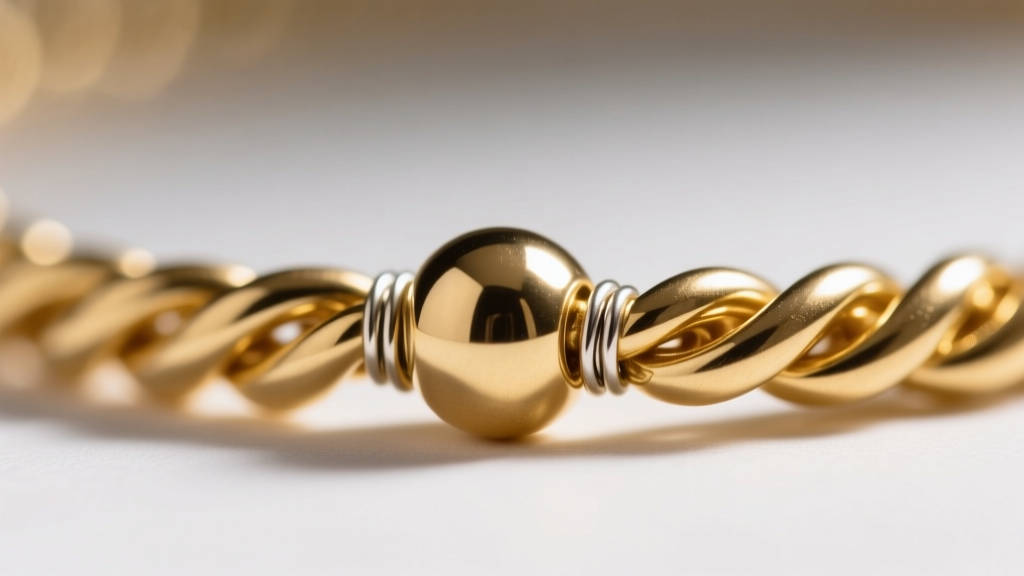
In mass-produced necklaces, the spherical beads are often merely crimped or pushed onto the twisted wire using friction. Over time, the natural oils from your skin and the mechanical friction of wearing the necklace cause these beads to slide. Once a bead slips, it acts like a vise, crushing the delicate twist pattern beneath it and permanently ruining the chain's texture. High-value necklaces utilize laser soldering to fuse the bead directly to the link, eliminating slippage entirely.
2. Clasp Jump Ring Fatigue
Twist chains are inherently heavier and stiffer than standard box or curb chains. This added weight puts immense lateral stress on the jump ring connecting the chain to the lobster or spring-ring clasp. Budget manufacturers often use thin, unsoldered jump rings that easily pull apart. A valuable twist bead necklace will feature a thick, fully soldered jump ring or a custom-machined clasp integration.
3. Torsional Unraveling
If the base wire of the twist is not properly annealed and heat-treated during the manufacturing process, the metal retains 'memory' and tension. When subjected to the body heat and movement of the wearer, cheap twist chains will literally untwist, turning into a wavy, deformed mess. Properly drawn and treated precious metals will hold their rope-like structure indefinitely.
The Verdict: How to Assess Value Before Checkout
Evaluating the budget and value of a twist bead necklace requires looking past the initial price tag and examining the cost-per-wear (CPW). A $200 sterling silver necklace worn 300 times a year for five years yields a CPW of just $0.13 per wear. Conversely, a $30 plated necklace that turns your skin green and breaks after two months has a vastly inferior value proposition.
"Never buy a twist chain based on the clasp weight alone. The true value lies in the station beads. If you can slide the bead up and down the twist with your fingernail, put it back on the shelf. It is a structural liability waiting to happen."
Your Pre-Purchase Value Checklist
Before finalizing your purchase, run the necklace through this rapid assessment framework:
- The Slide Test: Can the beads move independently of the chain? (They should not).
- The Stamp Audit: Is there a clear 925, 10k, 14k, or 18k stamp on both the clasp and a tag near the bead? (Avoid pieces marked only '18KGP' or 'Gold Electroplated' if you want longevity).
- The Clasp Stress Test: Inspect the jump ring connecting the chain to the clasp. Is there a visible slit, or is it a continuous, soldered loop? (Demand soldered loops for twist chains).
- The Drape Check: Does the chain lay flat against the collarbone, or does it kink and stick out rigidly? (High-quality twists are drawn to drape fluidly like fabric).
By prioritizing structural integrity and verifiable metal purity over brand markups and flashy packaging, you can secure a twist bead necklace that serves as a resilient, elegant anchor in your jewelry wardrobe for years to come. In 2026, true luxury is defined not just by the karat of the gold, but by the precision of the engineering.


