How to Style, Layer, and Care for a Gold Dolphin Necklace
Master the art of wearing a gold dolphin necklace. Learn how to choose the right karat, layer it flawlessly, and clean intricate marine pendants.

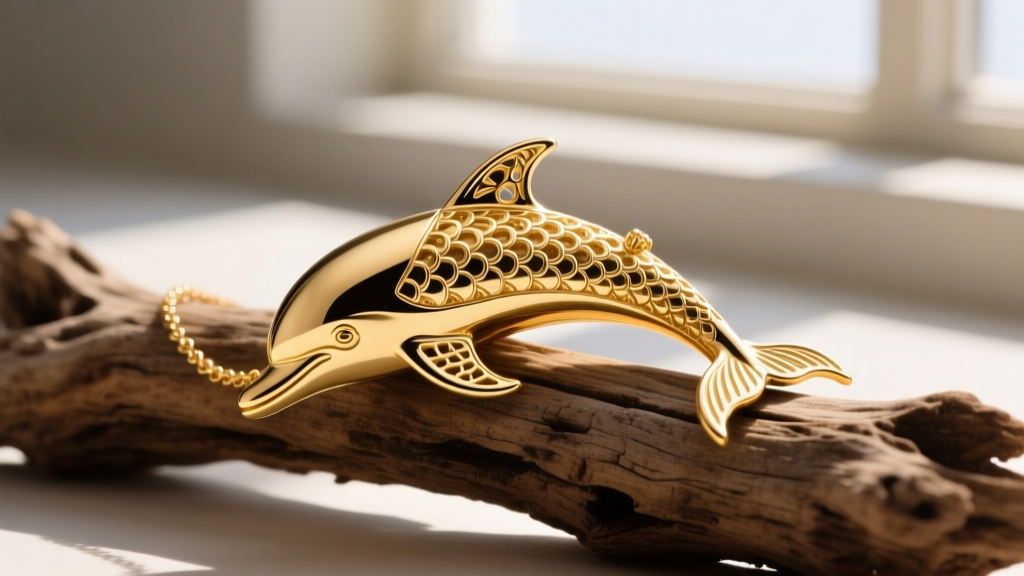
The gold dolphin necklace has transcended its nostalgic Y2K roots to become a sophisticated staple in modern coastal and marine-inspired jewelry wardrobes. Whether you are drawn to the playful symbolism of the dolphin or the intricate craftsmanship required to cast its sleek, hydrodynamic form, wearing this specific pendant requires a strategic approach. Unlike simple geometric charms, a figurative gold dolphin necklace features delicate protrusions—such as the dorsal fin, pectoral flippers, and flukes (tail)—that demand careful consideration regarding metal purity, chain pairing, and maintenance.
In this comprehensive guide, we break down the exact metallurgical specs, styling frameworks, and cleaning protocols you need to maximize the longevity and visual impact of your marine jewelry in 2026 and beyond.
Step 1: Selecting the Right Gold Karat for Figurative Castings
When purchasing a gold dolphin necklace, the karat weight dictates not only the color and price but, more importantly, the structural integrity of the pendant. According to the Gemological Institute of America (GIA), pure 24k gold is far too malleable for intricate jewelry. For a dolphin pendant, the thin rostrum (snout) and dorsal fin are highly susceptible to bending if the alloy is too soft.
The Metallurgy of Marine Pendants
To ensure your dolphin retains its precise anatomical details, you must balance gold purity with tensile strength. Here is how the standard karat options perform for figurative pendants:
| Gold Karat | Purity | Vickers Hardness (Approx.) | Suitability for Dolphin Pendants |
|---|---|---|---|
| 10k Gold | 41.7% | 135 - 150 | Highly durable, but lacks the rich yellow hue desired for premium marine jewelry. Prone to tarnishing due to high copper/zinc content. |
| 14k Gold | 58.5% | 120 - 140 | The Ideal Choice. Offers the perfect equilibrium of rich color and structural rigidity to protect delicate fins and tails from daily impact. |
| 18k Gold | 75.0% | 100 - 125 | Beautiful, warm color, but significantly softer. Recommended only for small, thick-cast dolphins or pieces worn on special occasions rather than daily. |
Expert Recommendation: Opt for a solid 14k yellow or rose gold dolphin necklace. The alloy metals (typically copper, silver, and zinc) provide the necessary Vickers hardness to prevent the flukes from warping if the pendant catches on a sweater or necklace layer.
Step 2: Choosing the Perfect Chain and Bail Configuration
A common mistake when styling a gold dolphin necklace is pairing a bottom-heavy figurative pendant with an inadequate chain. Dolphins are typically cast in a horizontal or leaping profile, meaning the weight distribution pulls outward rather than straight down.
Evaluating the Bail
The bail (the loop that connects the pendant to the chain) on a dolphin necklace is usually hidden behind the dorsal fin or integrated into the tail. Ensure the inner diameter of the bail is at least 3mm to 4mm. If the bail is too small, it will create friction against the chain, leading to premature wear.
Chain Pairing Matrix
- 1.0mm Box Chain: The best overall choice. The square links provide a sturdy, geometric contrast to the organic curves of the dolphin, and it drapes beautifully without kinking.
- 1.2mm Rope Chain: Excellent for a nautical, maritime aesthetic. The twisted links mimic the texture of ship rigging, complementing the marine theme.
- Avoid Snake Chains: Snake chains are notoriously prone to kinking and do not articulate well enough to accommodate the wider, horizontal swing of a leaping dolphin pendant.
Step 3: The "Rule of Three" Layering Framework
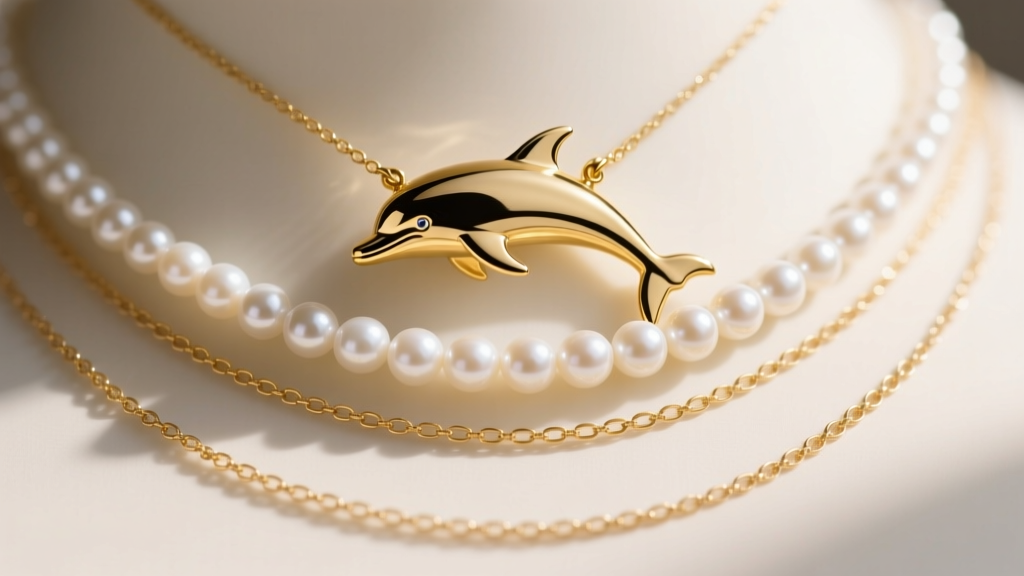
Layering a gold dolphin necklace requires careful length staggering to ensure the intricate details of the pendant are not obscured by surrounding chains. We recommend the "Rule of Three" framework, maintaining a minimum 2-inch gap between each necklace.
Building the Coastal Stack
- The Anchor (16 inches): Start with a simple, non-pendant chain or a strand of small freshwater pearls. A 16-inch herringbone chain or a 4mm pearl choker sits snugly at the base of the neck, framing the collarbone without competing for attention.
- The Centerpiece (18 inches): This is where your gold dolphin necklace sits. An 18-inch length allows the dolphin to rest perfectly in the hollow of the décolletage. Ensure the pendant is roughly 15mm to 25mm in width for optimal visual weight.
- The Elongator (22 inches): Finish the stack with a longer, vertical pendant to draw the eye downward. A simple gold compass, a starfish, or a minimalist bar pendant on a delicate 22-inch cable chain completes the nautical narrative without overcrowding the dolphin.
Styling Note: If your gold dolphin necklace features micro-pavé diamond accents or enamel detailing, keep the surrounding chains strictly minimalist to let the craftsmanship shine.
Step 4: Cleaning and Maintaining Intricate Crevices
Figurative jewelry is notorious for trapping sebum, lotions, and environmental dust in its crevices. The gills, pectoral fins, and the curve of the dolphin's belly require a specific cleaning protocol to maintain their high-polish luster.
The Manual Cleaning Protocol
According to guidelines from Jewelers of America, manual cleaning is always preferred for detailed, textured jewelry. Follow these steps bi-weekly if worn daily:
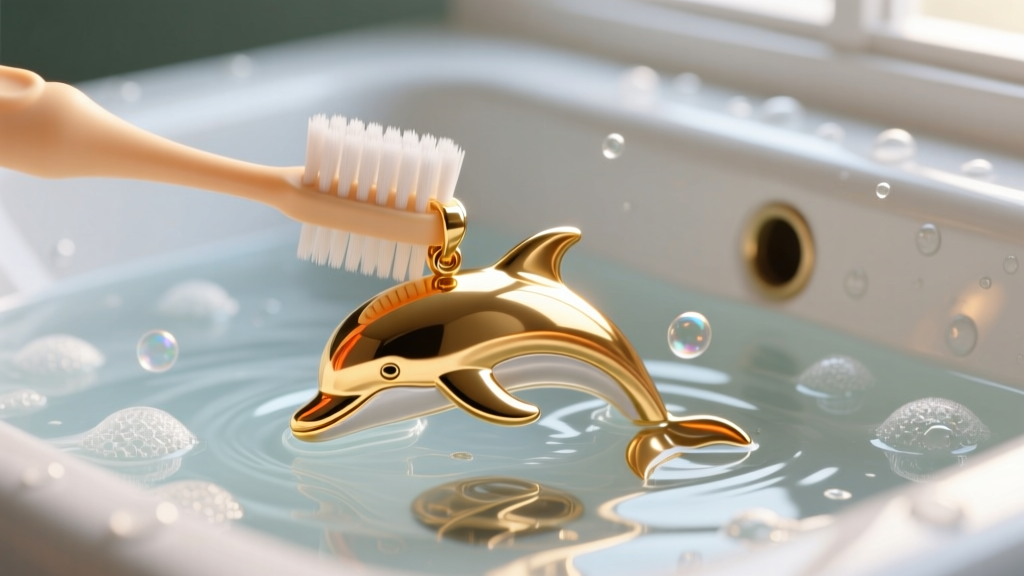
- The Soak: Mix three drops of mild, phosphate-free dish soap (like Dawn) into a bowl of lukewarm distilled water. Submerge the gold dolphin necklace for exactly 5 minutes to loosen body oils. Do not use hot water, as extreme temperature shifts can stress the metal over time.
- The Agitation: Use an extra-soft baby toothbrush. Gently brush the underside of the dolphin, paying special attention to the junction where the tail meets the body and the underbelly grooves. Never use a standard adult toothbrush, as the stiff bristles will inflict micro-scratches on the gold alloy.
- The Rinse: Rinse thoroughly under a gentle stream of lukewarm water. Ensure the drain is securely plugged or use a mesh strainer in the sink to prevent catastrophic loss.
- The Dry: Pat dry with a lint-free microfiber cloth. Avoid paper towels, as the wood pulp fibers can catch on the delicate points of the dorsal fin and cause bending.
The Ultrasonic Cleaner Warning
While ultrasonic cleaners are fantastic for plain gold bands, they are highly dangerous for certain gold dolphin necklaces. If your pendant features enamel accents (often used for the dolphin's eye or underbelly) or fracture-filled gemstones (like treated opals or emeralds used as inlays), the high-frequency vibrations of an ultrasonic machine will shatter the enamel or fracture the stones. Always stick to the manual baby-toothbrush method for figurative marine pendants.
Final Thoughts on Marine Jewelry Care
A gold dolphin necklace is more than just a nod to oceanic life; it is a feat of miniature sculptural casting. By selecting a structurally sound 14k gold alloy, pairing it with an articulating box or rope chain, and committing to a gentle, manual cleaning routine, you ensure that every anatomical detail—from the rostrum to the flukes—remains pristine. Whether you are layering it for a coastal vacation or wearing it as a solitary talisman, proper care guarantees your marine centerpiece will weather any stylistic tide.


