Solid vs Plated Gold Paper Clip Chain Necklace Material Guide
Compare solid, vermeil, and plated gold paper clip chain necklaces. Discover karat differences, durability, and how to choose the right metal.

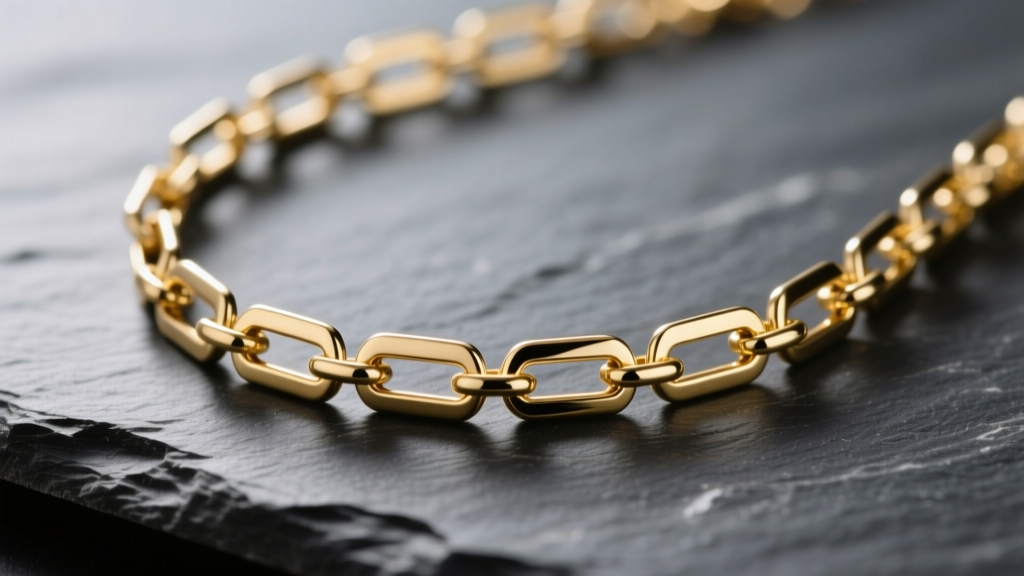
The gold paper clip chain necklace has transcended its status as a fleeting trend to become a foundational staple in modern jewelry wardrobes. Characterized by elongated, rectangular or oval links that mimic the shape of a standard paperclip, this chain style offers a bold, geometric aesthetic that catches the light beautifully. However, because of the unique geometry of these links—specifically their flat surfaces and distinct friction points—the material you choose dictates the chain's lifespan, structural integrity, and long-term value.
In this comprehensive material guide, we deconstruct the metallurgical properties of solid, vermeil, filled, and plated gold paper clip chains. Whether you are investing in a daily-wear piece or a statement layering component, understanding the exact karat weights, plating micron thicknesses, and tensile strengths will ensure you make an informed purchase in 2026 and beyond.
The Metallurgy of the Paper Clip Link
Unlike traditional cable or curb chains, which feature rounded or tightly interlocking links that distribute friction evenly, the paper clip chain relies on elongated links with a larger surface area. These links are typically manufactured from wire ranging from 18-gauge (1.02mm) for delicate 2mm-wide chains, up to 14-gauge (1.63mm) for heavy, 5mm-wide statement pieces.
The flat or semi-flat outer edges of the paper clip link are highly susceptible to visible abrasion. When the chain moves against the skin or clothing, the friction is concentrated on these broad surfaces and the inner connection points where the links rub together. Therefore, the hardness and wear-resistance of the gold alloy or plating are far more critical for a paper clip chain than for a smooth, round snake chain.
Solid Gold Karats: Hardness and Tensile Strength
When investing in a solid gold paper clip chain necklace, you are primarily choosing between 10k, 14k, and 18k gold. According to the Gemological Institute of America (GIA), the karat weight determines the ratio of pure gold to alloy metals (like copper, silver, and zinc), which directly impacts the chain's durability.
14k Gold: The Sweet Spot for Chain Durability
Comprising 58.5% pure gold, 14k gold is the industry standard for high-quality paper clip chains. On the Vickers hardness scale, a standard 14k yellow gold alloy scores between 130 and 150 HV. This hardness is crucial for paper clip links, as it prevents the elongated shapes from warping, stretching, or denting when subjected to the weight of heavy pendants or the tension of daily wear. Furthermore, 14k gold offers excellent tarnish resistance while maintaining a rich, warm color.
18k Gold: Luxury with Compromised Durability
Containing 75% pure gold, 18k gold offers a deeper, more saturated yellow hue. However, its Vickers hardness drops to roughly 120-130 HV, making it significantly softer. In a paper clip chain, the broad, flat surfaces of 18k links will accumulate micro-scratches much faster than 14k. While this can develop a desirable patina over time, it also means the chain is more prone to link deformation if snagged.
10k Gold: Maximum Strength, Minimum Luster
At 41.7% pure gold, 10k is the most durable and scratch-resistant option. However, it lacks the depth of color found in higher karats and can sometimes cause skin irritation for those with nickel or copper sensitivities, depending on the specific alloy mix used by the manufacturer.
Deconstructing Alternatives: Vermeil, Filled, and Plated
For those seeking the look of gold without the solid gold price tag, alternative materials are abundant. However, the Federal Trade Commission (FTC) Jewelry Guides strictly regulate how these terms can be used, and understanding the differences is vital for avoiding premature chain degradation.
Gold Vermeil (Sterling Silver Core)
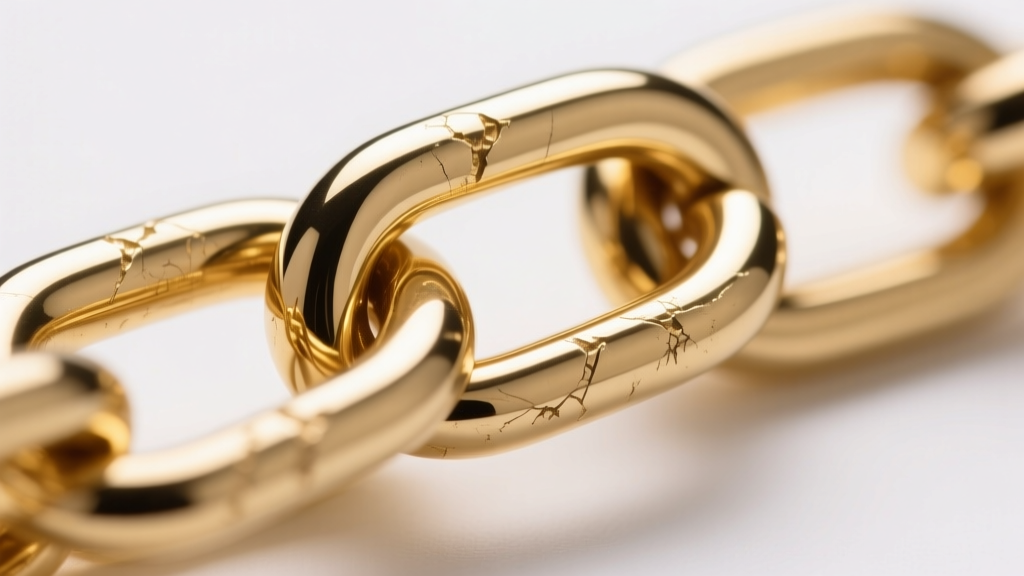
Vermeil (pronounced ver-may) requires a sterling silver base metal plated with a minimum of 2.5 microns of gold (usually 14k or 18k). Because the core is precious metal, vermeil paper clip chains are excellent for those with metal allergies. However, the friction points on the inner loops of paper clip links will eventually wear through the 2.5-micron layer, exposing the silver beneath. While silver tarnishes, it can be polished and re-plated by a professional jeweler.
Gold-Filled (Brass Core)
Gold-filled wire is created by mechanically bonding a thick layer of gold (at least 5% or 1/20th of the total weight) to a brass core using heat and pressure. According to the Rio Grande Metals Guide, gold-filled material is incredibly durable and can last decades. The catch with paper clip chains? The manufacturing process. When the wire is cut and shaped into links, the ends of the links expose the brass core. Unless the manufacturer meticulously solders or laser-welds every single link shut, those exposed brass ends will eventually oxidize, leaving localized green or black marks on the skin.
Gold-Plated (Flash Plating)
Standard gold-plated chains feature a base metal (often brass or copper) coated with a microscopic layer of gold, typically less than 0.5 microns. For a paper clip chain, flash plating is highly discouraged. The high surface area and link-on-link friction will strip the plating from the outer edges within weeks of daily wear.
2026 Material Comparison Matrix
To help you weigh your options, we have compiled a comparative matrix based on current manufacturing standards and 2026 market pricing for a standard 18-inch, 3mm-wide paper clip chain.
| Material Type | Base Metal | Gold Layer Thickness | Tarnish & Wear Resistance | Approx. Price Range (2026) |
|---|---|---|---|---|
| Solid 14k Gold | None (Alloy) | Solid (58.5% Gold) | Excellent (Lifetime) | $450 - $850 |
| Solid 18k Gold | None (Alloy) | Solid (75% Gold) | High (Prone to scratching) | $650 - $1,200 |
| Gold Vermeil | Sterling Silver | Min. 2.5 Microns | Moderate (1-3 years daily) | $90 - $160 |
| Gold-Filled | Brass | Min. 5% by Weight | High (Exposed ends may oxidize) | $50 - $95 |
| Gold-Plated | Brass/Copper | < 0.5 Microns | Poor (Weeks/Months) | $15 - $40 |
Failure Points: How Paper Clip Chains Degrade
Understanding how a chain fails allows you to perform better preventative maintenance. The paper clip chain has three primary failure points:
- Link Friction Zones: The inner curves where links connect bear the brunt of mechanical wear. In plated chains, this is where the gold disappears first. In solid chains, this is where the metal work-hardens and becomes brittle over many years of extreme tension.
- The Solder Joints: High-quality paper clip chains feature laser-welded or soldered links to prevent them from pulling apart. If a chain is unsoldered (common in cheap, mass-produced plated versions), the elongated links can easily be pulled open and separated by a simple snag on a sweater.
- Clasp Degradation: The lobster clasp or spring ring on a gold-filled or vermeil chain is often the first component to fail, as the internal steel springs are prone to rust when exposed to sweat and cosmetics, eventually snapping the gold exterior.
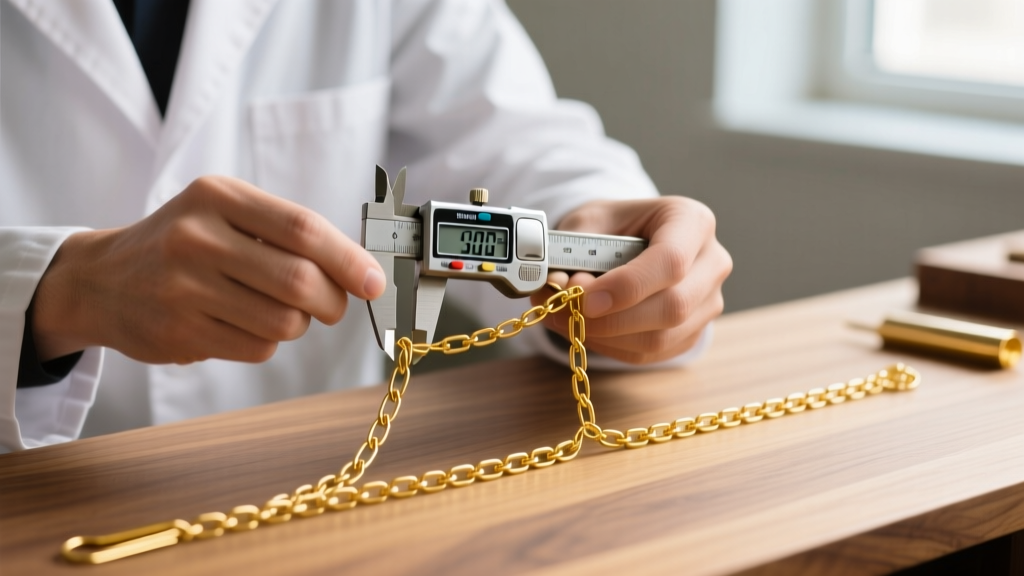
"When inspecting a paper clip chain, always run your fingernail along the inner seam of the links. If you feel a sharp burr or a visible gap, the links are unsoldered and will eventually pull apart under the weight of a pendant." — Master Bench Jeweler
The Expert Purchasing Framework
Choosing the right gold paper clip chain necklace ultimately depends on your lifestyle, budget, and how you intend to wear the piece. Use this decision framework to guide your purchase:
For the Daily Wearer & Layering Enthusiast
If you plan to wear the chain every day, layer it with other necklaces, and never take it off for showers or workouts, Solid 14k Gold is the only logical choice. The alloy's hardness will withstand the constant friction of layering, and it will not degrade when exposed to water, chlorine, or cosmetic chemistry. Look for a 3mm or 4mm width in a 16-inch or 18-inch length for optimal versatility.
For the Statement Piece & Occasional Wearer
If you are buying a chunky, 5mm+ paper clip chain to wear over sweaters or for evening events, Gold Vermeil is an excellent, cost-effective alternative. Because it will not be subjected to the constant friction of daily wear or the harsh environment of the shower, the 2.5-micron gold layer will last for years. Just ensure you store it in an anti-tarnish pouch to protect the sterling silver core.
For the Budget-Conscious Trend Follower
If you simply want to test the paper clip trend without a major investment, a high-quality Gold-Filled chain is acceptable, provided you inspect the links. Ensure the manufacturer uses laser-welded links to seal the brass core. Avoid flash-plated chains entirely, as the rapid degradation of the broad link surfaces will leave you with a dull, discolored chain within a single season.
Final Thoughts on Chain Maintenance
Regardless of the material you choose, proper maintenance extends the life of your gold paper clip chain. Always store the necklace flat or hanging to prevent the elongated links from kinking. Clean solid and vermeil chains with a mild dish soap and a soft-bristled baby toothbrush, gently scrubbing the inner connection points where skin oils and lotions accumulate. By matching the metallurgical properties of the gold to your specific wear habits, your paper clip chain will remain a brilliant, structural anchor in your jewelry collection for years to come.


