How to Choose a Designer Pearl Necklace: 2026 Buyer's Guide
Discover what to look for when investing in a designer pearl necklace. Learn about nacre thickness, luster grades, and authentic hallmarks in our 2026 guide.

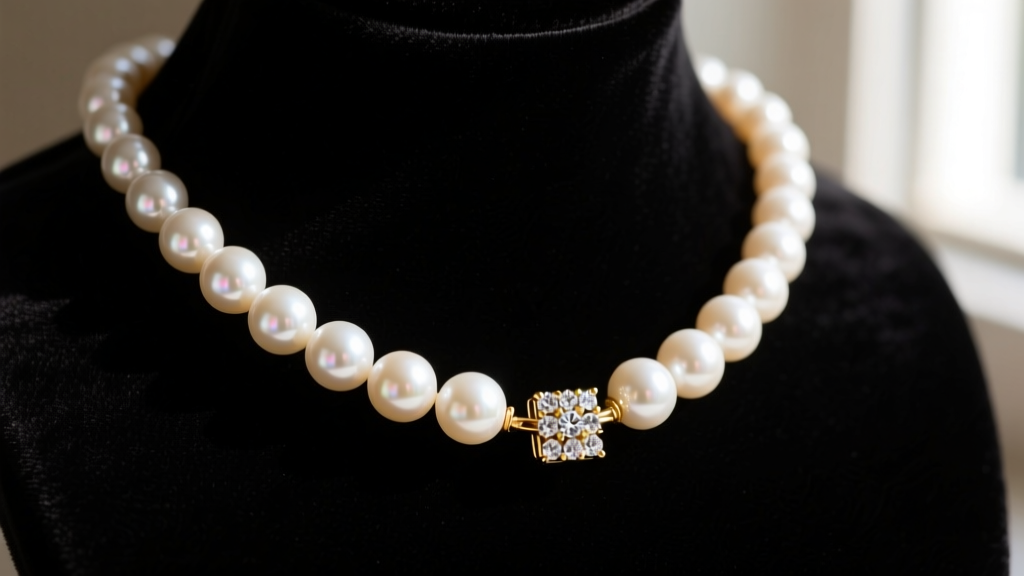
The Anatomy of a Designer Pearl Necklace
Investing in a designer pearl necklace is not merely about acquiring jewelry; it is about securing a legacy asset. In 2026, as the luxury market continues to bifurcate between mass-produced commercial strands and meticulously curated saltwater collections, understanding the nuances of high-end pearl grading is essential. A true designer pearl necklace from heritage houses like Mikimoto, Tiffany & Co., or Assael represents the top 1% of the global pearl harvest. These pieces are defined by exceptional luster, thick nacre, flawless surface quality, and master-level stringing techniques. Unlike mall-brand pearls, which often suffer from chalky finishes and thin nacre that peels over time, designer pearls are selected for their optical brilliance and structural longevity.
When evaluating a luxury strand, you must look beyond the basic certificate of authenticity. The Gemological Institute of America (GIA) outlines seven critical value factors for pearls: Size, Shape, Color, Luster, Surface Quality, Nacre Quality, and Matching. In the designer tier, compromising on any of these factors is unacceptable. A master gemologist will spend hundreds of hours sorting tens of thousands of harvested pearls to find just 50 that match perfectly in body color, overtone, and luster intensity to create a single, cohesive strand.
Decoding Pearl Grading: Luster, Nacre, and Matching
Luster is the soul of a pearl. It refers to the sharpness and intensity of light reflecting off the surface and from within the layers of aragonite platelets. Designer brands exclusively utilize pearls with "Excellent" or "Very Good" luster grades. When you look at a high-end Akoya or South Sea pearl, you should see a crisp, mirror-like reflection of your own silhouette. If the reflection appears blurred, hazy, or chalky, the pearl lacks the crystalline density required for designer status.

The Nacre Thickness Standard
Nacre is the crystalline substance secreted by the oyster to form the pearl. In the commercial market, pearls are often harvested prematurely, resulting in nacre thicknesses of less than 0.2mm. These thin-skinned pearls are prone to chipping, cracking, and eventual peeling. Designer houses enforce strict minimum nacre requirements. For instance, premium Hanadama Akoya pearls must possess a minimum nacre thickness of 0.4mm, while luxury South Sea and Tahitian pearls routinely boast nacre layers between 2.0mm and 6.0mm. This depth not only ensures durability but also creates the deep, inner glow known as "orient," which is highly prized by collectors.
| Pearl Type | Average Size | Minimum Designer Nacre | Typical Designer Price Range (18" Strand) |
|---|---|---|---|
| Hanadama Akoya | 7.0 - 9.5mm | 0.4mm+ | $3,500 - $15,000 |
| White South Sea | 10.0 - 15.0mm | 2.0mm - 6.0mm | $18,000 - $95,000+ |
| Tahitian Black | 9.0 - 14.0mm | 2.0mm+ | $9,000 - $55,000 |
| Edison Freshwater | 11.0 - 14.0mm | 2.0mm+ | $2,500 - $8,000 |
Verifying Designer Authenticity and Hallmarks
The secondary market for luxury jewelry has expanded significantly, making authentication a critical skill for buyers. A genuine designer pearl necklace will always feature specific, microscopic hallmarks stamped directly onto the metal clasp. Mikimoto, the pioneer of the cultured pearl, stamps an 'M' enclosed in a clamshell silhouette alongside the metal purity mark (e.g., 750 for 18k gold or PT950 for platinum). Tiffany & Co. utilizes 'T&Co' alongside precise weight and purity stamps. Assael and Yoko London also employ proprietary laser-engraved signatures on their clasps. If a clasp is completely blank, or features a generic '14k' stamp without a brand identifier, it is not an authentic designer piece.
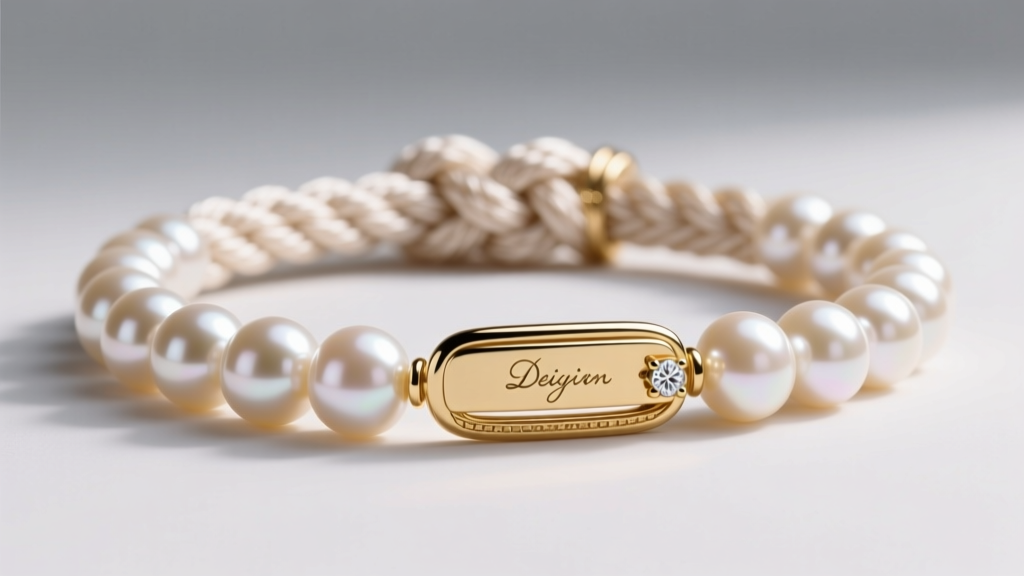
The Clasp and Stringing Details
The construction of the strand is just as important as the pearls themselves. Designer necklaces are never strung on synthetic wire or cheap nylon. They are meticulously hand-knotted on high-grade French silk thread (typically size FF or FFF). The silk knot between every single pearl serves two vital purposes: it prevents the pearls from grinding against each other, which can damage the nacre, and it ensures that if the strand snaps, only one pearl is lost. Furthermore, the clasp mechanism on a designer piece is engineered for security. Expect to find a precision-machined tongue-and-groove box clasp, reinforced with a figure-8 safety wire catch that snaps securely over the hinge. Many heritage brands also integrate a small, high-clarity diamond or sapphire accent into the clasp face as a signature detail.
Sizing, Lengths, and Styling Frameworks
Selecting the correct length is crucial for how the pearls interact with light and your neckline. The Cultured Pearl Association of America recognizes standard industry lengths, but designer brands often offer bespoke sizing to ensure the drape is flawless.
- Collar (10 - 13 inches): Sits tightly against the base of the throat. Best worn with V-necks or open-collar blouses to elongate the neck.
- Choker (14 - 16 inches): Rests at the base of the neck. A versatile, modern length that pairs beautifully with crew necks and evening wear.
- Princess (17 - 19 inches): The classic, traditional length that falls just below the collarbone. Ideal for business attire and formal occasions.
- Matinee (20 - 24 inches): Falls at the top of the bust. Excellent for layering or wearing over high-necked sweaters and tailored blazers.
Investment Value and 2026 Market Trends
As we navigate the 2026 luxury landscape, the value of natural, saltwater cultured pearls continues to appreciate. Environmental challenges, rising ocean temperatures, and stricter harvesting regulations in regions like French Polynesia and Northern Australia have constrained the supply of gem-grade South Sea and Tahitian pearls. Consequently, a well-maintained designer pearl necklace is not just a fashion statement; it is a tangible store of value.
"A masterfully matched strand of South Sea pearls with a verified designer provenance will consistently outperform mass-market jewelry in the secondary auction market, functioning as both a wearable art piece and a generational asset."
When purchasing, always insist on the original designer box, the branded silk pouch, and the certificate of authenticity. These provenance documents can increase the resale value by up to 30% on the secondary market. By prioritizing thick nacre, mirror-like luster, and verified hallmarks, you ensure that your designer pearl necklace will remain a breathtaking staple of your collection for decades to come.


