How to Style a Square Necklace: 2026 Trend Analysis
Discover why the square necklace is dominating 2026 jewelry trends. Explore geometric pendant styles, chain types, and expert layering techniques.

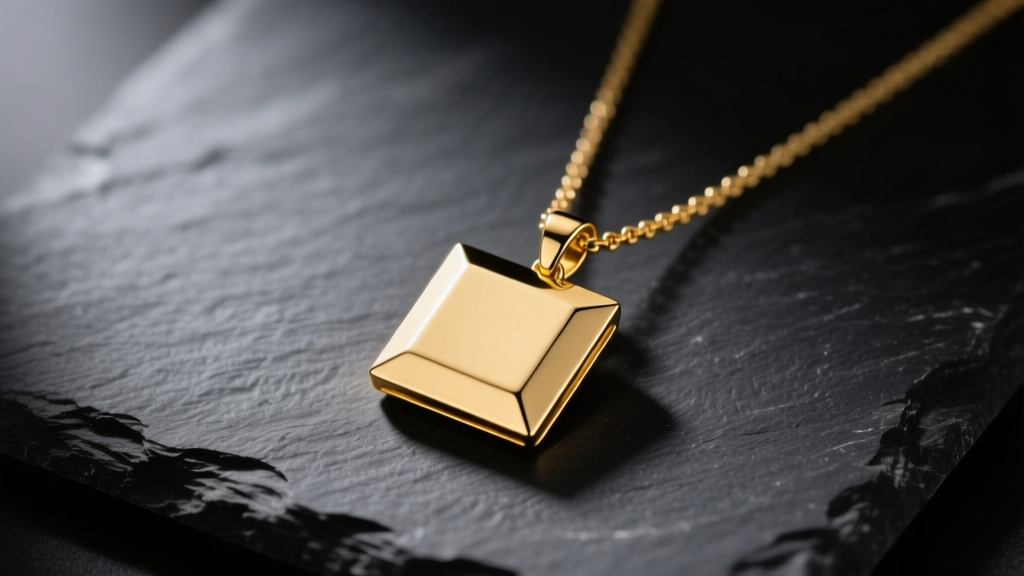
The Architectural Shift: Why Geometry is Dominating 2026
As we navigate the 2026 jewelry landscape, the industry has decisively pivoted away from the hyper-organic, fluid shapes of the early 2020s. In its place, a structured, architectural aesthetic has taken hold, with the square necklace emerging as the definitive silhouette of the year. This trend is not merely about sharp corners; it represents a broader cultural shift toward 'structured minimalism' and modern brutalism in personal adornment. Whether manifested as a bezel-set princess-cut diamond pendant or a heavy, interlocking square-link chain, the geometry of the square conveys stability, precision, and unapologetic modernity.
According to trend forecasts analyzed by Forbes Jewelry, consumers are increasingly investing in pieces that offer visual weight and clean lines, moving away from delicate, easily tangled motifs. The square necklace perfectly bridges the gap between everyday wearability and high-impact editorial styling, making it a cornerstone of contemporary capsule jewelry collections.
Deconstructing the Geometry: Pendants vs. Chains
To truly master this trend, one must understand that the 'square necklace' category is bifurcated into two distinct design elements: the pendant motif and the chain architecture. Both offer unique styling opportunities and require different considerations regarding scale and proportion.
The Square Pendant: Cuts and Settings
When dealing with gemstone square pendants, the cut is paramount. The Princess cut (typically featuring 76 facets) offers maximum brilliance and is ideal for those who want their square necklace to catch the light aggressively. Conversely, the Asscher or Carré cut (a square step-cut) provides a hall-of-mirrors effect, emphasizing clarity and geometric purity over sheer sparkle. For a 15x15mm pendant, a bezel setting is highly recommended over prong settings. Prongs on square stones are notoriously prone to snagging on knitwear, whereas a sleek 18k gold bezel encases the sharp 90-degree corners, ensuring both longevity and a streamlined profile.
For non-gemstone pendants, 2026 has seen a massive resurgence in guilloché enamel applied to square metal plaques. This technique involves engine-turning a geometric pattern into the gold base before fusing translucent vitreous enamel over it, creating a mesmerizing, light-catching square that feels both vintage and futuristic.
Square-Link Chains: The Box and Cuban Variations
The chain itself can serve as the primary square motif. The classic box chain (also known as a square-link chain) is constructed from interlocking square links that create a smooth, continuous, and highly reflective surface. In 2026, the trend is polarized: consumers are opting either for ultra-fine 1.2mm box chains for subtle layering, or massive 5.5mm hollow-core square Cuban links for standalone statement pieces. The rigid structure of a square chain prevents the twisting and tangling that plagues traditional cable or rope chains, making it a superior choice for daily wear.
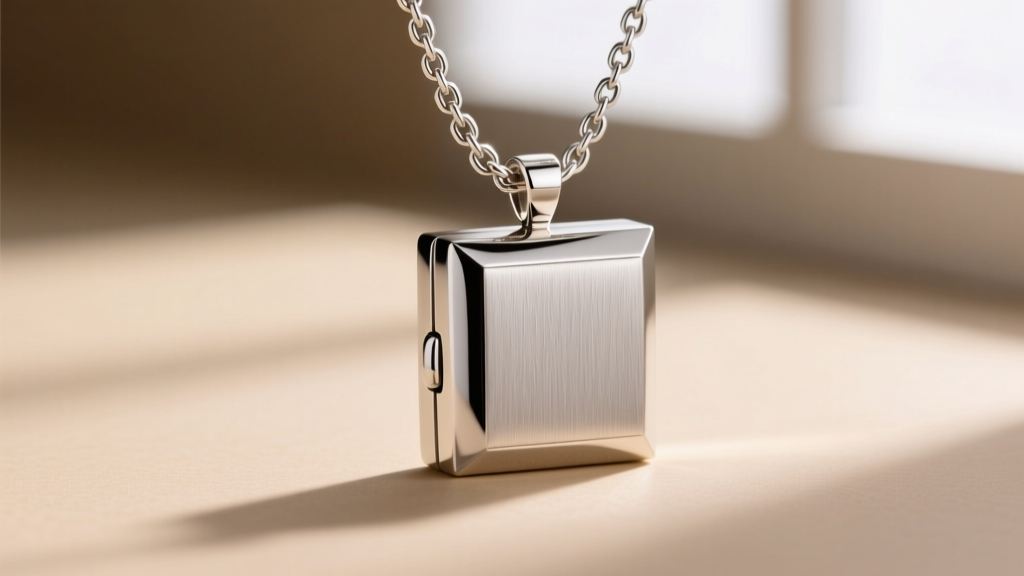
Material Grades and Pricing Tiers for Square Motifs
Because flat, square surfaces reflect light uniformly, they are highly unforgiving of poor metal finishes or micro-scratches. Selecting the right material grade is critical for maintaining the pristine lines of a square necklace. Below is a comparative analysis of the most common materials used for 15mm square pendants and standard box chains in the current market.
| Material Grade | Finish & Durability | Avg. Price Range (15mm Pendant) | Best Use Case |
|---|---|---|---|
| 316L Surgical Steel (PVD Coated) | Highly scratch-resistant, hypoallergenic, retains dark or gold PVD tones well. | $45 - $120 | Everyday streetwear, heavy square Cuban chains. |
| 925 Sterling Silver (Rhodium Flashed) | Bright white finish, prevents tarnish, but rhodium will wear off flat edges over time. | $150 - $350 | Minimalist office wear, geometric enamel plaques. |
| 14k Solid Gold (Yellow or White) | Excellent durability, can be polished repeatedly without losing structural integrity. | $600 - $1,400 | Heirloom pieces, bezel-set Princess cut diamonds. |
| 18k Solid Gold | Rich, deep yellow hue, softer than 14k, shows micro-scratches faster on flat planes. | $1,500 - $3,500+ | High-end luxury, intricate guilloché enamel squares. |
| Platinum (950 Pt) | Extremely dense, develops a patina rather than losing metal when scratched. | $2,000 - $5,000+ | Secure settings for high-carat square-cut gemstones. |
Neckline Pairings: A Styling Framework
The rigid geometry of a square necklace demands careful consideration of the garment's neckline. The goal is to create harmony or intentional contrast, avoiding visual clutter. According to styling principles outlined by the Gemological Institute of America (GIA) regarding jewelry presentation, the backdrop of the jewelry is just as important as the piece itself.
- The V-Neck / Plunging Neckline: This is the optimal canvas for a square pendant. The downward angle of the V-neck mirrors the bottom point of a square pendant resting on a 20-inch chain, creating a cohesive, elongating vertical line.
- The Crew Neck: Pair a crew neck with a shorter, 16-inch square box chain that sits just above the collarbone. Avoid long pendants here, as they will clash with the circular rim of the shirt.
- The Turtleneck: A heavy, 5mm square-link chain worn over a dark, fine-gauge turtleneck is a quintessential 2026 power-styling move. The matte fabric absorbs light, allowing the metallic square links to pop aggressively.
- The Square Neckline: Proceed with caution. Wearing a square pendant over a square-neck top can look overly repetitive and visually boxy. If you must, opt for a delicate, 10mm micro-square pendant to provide a subtle nod to the geometry without overwhelming the silhouette.
Advanced Layering: Mixing Squares with Organics
One of the most common mistakes consumers make when adopting the square necklace trend is wearing only geometric shapes, which can result in a stiff, overly calculated appearance. The secret to mastering the 2026 aesthetic is juxtaposition.
'True modern styling lies in the tension between the engineered and the natural. A rigid square pendant demands the softening presence of an organic counterpart to achieve visual equilibrium.' — Contemporary Jewelry Styling Manifesto, 2025
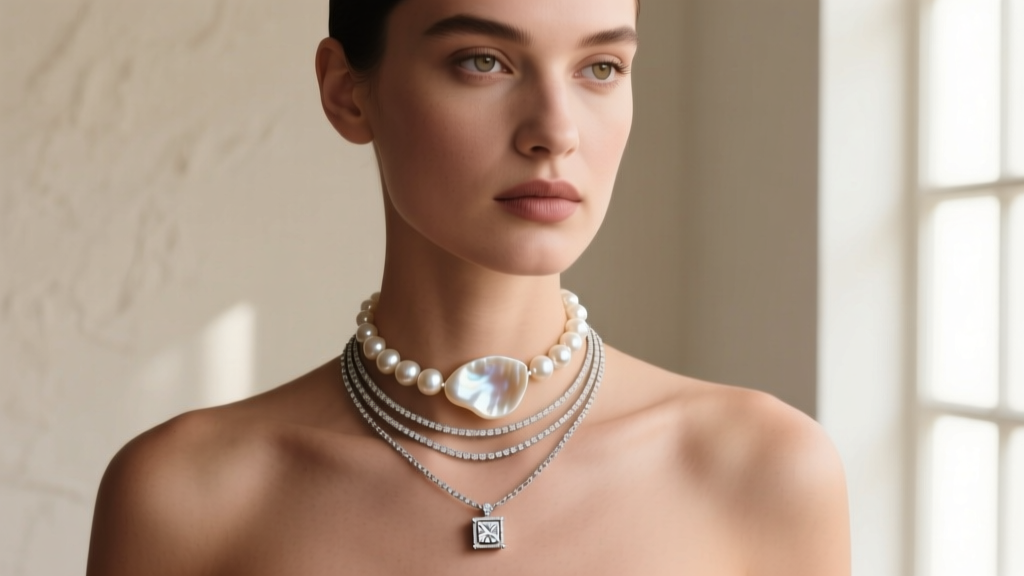
To execute this, anchor your square necklace with an organic element. For example, layer a 14k gold bezel-set square diamond pendant (on an 18-inch box chain) with a 16-inch strand of irregular, asymmetrical baroque freshwater pearls. The sharp, light-reflecting 90-degree angles of the square pendant will contrast beautifully with the soft, matte, unpredictable curves of the pearls. Alternatively, mix a square-link chain with a fluid, molten-metal style pendant or a raw, uncut emerald slice.
Care and Maintenance for Sharp Edges and Flat Planes
Square jewelry presents unique maintenance challenges. Flat, polished surfaces act like mirrors, making micro-scratches, fingerprints, and smudges immediately visible. Furthermore, the sharp 90-degree corners of square pendants and links are structural weak points prone to denting if dropped on hard surfaces like marble or tile.
Polishing Flat Surfaces
Do not use abrasive polishing compounds on flat square pendants, as they can create uneven, wavy surfaces (a phenomenon known as 'orange peel' in metalworking). Instead, use a specialized microfiber polishing cloth treated with mild jeweler's rouge. For 18k gold square chains, a gentle soak in warm water with a few drops of phosphate-free dish soap, followed by a soft-bristle brush, will remove skin oils that accumulate in the tight corners of the square links.
Protecting the Corners
If your square necklace features a gemstone, ensure the bezel or prongs at the four corners are flush with the metal. Exposed corners on Princess or Asscher cuts are highly susceptible to chipping upon impact. Have your jeweler inspect the corner prongs every 12 months using a 10x loupe to check for metal fatigue or lifting.
Final Thoughts on the Geometric Renaissance
The square necklace is far more than a fleeting seasonal fad; it is a fundamental recalibration of modern jewelry design. By embracing the architectural purity of the square—whether through a meticulously cut gemstone, a heavy box chain, or an enameled plaque—you are investing in a piece that projects confidence, precision, and timeless modernity. As 2026 unfolds, the ability to balance these rigid geometric forms with soft textiles and organic layering pieces will separate the true style connoisseurs from the mere trend followers.


