Gifting a Rusty Silver Necklace: Oxidized & Rustic Styles
Discover how to gift a rusty silver necklace. Learn the difference between oxidized sterling, rustic iron blends, and plated metals that rust.

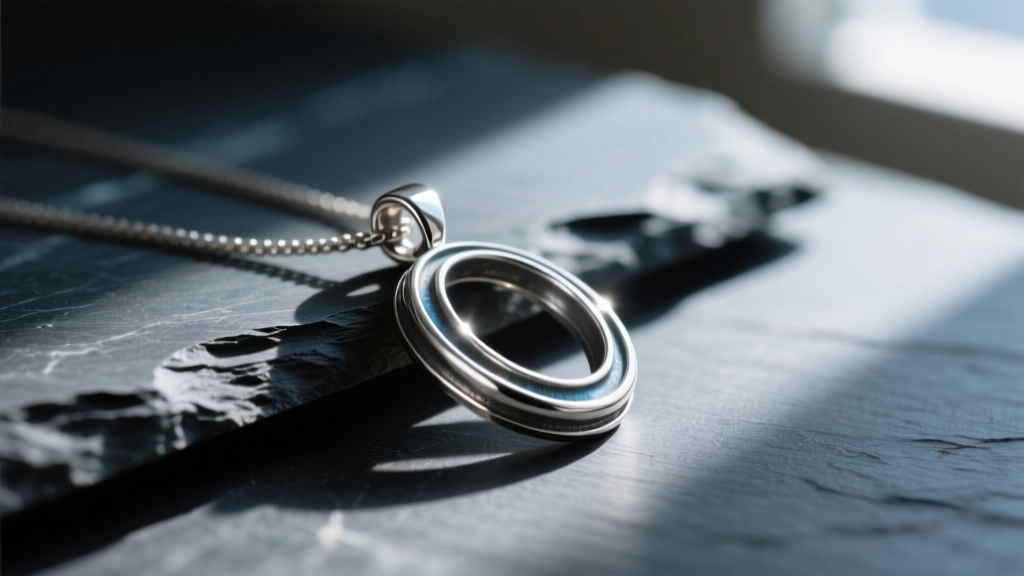
When jewelry shoppers search for a rusty silver necklace, they are typically chasing a very specific, moody aesthetic. They want the rugged, weathered, and antiqued look of oxidized metal. However, as any seasoned jeweler or metallurgist will tell you, true silver does not rust. Rust is a chemical reaction specific to iron and its alloys, resulting in flaky red iron oxide. Silver, on the other hand, tarnishes—reacting with sulfur in the air to form a black or brownish layer of silver sulfide.
Whether you are shopping for an artisan piece that mimics the look of rust, or you are trying to understand why a gifted silver necklace is literally turning orange, this comprehensive 2026 guide breaks down the metallurgy, the aesthetic alternatives, and exactly how to match these rustic necklaces to the right recipient and occasion.
The Metallurgical Reality: Tarnish vs. Rust
Before purchasing or gifting, it is crucial to understand the science of the metal. According to The Silver Institute, sterling silver (92.5% pure silver, 7.5% copper) is entirely non-ferrous. Because it contains no iron, it is physically impossible for solid sterling silver to rust.
If a necklace marketed as "silver" is developing orange, flaky rust spots, you are likely dealing with one of two scenarios:
- Silver-Plated Ferrous Metals: The core of the chain or pendant is made of iron or cheap steel, and the thin silver plating has worn away, exposing the base metal to moisture and oxygen.
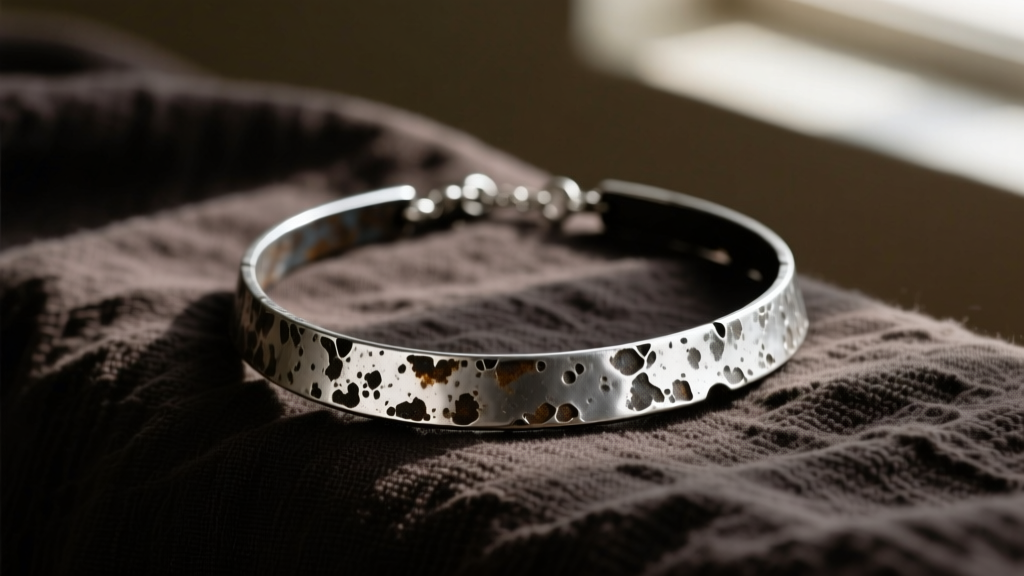
- Intentional Rust-Inclusion Artistry: Some avant-garde artisans intentionally embed raw iron shards or use Corten (weathering) steel inlays alongside sterling silver to create a literal rusty silver necklace. This is a high-end, deliberate design choice, not a defect.
"Patina and oxidation are not signs of decay in jewelry; they are the metal's memory. Intentional blackening using liver of sulfur adds depth, contrast, and a rugged narrative to a piece that high-polish finishes simply cannot achieve." — Master Silversmith & Jewelry Historian
Who to Gift a "Rusty" Aesthetic Necklace To
Gifting an oxidized, antiqued, or rustic silver necklace requires understanding the recipient's personal style. These pieces are rarely for the traditionalist who prefers brilliant, high-polish diamonds. They are for the storytellers, the edge-seekers, and the vintage purists.
1. The Vintage & Antique Enthusiast
For the recipient who spends weekends hunting for Victorian relics or mid-century artifacts, an oxidized 925 sterling silver pendant is the perfect gift. Artisans use a chemical compound called liver of sulfur (potassium polysulfide) to force the silver into a deep, blackened state. The high points are then hand-polished, leaving the dark "rustic" tarnish in the crevices. This mimics decades of natural wear and is an ideal gift for milestone birthdays or non-traditional anniversaries.
2. The Industrial & Edgy Fashion Lover
If your recipient leans into dark academia, goth, or industrial streetwear, look for a silver and Corten steel blend. Corten steel is designed to develop a stable, protective rust-like patina when exposed to the elements. A necklace featuring a polished 925 silver frame encapsulating a rusted Corten steel core provides a stunning, literal interpretation of the "rusty silver" search intent. These make phenomenal gifts for graduations or career milestones in creative fields.
3. The Boho & Earthy Artisan
For the free spirit who layers turquoise and leather, a silver and raw bronze/copper alloy necklace is ideal. As the copper in the bronze reacts to the wearer's skin chemistry and the environment, it develops a rich, brownish-green verdigris that closely resembles organic rust. This is a deeply personal gift, as the metal will literally adapt to the wearer's body over time.
Material & Technique Comparison Chart
When shopping for a rustic or oxidized necklace, use this chart to understand what you are actually buying, the expected price range, and how it will age over time.
| Material / Technique | Visual Profile | Avg. Price Range | Durability & Care |
|---|---|---|---|
| Oxidized 925 Sterling | Blackened crevices, polished edges. Mimics antique dirt/tarnish. | $65 - $250 | High. Re-oxidize with liver of sulfur if it wears off. |
| Silver + Corten Steel | Literal red/orange rust encapsulated in bright silver. | $120 - $400+ | Medium. Keep dry to prevent the rust from degrading the silver joints. |
| Silver-Plated Iron | Flaking orange rust where plating has failed. (Avoid as a gift). | $15 - $40 | Low. Structural integrity will eventually fail due to corrosion. |
| Silver & Bronze Alloy | Warm, brownish-green organic patina. Earthy and rustic. | $80 - $180 | High. Polishes easily if the wearer prefers a brighter look. |
Selecting the Right Chain Gauge and Length
A rustic pendant requires a chain that matches its visual weight. Pairing a heavy, 25-gram oxidized silver skull or geometric pendant with a flimsy 0.8mm cable chain is a common gifting mistake that leads to immediate breakage.
- The 1.5mm to 2.0mm Rope Chain: The rope chain is the undisputed king of oxidized silver. The twisted links naturally trap shadows and tarnish, enhancing the "rusty" and antiqued vibe without requiring chemical oxidation. It is highly durable and can support pendants up to 30 grams.
- The 2.0mm Box Chain: For a more geometric, industrial look, a blackened box chain offers incredible tensile strength. The flat surfaces of the links reflect light differently, providing a moody, gunmetal-like appearance.
- Leather Cords with Silver End Caps: For a rugged, masculine, or bohemian gift, a 2mm to 3mm braided leather cord finished with oxidized 925 sterling silver end caps and a magnetic clasp is a phenomenal choice. Ensure the silver end caps are at least 4mm in diameter to prevent the leather from slipping through under tension.
Pro-Tip on Length: For men or those preferring a lower, layered look, opt for a 22-inch or 24-inch chain. For women's artisan boho styles, a 20-inch chain sits perfectly at the collarbone, allowing the oxidized pendant to rest against the skin, which actually accelerates the beautiful, natural patina process.
Troubleshooting: What If the Gift is Actually Rusting?
If you are examining a necklace you intend to gift (or one you recently received) and notice literal orange rust, you must verify the metal's authenticity. The Gemological Institute of America (GIA) notes that silver should never exhibit ferrous corrosion.
The Magnet Test: Take a strong neodymium magnet and hold it to the chain clasp and the pendant bail. Sterling silver is diamagnetic (it will not stick, and may even show a tiny push-away effect). If the magnet snaps to the metal, you are holding a ferrous core. It is silver-plated steel, and it is actively rusting from the inside out. Do not gift this piece, as the rust will stain the recipient's clothing and skin.
Care and Maintenance for Antiqued Silver
Gifting a rustic silver necklace also means gifting the knowledge of how to care for it. Many well-meaning recipients ruin intentionally oxidized jewelry by dropping it into commercial ultrasonic cleaners or using harsh silver dip solutions. These chemicals will strip the blackened liver-of-sulfur patina in seconds, leaving the piece looking flat, gray, and lifeless.
How to clean oxidized silver safely:
- Use a soft, dry microfiber cloth to gently buff only the high, raised points of the pendant.
- Never use toothpaste, baking soda, or aluminum foil baths on intentionally antiqued silver.
- If the dark crevices begin to fade after years of wear, the recipient can easily restore the "rusty" antique look by purchasing a small bottle of liver of sulfur gel, diluting a drop in warm water, and dipping the piece for 30 seconds.
Final Gifting Thoughts
A "rusty" silver necklace is more than just an accessory; it is a piece of wearable art that celebrates imperfection, history, and the raw beauty of elemental chemistry. By understanding the difference between dangerous ferrous rust and beautiful, intentional silver oxidation, you can confidently select a piece that will become a cherished, moody staple in your recipient's jewelry collection for decades to come.


