Expert Care & Cleaning Tips for a Two Name Necklace
Learn how to clean, maintain, and protect your two name necklace. Expert tips for gold vermeil, sterling silver, and stainless steel custom pieces.

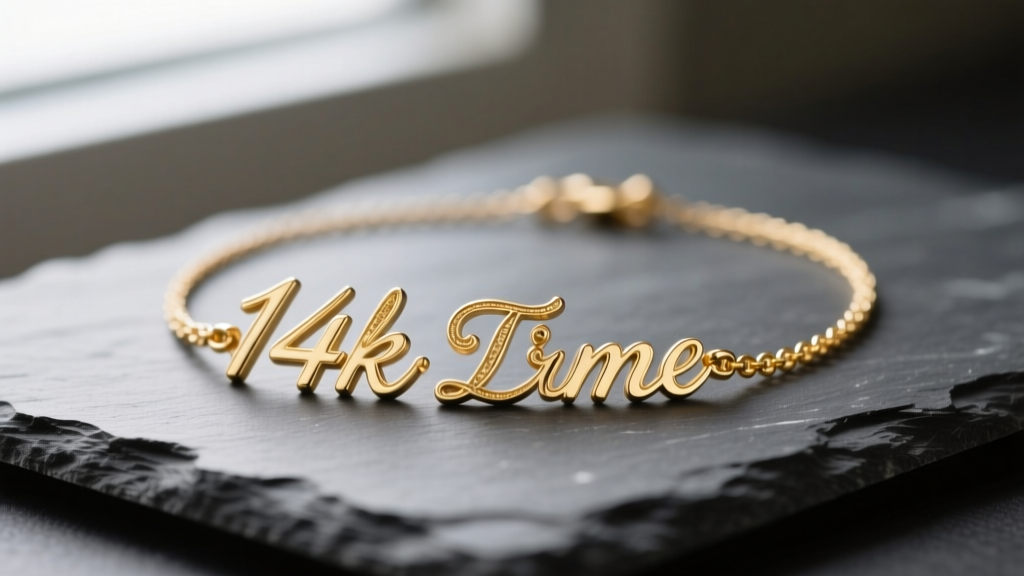
Custom jewelry carries a unique sentimental weight, and a two name necklace is often one of the most deeply personal pieces in a collection. Whether it commemorates a partnership, honors two children, or celebrates a dual heritage, the intricate typography and custom fabrication of these pieces require specialized maintenance. Unlike standard stamped pendants, custom script jewelry features complex geometry, tight kerfs (the narrow gaps between letters), and multiple solder joints that are highly susceptible to trapping sebum, cosmetic residues, and environmental pollutants.
As we navigate the jewelry care landscape in 2026, the rise of advanced plating techniques and PVD (Physical Vapor Deposition) coatings has changed how we approach maintenance. However, the fundamental metallurgy of gold, silver, and steel remains unchanged. According to the Gemological Institute of America (GIA), improper cleaning is the leading cause of premature wear in custom nameplate jewelry. This comprehensive guide provides actionable, metallurgically sound protocols to keep your custom piece pristine for decades.
The Unique Vulnerabilities of Custom Script Jewelry
Before applying any cleaning agent, it is crucial to understand the structural engineering of a two name necklace. These pieces are typically fabricated using either lost-wax casting or precision laser cutting. In laser-cut continuous script designs, the structural integrity relies entirely on the thinnest connection points between the cursive letters.
Furthermore, if your piece features two distinct nameplates joined by a central connector ring or a custom soldered bridge, these junction points endure significant lateral torque. When you clean the necklace, you must avoid applying bending pressure to these bridges. Tarnish and grime aggressively accumulate in the interior curves of the script font, requiring targeted agitation rather than broad, abrasive wiping.
Material-Specific Cleaning Protocols
The base metal and surface finish of your necklace dictate the exact chemical and mechanical cleaning methods you must use. Using the wrong protocol can strip plating or accelerate oxidation.
925 Sterling Silver and Rhodium Plating
Sterling silver is an alloy composed of 92.5% pure silver and 7.5% copper. It is the copper that reacts with atmospheric sulfur and moisture to form silver sulfide, commonly known as tarnish. If your two name necklace is rhodium-plated (a common practice to give silver a bright, white-gold appearance and delay tarnishing), you must avoid harsh chemical dips. Liquid silver cleaners often contain thiourea, which can degrade the rhodium layer over time, leaving the piece looking dull and patchy.
14k and 18k Gold Vermeil vs. Flash Plating
True gold vermeil requires a sterling silver base plated with a minimum of 2.5 microns of 10k, 14k, or 18k gold. Many mass-market custom necklaces, however, utilize 'flash plating,' which deposits a mere 0.1 to 0.5 microns of gold over brass or copper. Jewelers of America explicitly warns against using ultrasonic cleaners on any plated jewelry. The high-frequency cavitation bubbles generated by ultrasonic waves will literally blast the microscopic gold layer off the edges and high-friction curves of your nameplate. For vermeil, stick strictly to manual, gentle washing.
316L Surgical Stainless Steel
316L stainless steel is highly resilient due to the addition of molybdenum, which prevents pitting and corrosion from chlorides (like sweat and swimming pool water). While it will not tarnish like silver, it can accumulate a cloudy film of dead skin cells and lotions, dulling its mirror finish. Steel can tolerate more aggressive mechanical polishing, but you should still avoid chlorine-based cleaners, which can compromise the passive oxide layer that protects the steel from rust.
Step-by-Step Deep Cleaning Routine
For routine maintenance of gold vermeil, sterling silver, and stainless steel two name necklaces, follow this precise, non-destructive cleaning protocol:
- Preparation: Line a small glass bowl with a soft microfiber cloth. This prevents the pendant from scratching against the hard glass bottom if it slips from your fingers.
- Solution Mixing: Add a few drops of phosphate-free, mild dish soap (such as original Dawn) to warm distilled water. Avoid tap water, as the dissolved calcium and magnesium can leave hard water spots in the tight loops of the script letters.
- Targeted Soaking: Submerge the necklace for exactly 3 to 5 minutes. Do not exceed this time, especially for plated pieces, to prevent moisture from seeping into microscopic pores in the metal.
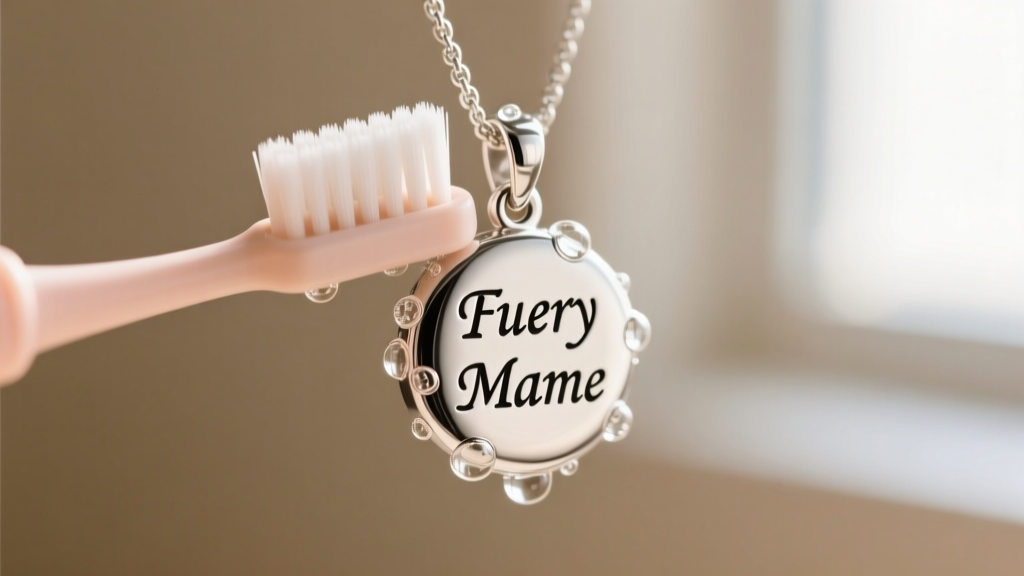
- Kerf Agitation: Using an extra-soft baby toothbrush, gently brush the interior curves and tight kerfs of the letters. Always brush in the direction of the script flow to avoid bending delicate connecting loops.
- Rinsing and Drying: Rinse thoroughly under a gentle stream of distilled water. Immediately pat dry with a lint-free microfiber cloth. Never air-dry custom jewelry, as water evaporation will leave mineral deposits.
Preventative Maintenance and Storage Matrices
How you store your two name necklace is just as critical as how you clean it. Custom script necklaces are notorious for tangling due to their irregular shapes and protruding letter loops. Tangling leads to chain kinks and stress on the solder joints.
| Material Type | Ideal Storage Environment | Anti-Tarnish Requirement | Polishing Tool |
|---|---|---|---|
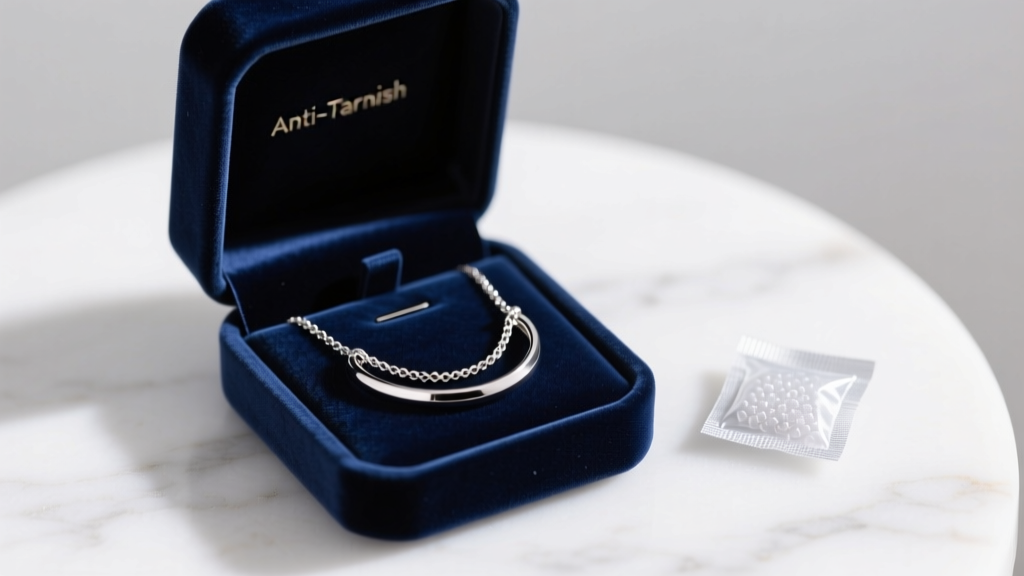
| 925 Sterling Silver | Airtight zip-lock bag, laid flat | 3M Anti-Tarnish strips or Pacific Silvercloth | Treated silver polishing cloth |
| Gold Vermeil | Individual soft velvet pouch | Low humidity (silica gel packet) | Untreated microfiber cloth only |
| 316L Stainless Steel | Standard jewelry box compartment | None strictly required | Cape Cod metal polishing cloth |
Never store multiple custom name necklaces in the same compartment. The sharp edges of laser-cut script letters will easily scratch the high-polish finish of adjacent chains and pendants.
Always fasten the lobster clasp before storing to prevent the chain from threading through the custom nameplate loops. For added protection against oxidation, keep a small silica gel desiccant packet in your jewelry box to control ambient humidity, which is a primary catalyst for silver sulfide formation.
When to Seek Professional Jeweler Intervention
While home maintenance is sufficient for surface grime and mild tarnish, certain issues require the expertise of a master jeweler. If you notice any of the following failure modes, cease wearing the piece immediately and seek professional repair:
- Compromised Solder Joints: If the bridge connecting the two names feels loose, or if you hear a faint clicking sound when the pendant moves, the solder has likely fractured. A jeweler will use laser soldering to repair the joint without applying the broad heat of a traditional torch, which could melt the delicate script edges or scorch the gold plating.
- Jump Ring Distortion: The oval jump rings connecting the chain to the nameplate are high-stress points. If they have pulled open laterally, a jeweler must replace them with heavy-duty, soldered jump rings to prevent the pendant from snapping off and being lost.
- Rhodium or Gold Depletion: If the high-contact edges of your sterling silver or vermeil necklace have turned brassy or dark, the plating has worn through to the base metal. A professional can polish the piece and apply a fresh layer of rhodium or gold electroplating, restoring it to factory condition.
By understanding the metallurgical realities of your jewelry and adhering to these targeted cleaning protocols, your two name necklace will remain a brilliant, structurally sound testament to your personal story for a lifetime.


