The Ultimate Guide to Choosing a Knotted Beaded Necklace
Discover everything about knotted beaded necklaces. Learn about silk thread grades, bead spacing, and how to style and care for these timeless pieces.

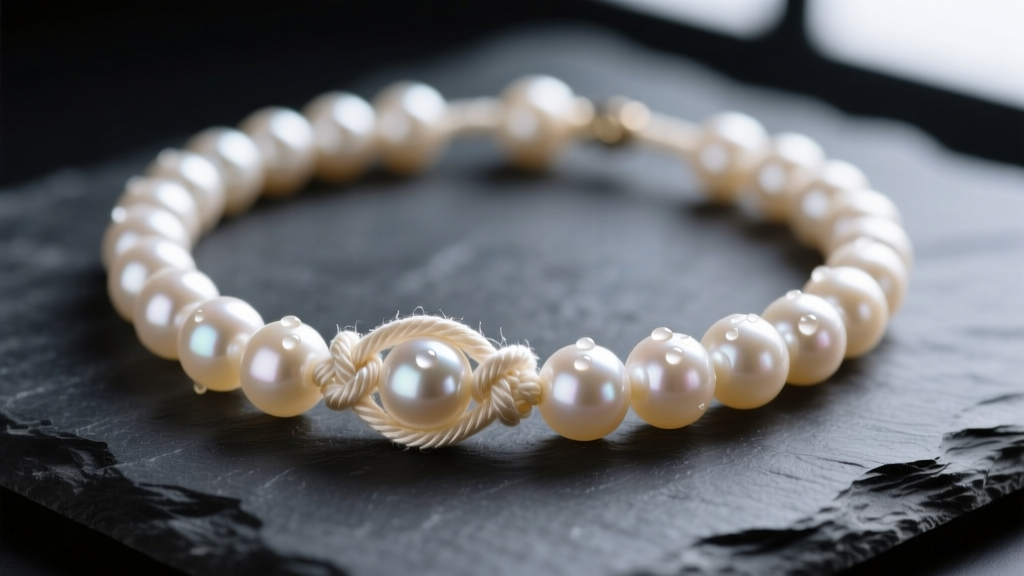
What Exactly is a Knotted Beaded Necklace?
A knotted beaded necklace is a strand of gemstones, pearls, or glass beads where a distinct knot is tied into the threading material between every single bead. While this technique is most famously associated with classic pearl strands, it is a critical construction method for a wide variety of high-end beaded jewelry. For beginners navigating the jewelry market, understanding the purpose of these knots is the first step in recognizing quality craftsmanship.
The primary function of knotting is threefold. First, it prevents bead-on-bead abrasion. Soft materials like pearls, amber, and turquoise can easily scratch or chip when they constantly rub against one another. Second, it provides structural security. If the strand snaps, the knots ensure that you lose only one or two beads rather than the entire necklace scattering across the floor. Finally, knotting dramatically improves the drape of the necklace, allowing it to flex and move fluidly against the collarbone rather than stiffly jutting outward.
The Anatomy of Quality: Thread, Beads, and Findings
Not all knotted beaded necklaces are created equal. The longevity and aesthetic appeal of the piece depend heavily on the materials hidden inside and between the beads. According to Rio Grande Jewelry Supply, professional jewelers rely on specific thread grades to ensure the knots hold their shape without degrading over time.
Thread Sizing and Material
Authentic high-end pieces typically use 100% natural silk thread, prized for its superior drape and traditional aesthetic. Silk thread is categorized by size numbers. For example, a Size 2 thread is 0.35mm thick, while a Size 8 is 0.60mm. The golden rule of stringing is that the thread should fill about 70% to 80% of the bead's drill hole. If a freshwater pearl has a 0.8mm drill hole, a Size 6 (0.50mm) or Size 8 (0.60mm) silk thread is ideal. Using a thread that is too thin will result in sloppy, loose knots that slip into the bead holes.
While nylon and synthetic threads offer higher tensile strength, they lack the luxurious drape of silk and can sometimes cut into softer gemstones over decades of wear. However, for heavy stone beads like large lapis lazuli or jade, a bonded nylon thread or flexible beading wire with specialized crimp covers may be substituted by modern artisans.
The Importance of French Wire
Also known as gimp or bullion, French wire is a microscopic coiled spring of precious metal (usually sterling silver or gold-filled) placed over the silk thread right before it attaches to the metal clasp. This is a hallmark of fine jewelry. The metal clasp ring will eventually saw through a bare silk thread due to friction; the French wire acts as a sacrificial metal shield, extending the life of the necklace by years.
Bead Materials That Demand Knotting
While you can knot any bead, certain materials absolutely require it to maintain their value and structural integrity. The Gemological Institute of America (GIA) emphasizes that organic gems are particularly vulnerable to environmental and physical damage, making the buffer of a silk knot essential.
| Bead Material | Hardness (Mohs) | Recommended Thread | Knotting Necessity |
|---|---|---|---|
| Akoya / South Sea Pearl | 2.5 - 4.5 | Griffin Silk Size 4-6 | Mandatory (Protects Nacre) |
| Freshwater Pearl | 2.5 - 4.5 | Griffin Silk Size 6-8 | Mandatory (Prevents Chipping) |
| Natural Amber | 2.0 - 2.5 | Silk or Soft Nylon | Mandatory (Extremely Soft) |
| Turquoise (Stabilized) | 5.0 - 6.0 | Nylon or Silk Size 8+ | Highly Recommended |
| Lapis Lazuli | 5.0 - 6.0 | Bonded Nylon / Silk | Recommended (Prevents Abrasion) |
| Glass / Crystal | 5.5 - 7.0 | Flexible Wire / Nylon | Optional (Often Spaced with Crimps) |
How to Spot a Well-Made Knotted Beaded Necklace
When shopping for a knotted beaded necklace, whether vintage or brand new, train your eye to look for the subtle signs of master craftsmanship. Mass-produced necklaces often use automated knotting machines or glue to secure the knots, which degrades quickly. Here is your checklist for evaluating quality:
- Flush Knots: The knot should sit perfectly flush against the bead. If you see gaps between the knot and the bead, the necklace was strung with too much slack or the thread is too thin for the drill hole.
- Consistent Tension: Run the necklace through your fingers. The flexibility should be uniform. Stiff sections indicate glued knots or uneven tensioning by the stringer.
- Color Matching: High-end stringers dye or select silk that perfectly matches the body color of the bead. A white silk knot between dark onyx beads is a sign of lazy or budget manufacturing.
- Clasp Integration: Look for the presence of French wire (the tiny metal coil) at the clasp. If bare silk loops directly through a metal jump ring, walk away—it will fray and break within months of regular wear.
Styling and Layering Your Knotted Pieces
The beauty of a knotted beaded necklace lies in its versatility. Because the knots give the strand a fluid, fabric-like drape, it moves beautifully with the body. Here is how to style them based on standard jewelry lengths:
The Princess Length (18 Inches)
This is the most common length, resting perfectly on the collarbone. An 18-inch knotted pearl or turquoise necklace is ideal for V-necklines and scoop necks. To modernize this classic look, layer it with a 16-inch delicate gold paperclip chain and a 20-inch minimalist pendant necklace. The contrast between the organic, textured beads and the sleek, modern metal creates a highly curated, contemporary stack.

The Matinee and Opera Lengths (20 to 36 Inches)
Matinee length (20-24 inches) falls at the center of the bust, making it perfect for business casual attire and turtlenecks. Opera length (28-36 inches) can be worn long and dramatic over a sweater dress, or doubled up to create a faux choker effect. When doubling an opera-length knotted strand, use a specialized necklace shortener or a simple silk ribbon tie to secure the loop without damaging the beads with a metal clasp.
Essential Care and Maintenance Rules
Silk is a natural protein fiber, which means it is highly susceptible to environmental damage. Proper care is non-negotiable if you want your knotted beaded necklace to last a lifetime. Jewelers of America recommends a strict regimen for organic gemstone care.
The 'Last On, First Off' Rule
Always put your knotted necklace on after applying perfume, hairspray, and cosmetics. The alcohol and chemicals in these products will break down the silk fibers and dull the luster of pearls and soft stones. When you return home, the necklace should be the first thing you take off.
Moisture and Stretching
Never wear a silk-knotted necklace in the shower, pool, or ocean. When silk gets wet, it stretches and weakens. If the thread stretches, the knots will shrink and pull away from the beads, creating unsightly gaps and compromising the structural integrity of the strand. If your necklace does get wet, lay it flat on a dry towel in its natural shape and let it air dry completely before storing.
When to Restring
Even with meticulous care, silk degrades over time. If you wear your necklace weekly, plan to have it professionally restrung every 12 to 18 months. If it is an occasional wear piece, restringing every 3 to 5 years is sufficient. Professional restringing typically costs between $3 and $8 per inch, depending on the complexity of the knots and the inclusion of French wire. Inspect the thread near the clasp every few months; if you see fraying or notice the beads sliding over the knots, it is time to visit a jeweler immediately.
Proper Storage
Never hang a knotted beaded necklace on a jewelry tree or hook. The constant pull of gravity will stretch the silk thread over time. Instead, store the necklace flat in a soft, anti-tarnish pouch or a dedicated jewelry box drawer, ensuring it is not tangled with harder gemstones or diamond pieces that could scratch the surface of the beads.


