Troubleshooting an Antique Lariat Necklace: Repair & Care
Learn how to troubleshoot, repair, and restore an antique lariat necklace. Expert tips on fixing fragile chains, clasps, and preserving patina.

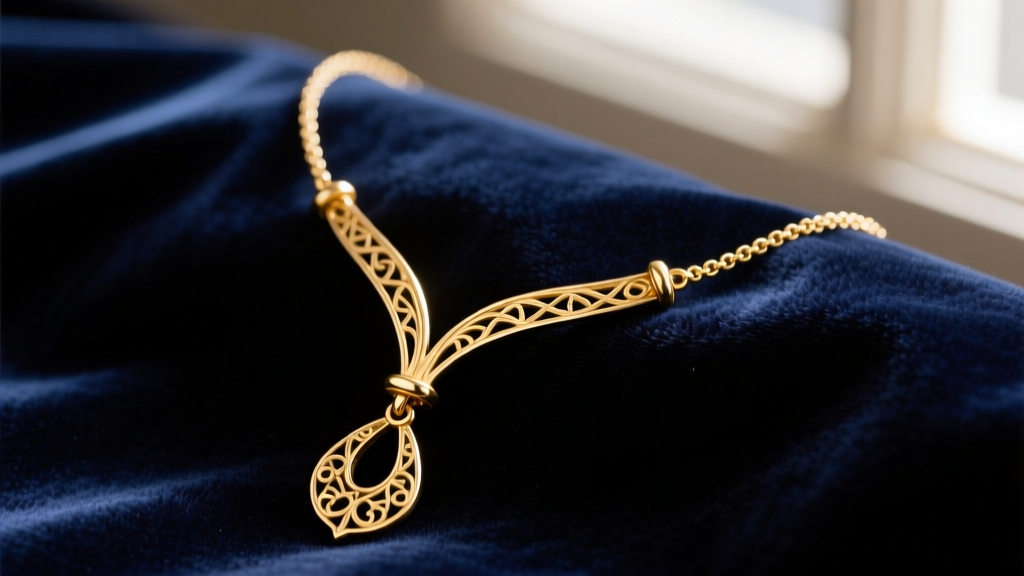
The Structural Vulnerability of the Y-Drop
Owning an antique lariat necklace is a privilege, but it comes with distinct structural challenges. Unlike standard continuous chains, the lariat’s defining feature—the Y-drop slide—creates a localized friction bottleneck. When you wear a lariat, the slide bears the kinetic friction of two chain segments moving against each other, combined with the gravitational pull of the dangling drop. In pieces dating back to the Victorian (1837-1901) and Edwardian (1901-1915) eras, this friction point is often the first to fail. Understanding the metallurgy and mechanics of your specific piece is the first step in effective troubleshooting and long-term preservation.
Diagnosing and Repairing Chain Snaps
When an antique lariat necklace breaks, it rarely happens at random. The failure point is almost always within two inches of the Y-slide or the clasp. Before attempting any repair, you must identify the chain's material composition, as this dictates the repair methodology.
Solid Karat Gold vs. Gold-Filled (Rolled Gold)
Many late 19th-century lariats were crafted using gold-filled (historically termed 'rolled gold') cable or rope chains to make them affordable. Gold-filled chains feature a thin outer layer of 10k or 12k gold mechanically bonded to a brass core. If you attempt to repair a gold-filled chain using a traditional jeweler's torch and standard gold solder, the intense heat will cause the brass core to expand rapidly, resulting in blistering, melting, and irreversible damage to the link.
- Torch Soldering: Only suitable for solid 9k, 10k, 14k, or 18k gold chains. A master jeweler will use 'hard' or 'medium' grade solder to match the karat and color, ensuring the repaired link retains at least 80% of its original tensile strength.
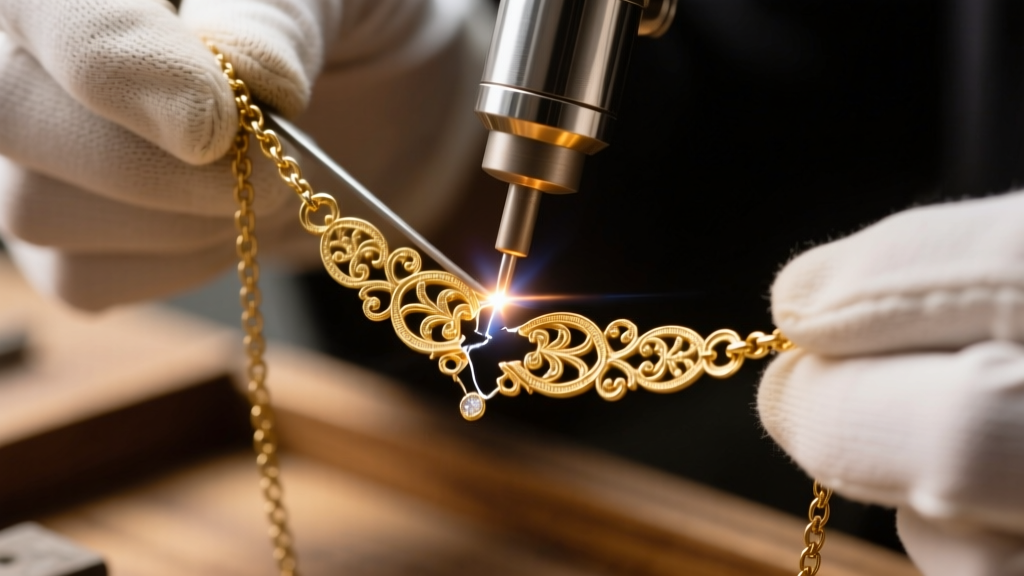
- Laser Welding: The mandatory repair method for gold-filled, hollow-core, or heavily oxidized antique chains. Laser welding uses pinpoint light energy to fuse metal without heating the surrounding links, preventing brass blistering and preserving the antique patina. Expect to pay between $65 and $120 per laser-welded link.
Clasp and Slide Hardware Failures
The hardware on an antique lariat necklace often requires upgrading for modern wearability, but doing so incorrectly can destroy the piece's historical value and structural integrity. Below is a troubleshooting matrix for common hardware failures.
| Hardware Component | Common Failure Mode | Troubleshooting & Repair Solution |
|---|---|---|
| Antique Spring Ring | Internal spring fatigue; fails to snap shut securely. | Replace with a modern 14k lobster clasp. Do not attempt to re-tension antique springs, as the metal is often brittle and will snap. |
| Y-Drop Slide (O-Ring) | Inner groove wears down, causing the chain to slip out or fray. | Have a jeweler re-line the inner groove with a hardening resin or replace the slide with a custom-cast 14k gold replica matching the original silhouette. |
| Hook and Eye Clasp | The 'eye' ring pulls open under the weight of the lariat drop. | Solder the eye ring shut completely and attach a small 14k jump ring to the hook to ensure a secure, closed loop. |
The Patina Preservation Protocol
One of the most frequent mistakes owners make when troubleshooting a tarnished antique lariat necklace is using modern chemical dips. The dark oxidation in the crevices of an Edwardian silver or low-karat gold lariat is not 'dirt'—it is a historical record of the piece's age and a deliberate aesthetic choice made by the original artisan to highlight repoussé or engraving work.
The Baking Soda and Thiourea Mistake
Never use baking soda pastes or thiourea-based commercial silver dips (like Tarn-X) on antique jewelry. Baking soda is highly abrasive and will micro-scratch soft Victorian gold. Thiourea strips all oxidation instantly, leaving the piece with a flat, stark white appearance that immediately flags it as 'over-cleaned' to collectors and appraisers, potentially reducing its market value by up to 30%.
Safe Cleaning for Porous Antique Gemstones
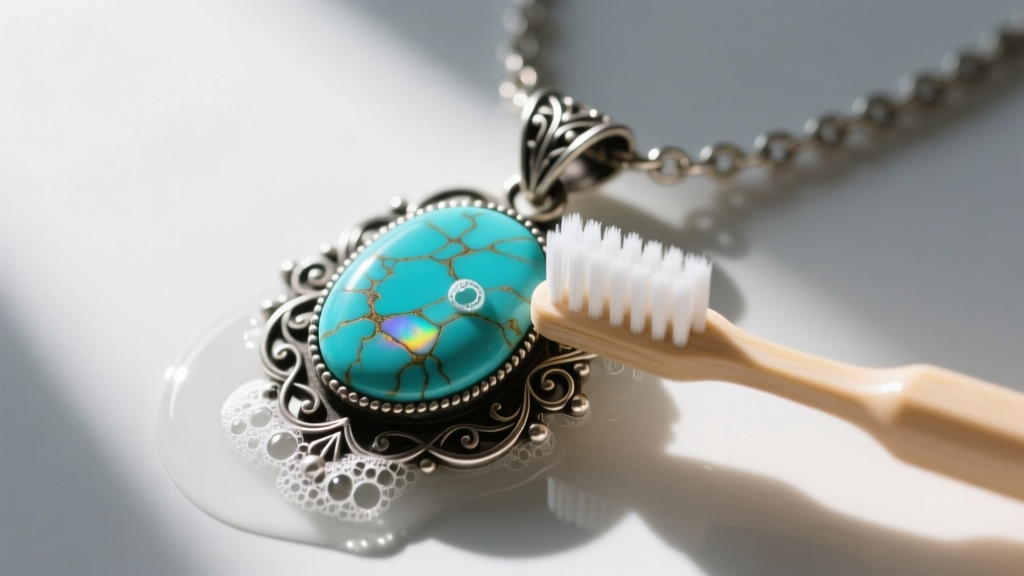
Many antique lariats feature drop pendants set with porous stones like turquoise, coral, or opals. According to the Gemological Institute of America (GIA), porous stones can absorb liquids, leading to internal cracking or color alteration. To clean the metal chain without harming the stone:
- Use a mild, phosphate-free dish soap (like original Dawn) mixed with distilled water.
- Dip a soft baby toothbrush into the solution and gently agitate only the metal links.
- Avoid submerging the pendant entirely. Wipe the gemstone with a barely damp microfiber cloth.
- Pat dry immediately; never let water air-dry in the crevices of the slide mechanism.
Authenticating Hallmarks and Maker's Marks
When troubleshooting the provenance or insurance valuation of your lariat, locating the hallmark is critical. Because lariats consist of multiple segments (the main chain, the drop chain, and the slide), hallmarks are often hidden in obscure places. Check the inside of the Y-slide, the very last link before the clasp, or the bale of the pendant drop.
Expert Insight: If your lariat features a French Eagle's Head mark, it guarantees the gold is at least 18k and was assayed post-1838. However, if the mark is heavily worn, you must rely on acid testing or X-ray fluorescence (XRF) spectrometry, as antique French solder joints often used lower-karat alloys that can skew standard electronic gold testers.
For a comprehensive breakdown of international marks, the Lang Antiques Antique Jewelry University provides an invaluable database of maker's marks and assay office symbols, such as the British Anchor for Birmingham or the Leopard's Head for London. Cross-referencing your piece's marks with these archives can help you date the lariat to a specific decade, which is vital for sourcing historically accurate replacement links if a repair is necessary.
When to Consult a Master Jeweler
While minor tangles and surface dust can be managed at home, you must seek professional intervention for specific red flags. If you notice 'chain stretch'—where the oval links have elongated into oblong shapes due to the weight of the lariat drop—the structural integrity of the entire necklace is compromised. A master jeweler specializing in antique restoration can selectively replace the stretched links or re-weave the chain. Furthermore, the Victoria and Albert Museum (V&A) strongly advises against DIY ultrasonic cleaning for any antique jewelry, as the high-frequency vibrations can shatter old mine-cut diamonds and fracture fragile enamel work often found on lariat slides. Treat your antique lariat not just as an accessory, but as a wearable artifact requiring specialized conservation.


