Lauren Rubinski Necklace Materials: Solid Gold vs Vermeil Guide
Explore the metallurgical properties of a Lauren Rubinski necklace. We compare solid 14k/18k gold, diamond grades, and vermeil alternatives.

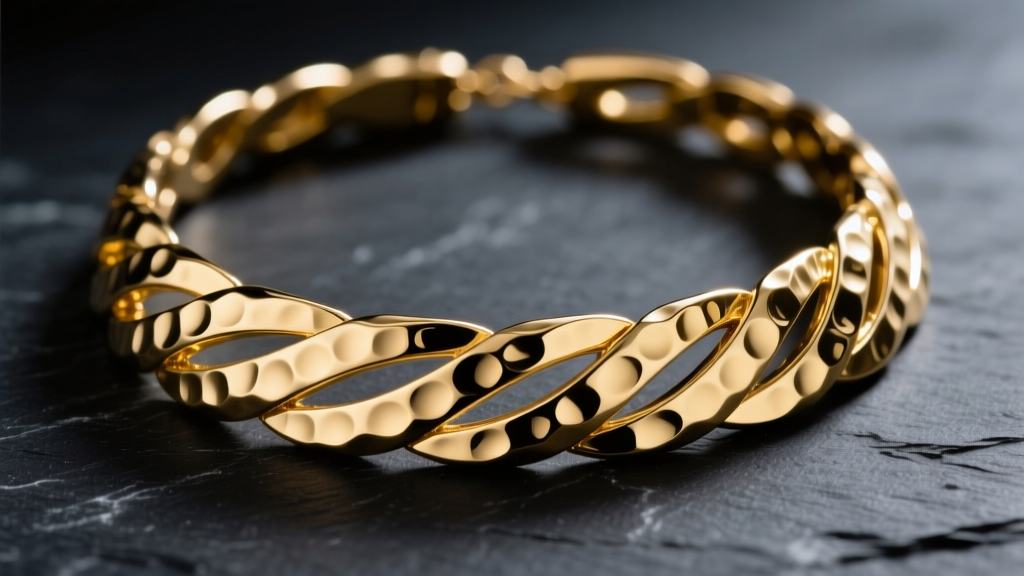
In the contemporary fine jewelry landscape, the shift toward enduring, heirloom-quality pieces has never been more pronounced. As consumers in 2026 increasingly reject disposable plated fashion, the Lauren Rubinski necklace has emerged as a benchmark for vintage-inspired design married to rigorous material standards. Known for her hand-hammered textures, intricate link chains, and antique diamond accents, Rubinski’s work relies heavily on the intrinsic properties of solid gold and carefully sourced gemstones.
But what exactly separates the metallurgical reality of a solid gold Lauren Rubinski piece from the heavily marketed gold vermeil or gold-filled alternatives saturating the digital market? To understand the true value proposition, we must look past the aesthetic and examine the material science, alloy compositions, and structural longevity that define her collections.
The Metallurgy of a Lauren Rubinski Necklace: Solid Gold Alloys
The foundation of any fine jewelry piece is its base alloy. Pure 24k gold is too soft for daily wear, possessing a Vickers hardness (HV) of merely 25-30, making it highly susceptible to deformation. To achieve the structural integrity required for Rubinski’s signature hammered links and textured pendants, her pieces are predominantly crafted in solid 14k and 18k gold. According to the Gemological Institute of America (GIA), the specific alloy mixtures drastically alter both the color profile and the tensile strength of the final piece.
14k Gold: The Workhorse of Textured Chains
Comprising 58.3% pure gold, 14k gold is alloyed with metals like copper, silver, and zinc. In the context of a Lauren Rubinski chain necklace, 14k gold is often the preferred choice for structural components. The higher copper content not only imparts a warm, vintage-leaning yellow hue but also increases the Vickers hardness to approximately 120-150 HV. This hardness is critical for work-hardening—the metallurgical process where metal becomes stronger and more brittle as it is physically hammered and shaped. The distinct dents and textures on her chains hold their shape indefinitely in 14k gold, resisting the flattening that occurs in softer alloys.
18k Gold: Richness for Pendants and Settings
Containing 75% pure gold, 18k gold offers a deeper, richer saturation but drops to a softer 90-110 HV. Rubinski frequently utilizes 18k gold for pendant bezels and intricate setting work where extreme malleability is required to secure delicate antique diamonds without stressing the stone's girdle.
Gemstone Grades and Enamel Techniques
Beyond the gold, the material properties of the accent stones and decorative elements dictate the piece's light return and aging process. Rubinski’s aesthetic leans heavily into the romantic, slightly imperfect charm of antique jewelry.
- Diamond Clarity and Color: Rather than chasing the sterile perfection of D-color, Flawless diamonds, Rubinski typically sources diamonds in the G-H color range with SI1-SI2 clarity. This intentional choice ensures the stones possess a "warm" sparkle that complements yellow gold. Furthermore, she frequently employs rose-cut and old mine-cut diamonds. These antique cuts feature larger, broader facets that emit a softer, more diffused scintillation compared to the aggressive brilliance of modern round brilliants.
- Vitreous vs. Cold Enamel: In pieces featuring colored accents, the distinction between vitreous (glass) enamel and cold (epoxy) enamel is stark. Vitreous enamel is fired at temperatures exceeding 800°C, fusing the glass to the gold substrate. It is highly resistant to UV degradation and chemical solvents. Cold enamel, commonly used in lower-tier market alternatives, is essentially painted resin that will yellow, chip, and degrade within a few years of skin contact and UV exposure.
Market Comparison: Solid Gold vs. Plated Alternatives
To contextualize the investment of a Lauren Rubinski necklace, it is vital to compare its material properties against the most common market alternatives. The Federal Trade Commission (FTC) strictly regulates jewelry labeling, yet consumer confusion between solid, filled, and plated gold remains rampant.
| Material Type | Gold Layer / Composition | Base Metal | Tarnish & Wear Resistance | Expected Lifespan | Avg. Price Range (Pendants) |
|---|---|---|---|---|---|
| Lauren Rubinski (Solid 14k/18k) | 100% Solid Gold Alloy | None (Homogenous) | Impervious to flaking; can be polished indefinitely. | Multi-generational (100+ years) | $800 - $4,500+ |
| Heavy Gold Vermeil | Minimum 2.5 microns of gold | Sterling Silver (925) | High initially; silver base will oxidize if gold layer breaches. | 3 - 10 years (with careful wear) | $150 - $400 |
| Gold-Filled (1/20 14k) | 5% gold by weight (mechanically bonded) | Jeweler's Brass | Excellent; thick layer resists daily friction well. | 15 - 30 years | $100 - $300 |
| Gold Plated (Flash) | Less than 0.5 microns | Brass or Copper | Poor; base metal reacts with skin acids, causing rapid tarnish. | 6 months - 2 years | $30 - $90 |
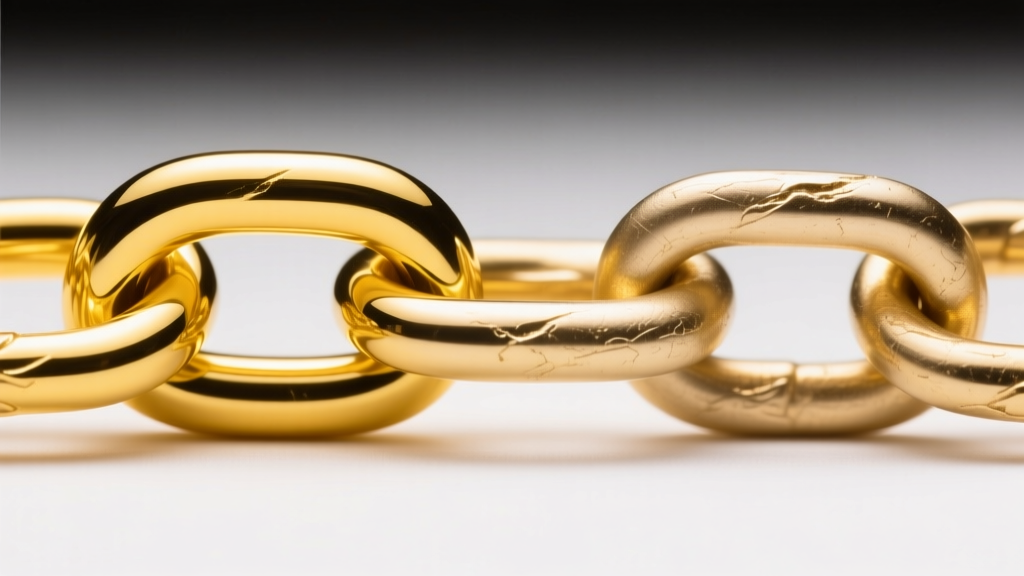
While high-end vermeil offers a lower entry price, the friction points on a necklace—specifically the clasp, the jump rings, and the back of the pendant where it rests against the collarbone—will inevitably wear through a 2.5-micron gold layer. A solid gold Lauren Rubinski necklace eliminates this failure mode entirely; the color is homogenous throughout the entire cross-section of the metal.
Structural Integrity: Clasps, Links, and Work-Hardening
A necklace is only as durable as its weakest mechanical point. In mass-market jewelry, spring-ring clasps and thin, machine-stamped jump rings are common failure points. The structural engineering of a Lauren Rubinski necklace prioritizes mechanical resilience.
Her chains often feature custom-cast or hand-soldered links. By soldering links closed rather than relying on tension, the risk of a link pulling apart under the weight of a heavy diamond pendant is virtually eliminated. Furthermore, the use of solid gold lobster clasps ensures that the internal spring mechanism is not prone to the catastrophic rusting or seizing that occurs when base-metal springs are hidden inside gold-plated brass casings.

Patina, Maintenance, and Long-Term Value
One of the most misunderstood material properties in vintage-inspired jewelry is patina. Because Rubinski’s designs emulate antique artifacts, the micro-scratches and slight softening of the hammered edges that occur over years of wear are not considered "damage"; they are a desired evolution of the piece.
In high-polish gold vermeil, a single scratch reveals the white sterling silver beneath, creating a glaring visual defect. In a solid 14k or 18k Lauren Rubinski necklace, a scratch simply displaces the gold. The textured, matte, or satin finishes she employs are incredibly forgiving, naturally masking the micro-abrasions of daily life. Should the owner wish to restore the original luster, a professional jeweler can lightly polish the piece without the fear of stripping away a microscopic gold layer.
Final Verdict on Material Investment
When evaluating a Lauren Rubinski necklace through the lens of material science, the premium pricing is directly correlated to metallurgical permanence and structural engineering. The use of work-hardened 14k solid gold ensures that the brand's signature hammered textures survive decades of friction, while the intentional selection of G-H color, rose-cut diamonds provides an optical warmth that modern, sterile diamond grades cannot replicate.
For the collector or daily wearer who views jewelry as an enduring asset rather than a seasonal accessory, the transition from plated alternatives to solid gold is not merely an aesthetic upgrade—it is a fundamental shift in material longevity. As detailed in the official Lauren Rubinski archives, the commitment to solid alloys ensures that these pieces are not just worn, but ultimately passed down, retaining both their structural integrity and their distinct, romantic character for generations.


