The Ultimate 2026 Guide to Meaningful Birthday Necklaces
Discover the best birthday necklaces for 2026. Our expert gift guide covers birthstones, zodiac pendants, chain styles, and pricing for every milestone.

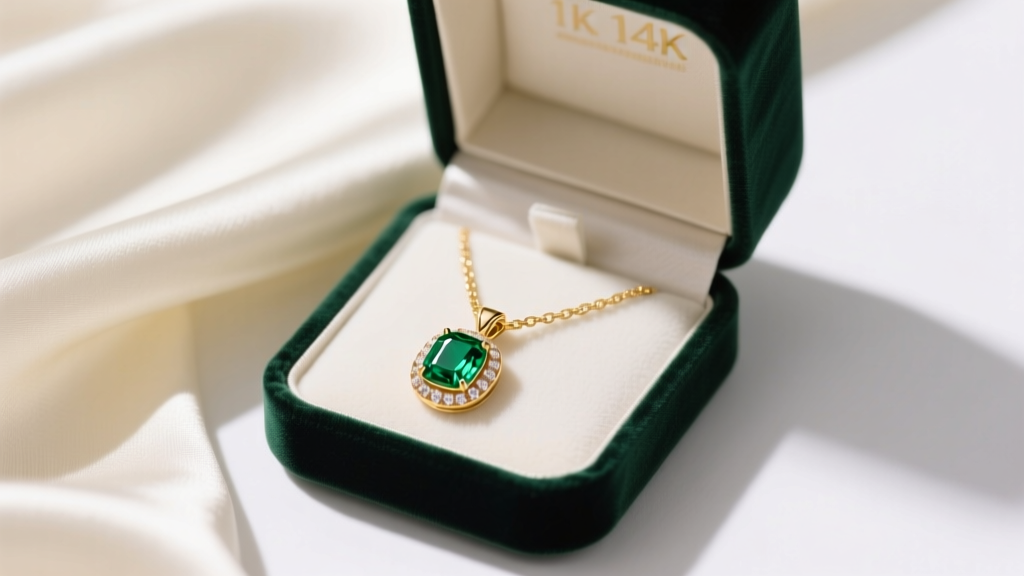
The Psychology of Personalized Jewelry Gifting
Gifting jewelry is an exercise in emotional translation. When it comes to birthday necklaces, the objective shifts from merely providing an accessory to delivering a deeply personal artifact. Behavioral economists refer to the 'endowment effect'—the psychological principle where people ascribe higher value to items they feel a personal connection to. A generic diamond solitaire is beautiful, but a bezel-set peridot pendant (for an August birthday) layered with an initial disk creates a narrative. In 2026, the trend has moved decisively away from mass-produced, logo-heavy pieces toward hyper-personalized, story-driven jewelry. According to Jewelers of America, personalized birthstone and zodiac pendants have seen a 34% year-over-year increase in consumer demand, driven by a desire for meaningful, everyday wearability over vault-stored statement pieces.
Decoding Birthstones: Durability and Daily Wear
Not all birthstones are created equal, especially when intended for daily wear. The Gemological Institute of America (GIA) categorizes gemstones using the Mohs scale of mineral hardness. A necklace worn daily is subjected to micro-abrasions, accidental impacts, and environmental stressors. Gifting a soft stone without proper protective settings is a recipe for heartbreak.
For instance, October's traditional opal (Mohs 5.5-6.5) contains up to 20% water, making it highly susceptible to 'crazing' (cracking) when exposed to dry heat or sudden temperature changes. If your recipient is an October baby who works with their hands, opt for a bezel-set tourmaline (Mohs 7-7.5) or a lab-created white sapphire (Mohs 9) instead. Conversely, March's aquamarine (Mohs 7.5-8) and April's diamond (Mohs 10) are exceptionally resilient and can be safely set in delicate prong settings.
Birthstone Durability Matrix for Daily Wear
| Month | Traditional Stone | Mohs Hardness | Recommended Setting | Daily Wear Rating |
|---|---|---|---|---|
| February | Amethyst | 7.0 | Bezel or Halo | Good |
| April | Diamond | 10.0 | Prong or Tension | Excellent |
| June | Pearl | 2.5 - 4.5 | Closed Bezel / Pendant | Poor (Requires Care) |
| September | Sapphire | 9.0 | Prong or Bezel | Excellent |
| November | Citrine | 7.0 | Bezel or Channel | Good |
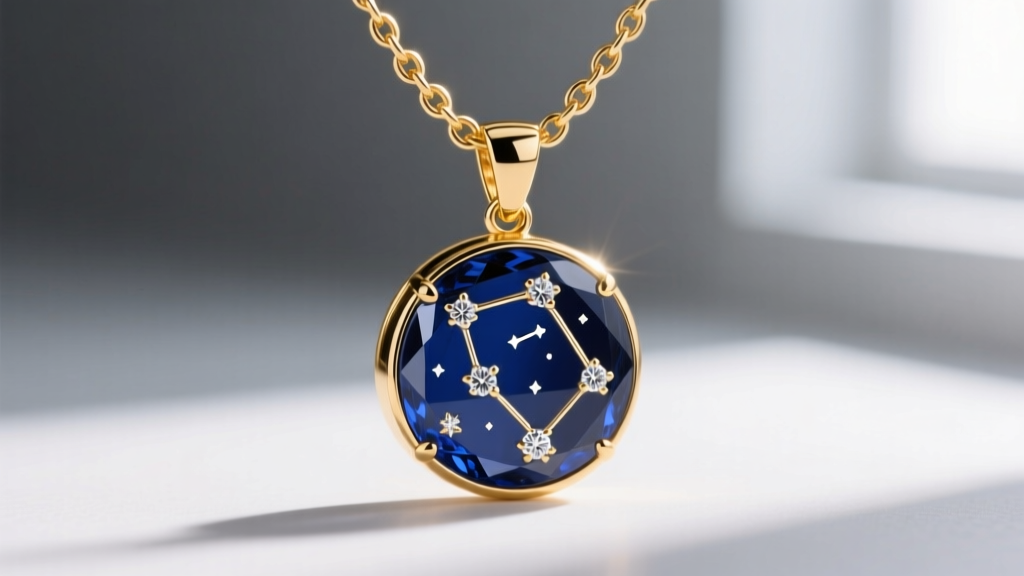
Chain Architecture: Selecting the Right Foundation
The pendant is the focal point, but the chain is the structural foundation. A common gifting mistake is pairing a heavy, solid gold pendant with a flimsy, hollow chain, leading to inevitable breakage. When selecting birthday necklaces, pay strict attention to chain gauge, link structure, and clasp mechanics.
- Cable Chains (0.9mm - 1.2mm): The classic choice. Uniform oval links. Best for lightweight pendants (under 3 grams). They are prone to kinking if slept in.
- Box Chains (1.2mm - 1.5mm): Composed of square links that create a smooth, continuous surface. Highly resistant to kinking and offers superior tensile strength. Ideal for medium-weight birthstone pendants.
- Rope Chains (1.5mm - 2.0mm): Twisted links that mimic a rope. They reflect light brilliantly and are incredibly durable, making them perfect for heavy zodiac medallions or solid gold initial tags.
Clasp Mechanics: Always inspect the clasp. Spring ring clasps are inexpensive but difficult to operate and prone to internal spring failure. Upgrade to a lobster claw clasp for chains under 2.0mm, or a box clasp with a figure-eight safety latch for heavier, premium chains.
Milestone Matching: Age-Specific Recommendations
The significance of a birthday shifts as we age, and the jewelry should reflect the milestone. Here is a strategic framework for matching the necklace to the life stage.
Sweet Sixteen to 21st: The Identity Phase
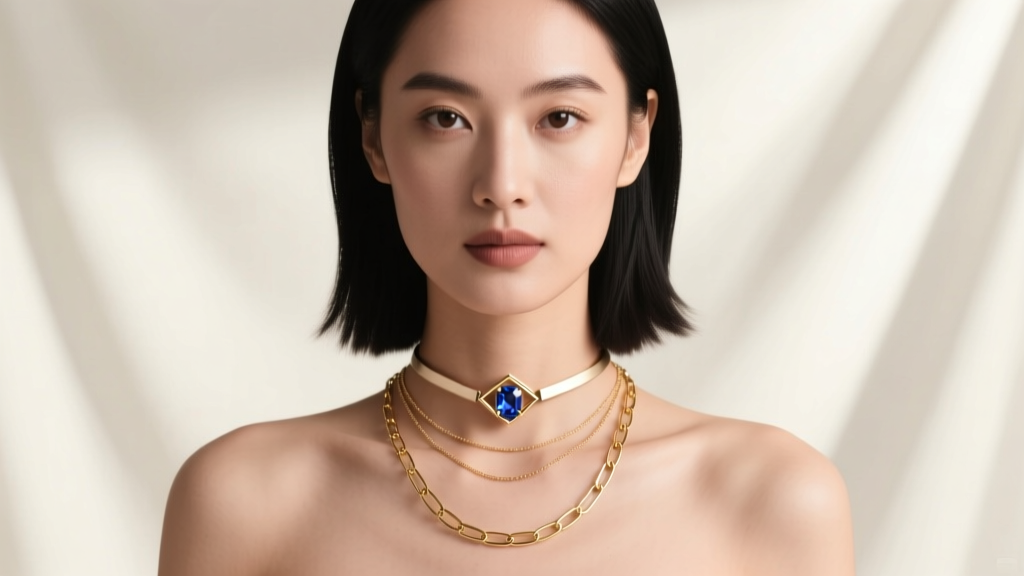
At this age, jewelry is about self-expression and trend alignment. Opt for 14k gold-filled or solid 10k/14k gold pieces that won't break a budget but offer longevity. Recommendation: A layered set featuring a 16-inch solid gold choker and an 18-inch birthstone initial pendant. Budget: $150 - $400.
The 30th and 40th Milestones: Refined Elegance
These decades mark a shift toward curated, high-quality capsule wardrobes. The recipient likely prefers subtle luxury over overt trends. Recommendation: An 18k solid gold paperclip chain (1.8mm) with a bezel-set, ethically sourced diamond or high-grade sapphire birthstone slide pendant. Budget: $800 - $2,500.
The 50th and Beyond: Heirloom Status
Half-century milestones demand permanence. This is the territory of platinum and high-carat gemstones. Recommendation: A PT950 platinum necklace featuring a vintage-cut aquamarine or emerald surrounded by a micro-pavé diamond halo, designed to be passed down as a family heirloom. Budget: $3,000+.
Metallurgy and Skin Sensitivities: A Buyer's Checklist
A beautiful necklace is useless if it causes contact dermatitis. According to the GIA Gold Guide, pure 24k gold is too soft for jewelry, so it is alloyed with other metals. It is these secondary metals that often trigger allergic reactions.
Nickel Allergies: Nickel is a common hardening agent in white gold. If your recipient has sensitive skin, avoid standard white gold unless it is heavily rhodium-plated, and even then, the plating will eventually wear off, exposing the nickel underneath. Instead, opt for Platinum (PT950) or Palladium, which are naturally white and hypoallergenic.
Rose Gold Composition: The pink hue of rose gold comes from a high copper content. While copper allergies are rarer than nickel allergies, they do exist. 14k rose gold typically contains 58.5% gold, 22.25% copper, and 19.25% silver. If the recipient has known copper sensitivities, stick to yellow gold, which relies on a balanced silver/copper alloy, or pure platinum.
Expert Verdict: Where to Invest Your Budget
When buying birthday necklaces, allocate your budget toward the metal and the gemstone cut rather than the brand name. A well-cut, inclusion-free (VVS/VS clarity) 4mm sapphire set in a solid 14k gold bezel will outlast and outshine a heavily marked-up, mass-produced designer piece made with hollow gold and opaque, heavily included stones. Always request a gemological certificate for any birthstone pendant priced over $1,000, and ensure the retailer offers a clear policy on chain repairs and clasp replacements. By focusing on structural integrity, material science, and personal narrative, you transform a simple birthday gift into a lifelong talisman.


