Snake Chain Necklace Silver: 2026 Budget & Value Assessment
Assess the true value of a snake chain necklace silver in 2026. Compare 925 sterling vs plated pricing, durability, and repair costs.

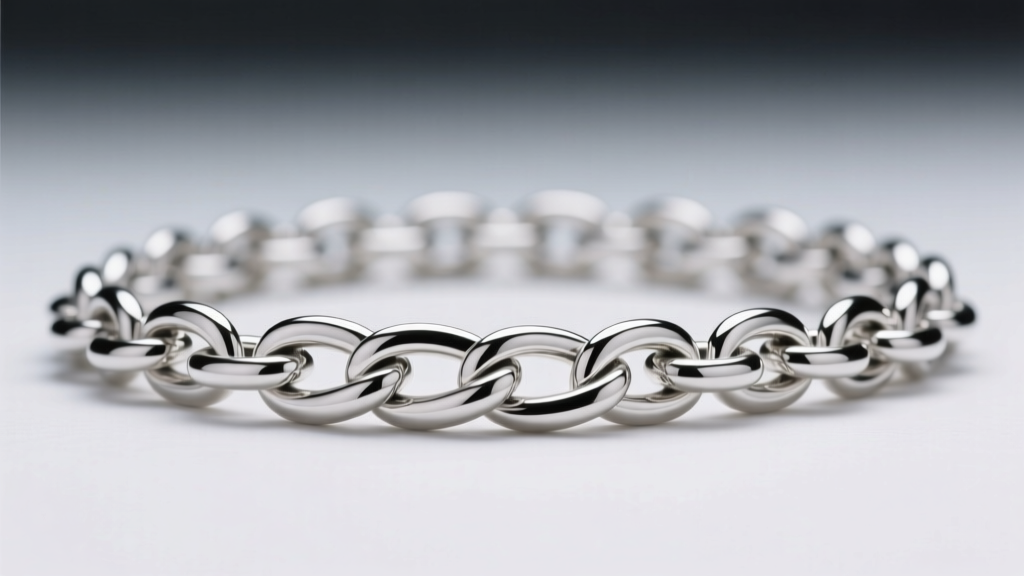
The fluid, liquid-metal aesthetic of a snake chain necklace silver design remains one of the most sought-after looks in modern jewelry. Unlike traditional cable or curb chains, snake chains offer a seamless, tubular silhouette that catches the light beautifully and provides an elegant backdrop for pendants. However, beneath this sleek exterior lies a complex structural reality that directly impacts your wallet. As we navigate the jewelry market in 2026, understanding the true cost of ownership, material integrity, and repair realities of silver snake chains is essential for making a smart investment.
This comprehensive value assessment breaks down the engineering, material grades, and hidden costs associated with silver snake chains, helping you determine whether this specific chain style aligns with your budget and lifestyle.
The Engineering and Failure Points of Snake Chains
To assess value, you must first understand how a snake chain is constructed. Unlike link chains where individual oval or round rings are interlocked and soldered, a snake chain is formed by tightly winding S-shaped or slightly curved metal rings onto a central core or directly into each other. This creates a continuous, flexible tube with no visible gaps.
While visually stunning, this engineering creates a distinct vulnerability: kinking. Because the links are tightly packed and rely on friction and tension rather than soldered joints, bending the chain sharply in the wrong direction causes the links to crush against one another. Once a snake chain kinks, the metal undergoes 'work hardening.' The structural integrity of that specific section is permanently compromised, creating a weak point that will inevitably snap under the weight of a pendant or the tension of daily wear.
Gauge Thickness and Pendant Weight Limits
When budgeting for a snake chain, thickness (measured in millimeters) dictates both the price and the functional value. Buying a chain too thin for your pendant is a common budget mistake that leads to premature breakage.
- 0.8mm - 1.0mm: Highly delicate. Best for lightweight pendants under 5 grams. Prone to kinking if stored improperly.
- 1.2mm - 1.5mm: The 'sweet spot' for everyday wear. Can comfortably support pendants weighing between 10 to 20 grams while maintaining a sleek profile.
- 2.0mm - 3.0mm: Heavy-duty and highly durable. Ideal for statement pieces and heavy gemstone pendants (30+ grams). Much more resistant to kinking due to the sheer volume of silver in the links.
Material Grades: 925 Sterling vs. Silver-Plated
The term 'silver' is frequently misused in fast-fashion jewelry. According to standards outlined by The Silver Institute, genuine sterling silver must contain at least 92.5% pure silver, alloyed with 7.5% copper or other metals for strength. When evaluating a snake chain necklace silver buyers must distinguish between solid sterling and plated alternatives, as their long-term value propositions are vastly different.
| Material Type | Core Metal | Plating Thickness | 2026 Price Range (18') | Lifespan & Tarnish Risk |
|---|---|---|---|---|
| Silver-Plated Brass | Brass/Copper | 0.1 - 0.5 microns | $15 - $35 | 1-2 years; High tarnish & flaking risk |
| Heavy Silver Electroplate | Brass | 2.0 - 3.0 microns | $30 - $55 | 3-5 years; Moderate tarnish risk |
| 925 Sterling Silver | Silver/Copper | Solid (Sometimes Rhodium flashed) | $45 - $90 | Lifetime; Tarnishes but can be polished |
| Rhodium-Plated 925 | Silver/Copper | 0.5 - 1.0 microns Rhodium | $60 - $120 | Lifetime; Highly tarnish-resistant |
From a strict budget perspective, silver-plated brass offers immediate savings. However, the friction of the snake chain links rubbing against each other accelerates the wear of the plating. Once the brass core is exposed on a snake chain, it cannot be easily re-plated without risking the structural tension of the links, rendering the piece disposable.
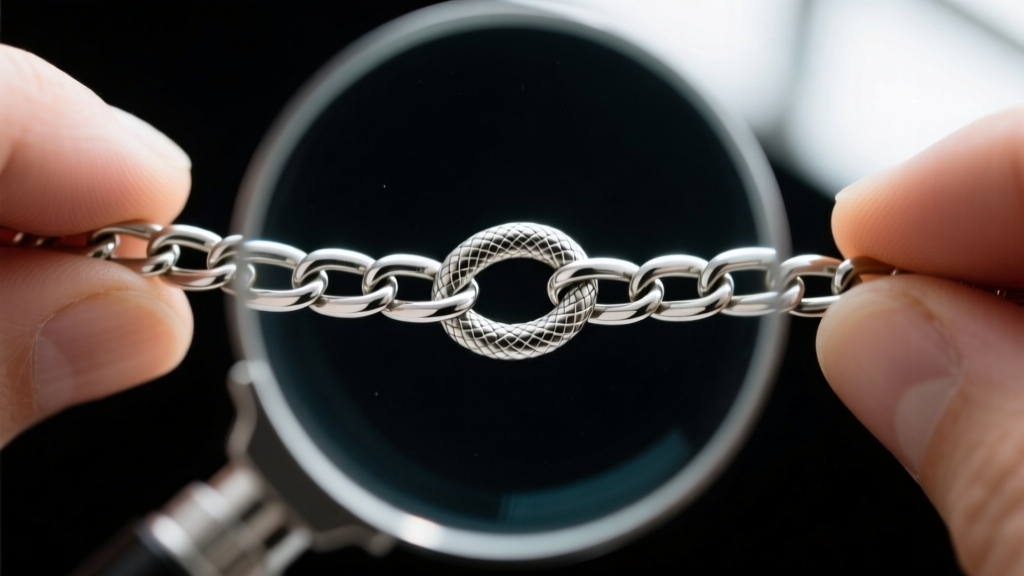
The Hidden Cost of Ownership: Repair Realities
The most critical factor in the value assessment of a silver snake chain is the cost of repair. When a standard cable chain breaks, a jeweler can easily add a new jump ring and solder it shut with a micro-torch for $15 to $25. Snake chains do not afford this luxury.
Because the links are so tightly woven, applying heat from a traditional jeweler's torch will melt the adjacent links, fusing the chain into a solid, inflexible lump. Therefore, repairing a broken snake chain requires laser welding. Laser soldering uses a highly focused beam of light to fuse a microscopic amount of silver exactly at the break point without transferring heat to the surrounding links.
Laser welding a silver snake chain typically costs between $45 and $85 in 2026, depending on the thickness of the chain and the jeweler's hourly rate. If you purchase a delicate 1.0mm sterling silver snake chain for $40, a single break will cost more to repair than the chain's original retail price.
Furthermore, even with expert laser welding, the repaired link will always remain a slight structural weak point. For budget-conscious buyers, this means that investing in a thicker, more expensive chain upfront (e.g., a 2.0mm chain for $85) actually provides better long-term value than replacing multiple thin, broken chains over the same period.
The Clasp and Jump Ring Vulnerability
When assessing the value of a snake chain, inspect the findings. The transition from the flexible tubular chain to the rigid clasp requires a soldered 'end cap' or metal tube. This junction is the second most common failure point. High-value snake chains feature robust, deeply soldered end caps paired with a solid lobster clasp. Budget chains often use flimsy spring-ring clasps and poorly soldered jump rings that pull apart under the weight of a pendant. Always factor in the potential $20 cost of upgrading a cheap clasp when buying budget-tier snake chains.
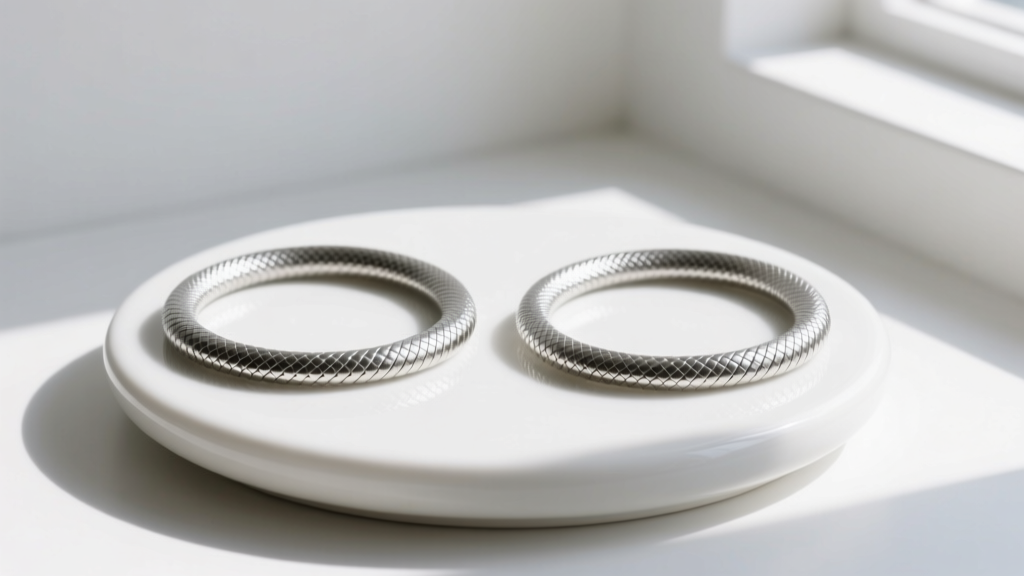
Verification: Ensuring You Get What You Pay For
If you are buying a snake chain necklace silver vendors online or in vintage markets, verifying the material is crucial to protecting your budget. The Gemological Institute of America (GIA) notes that hallmarks can be easily faked on imported jewelry.
To verify solid 925 sterling silver without damaging the chain:
- The Magnet Test: Silver is paramagnetic (non-magnetic). If your snake chain is attracted to a strong neodymium magnet, it has a steel or iron core and is merely plated.
- The Ice Test: Silver has the highest thermal conductivity of any common metal. Place an ice cube on the chain; it should begin melting almost instantly compared to a stainless steel or brass chain.
- The Smell Test: Rub the chain vigorously between your fingers. Brass and copper cores emit a distinct, sharp metallic odor when warmed by friction. Genuine sterling silver is virtually odorless.
Value Verdict: When to Buy and When to Pass
Is a silver snake chain worth the investment? The answer depends entirely on your wearing habits and pendant collection.
Pass on the snake chain if: You are on a strict sub-$30 budget, you tend to sleep in your jewelry, or you frequently wear heavy, oversized pendants on thin chains. The inevitable kinking and subsequent laser-welding repair costs will destroy any initial savings. In this scenario, a solid sterling silver cable or box chain offers vastly superior durability and budget-friendly repair options.
Invest in the snake chain if: You are willing to spend $60 to $120 on a 1.5mm to 2.0mm solid 925 sterling silver piece, you treat your jewelry with care (storing it flat or hanging it to prevent coiling), and you prioritize the sleek, modern, uninterrupted metallic aesthetic that only a snake chain can provide. When bought in the correct gauge and maintained properly, a high-quality sterling silver snake chain is a timeless, high-value staple that elevates any pendant collection.


