Types of Necklace Closures: A Material & Durability Guide
Explore the metallurgy and mechanics behind different types of necklace closures. Learn how material hardness, gauge, and alloy affect clasp durability.

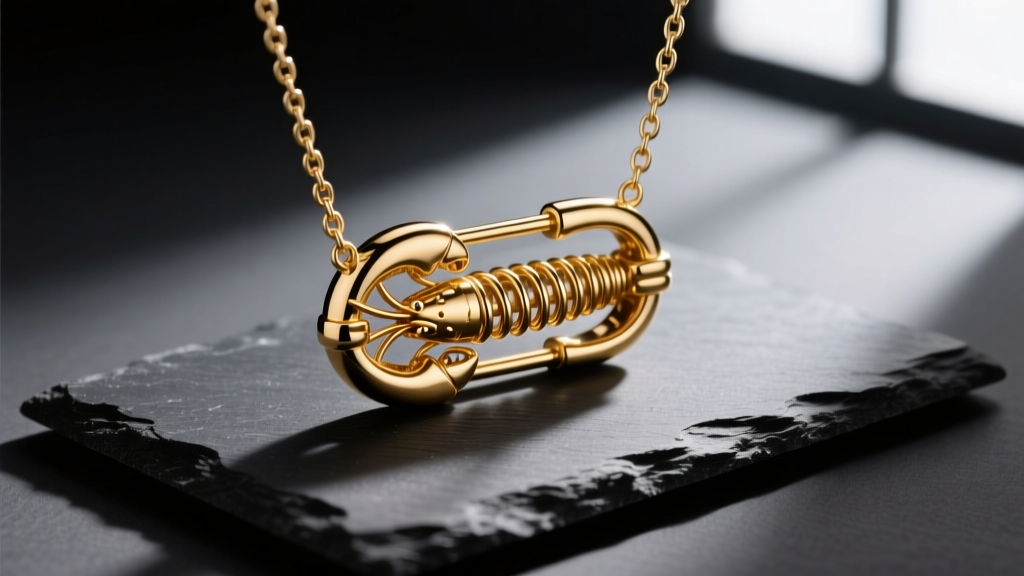
When evaluating fine jewelry, collectors and enthusiasts often obsess over gemstone clarity, chain weave, or gold purity. Yet, the structural integrity of any piece relies entirely on its weakest link: the clasp. Understanding the various types of necklace closures requires looking beyond mere aesthetics and diving into the metallurgy and mechanical engineering that keep your pendants secure. A clasp is a kinetic micro-mechanism, and its longevity is dictated by the Vickers hardness, tensile strength, and fatigue resistance of the metals used to forge it.
The Metallurgy of Clasps: Why Material Dictates Function
Not all precious metals behave identically under mechanical stress. The repeated action of opening and closing a clasp introduces metal fatigue. According to the Gemological Institute of America (GIA), the alloy composition of gold, platinum, and silver drastically alters their work-hardening properties. For instance, pure 24k gold is far too soft (approx. 25-30 HV on the Vickers Hardness scale) to hold a spring mechanism. It must be alloyed with copper, silver, or zinc to achieve the 130-150 HV required for a durable 14k gold clasp.
Platinum (950 purity) presents a unique metallurgical paradox. While it boasts immense tensile strength and durability against wear, it lacks "spring memory." If you bend a platinum wire, it stays bent. This is why you will almost never find a solid platinum spring ring; the internal spring is invariably made of hardened carbon steel or stainless steel, while the outer casing is platinum.
Mechanical Types of Necklace Closures and Material Constraints
The physical design of a closure must be matched to the material properties of the alloy. Below is a breakdown of how different mechanisms interact with precious metals.
1. The Spring Ring and Lobster Clasp
These are the most common types of necklace closures, relying on an internal coiled spring to push a tiny plunger or lever shut. In sterling silver (925), the relatively low hardness (~65 HV) means the outer casing can easily dent or deform if snagged, potentially jamming the internal steel spring. Stamped 14k gold lobster clasps are generally superior to cast ones; the stamping process work-hardens the gold, aligning the crystalline structure and providing a snappier, more resilient lever action.
2. The Box Clasp with Safety Catch
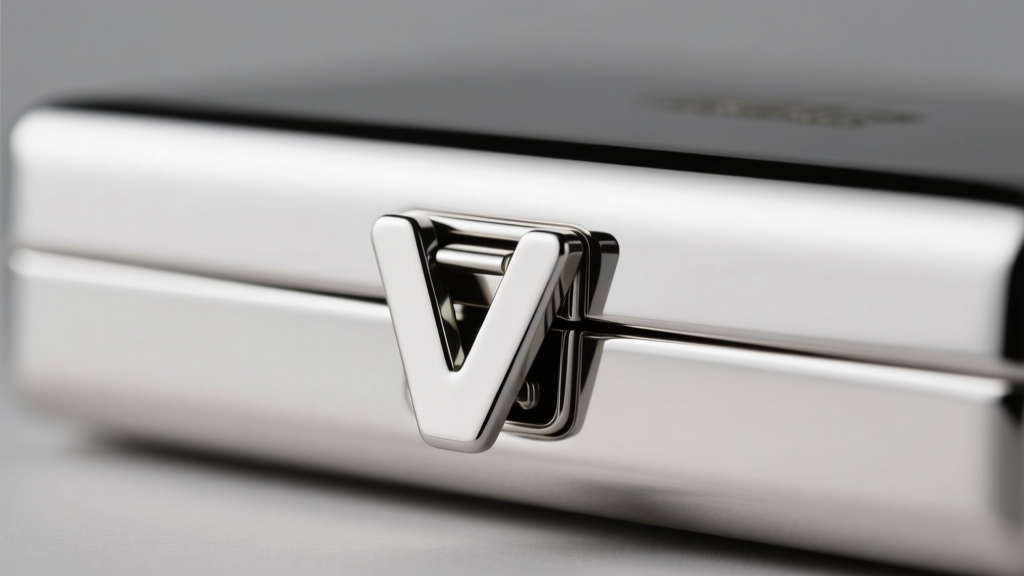
Often found on heavy tennis bracelets and multi-strand pearl necklaces, the box clasp relies on a V-shaped "tongue" that compresses as it slides into a receiving box, then expands to lock into place. The tongue is typically crafted from 18-gauge (1.02mm) or 16-gauge (1.29mm) wire. Over years of use, metal fatigue causes the V-shape to flatten, resulting in a loose fit. Platinum and 18k yellow gold are ideal here because a bench jeweler can easily re-bend the tongue with parallel pliers without risking a brittle fracture—a common danger with work-hardened white gold.
"A clasp is not merely a finding; it is a kinetic micro-mechanism. The metal must possess enough yield strength to open repeatedly without suffering from work-hardening fatigue." — Master Bench Jeweler Standard
Material Comparison Chart: Closure Lifespan and Failure Modes
To select the right hardware for your jewelry, consult this metallurgical breakdown of common closure materials.
| Metal Alloy | Vickers Hardness (HV) | Tensile Strength | Common Failure Mode | Ideal Closure Type |
|---|---|---|---|---|
| 925 Sterling Silver | 60-70 HV | Moderate | Casing deformation, spring fatigue | Lobster (w/ steel spring) |
| 14k Yellow Gold | 130-150 HV | High | Wear at the jump ring contact point | Spring Ring, Stamped Lobster |
| 18k White Gold | 120-140 HV | High | Brittle fracture if over-bent | Box Clasp, Magnetic |
| Platinum (950) | 110-130 HV | Very High | Metal creep (lack of spring memory) | Box Clasp, Friction-Fit |
| Grade 5 Titanium | 330-350 HV | Extreme | Brittle fracture if machined too thin | CNC Machined Lobster |
Gauge Thickness and Jump Ring Integrity
The most robust lobster clasp in the world is useless if the jump ring connecting it to the chain fails. When evaluating types of necklace closures, you must also inspect the attachment rings. Standard delicate chains often use 20-gauge (0.81mm) unsoldered jump rings, which can easily pull apart under the weight of a heavy pendant. For pendants exceeding 15 grams, upgrading to an 18-gauge (1.02mm) or 16-gauge (1.29mm) soldered jump ring is non-negotiable. Suppliers like Rio Grande offer heavy-duty soldered rings specifically engineered to withstand high-tensile stress without warping.
Advanced Closures: Magnetic and Friction-Fit Mechanisms
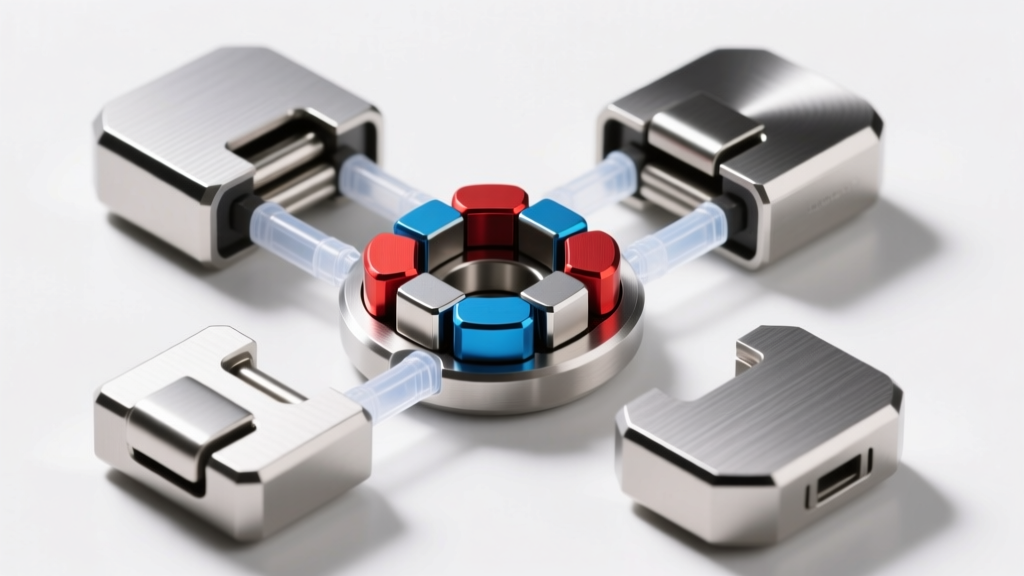
Magnetic clasps have surged in popularity for their accessibility and sleek profiles. High-end magnetic closures utilize N52-grade neodymium magnets encased in precious metals. However, material science plays a critical role here. If a manufacturer uses a base metal like brass and merely gold-plates it, the introduction of moisture and skin acids can trigger galvanic corrosion. The magnet will eventually oxidize, swell, and crack the outer casing. Always insist on solid 14k gold, titanium, or surgical-grade stainless steel housings for magnetic closures to ensure the neodymium core remains permanently sealed.
Troubleshooting and Maintenance by Metal Type
Proper maintenance extends the life of your clasp, but the techniques vary wildly depending on the metal:
- Re-tensioning a Box Clasp: If your 14k gold or platinum box clasp feels loose, use smooth-jawed parallel pliers to gently squeeze the sides of the V-tongue back into a sharper angle. Never use serrated pliers, which will mar the finish and create micro-fissures that lead to snapping.
- Spring Ring Soldering: If a jump ring needs to be soldered near a spring ring, the jeweler must use a laser welder or a thermal heat sink. Applying a traditional butane torch to a closed spring ring will destroy the temper of the internal carbon steel spring, rendering the clasp permanently stuck or completely loose.
- Ultrasonic Cleaning Warnings: Never place magnetic closures or pearl necklaces with silk-threaded box clasps into an ultrasonic cleaner. The high-frequency vibrations can shatter the brittle neodymium magnets inside the casing and degrade the epoxy resins used to secure the findings.
Ultimately, the security of your jewelry relies on a harmonious marriage between mechanical design and material science. By understanding the specific properties, gauge requirements, and failure modes associated with different types of necklace closures, you can make informed decisions that protect your most cherished pendants and chains for a lifetime.


