How to Untangle Necklace Knots: A Buyer's Guide to Tangle-Free Chains
Learn how to untangle necklace chains safely and discover which jewelry weaves, gauges, and clasps prevent knots in our expert buyer's guide.

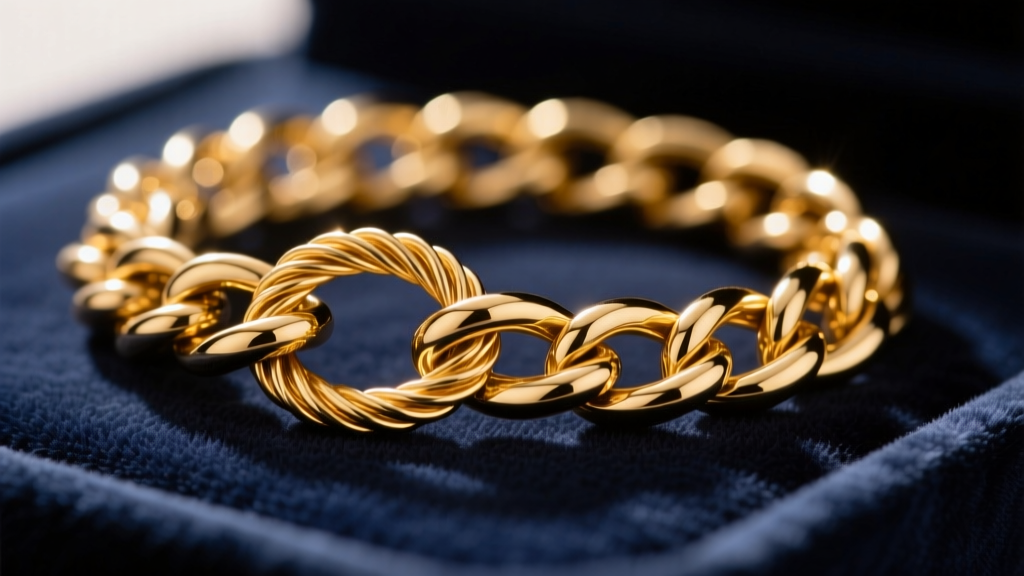
Every jewelry lover knows the sinking feeling of pulling a delicate chain from a jewelry box, only to find a microscopic, stubborn knot. When learning how to untangle necklace chains, brute force is the enemy. A single aggressive pull can permanently kink a fine 0.8mm chain or snap a delicate soldered link. This comprehensive guide bridges the gap between immediate, safe rescue techniques and long-term purchasing strategies, helping you select tangle-resistant weaves, optimal gauges, and smart clasp mechanics for your collection.
The Physics of Micro-Knots: Why Fine Chains Tangle
Chain tangling is not merely a matter of bad luck; it is a predictable outcome of physics, friction, and metallurgy. Chains that measure under 1.0mm in gauge possess high flexibility but low structural rigidity. When placed in a confined space (like a drawer or pouch), the links easily fold into one another. Static electricity generated from synthetic clothing or friction against body hair acts as a catalyst, pulling loose links into tight micro-knots.
Furthermore, the metal alloy plays a hidden role. Pure 24k gold is incredibly soft and highly susceptible to permanent kinking once tangled. In contrast, 14k gold contains higher amounts of copper and zinc, giving it a higher Mohs hardness rating. This means 14k chains are more resilient to the structural deformation that occurs when a knot is pulled tight. According to the Gemological Institute of America (GIA), understanding your metal's durability is the first step in proper jewelry maintenance and care.
Proven Rescue Methods: How to Untangle Necklace Chains Safely
Before you attempt to untangle a knot, assess the necklace for attached pendants. If your necklace features porous gemstones like pearls, opals, emeralds, or turquoise, you must avoid liquid lubricants. Oils can seep into the microscopic fissures of these stones, causing permanent clouding or staining.
The Dry Lubricant & Dual-Needle Technique
- Prepare a Non-Slip Surface: Lay the necklace flat on a piece of glass, ceramic, or a dark velvet mat. Avoid paper towels, as the fibers can catch on open links and worsen the knot.
- Apply Dry Lubricant: Generously dust the knot with talc-free baby powder, cornstarch, or finely milled graphite powder. Gently tap the surface to allow the powder to settle into the microscopic gaps between the links. This reduces metal-on-metal friction.
- Use the Right Tools: Ditch your fingers. You need two fine-point tools, such as 0.5mm beading needles, sewing pins, or specialized jewelry untangling picks.
- Loosen the Core: Insert one needle into the absolute center of the knot to hold it in place. Use the second needle to gently tease the outermost loop. Never pull the ends of the chain; this tightens the core. Always work from the outside in.
- Clean the Chain: Once untangled, use a soft-bristled makeup brush to sweep away the powder, followed by a quick polish with a microfiber cloth.
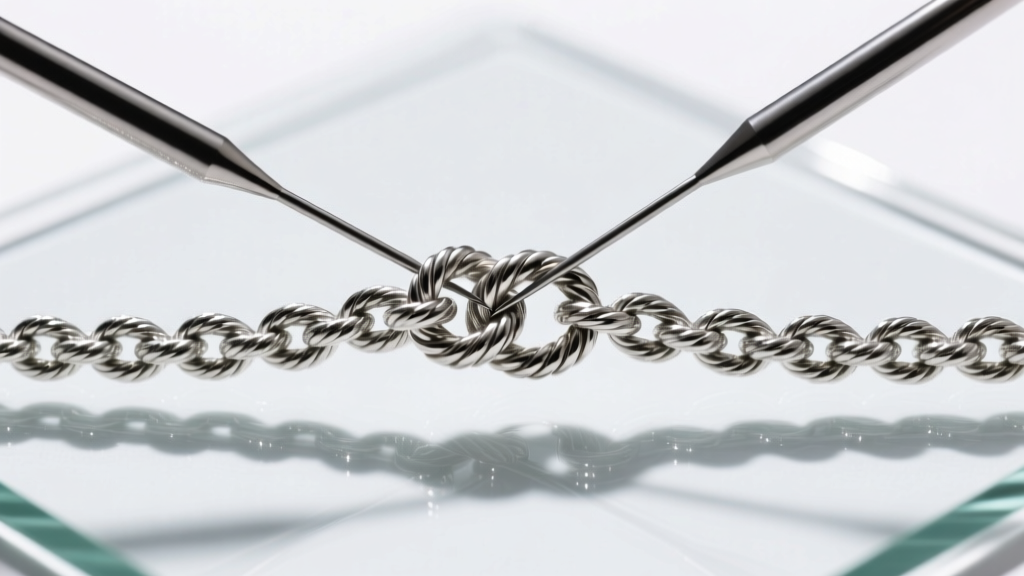
Pro-Tip: If the knot is severely tightened and dry powder fails, use a single drop of mineral oil on a toothpick, applying it strictly to the metal knot. Avoid the clasp spring mechanism and any gemstone settings. Clean the chain immediately with warm water and mild dish soap afterward.
The Buyer’s Matrix: Chain Weaves Ranked by Tangle Resistance
If you are frequently battling knots, the issue likely lies in your choice of chain weave. Some weaves are engineered to lay flat and resist interlocking, while others are practically knot-magnets. Below is a structural comparison of popular chain weaves to guide your next purchase.
| Chain Weave | Tangle Risk | Kink Risk | Hair Snag Risk | Best Gauge for Daily Wear |
|---|---|---|---|---|
| Box Chain | Very Low | Low | Low | 1.0mm - 1.5mm |
| Rope Chain | Low | Medium | Medium | 1.2mm - 2.0mm |
| Wheat Chain | Low | Very Low | Low | 1.0mm - 1.5mm |
| Cable Chain | High | Medium | Low | 1.5mm+ (Avoid sub-1mm) |
| Snake Chain | Medium | Very High | Very High | 1.5mm - 2.5mm |
| Herringbone | Low | Extreme | High | 2.0mm+ (Lay flat only) |
As highlighted in the Blue Nile Chain Necklace Guide, the structural geometry of a box chain or wheat chain naturally prevents links from folding into one another, making them the ultimate choices for layering and active lifestyles.
Sourcing Tangle-Free Necklaces: What to Look For
When shopping for a new necklace, looking beyond the aesthetic to evaluate the hardware can save you hours of frustration. Here is what to prioritize during your buying process:
1. Gauge Thickness vs. Pendant Weight
The gauge (thickness) of the chain must be proportional to the pendant. A common mistake is pairing a heavy 5-gram gemstone pendant with a delicate 0.8mm cable chain. The weight disparity causes the chain to bunch up at the bail, creating friction and tangles. Aim for a minimum of 1.2mm for lightweight pendants, and 1.5mm to 2.0mm for statement pieces.
2. Clasp Mechanics and the "Whip" Effect
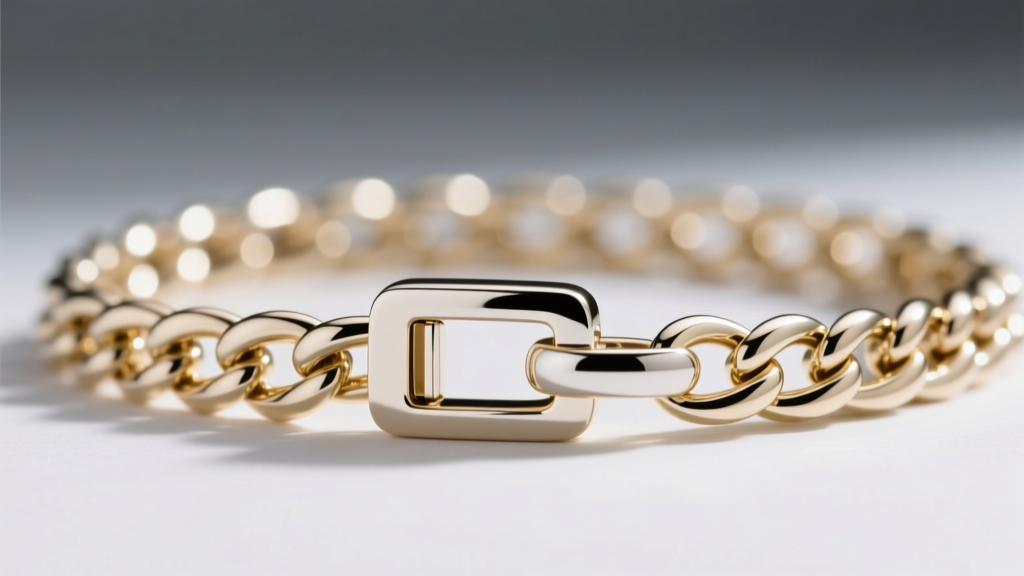
Traditional spring-ring clasps are notoriously difficult to operate one-handed. The fumbling required to open them often results in the chain slipping from your fingers and "whipping" into a tangled mess. Upgrade your purchases to include lobster clasps for secure, easy handling, or neodymium magnetic clasps. Magnetic clasps allow you to simply pull the necklace apart to remove it, entirely eliminating the handling friction that leads to storage knots.
3. Bail Loop Sizing
The bail is the loop that connects the pendant to the chain. If the bail's inner diameter is too large for the chain gauge, the chain will slide back and forth, bunching up and knotting behind your neck. Ensure the bail is snug enough to keep the pendant centered, or have a jeweler add a tiny silicone O-ring inside the bail to stabilize it.
Preventative Storage & Travel Hacks
How you store your jewelry is just as critical as the chain you buy. To maintain a tangle-free collection, implement these structural storage habits:
- The Straw Trick for Travel: Unclasp the necklace, thread one end through a standard plastic or silicone drinking straw, and re-clasp it. The rigid straw prevents the chain from folding in on itself inside your luggage.
- Individual Anti-Tarnish Pouches: Store chains individually in small, zip-top anti-tarnish bags. Squeeze the air out before sealing to minimize static buildup and limit the physical space available for the chain to move.
- Hanging Displays: For daily-wear pieces, use a wall-mounted or vanity jewelry tree with individual hooks. Gravity keeps the chains pulled taut and separated.
By combining the right untangling techniques with informed purchasing decisions, you can curate a necklace collection that remains as flawless and effortless to wear as the day you bought it.


