How to Style and Buy an Ursula Shell Necklace: A Beginner Guide
Discover everything about the iconic Ursula shell necklace. Learn about shell types, chain materials, styling tips, and how to avoid cheap knockoffs.

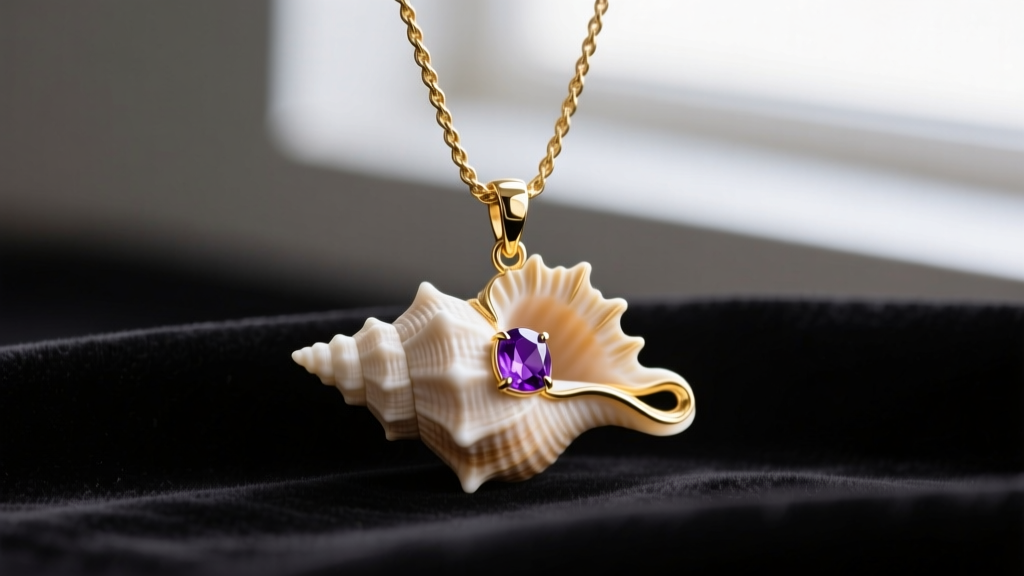
The cultural impact of oceanic mythology on modern jewelry cannot be overstated. In 2026, the ursula shell necklace has evolved far beyond a simple costume accessory, cementing itself as a cornerstone of the coastal goth and dark mermaidcore aesthetics. Whether you are drawn to the dramatic, villainous elegance of a deep purple abalone shell or the classic golden curves of a carved conch, understanding the anatomy, materials, and care requirements of shell jewelry is essential for any beginner. This guide will walk you through everything you need to know before investing in your first high-quality shell pendant, ensuring you avoid cheap plastic knockoffs and build a piece that lasts a lifetime.
The Anatomy of an Ursula Shell Pendant
When we talk about an ursula shell necklace, we are generally referring to a statement pendant featuring a prominent sea shell—often a conch, nautilus, or scallop—accented with deep purples, golds, or amethyst gemstones to evoke a mystical, oceanic vibe. However, not all shells are created equal. Shells are classified as organic gems, much like pearls and coral. According to the Gemological Institute of America (GIA), organic gems require vastly different care and setting techniques compared to faceted minerals like diamonds or sapphires.
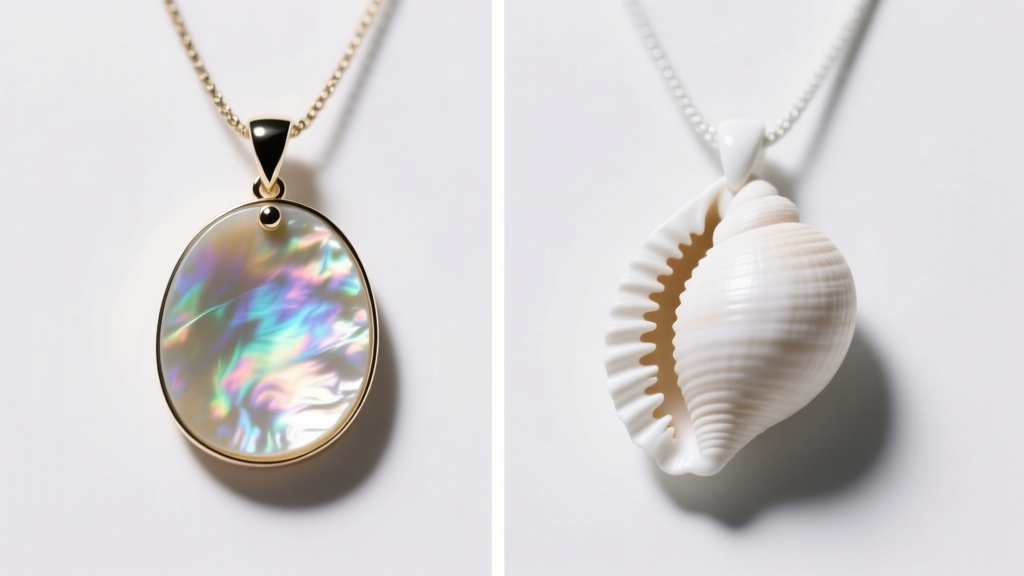
Most high-end shell pendants are carved from one of three primary materials:
- Queen Conch (Strombus gigas): Prized for its beautiful pink, peach, and golden hues. Conch is relatively dense, making it ideal for intricate hand-carving, though it is heavily regulated due to overharvesting.
- Abalone: The ultimate choice for the "Ursula" aesthetic due to its hypnotic, iridescent purple and green interior. Abalone is slightly more brittle and requires a protective bezel setting.
- Mother-of-Pearl (Nacre): The iridescent inner layer of pearl-producing oysters. It offers a brilliant, glassy luster but is incredibly thin, meaning it is usually carved in low relief or inlaid into metal.
All natural shells share a fundamental vulnerability: they are composed primarily of calcium carbonate. On the Mohs scale of mineral hardness, shells rank between 2.5 and 3.5. For context, a copper penny is about a 3.5. This means your shell pendant can easily be scratched by harder materials in your jewelry box, and it is highly susceptible to chemical erosion.
Chain Selection: Supporting the Weight and Aesthetic
A common beginner mistake is pairing a heavy, hand-carved shell pendant with a flimsy chain. Shell pendants, especially those measuring over 1.5 inches and set in metal bezels, typically weigh between 15 and 35 grams. A standard 0.9mm cable chain will eventually warp, kink, or snap under this dynamic weight.
For an ursula shell necklace, you need a chain that offers both structural integrity and complementary styling. We recommend a 1.5mm to 2.0mm wheat or rope chain. The interlocking links of a wheat chain distribute the weight of the pendant evenly, preventing stress fractures near the clasp.
Furthermore, the metal composition of your chain is critical. Because shells are porous, they can trap microscopic amounts of sweat and skin oils. If your chain is made of cheap brass or copper-plated base metal, the trapped moisture will accelerate tarnishing, leading to the dreaded "green neck" syndrome.
| Chain Material | Durability & Tarnish Resistance | Estimated Price Range |
|---|---|---|
| Gold Plated (Brass Base) | Low. Will tarnish quickly when exposed to shell oils and sweat. | $25 - $60 |
| Gold Vermeil (Sterling Silver Base) | Medium. Excellent for occasional wear, but requires polishing. | $80 - $150 |
| 14k Gold-Filled | High. Thick layer of gold mechanically bonded to a core. Highly recommended. | $90 - $180 |
| Solid 10k or 14k Gold | Maximum. Will not tarnish, safe for daily wear and water exposure. | $400 - $900+ |
Styling Your Shell Pendant for Everyday Wear
The beauty of the ursula shell necklace lies in its versatility. It bridges the gap between casual beachwear and elegant evening attire, provided you style it with intention. The key to styling a bulky, textured pendant is to allow it the negative space it needs to breathe.

Neckline Pairings
- Deep V-Necks: The V-shape naturally frames the sternum and draws the eye directly down to the shell pendant. A 20-inch or 22-inch chain works best here, allowing the shell to rest just above the bustline.
- Square Necks: The geometric lines of a square neckline provide a striking contrast to the organic, asymmetrical curves of a natural shell. Opt for an 18-inch princess length to keep the pendant centered in the negative space.
- Off-the-Shoulder: This neckline exposes the collarbones, creating a wide canvas. Layer your shell necklace with a delicate 14-inch pearl or gold bead choker to create a rich, textured coastal aesthetic.
Color Theory and Metals
If your shell features deep purple abalone or amethyst accents, pair it with warm metals like yellow or rose gold. The warmth of the gold amplifies the rich, villainous purples, perfectly capturing the Ursula inspiration. Conversely, if you are wearing a stark white cowrie or mother-of-pearl shell, white gold or platinum settings will enhance the crisp, oceanic coolness of the piece.
Care and Maintenance: Protecting Organic Gems
Because calcium carbonate is highly reactive to acids, your shell pendant requires a strict care regimen. The Smithsonian Institution notes that ocean acidification directly impacts shell-forming organisms; similarly, everyday acidic environments can degrade your jewelry.
Pro-Tip: Never wear your shell necklace while applying perfume, hairspray, or lotions. The alcohol and chemical compounds in these products can strip the natural luster of the shell and cause irreversible dulling. Always put your jewelry on *after* your beauty routine is complete.
- Cleaning: Never use ultrasonic cleaners or commercial silver dips on shell jewelry. The high-frequency vibrations can cause micro-fractures in abalone and conch. Instead, wipe the shell gently with a damp, lint-free microfiber cloth after each wear to remove skin oils.
- Storage: Store your necklace in a soft silk or velvet pouch. Never toss it into a communal jewelry box where harder gemstones (like quartz or diamonds) can scratch the shell's surface.
How to Spot Fake Shells: The Authenticity Test
The market is flooded with resin and plastic molds masquerading as genuine shell pendants. As a beginner, you must know how to verify the authenticity of an ursula shell necklace before handing over your money.
- The Temperature Test: Genuine shell is remarkably cool to the touch and takes several seconds to warm up when held in your palm. Resin and plastic will immediately match your body temperature and feel room-temperature or slightly warm.
- The Tooth Test: Gently rub the edge of the pendant against the biting edge of your front tooth. Real shell will feel slightly chalky, gritty, or textured due to its natural crystalline structure. Plastic or resin will feel perfectly, unnaturally smooth.
- The Weight Test: Carved shell has a distinct, dense heft to it. If a large, 2-inch pendant feels virtually weightless, it is almost certainly hollow plastic or lightweight epoxy resin.
By understanding the material science, structural requirements, and styling nuances of shell jewelry, you can confidently curate a collection that honors the magic of the ocean. Whether you are embracing a dark siren aesthetic or simply love the organic beauty of the sea, a well-chosen shell pendant is a timeless investment.


