How to Tell if Gold Necklace is Real: Care & Cleaning Tests
Learn how to tell if gold necklace is real using safe at-home cleaning tests, wear patterns, and maintenance reactions. Expert care tips inside.

The Intersection of Jewelry Care and Authenticity
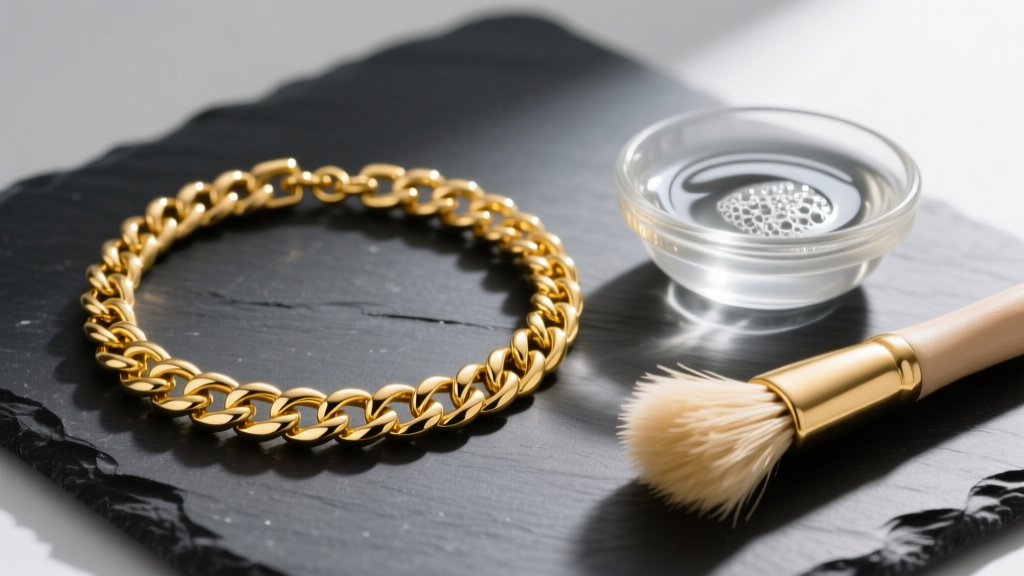
When you inherit a vintage piece, purchase a secondhand chain, or simply want to verify the origins of a favorite accessory, figuring out how to tell if gold necklace is real is a common concern. While many guides suggest destructive scratch tests or unreliable visual inspections, a seasoned jeweler knows that the true test of authenticity lies in how the metal reacts to daily wear, cleaning agents, and environmental exposure. Gold is a noble metal, meaning it possesses a profound resistance to oxidation and corrosion. By observing how your necklace responds to routine maintenance and specific, safe cleaning solutions, you can gather definitive clues about its elemental composition without damaging the piece.
In this comprehensive guide, we will explore the chemistry of gold alloys, outline safe at-home cleaning tests that reveal hidden base metals, and detail the professional verification methods trusted by gemologists in 2026. Whether you are dealing with a delicate 20-gauge chain or a heavy 14k Cuban link, understanding the intersection of care and authenticity is essential for preserving your investment.
The Chemistry of Gold: Why Real Gold Resists Tarnish
To understand how cleaning agents interact with your jewelry, you must first understand gold purity. Pure 24-karat gold is 99.9% gold, but it is far too soft for durable necklace chains. According to the Gemological Institute of America (GIA), jewelry is typically crafted in 18k (75% gold), 14k (58.3% gold), or 10k (41.7% gold). The remaining percentage consists of alloy metals like copper, silver, zinc, and nickel, which provide structural integrity and dictate the color of the gold (yellow, white, or rose).
Because gold itself does not react with oxygen or moisture, solid gold necklaces will not rust, tarnish, or turn your skin green. However, the alloy metals can oxidize under extreme conditions. In contrast, fake gold necklaces—usually made of brass, copper, or stainless steel with a microscopic layer of gold plating (often less than 0.5 microns thick)—rely on a fragile barrier. When this barrier is compromised by friction, sweat, or harsh cleaning chemicals, the highly reactive base metal is exposed, leading to immediate and visible chemical reactions.
Safe At-Home Cleaning Tests to Verify Authenticity
You do not need harsh acids to test your jewelry. In fact, using nitric acid at home is dangerous and can permanently ruin a solid gold piece if left on too long. Instead, utilize these safe, maintenance-based tests to observe how the metal behaves.
The Mild Soap and Warm Water Soak
This is the standard first step in jewelry maintenance, but it also serves as a diagnostic tool. Mix a few drops of phosphate-free dish soap into a bowl of warm (not hot) water. Submerge the necklace for 15 minutes, then gently agitate it with a soft-bristled baby toothbrush.
- Solid Gold Reaction: The necklace will emerge brighter, with oils and lotions removed. The metal will remain completely unchanged in color.
- Plated/Fake Reaction: If the water was too hot, or if the plating was already failing, you may notice the water turning slightly cloudy. More importantly, as you brush the crevices of the links, you might see the underlying brassy or silvery base metal peeking through where the plating has blistered or flaked off.
The White Vinegar (Acetic Acid) Simulation
Human sweat is mildly acidic, and over time, it breaks down fake gold plating. You can simulate years of wear in minutes using standard household white vinegar (typically 5% acetic acid). Place the necklace on a glass plate and use a cotton swab to apply a small drop of vinegar to an inconspicuous area, such as the back of the clasp or a lower link.
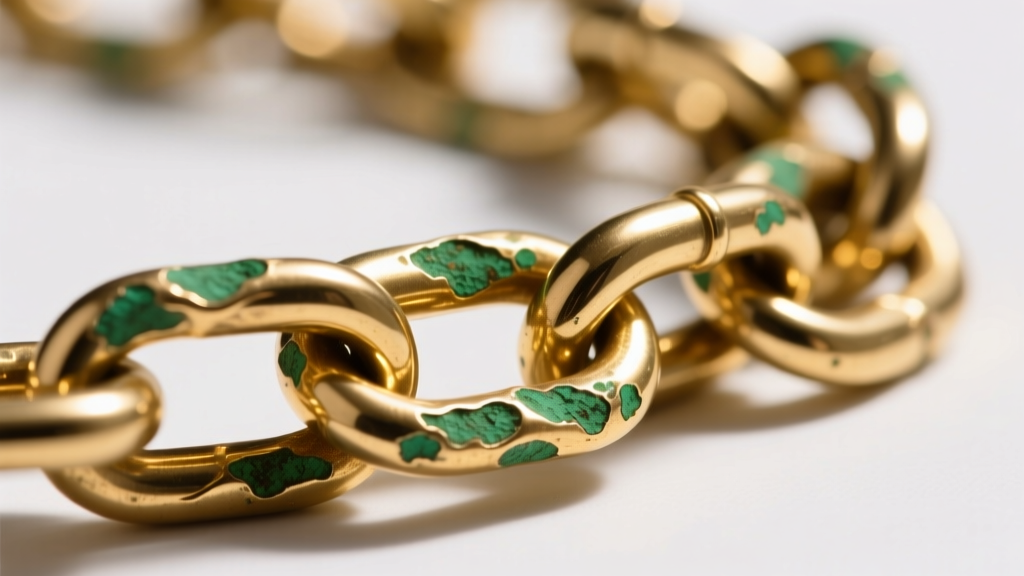
Wait 15 minutes and wipe it away with a damp cloth. Real 14k or 18k gold will show absolutely no reaction; the metal will remain pristine. If the necklace is gold-plated brass or copper, the acetic acid will penetrate the micro-pores of the plating and react with the base metal, leaving a distinct green or black oxidation stain. This is the exact same chemical reaction that causes cheap jewelry to leave green marks on your collarbone.
Cleaning Agent Reactions: Real Gold vs. Plated vs. Gold-Filled
Understanding how different gold compositions react to standard jewelry care products is crucial. Gold-filled jewelry, which contains a much thicker layer of gold (at least 5% of the total weight) mechanically bonded to a brass core, behaves more like solid gold but still has vulnerabilities.
| Test / Cleaning Agent | Solid 14k / 18k Gold | Gold-Plated Brass / Copper | Gold-Filled (1/20 14k) |
|---|---|---|---|
| White Vinegar (15 mins) | No reaction | Green/Black oxidation spots | No reaction (if layer is intact) |
| Hot Soapy Water Soak | Safe; removes sebum and oils | May blister or peel if poorly plated | Safe; cleans effectively |
| Ultrasonic Cleaner (40kHz) | Safe (unless heavily fractured) | Strips plating rapidly via cavitation | May delaminate edges or clasps |
| Jeweler's Polishing Cloth | Restores high polish safely | Wipes away gold layer instantly | Safe for light polishing only |
Wear and Tear: Maintenance Clues Over Time
Authenticity is often revealed not in a single test, but through the long-term maintenance of the piece. Pay close attention to the high-friction areas of your necklace, specifically the clasp mechanism, the jump rings, and the links that rest against the nape of your neck.
The Friction and 'Rub' Test
Take a clean, white cotton cloth or a piece of unglazed white ceramic. Gently but firmly rub the clasp or a thick link of the necklace against the surface. Solid gold is relatively soft and will not leave a dark streak. However, if the piece is made of pyrite (fool's gold) or a heavily oxidized base metal disguised with a thin wash, it will leave a distinct black, dark green, or metallic grey streak on the white cotton. Note that this test should only be done on thick, sturdy chains; rubbing a delicate 22-gauge hollow rope chain could deform the links.
The Magnetism Check
Gold is diamagnetic, meaning it is completely non-magnetic. Keeping a strong neodymium magnet in your jewelry maintenance drawer is a quick way to weed out obvious fakes. If your necklace chain snaps to the magnet, it contains iron, nickel, or cobalt, proving it is not solid gold. However, be aware that this test is not foolproof. Many counterfeiters use austenitic stainless steel or copper cores, which are also non-magnetic. Therefore, a necklace that fails the magnet test is definitely fake, but one that passes still requires further chemical or professional verification.
Professional Verification vs. Destructive Testing
While at-home cleaning tests are excellent indicators, they cannot provide the exact karat breakdown required for insurance appraisals or resale. Furthermore, you should absolutely avoid the 'scratch test' (rubbing the gold on a black stone and applying nitric acid) at home. This destructive method removes a microscopic layer of gold and, if performed incorrectly, can permanently scar a high-polish finish or damage delicate gemstone settings.
Instead, take the necklace to a certified gemologist or a reputable local jeweler who utilizes X-ray Fluorescence (XRF) technology. An XRF analyzer is a non-destructive handheld device that fires X-rays into the metal and measures the fluorescent energy that bounces back. Within seconds, it provides a precise elemental breakdown on a digital screen (e.g., 58.2% Au, 20.5% Ag, 21.3% Cu). This is the gold standard for verifying authenticity in the modern jewelry industry. According to the Federal Trade Commission (FTC), accurate karat marking and verification are essential consumer rights, and professional XRF testing ensures you have definitive proof of your necklace's value and composition.

Best Practices for Cleaning Verified Gold Necklaces
Once you have confirmed your necklace is solid gold through safe testing or professional verification, you must adopt a maintenance routine that preserves its luster and structural integrity.
Ultrasonic Cleaning Guidelines
Ultrasonic cleaners use high-frequency sound waves (typically 40kHz to 45kHz) to create microscopic cavitation bubbles that blast away dirt from hard-to-reach crevices. While perfectly safe for solid gold chains, you must remove the necklace if it features porous gemstones like pearls, opals, emeralds, or turquoise. The intense vibrations can fracture these delicate stones or strip their protective oil treatments. Limit ultrasonic cycles to 3 to 5 minutes to prevent unnecessary stress on the solder joints of the links.
Proper Storage and Polishing
Even though solid gold does not tarnish, it can accumulate a dull film from daily exposure to cosmetics, perfumes, and environmental pollutants. Use a dedicated microfiber jewelry cloth to wipe down your necklace after every wear before placing it in a lined jewelry box. Avoid storing gold necklaces in humid environments like bathrooms, as the moisture can accelerate the oxidation of the alloy metals in lower-karat gold (like 10k). Finally, never use toothpaste or baking soda pastes to clean your gold; these are highly abrasive and will create micro-scratches across the surface, dulling the mirror-like finish of your chain over time.
Conclusion
Learning how to tell if gold necklace is real does not require destructive acids or guesswork. By paying close attention to how your jewelry reacts to gentle cleaning agents, observing wear patterns at the clasp, and understanding the limitations of at-home tests, you can confidently assess your pieces. When in doubt, rely on non-destructive XRF technology at a professional jeweler to secure your investment. Proper care and informed maintenance are the ultimate tests of authenticity, ensuring your gold necklaces remain radiant and valuable for generations to come.


