2026 Gift Guide: Choosing the Perfect Victorian Vintage Necklace
Discover how to choose, authenticate, and gift a genuine Victorian vintage necklace. Explore era-specific motifs, materials, and pricing.

The Allure of the Victorian Era: A Gifting Overview
Gifting jewelry is a deeply personal gesture, but presenting a piece of verifiable history elevates the act into the realm of legacy. A genuine Victorian vintage necklace is not merely an accessory; it is a wearable artifact spanning Queen Victoria’s reign from 1837 to 1901. Whether you are marking a milestone anniversary, offering a token of profound sympathy, or celebrating a major life transition, understanding the nuanced sub-eras of the 19th century is critical to selecting a piece that emotionally resonates with the occasion.
In this comprehensive 2026 gift guide, we decode the materials, motifs, and vital authentication markers necessary to confidently purchase, gift, and preserve authentic Victorian necklaces. The antique jewelry market has seen a surge in sophisticated reproductions, making an educated eye your most valuable asset.
Decoding Victorian Sub-Eras for the Perfect Occasion
The Victorian era is universally divided by historians and gemologists into three distinct periods, each with unique aesthetic markers and emotional undertones. Matching the sub-era to your gifting occasion ensures the piece carries the right symbolic weight.
The Romantic Period (1837–1861): Anniversaries & Weddings
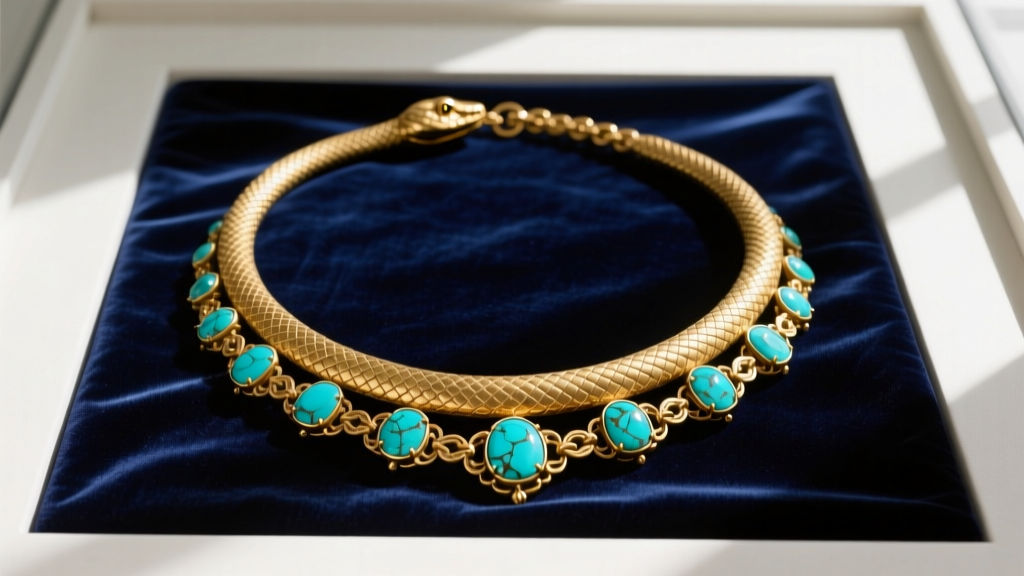
Inspired by Queen Victoria’s courtship with Prince Albert, this era is defined by themes of love, eternity, and nature. The most iconic motif is the serpent, popularized by Victoria’s own engagement ring. A Victorian vintage necklace featuring a coiled snake paved with turquoise cabochons (symbolizing forget-me-nots) or seed pearls (representing purity) is the ultimate gift for weddings or milestone anniversaries. Look for intricate gold repoussé work and floral motifs like acorns (strength) and ivy (fidelity).
The Grand Period (1861–1885): Sympathy & Deep Bonds
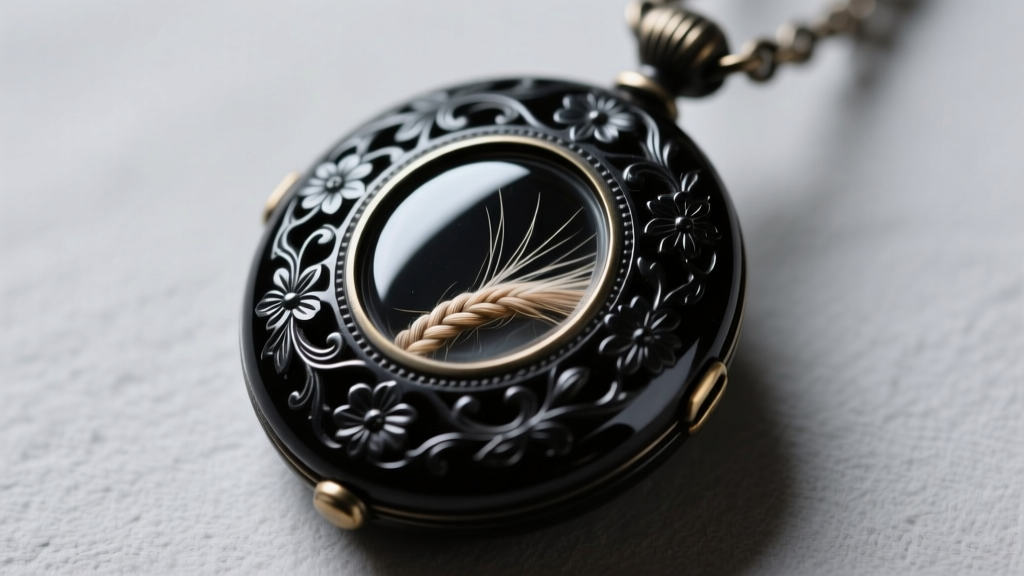
Triggered by the death of Prince Albert, the Grand period saw the explosion of mourning jewelry. While gifting mourning jewelry might seem counterintuitive, these pieces were deeply sentimental, often featuring woven human hair and hidden compartments. A carved Whitby jet or vulcanite locket necklace is a profoundly moving gift for a sympathy occasion, a memorial, or to honor a deep, unbreakable familial bond. The dark, matte finishes convey a sense of gravity and enduring devotion.
The Aesthetic Period (1885–1901): Milestones & Everyday Elegance
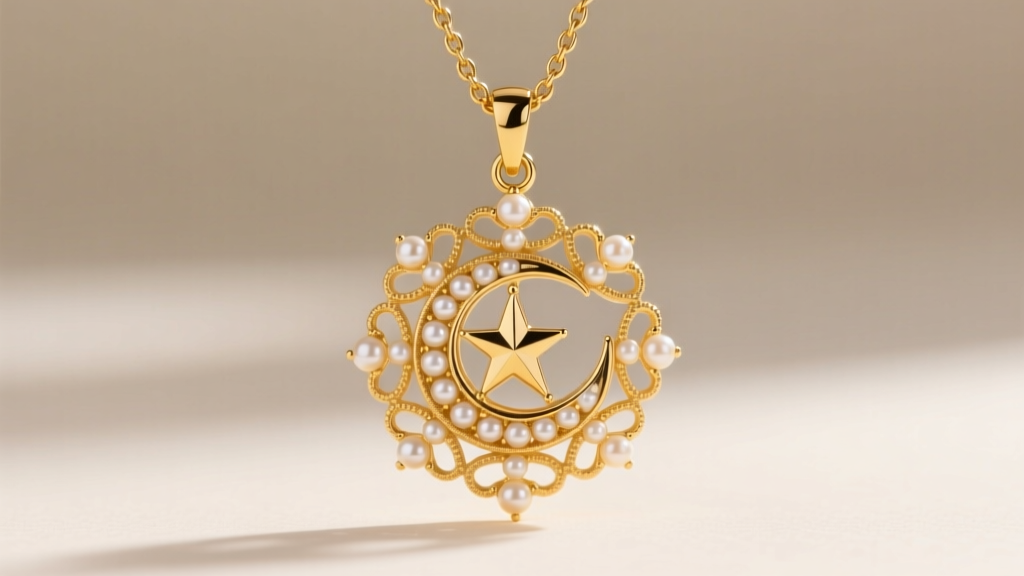
As the rigid mourning rules relaxed, jewelry became lighter, smaller, and more whimsical. The Aesthetic period embraced celestial motifs (stars, crescents), insects (dragonflies, butterflies), and Japanese-inspired designs. These necklaces were often crafted in silver-on-gold settings with rose-cut diamonds. They make exceptional gifts for graduations, milestone birthdays, or professional achievements, offering a versatile, elegant piece that transitions seamlessly into modern everyday wear.
Material & Motif Cheat Sheet: What You Are Actually Gifting
Understanding the metallurgy and organic materials of the 19th century is vital for both valuation and care. Below is a quick-reference guide to the most common materials found in authentic Victorian necklaces.
| Material | Era & Composition | Best Gifting Occasion | 2026 Market Price Range |
|---|---|---|---|
| 15k Yellow Gold | Standard UK gold purity (62.5%) until 1932. Warm, rich hue. | Major Anniversaries, Heirloom Gifting | $1,200 – $4,500+ |
| Pinchbeck | Copper and zinc alloy designed to mimic gold. Will not tarnish like brass. | Fashion-forward Milestones, Budget-conscious Gifting | $300 – $800 |
| Whitby Jet | Fossilized wood from the Araucaria tree. Lightweight, warm to the touch. | Sympathy, Memorials, Deep Sentimental Bonds | $400 – $1,500 |
| Gutta-Percha | Natural rubber from Malaysian trees. Dark brown/black, often molded. | Historical Collectors, Unique Alternative Gifting | $250 – $600 |
| Seed Pearls | Tiny natural river pearls, often strung on horsehair or silk. | Weddings, Purity, Romantic Gestures | $600 – $2,200 |
Authentication: Spotting Genuine Antique Necklaces
The 2026 antique market is flooded with high-quality cast reproductions. To ensure your gift is a genuine artifact, you must examine the findings and hallmarks. According to the experts at Lang Antiques University, the construction of the clasp is often the most reliable indicator of age.
- The C-Clasp: Authentic Victorian brooches and pendant bails typically feature a simple 'C' shaped catch without a rolling safety latch. The safety catch was not widely patented and utilized until the early 1900s.
- T-Bar Hinges: Look for a T-bar hinge on lockets and articulated pendants. Modern reproductions usually utilize a simple, narrow tube hinge.
- Hallmark Realities: The UK did not mandate strict hallmarking for all gold jewelry until later in the century, and 15k gold was the standard. If a piece is stamped '14k' or '18k' with a crisp, modern laser font, it is either a reproduction or a modern replacement chain attached to an antique pendant.
- The Pinchbeck Test: Pinchbeck was never stamped or hallmarked. If a 'gold' piece lacks any stamps but exhibits a slightly reddish-warm undertone and shows no flaking or base-metal wear at the friction points, it is likely genuine Pinchbeck.
According to the Victoria and Albert Museum, the Victorian era's jewelry was deeply intertwined with the monarch's own life events, shifting from the romantic optimism of her youth to the somber, heavy mourning pieces of her later years. Authentic pieces reflect these exact socio-cultural shifts in their weight and material choices.
Presentation and Archival Care for Delicate Antiques
Gifting a Victorian vintage necklace requires more than a standard velvet box; it requires educating the recipient on archival preservation. 19th-century jewelry was crafted with organic adhesives and delicate enameling techniques that are easily destroyed by modern cleaning habits.
What to Avoid at All Costs
Never include an ultrasonic jewelry cleaner as a companion gift. Ultrasonic waves will instantly shatter taille d'épargne (black enamel filling) and dissolve the hide glues used to set seed pearls, turquoise, and opals. Furthermore, commercial silver dips will strip the historic patina from silver-on-gold Aesthetic period pieces, severely diminishing their antique value.
The Proper Care Regimen
Instruct the recipient to clean the necklace using only a dry, untreated microfiber cloth. For intricate gold repoussé work, a soft-bristled makeup brush can gently dislodge dust from the crevices. When not being worn, the necklace should be stored flat in an acid-free tissue paper wrap inside a lined wooden box to prevent the chain from tangling and putting stress on the antique solder joints.
Where to Source Authentic Pieces in 2026
When purchasing a piece of this caliber, provenance is everything. Avoid general marketplace apps where authentication guarantees are weak. Instead, source your Victorian vintage necklace from established antique jewelry syndicates, vetted dealers affiliated with the Antiquarian Horological Society, or specialized estate auction houses. Always request a detailed condition report that notes any later additions, such as a modern replacement chain or a re-soldered locket bail, as these factors significantly impact both the historical integrity and the final valuation of your gift.


