The Vintage Aventurine Necklace: 2026 Trend & Style Guide
Discover how to style and authenticate a vintage aventurine necklace. Explore 2026 trends, era-specific pricing, and expert layering techniques.

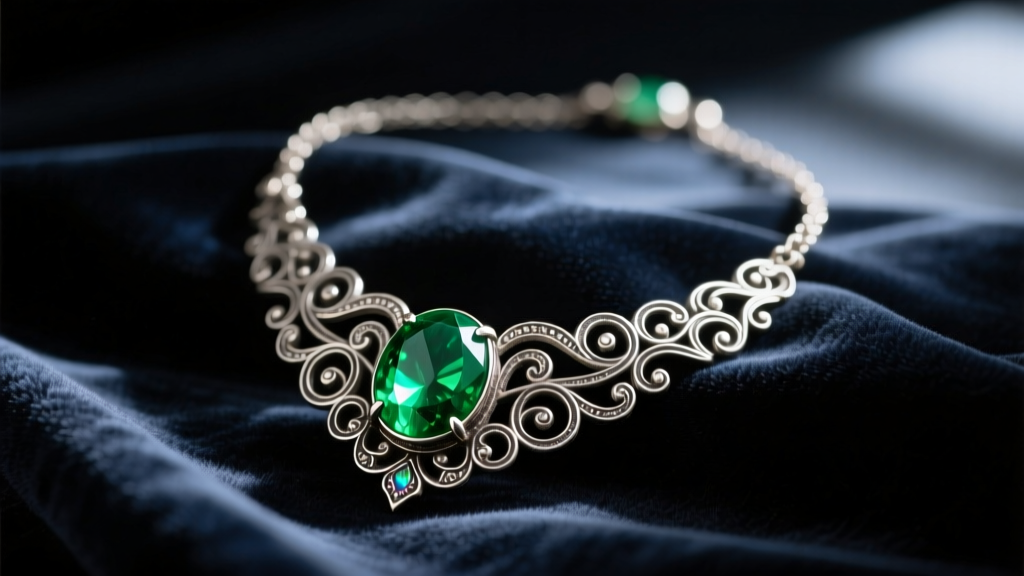
The Resurgence of Aventurescence: Why 2026 is the Year of Green Quartz
In the ever-evolving landscape of fine and antique jewelry, 2026 has cemented a definitive shift toward grounded, earthy gemstones that offer both historical weight and visual intrigue. Leading this charge is the vintage aventurine necklace. Once relegated to the back of estate jewelry cases, aventurine—a macrocrystalline quartz variety celebrated for its shimmering inclusions—has become a highly sought-after centerpiece for collectors and style enthusiasts alike. The allure lies in its unique optical phenomenon known as 'aventurescence,' a metallic glitter caused by plate-like mineral inclusions that catch the light in a way that feels almost alive. As modern consumers seek sustainable, one-of-a-kind pieces with a rich narrative, antique and vintage aventurine necklaces offer an accessible yet deeply luxurious entry point into historical jewelry collecting.
Decoding Eras: Identifying Your Vintage Aventurine Necklace
When sourcing a vintage aventurine necklace, understanding the historical context of its setting is just as crucial as evaluating the stone itself. The way aventurine was cut, set, and worn varied dramatically across different jewelry periods.
Victorian & Edwardian (1837–1910)
During the Victorian era, aventurine was frequently cut into smooth cabochons and set in low-karat gold (9k or 15k) or oxidized silver. Jewelers of this period often utilized closed-back bezel settings, sometimes employing foil backing to amplify the stone's natural schiller effect in low candlelight. If you encounter a Victorian piece, expect to see intricate repoussé metalwork, floral motifs, and heavy patina. Edwardian pieces transitioned toward more delicate, lace-like filigree, though aventurine was less common in this ultra-refined era compared to diamonds and pearls.
Art Deco (1920s–1930s)
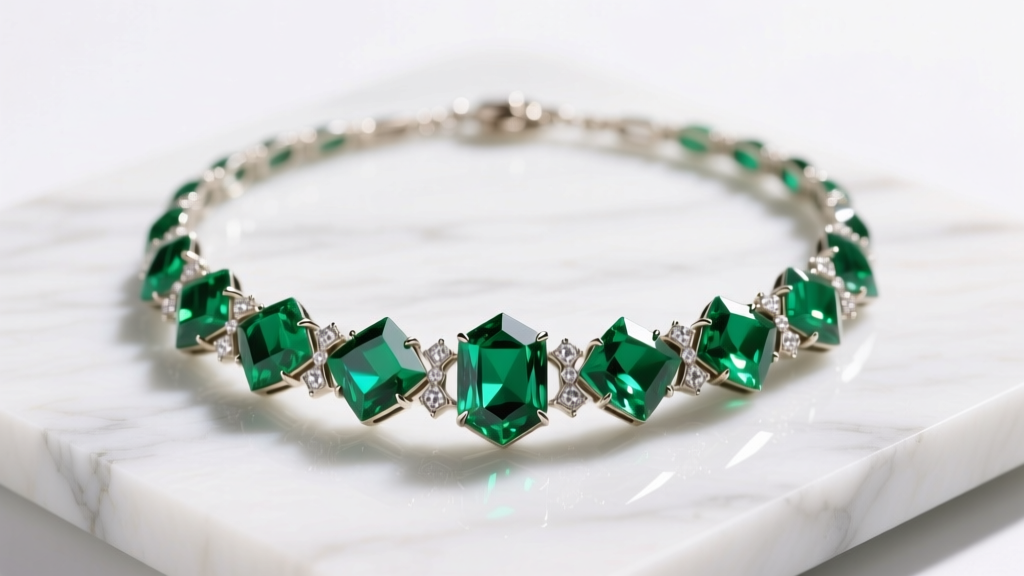 The Art Deco period embraced bold geometry and high-contrast color blocking. Aventurine was frequently used as an opaque, vibrant green accent alongside deep black onyx, white jade, and brilliant-cut diamonds. In high-end vintage Art Deco necklaces, you will often find aventurine cut into precise calibré shapes—squares, baguettes, or trapezoids—set in platinum or white gold. These pieces are highly prized for their architectural symmetry and remain a staple of red-carpet vintage styling today.
The 1970s Bohemian Revival
Fast forward to the 1970s, and aventurine experienced a massive revival aligned with the global bohemian and hippie movements. Necklaces from this era feature raw, unpolished nuggets or heavily tumbled beads strung on macramé cords, copper wire, or yellow gold vermeil chains. These pieces are characterized by their organic, free-form silversmithing, often incorporating motifs like sunbursts, leaves, or abstract geometric pendants. They offer a more relaxed, everyday wearability that aligns perfectly with current 'quiet luxury' and eclectic layering trends.
Authentication & Material Grades: Spotting Genuine Vintage
According to the Gemological Institute of America (GIA), genuine aventurine is defined by its specific mineral inclusions. The most common green aventurine contains fuchsite (a chromium-rich muscovite mica), while blue varieties contain dumortierite, and peach or red varieties contain hematite or goethite. When authenticating a vintage piece, you must look beyond the color and examine the internal structure and the hardware.
Modern reproductions often use dyed quartz or low-grade glass (like goldstone) to mimic the glitter effect. Genuine vintage fuchsite inclusions are asymmetrical, random, and catch light at varying, unpredictable angles. Furthermore, examining the clasp is vital. Pre-1940s pieces will typically feature C-clasps, early spring-ring clasps, or push-box clasps with figure-eight safety catches, whereas modern reproductions will rely on stamped lobster claws or magnetic closures.
| Feature | Genuine Vintage (Pre-1980) | Modern Reproduction |
|---|---|---|
| Fuchsite Inclusions | Random, asymmetrical platelet distribution with varied light reflection | Often uniform, overly dense, or completely missing (dyed quartz) |
| Setting Wear | Micro-scratches, natural patina in crevices, soft bezel edges from decades of wear | Pristine, artificially tumbled, or uniformly polished with sharp edges |
| Clasp Mechanics | C-box, early spring-ring, or push-box with soldered safety chains | Modern stamped lobster claw, spring-ring with laser welding, or magnetic clasps |
| Stone Backing | Foiled or closed-back bezels (common in Victorian/Edwardian pieces) | Open-back prong or simple, uniform bezel settings |
Pricing the Past: Market Value by Era and Setting
The market for vintage aventurine necklaces in 2026 is highly segmented based on era, metal purity, and provenance. While the stone itself is relatively abundant, the historical craftsmanship dictates the premium.
- Victorian Silver & Low-Karat Gold (1850–1900): $350 – $850. Pieces with intact foil backing and intricate repoussé work command the higher end of this spectrum.
- Art Deco Platinum & Onyx Inlay (1920–1935): $1,200 – $4,500+. High-end pieces featuring precise calibré-cut aventurine, old European cut diamonds, and platinum settings are serious collector items.
- Mid-Century Modernist (1950s–1960s): $400 – $900. Abstract, sculptural silver pieces by known taxco or Scandinavian silversmiths hold strong value.
- 1970s Bohemian Gold Vermeil & Raw Nuggets: $120 – $300. Highly accessible, though pieces featuring heavy gold vermeil over sterling silver (rather than base metal) will fetch a premium.
Styling & Layering: Modern Pairings for Antique Stones
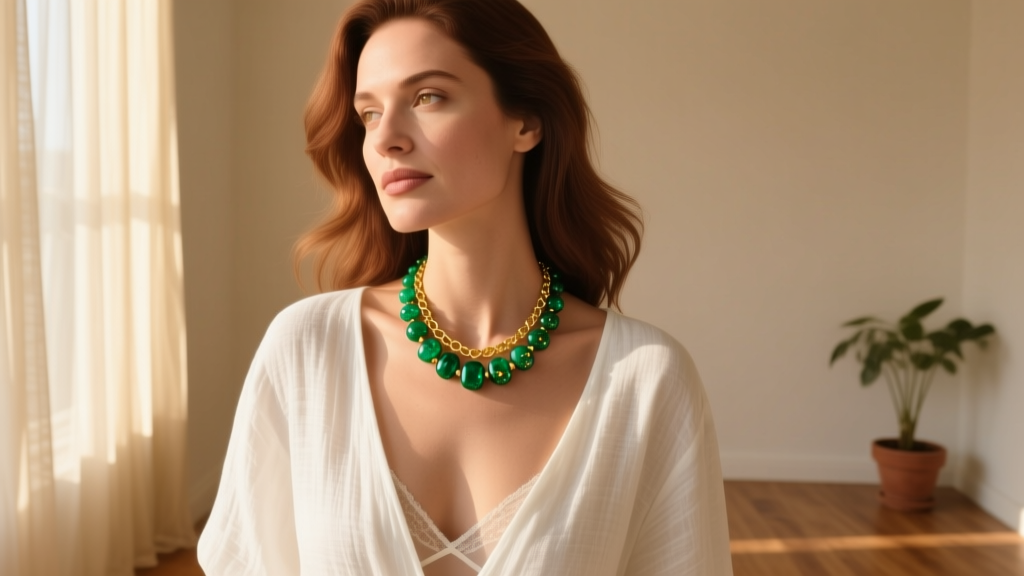 The 2026 styling paradigm for vintage necklaces is 'curated maximalism'—mixing eras, textures, and metals to create a deeply personal aesthetic. Aventurine's rich, mossy green hue makes it an incredibly versatile anchor for layering.
For a sophisticated daytime look, pair a delicate 15-inch Victorian aventurine choker with a 22-inch oxidized sterling silver rope chain (1.2mm gauge). The contrast between the warm, cabochon green and the darkened silver creates a moody, romantic silhouette that pairs beautifully with deep V-necklines or silk blouses.
If you are leaning into the 1970s bohemian aesthetic, layer a 28-inch raw nugget aventurine strand with a 16-inch gold-filled box chain featuring a small, solid gold coin pendant. The mix of yellow gold and raw green stone evokes an earthy, sun-drenched vibe perfect for open collars, linen dresses, and wide-brimmed hats. Don't be afraid to mix metals; placing a yellow gold vermeil 70s piece against an Art Deco white gold and onyx pendant creates a striking, eclectic tension that reads as highly intentional.
Preservation: Caring for Antique Settings and Fuchsite Inclusions
Aventurine ranks between 6.5 and 7 on the Mohs scale of hardness, making it relatively durable for everyday wear. However, vintage pieces require specialized care due to their age, setting techniques, and internal mineral structure. The fuchsite mica inclusions that give aventurine its signature glitter are essentially microscopic, flaky layers. While they are stable within the quartz matrix, severe impacts can cause internal fracturing along these cleavage planes.
Never place a vintage aventurine necklace in an ultrasonic or steam cleaner. The high-frequency vibrations can cause the mica inclusions to separate internally, creating a cloudy fracture network, while the heat and chemicals can dissolve the delicate foil backing used in Victorian and Edwardian closed-back settings.
To clean your vintage piece, use a solution of lukewarm water and a few drops of pH-neutral dish soap. Gently agitate the water and use a soft-bristled baby toothbrush to lightly sweep away dirt from the bezel edges and chain links. Rinse under a gentle stream of cool water, ensuring the drain is securely plugged, and pat dry with a lint-free microfiber cloth. Store the necklace flat in a tarnish-preventative cloth pouch to protect the silver or gold vermeil from sulfur exposure in the air.
Final Thoughts on Sourcing
When hunting for the perfect vintage aventurine necklace, provenance and vendor reputation are paramount. Platforms like Ruby Lane and 1stDibs offer curated selections from vetted antique dealers, providing a safer environment for high-ticket Art Deco and Victorian pieces. For educational resources and to train your eye on period-correct clasps and hallmarks, the Lang Antiques Jewelry University remains an indispensable, authoritative database for collectors. By understanding the mineralogy, respecting the historical craftsmanship, and styling with modern intentionality, you can transform a vintage aventurine necklace from a mere accessory into a wearable piece of geological and artistic history.


