Vintage Black Hills Gold Necklace Value & Buying Guide
Discover how to appraise a vintage Black Hills gold necklace. We break down maker marks, karat weights, and current market pricing for collectors.

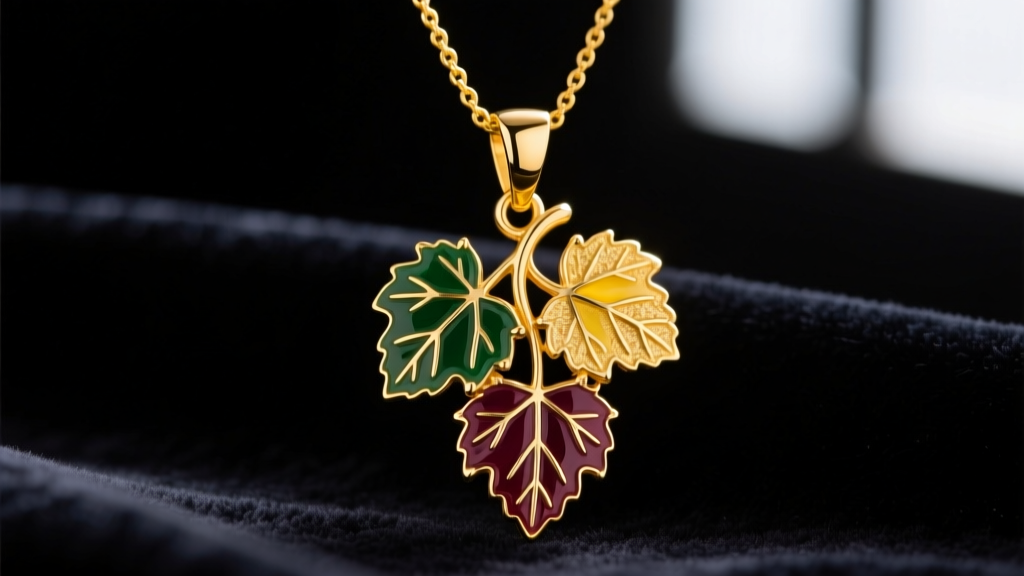
The Allure and Economics of Vintage Black Hills Gold
When evaluating estate jewelry, few regional styles command the immediate recognition and passionate collector base of a vintage Black Hills gold necklace. Originating from the 1874 Black Hills Gold Rush in South Dakota, this distinct jewelry style is characterized by its tri-color gold motifs—typically yellow, rose, and green gold shaped into intricate grape leaves, vines, and berries. For modern buyers and estate appraisers, assessing the true value of these vintage pieces requires looking far beyond the basic melt weight of the gold. The valuation hinges on a complex matrix of historical maker marks, specific karat alloy compositions, structural integrity, and strict geographic provenance. Whether you are hunting for a 1970s Landstrom’s locket or a mid-century Coleman pendant, understanding the nuanced market dynamics of these tri-color treasures is essential to making a sound investment.
The Legal Definition and Historical Provenance
Before assessing a budget, one must verify authenticity. By law, jewelry can only be legitimately stamped and sold as ‘Black Hills Gold’ if it is manufactured in South Dakota. According to the South Dakota Codified Laws (SDCL 37-24), the state strictly protects this geographic designation. This legal framework means that a vintage piece bearing the correct hallmarks carries a built-in premium due to its verifiable American heritage. The legend of Henri LeBeau, a French goldsmith who supposedly dreamed of the tri-color grape leaf design after wandering the Black Hills in 1874, adds a layer of romantic folklore that drives collector demand. However, from a strict appraisal standpoint, the value is rooted in the mid-20th-century manufacturing boom. Pieces dating from the 1940s through the 1980s represent the golden era of hand-engraved, die-struck leaves, offering a level of artisanal detail that mass-produced modern equivalents simply cannot match.
Decoding the Makers: Landstrom’s, Coleman, and Mount Rushmore
The single most significant driver of value in the vintage market is the maker’s mark. While dozens of small workshops operated in the Black Hills region over the last century, a few dominant names dictate the premium pricing tiers.
- Landstrom’s: Founded in 1878, Landstrom’s was the oldest and most prestigious manufacturer. The company ceased operations in 2020, which immediately caused a surge in the secondary market value of their vintage pieces. A vintage Landstrom’s necklace with intact hallmarks can command a 30% to 50% premium over unbranded equivalents.
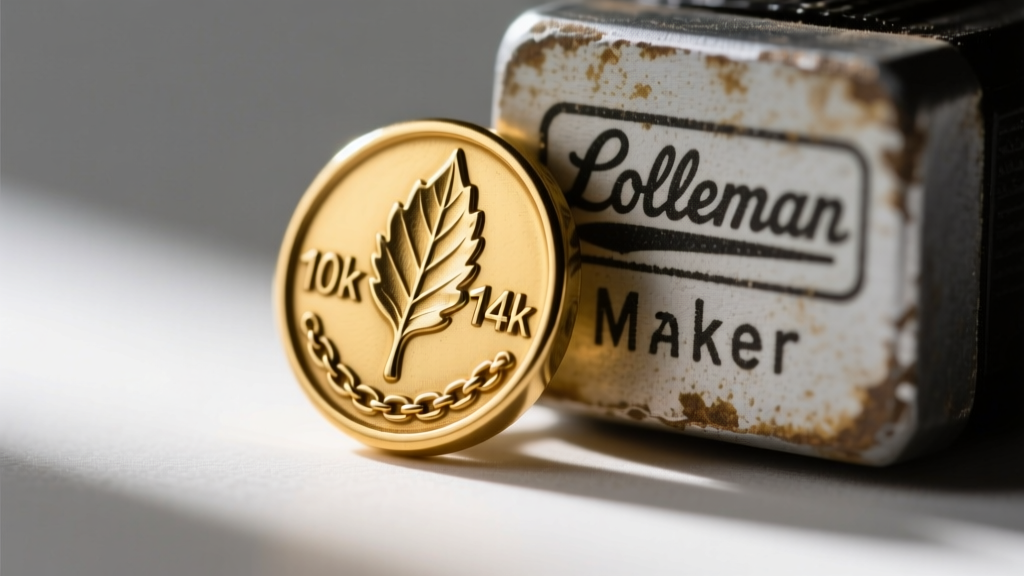
- Coleman: Known for exceptional die-striking and heavy 14k gold chains, vintage Coleman pieces from the 1960s and 1970s are highly sought after for their durability and bold, deeply engraved leaf textures.
- Mount Rushmore Gold & WR Gold: These mid-tier manufacturers produced excellent quality pieces, often featuring slightly more stylized or symmetrical leaf patterns. They offer excellent value for buyers who want authentic vintage Black Hills gold without the Landstrom’s collector tax.
Metallurgy: The Tri-Color Alloy Secret
To accurately assess a vintage Black Hills gold necklace, you must understand its unique metallurgical composition. Pure 24k gold is yellow. To achieve the signature rose and green hues, alloy metals are introduced. According to the Gemological Institute of America (GIA), rose gold achieves its pinkish-red hue through the addition of copper, while green gold is created by alloying gold with silver (and historically, trace amounts of cadmium or zinc).
In vintage Black Hills gold, the delicate leaves and grapes are almost universally crafted in 10k or 12k gold. This lower karat weight is not a cost-cutting measure; it is a metallurgical necessity. A higher percentage of copper and silver is required to produce vivid, saturated rose and green colors, which inherently lowers the pure gold content. Conversely, the base chain, pendant frames, and structural settings are typically crafted in 14k yellow gold for tensile strength. When appraising a piece, an experienced buyer expects to see dual karat stamps (e.g., ‘10k’ on the leaves and ‘14k’ on the chain). A vintage piece stamped entirely in 14k tri-color is exceptionally rare and highly valuable, as achieving deep color variation in 14k alloys requires master-level metallurgy.
Market Valuation: What Should You Actually Pay?
Budgeting for a vintage Black Hills gold necklace requires navigating a fragmented estate market. Pricing is heavily influenced by the era of manufacture, the complexity of the pendant, and the presence of original hallmarks. Below is a comprehensive valuation matrix based on current market data for authenticated vintage pieces.
| Valuation Tier | Era & Maker Profile | Design Complexity | Estimated Market Price |
|---|---|---|---|
| Entry-Level | 1980s-1990s, Minor/Unknown Makers | Small single-leaf pendants, lightweight 14k rope chains (16-18 inches) | $150 - $280 |
| Mid-Tier Collector | 1960s-1970s, Coleman or Mount Rushmore | Intricate multi-leaf pendants, heart lockets, standard weight chains | $350 - $650 |
| Premium Vintage | 1950s-1980s, Authenticated Landstrom’s | Large statement pendants, cross motifs, heavy 14k link chains | $700 - $1,400 |
| Museum/Antique | Pre-1940s, Early Workshop Origins | Hand-forged vines, large agate/onyx centerpieces, museum provenance | $1,800 - $3,500+ |
Authentication and Condition Red Flags
When inspecting a vintage piece, the Federal Trade Commission Jewelry Guides mandate accurate karat and origin stamping, but the secondary market is rife with repaired or altered items. The most critical vulnerability of vintage Black Hills gold is the soldering. The tri-color leaves are individually stamped, engraved, and then soldered onto the yellow gold base. Mid-century workshops often used lower-temperature, lead-based or cadmium-based solders to prevent the delicate leaves from melting during assembly.
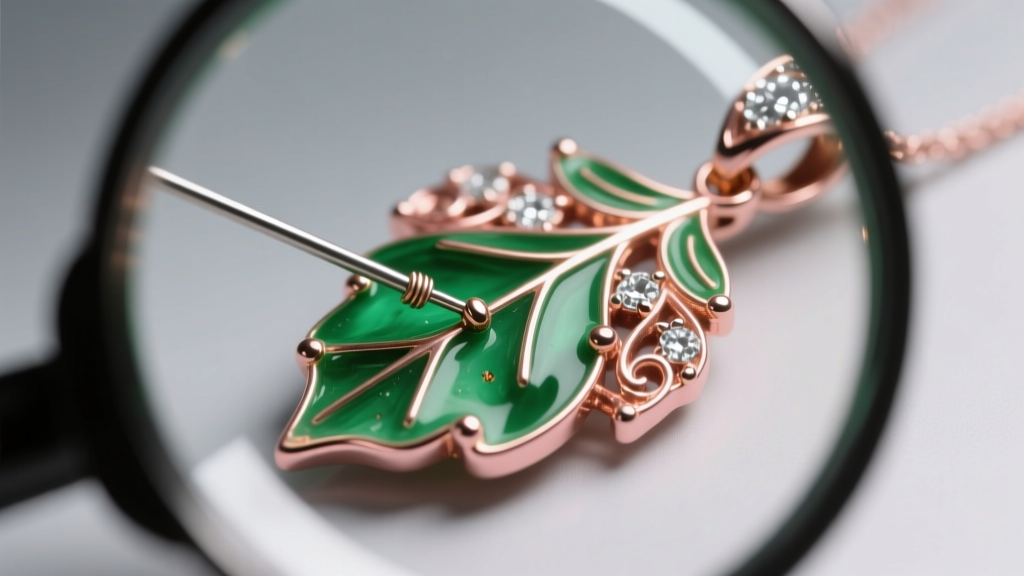
Decades of wear, exposure to skin oils, and improper ultrasonic cleaning can cause these vintage solder joints to degrade, leading to ‘leaf lift’ or missing grapes. When evaluating a potential purchase, always use a 10x jeweler’s loupe to inspect the underside of the leaves. If you see dull, grayish smears around the leaf stems, the piece has likely been repaired with cheap silver solder or epoxy, which drastically reduces its collector value. Authentic, high-quality vintage repairs should only be performed using modern laser welding technology, which fuses the gold without requiring high-heat flux that can discolor the rose and green alloys. Furthermore, ensure the hallmark stamps are crisp. A smeared or partially polished-off ‘SD’ or maker’s mark is a major red flag indicating the piece may have been heavily buffed, stripping away the hand-engraved leaf veins that give the jewelry its signature depth and light-catching brilliance.
Final Verdict: Is the Vintage Premium Justified?
From a pure budget and value assessment perspective, investing in a vintage Black Hills gold necklace is highly justified, provided the piece is authenticated and structurally sound. Modern Black Hills gold, while beautiful, often relies on computer-assisted casting and lighter gold weights to meet contemporary price points. Vintage pieces from the 1960s and 1970s offer a tangible heft, superior hand-engraved detailing, and a rich historical provenance that new jewelry cannot replicate. By focusing on authenticated Landstrom’s or Coleman pieces, verifying the dual-karat alloy stamps, and meticulously inspecting the solder joints, collectors can secure heirloom-quality American jewelry that consistently holds its value and outperforms generic gold pendants in the long-term estate market.


