Gifting a Vintage Gold Heart Necklace: The Ultimate Occasion Guide
Discover how to choose, authenticate, and gift the perfect vintage gold heart necklace for anniversaries, birthdays, and milestones.

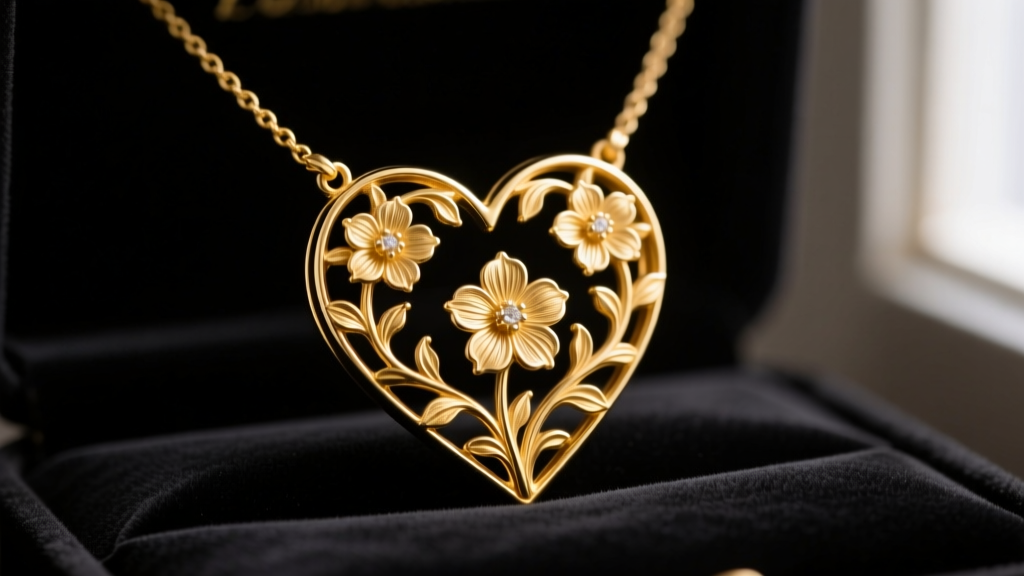
The Enduring Appeal of the Vintage Gold Heart Necklace
Gifting jewelry is an intimate act, but gifting a piece of history elevates the gesture into something truly unforgettable. A vintage gold heart necklace transcends fleeting seasonal trends, offering a tangible connection to the past while symbolizing enduring affection. Unlike mass-produced contemporary pendants, vintage pieces carry the subtle imperfections, superior craftsmanship, and unique metallurgical characteristics of their respective eras.
However, navigating the estate jewelry market requires a discerning eye. From understanding historical hallmarks to identifying structural vulnerabilities in antique bails, selecting the right piece demands both emotional intelligence and technical knowledge. This comprehensive guide will walk you through the nuances of eras, authentication, and occasion-matching to ensure your gift is both historically significant and structurally sound.
Decoding Vintage: Eras and Design Motifs
The term "vintage" is often misused. In the jewelry trade, a piece must be at least 20 to 30 years old to be considered vintage, while "antique" strictly refers to items over 100 years old. When hunting for a vintage gold heart necklace, you will primarily encounter four distinct design periods, each with unique aesthetic signatures.
Victorian (1837–1901)
Victorian heart pendants are deeply sentimental. Following the death of Prince Albert, Queen Victoria popularized mourning jewelry, but romantic motifs thrived alongside it. Look for repoussé (embossed) floral patterns, acrostic gemstone arrangements, and hearts adorned with seed pearls, which historically symbolized tears. Lockets from this era were often crafted in 9k, 15k, or 18k yellow gold and feature hand-engraved monograms on the reverse.
Art Nouveau (1890–1910)
Art Nouveau rejected the rigid symmetry of the Victorian era in favor of organic, flowing lines. A heart pendant from this period might feature plique-à-jour enameling (resembling stained glass) or whiplash curves. Rose gold was occasionally used, but 18k yellow gold with bezel-set old mine cut diamonds remains the hallmark of high-end Art Nouveau hearts.
Art Deco (1920–1935)
If your recipient prefers geometric elegance, the Art Deco period is ideal. Hearts from the 1920s are often rendered in 14k or 18k white gold, featuring intricate filigree work, milgrain edging, and contrasting onyx or carved coral accents. The silhouettes are sharper, and the craftsmanship reflects the machine-age precision of the era.
Retro (1935–1950)
Born out of the metal rationing of World War II, Retro jewelry is bold, chunky, and unapologetically glamorous. The quintessential Retro vintage gold heart necklace features a "ribbon bow" motif draped over a puffy, three-dimensional heart. These were predominantly crafted in 14k rose gold or two-tone gold, utilizing smaller accent stones like rubies and sapphires due to diamond shortages.
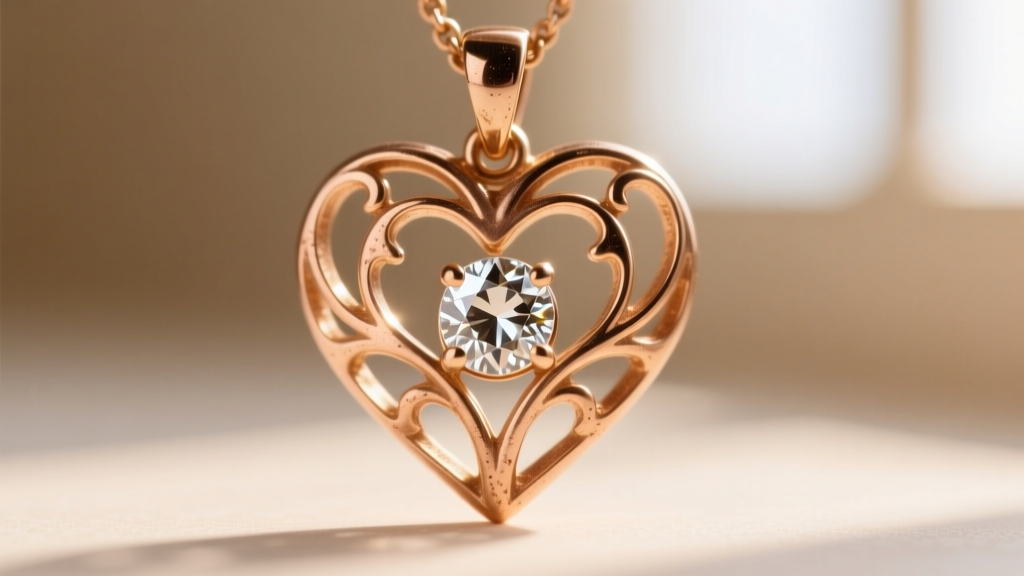
Authentication & Material Grades: What to Look For
Authenticating a vintage gold heart necklace goes beyond simply looking for a karat stamp. According to the Gemological Institute of America (GIA), historical gold alloys varied wildly by region and decade. British pieces often bear a crown hallmark alongside the karat number (e.g., 18 and 750 for 18k), while American pieces from the early 20th century might simply be stamped "14K" or lack a stamp entirely, relying on the maker's mark.
Below is a structural breakdown of what to expect regarding materials, pricing, and durability across different vintage gold grades:
| Gold Grade | Typical Era / Region | Durability & Wear | Avg. Estate Price Range |
|---|---|---|---|
| 9k Gold (375) | Victorian / British | Highly durable, prone to dulling, requires polishing | $150 – $400 |
| 14k Gold (585) | Art Deco & Retro / US | Excellent balance of strength and rich color | $400 – $1,200 |
| 15k Gold (625) | Victorian / British | Softer than 14k, beautiful warm hue, rare today | $500 – $1,500 |
| 18k Gold (750) | Art Nouveau / European | Softer, rich yellow tone, prone to scratching | $1,200 – $3,500+ |
Expert Tip: Always use a jeweler's loupe to inspect the interior of the bail and the edges of the pendant. Authentic vintage pieces will show microscopic, directional wear patterns consistent with decades of friction, whereas artificially "antiqued" modern reproductions will have uniform, sandblasted distressing.
Matching the Necklace to the Occasion
The historical context of the pendant should align with the emotional weight of the occasion. Here is a decision framework for matching specific vintage styles to milestone events.
Anniversaries & Romantic Milestones
For a 10th or 25th anniversary, opt for a Retro 14k rose gold ribbon heart. The bold, three-dimensional nature of Retro jewelry makes a statement, and the rose gold hue offers a romantic, warm tone that flatters all skin types. If the pendant includes a hidden locket compartment, it provides an opportunity to insert a microscopic modern photo, bridging the gap between history and your current relationship.
Graduations & Coming-of-Age
A Victorian seed pearl heart or a delicate Art Deco filigree pendant is perfect for a high school or college graduation. These pieces are generally lighter and sit closer to the collarbone, making them ideal for daily wear as the recipient enters the professional world. The seed pearls symbolize wisdom gained through experience, adding a layer of narrative depth to the gift.
Generational Heirlooms (New Mothers)
Gifting a vintage locket heart to a new mother is a time-honored tradition. Seek out late-Victorian or Edwardian 15k or 18k gold lockets with deep, hand-chased engraving on the exterior. Ensure the interior frames are intact and the hinge mechanism is tight; a loose hinge on a century-old locket is a common failure point that requires immediate repair.
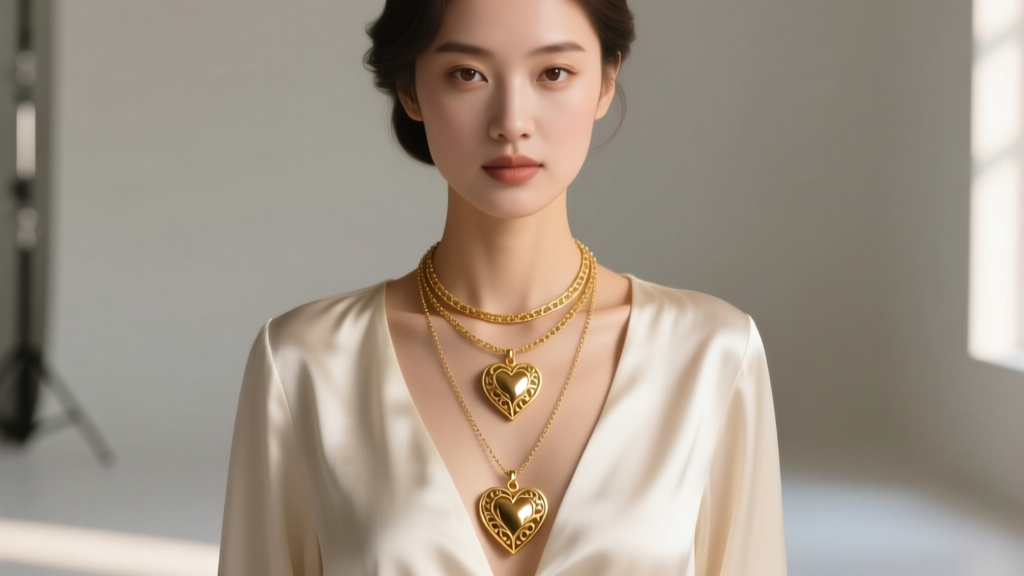
Chain Pairings and Structural Integrity
The most critical, yet frequently overlooked, aspect of gifting a vintage gold heart necklace is the structural integrity of the bail—the loop that connects the pendant to the chain. Over decades of wear, the friction of a chain rubbing against the bail can thin the gold to less than 0.5mm, creating a severe snap hazard.
- Inspect the Bail: If the metal is paper-thin, factor in a $40 to $80 repair cost to have a master jeweler solder a new, period-appropriate solid gold bail before presenting the gift.
- Chain Selection: Never pair a heavy 8-gram Retro pendant with a delicate 0.9mm modern chain. The weight disparity will cause the chain to stretch and eventually break. Instead, opt for a 1.5mm to 2.0mm solid cable or belcher chain.
- Clasp Mechanics: While modern lobster claws are secure, they look anachronistic on antique chains. For a historically accurate presentation, seek out chains with spring-ring or bolt-ring clasps, ensuring the internal spring mechanism is still snappy and functional.
Sourcing and Long-Term Care
Authentic vintage gold heart necklaces are best sourced from reputable estate jewelry dealers, established auction houses, or vetted platforms like 1stDibs and Ruby Lane. Avoid generic marketplace apps unless the seller provides high-resolution macro photography of the hallmarks and bail.
Once acquired, proper care is essential to preserve the piece's historical patina. According to conservation guidelines from the Victoria and Albert Museum, ultrasonic cleaners are strictly prohibited for vintage jewelry. The high-frequency vibrations can shatter old mine cut diamonds that have internal fractures, and they will strip away fragile Art Nouveau enamel.
Instead, clean the necklace using a few drops of pH-neutral dish soap, lukewarm water, and an extra-soft baby toothbrush. Gently agitate the crevices of the filigree or repoussé work, rinse thoroughly, and pat dry with a lint-free microfiber cloth. By understanding the history, structure, and care requirements of these remarkable pieces, you ensure that your vintage gold heart necklace will survive to become a true family heirloom for the next generation.


