Is a Vintage Gold Mesh Necklace Worth the Investment? Value Guide
Discover how to assess the true value of a vintage gold mesh necklace. Learn pricing tiers, material grades, and authentication tips before you buy.

The Allure and Reality of Vintage Gold Mesh
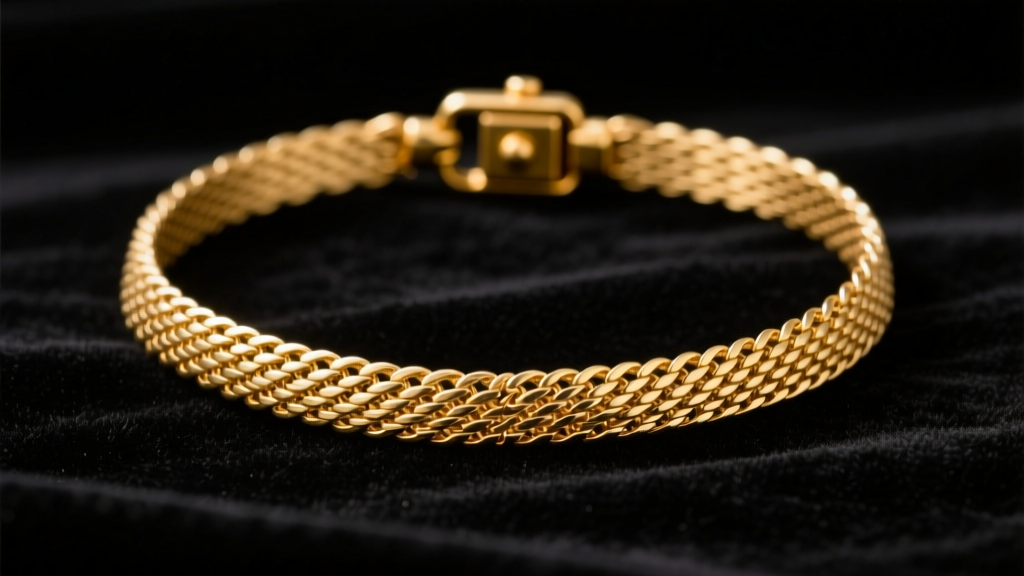
Few jewelry styles capture the opulent yet fluid essence of mid-century design quite like a vintage gold mesh necklace. Often described as 'liquid gold,' these pieces drape with a heavy, fabric-like elegance that solid chains simply cannot replicate. Whether you are eyeing a 1950s Milanese weave or a bold 1980s designer cobra mesh, assessing the true market value requires looking far beyond the surface shine. As a collector or budget-conscious buyer in 2026, understanding the metallurgy, structural vulnerabilities, and historical pricing tiers is essential to determining whether a specific piece is a sound investment or an overpriced liability.
The golden era of mesh jewelry spans from the post-WWII 1940s through the bold, maximalist 1980s. During this time, advancements in jewelry looms allowed for the mass production of intricate, flexible metal fabrics. However, not all vintage mesh was created equal. The market is currently flooded with modern reproductions masquerading as mid-century originals, making authentication and material grading the most critical steps in your budget assessment.
Decoding Materials: Solid, Filled, or Plated?
The single largest factor dictating the price of a vintage gold mesh necklace is its core material. Because mesh requires a massive amount of surface area to create the woven effect, the difference in gold content drastically alters the weight, durability, and ultimate value. According to the Gemological Institute of America (GIA), understanding gold purity marks is the first line of defense against overpaying.
| Material Grade | Common Hallmarks | 2026 Vintage Market Price (18-inch) | Longevity & Wearability |
|---|---|---|---|
| Solid 14k Gold | 14k, 585, 14KP | $900 - $2,200 | Excellent; heirloom quality, withstands daily wear. |
| Solid 18k Gold | 18k, 750 | $2,500 - $8,000+ | Superior color, but softer; prone to stretching if heavy. |
| Gold-Filled (GF) | 1/20 14k GF, 1/10 12k GF | $150 - $350 | Very good; thick gold layer bonded to brass core. |
| Gold Plated / Vermeil | HGE, Gold Electroplate, 925 | $60 - $180 | Poor; plating wears off rapidly on high-friction mesh. |
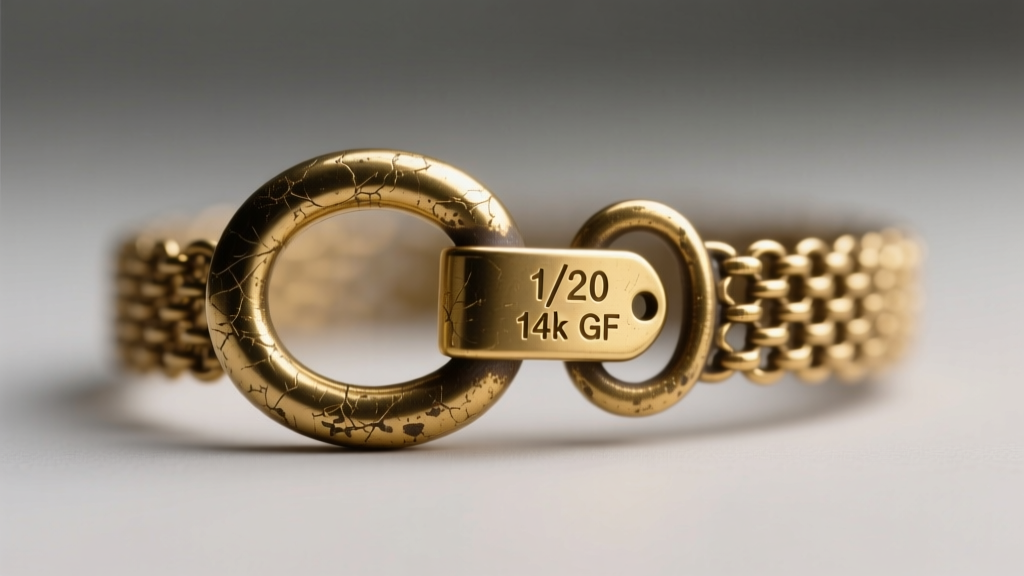
For buyers on a strict budget, a 1/20 14k gold-filled vintage piece offers the best compromise. The Federal Trade Commission (FTC Jewelry Guides) mandates that gold-filled items must contain at least 1/20th of their total weight in solid gold, mechanically bonded to a base metal. This provides decades of wear without the solid gold premium, provided the mesh hasn't been aggressively polished down to the brass core.
Authentication vs. Reproduction: Spotting the Fakes
When evaluating a vintage gold mesh necklace, you must verify its age and structural integrity. Modern reproductions often use laser-cut, flat-stamped links designed to mimic the look of woven wire, lacking the three-dimensional tubular structure of true vintage Milanese or Naga weaves.
Clasp and Hallmark Forensics
Original mid-century mesh necklaces rarely feature modern lobster clasps. Instead, look for vintage box clasps with double safety catches, or early spring-ring mechanisms. The hallmark on the clasp tongue or the figure-eight safety should be deeply struck, not laser-etched. Furthermore, authentic vintage European pieces (particularly from Italian makers in the 1960s and 70s) will often bear a maker's mark and an assay stamp, such as the Italian star and province code (e.g., *VI for Vicenza).
The Weave Integrity and 'Snag Test'
The most catastrophic failure mode for any vintage gold mesh necklace is kinking. Unlike standard cable chains, mesh is composed of hundreds of microscopic interlocking rings or flattened wires. If the necklace is bent sharply or stored improperly, the internal structure collapses, resulting in a permanent, hard kink. Never buy a kinked vintage mesh necklace expecting to repair it. The metal has been work-hardened and stretched beyond its yield point; attempting to flatten it will only cause the microscopic wires to snap.
Additionally, perform the 'snag test.' Run the mesh gently over a piece of fine silk or your own skin. True vintage woven mesh should feel entirely smooth, like liquid. If it catches, snags, or feels abrasive, the weave has been compromised, or it is a cheap modern stamped imitation with sharp, unfinished edges.
Market Pricing Tiers for 2026 Collectors
To accurately budget for your acquisition, it helps to categorize the market into three distinct tiers based on provenance, weight, and brand recognition.
- Tier 1: Unbranded & Gold-Filled ($120 - $400)
The entry point for vintage enthusiasts. These are typically 1970s gold-filled Milanese weaves or 1980s cobra chains. They offer the vintage aesthetic and heavy drape but hold little intrinsic melt value. Budget accordingly and prioritize clasp condition over gold purity. - Tier 2: Solid 14k Unbranded & Estate ($900 - $2,500)
The sweet spot for intrinsic value. An 18-inch, 3mm solid 14k gold mesh necklace typically weighs between 14 and 20 grams. At current gold spot prices, the melt value alone provides a strong price floor, protecting your investment against market fluctuations. - Tier 3: High-End Designer ($3,500 - $15,000+)
Pieces from iconic houses like Bulgari (famous for the tubular 'Gaspipe' mesh), Marina B, or Buccellati command massive premiums. Here, you are paying for the brand's archival value, proprietary weave patents, and exceptional 18k craftsmanship. Authentication papers and original boxes are mandatory at this price point to ensure resale liquidity.

Hidden Costs: Restoration and Maintenance
When budgeting for a vintage gold mesh necklace, you must factor in the hidden costs of maintenance and potential restoration. Mesh is notoriously difficult for bench jewelers to work with.
If the original box clasp fails or the jump rings thin out, a jeweler cannot simply use a standard butane torch to solder the new findings. The intense heat will instantly melt the delicate mesh wires into a solid, unsalvageable glob of gold. Instead, the repair requires a laser welder, which uses pinpoint light energy to fuse metal without transferring heat to the surrounding weave. Expect to pay a premium of $125 to $250 for laser soldering on vintage mesh.
Cleaning also presents a budget consideration. While ultrasonic cleaners are generally safe for solid gold mesh, they can strip the remaining gold layer right off a vintage gold-filled or plated piece if the bonding is already degraded. Furthermore, vintage mesh traps decades of skin oils, lotions, and environmental dust deep within the weave. Professional steam cleaning by a jeweler (usually $30-$50) is highly recommended upon purchase to restore the original 'liquid' reflectivity without risking structural damage from harsh chemical dips.
Final Verdict: Budgeting for Your Piece
Is a vintage gold mesh necklace worth the investment? Absolutely, provided you buy with your eyes open to the material realities. For buyers seeking pure aesthetic and historical charm on a budget, a well-preserved 1/20 14k gold-filled Milanese weave from the 1970s offers unmatched vintage glamour for under $300. However, if your goal is wealth preservation and heirloom longevity, allocate a minimum of $1,200 to acquire a solid 14k or 18k piece with verified weight, flawless weave integrity, and a structurally sound vintage clasp. By prioritizing structural forensics over superficial shine, you can secure a piece of mid-century luxury that will drape beautifully for generations to come.


