The Ultimate Hart Charm Necklace Buying Guide & Style Tips
Discover how to choose the perfect hart charm necklace. Explore metal grades, chain pairings, and expert tips for styling stag motif jewelry.

The Symbolism and Anatomy of the Hart Motif
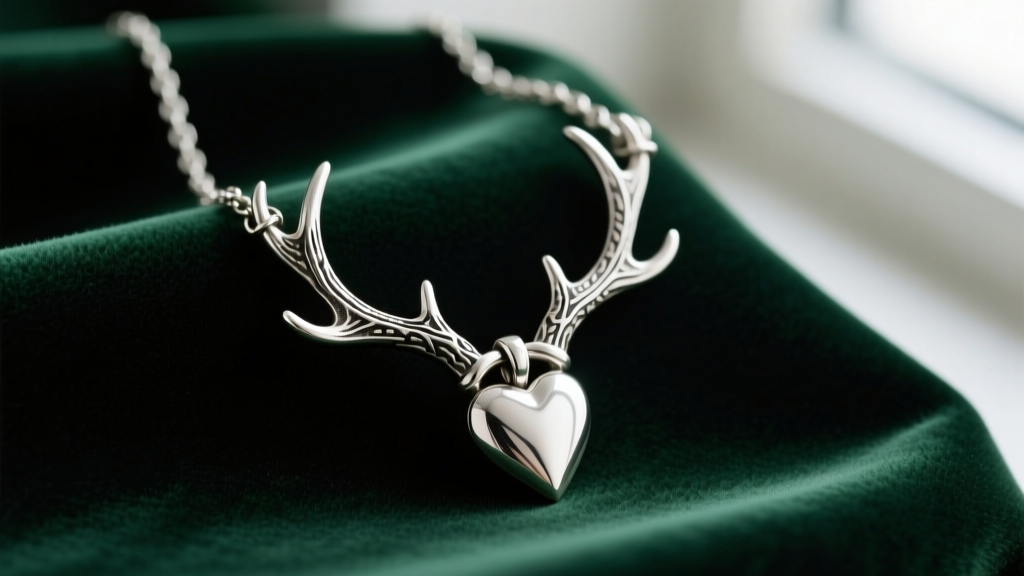
While frequently mistaken by modern searchers as a typo for 'heart,' a hart is actually a mature male red deer, specifically one over five years of age. In jewelry design, the hart charm necklace occupies a prestigious niche, bridging the gap between rustic nature-inspired adornments and high heraldic art. Historically, the hart was a potent symbol of nobility, solitude, and the untamed wilderness. The most famous iteration is the White Hart, the personal badge of King Richard II of England, which cemented the stag motif in European luxury goods for centuries.
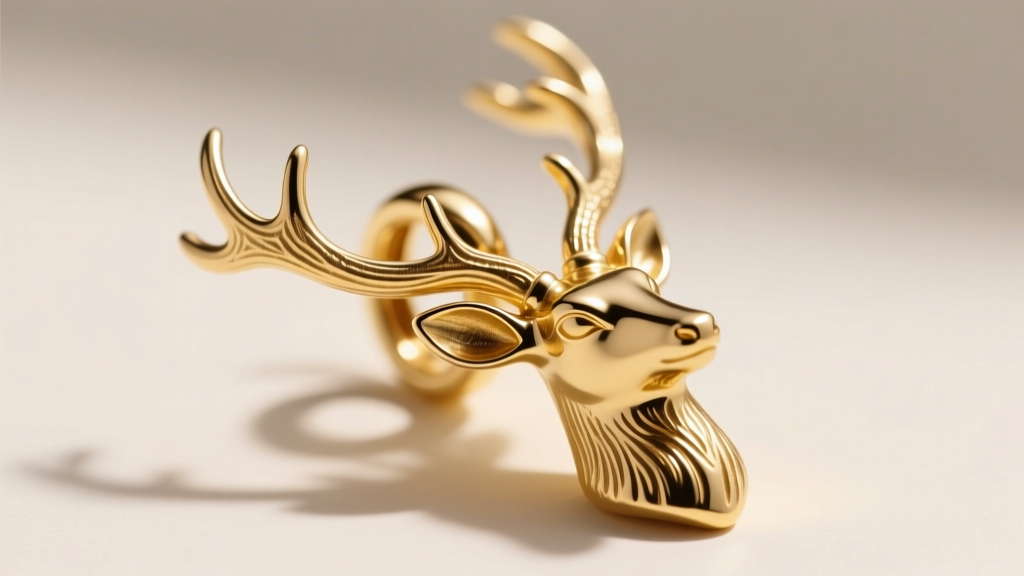
When evaluating a high-quality hart pendant, anatomical accuracy and artistic interpretation are paramount. Expert silversmiths and goldsmiths pay meticulous attention to the antler structure. A mature hart's antlers feature specific anatomical markers: the brow tine, the bez tine, the trez tine, and the coronet at the base where the antler meets the pedicle. Mass-produced charms often blur these details into generic spikes, whereas artisan-cast pieces will showcase the rough, bark-like texture of the coronet and the smooth, sweeping curves of the upper tines. According to the Victoria and Albert Museum, the depiction of fauna in historical jewelry was never arbitrary; it was a deeply coded language of status and allegiance.
Metallurgy: Choosing the Right Alloy for Your Pendant
The metal grade of your hart charm necklace dictates not only its price but how it interacts with the intricate textures of the stag motif. Because wildlife pendants rely heavily on shadow and light to define fur and antler ridges, the alloy's ability to hold a patina is critical.
Sterling Silver vs. Argentium Silver
Standard 925 sterling silver is the industry baseline, but it is highly susceptible to tarnish, particularly in the deep crevices of a textured stag pendant. For a premium alternative, seek out Argentium Silver (960). Alloyed with germanium, Argentium is highly tarnish-resistant and possesses a natural brightness that requires less rhodium plating. However, if you prefer a darkened, antique look where the recesses of the hart's fur remain black while the high points are polished, traditional 925 silver treated with liver of sulfur is the superior choice.
Bronze and Brass: The Rustic Alternatives
Bronze (an alloy of copper and tin) offers a warm, earthy tone that perfectly complements the forest-dwelling nature of the hart. However, buyers must be aware of the verdigris effect. High skin acidity can cause bronze to oxidize rapidly, leaving a green residue on the chest. To mitigate this, look for bronze pendants that have been sealed with a micro-crystalline wax or a clear ceramic nano-coating.
Manufacturing Methods: Lost-Wax vs. Die-Struck
The manufacturing technique fundamentally alters the final aesthetic of the necklace. Understanding this distinction is vital for serious collectors.
| Casting Method | Process Overview | Best For | Durability & Detail |
|---|---|---|---|
| Lost-Wax Casting | An original wax model is carved, encased in investment, burned out, and replaced with molten metal. | 3D, asymmetrical, and highly textured stag heads with organic fur and bark details. | Exceptional detail retention; slightly more porous, requiring careful polishing. |
| Die-Struck / Stamping | Sheet metal is pressed between two hardened steel dies under immense pressure. | Flat, 2D profile silhouettes of a leaping hart or simple antler outlines. | Highly dense and durable metal grain, but lacks 3D depth and organic texture. |
Chain Mechanics: Gauges, Bails, and Drape
A common failure point in heavy motif jewelry is the mismatch between the pendant's weight and the chain's tensile strength. A solid cast 925 silver hart charm can easily weigh between 12 and 25 grams. Pairing this with a delicate 0.8mm chain is a recipe for a snapped necklace.
The Bail Architecture: The bail (the loop connecting the charm to the chain) on a hart pendant requires special engineering. Because antlers are wide and top-heavy, a standard soldered loop on the back of the head can cause the pendant to flip upside down during wear. Look for 'hidden bails' integrated seamlessly into the back of the stag's neck, or a top-drilled loop that passes horizontally through the thickest part of the antler coronet. The interior diameter of the bail should be at least 4mm to accommodate heavier chains.
Chain Selection: For a 15-gram pendant, a 1.5mm to 2.0mm chain is mandatory. The Gemological Institute of America (GIA) notes that chain link construction heavily influences drape and strength. A Rolo chain (round, interlocking links) or a Figaro chain provides excellent structural integrity and a masculine or gender-neutral aesthetic that pairs beautifully with wildlife motifs. Avoid hollow-core ropes or snake chains, which are prone to kinking and snapping under the pendulum-like swing of a heavy charm.
Pricing Tiers and Authenticity Markers
When shopping for a hart charm necklace in 2026, pricing is heavily stratified by material, origin, and artisan labor. Use this framework to gauge fair market value:
- Mass-Produced Base Metals ($25 - $60): Typically cast in brass or zinc alloy with a thin silver or gold plating. Details are often muddy, and the plating will wear off the high-relief antler tips within months of daily friction.
- Artisan Sterling Silver ($90 - $250): Hand-finished lost-wax casts. These pieces will feature intentional oxidation (patina) in the recesses and a mirror polish on the high points. Look for the '925' stamp and, ideally, a maker's mark.
- Solid Gold & Heritage Casting ($600 - $1,500+): Cast in solid 14k or 18k yellow or rose gold. The density of gold allows for incredibly crisp rendering of the hart's fur and facial features. These are investment-grade heirloom pieces.
Expert Authentication Tip: Never rely on a simple '925' stamp alone, as it is easily forged on imported goods. According to the London Assay Office, true precious metal authenticity is verified by a full hallmark, which includes the maker's mark, the fineness mark, and the assay office mark. If buying vintage or high-end artisan silver, request a loupe photo of the hallmark.
Patina Maintenance and Long-Term Care
The visual impact of a hart charm necklace relies entirely on the contrast between the dark, shadowed crevices of the metal and the bright, polished high points. Improper cleaning is the fastest way to ruin this contrast.
What to Avoid: Never use liquid silver dip or ultrasonic cleaners on an intentionally oxidized wildlife pendant. These aggressive chemical baths will strip the dark liver-of-sulfur patina from the deep fur textures and antler ridges, leaving the piece looking flat, gray, and lifeless.
The Correct Cleaning Protocol: 1. Use a soft, dry horsehair detailing brush to gently sweep out dust, skin cells, and lint from the intricate coronet and brow tines. 2. If the high points have dulled from skin oils, gently buff only the raised surfaces with a dry, untreated microfiber polishing cloth. 3. Once a year, apply a micro-thin layer of Renaissance Wax to the entire pendant using a cotton swab. This museum-grade wax stabilizes the patina, prevents moisture intrusion, and gives the metal a soft, organic luster that mimics the natural beauty of the forest.
Final Verdict: Investing in Fauna Jewelry
A hart charm necklace is more than a passing trend; it is a wearable piece of natural history and heraldic art. By prioritizing lost-wax casting, demanding anatomical accuracy in the antler structure, and correctly pairing the pendant with a structurally sound chain, you ensure that your jewelry will endure both physically and stylistically. Whether you opt for the dark, moody aesthetic of oxidized sterling silver or the warm, rustic glow of sealed bronze, the hart remains a timeless emblem of the wild, perfectly suited for the modern collector's neckline.


