Vintage Majorica Pearl Necklace: Material Properties & Value Guide
Discover the material science, durability, and market value of a vintage Majorica pearl necklace compared to cultured Akoya and freshwater pearls.

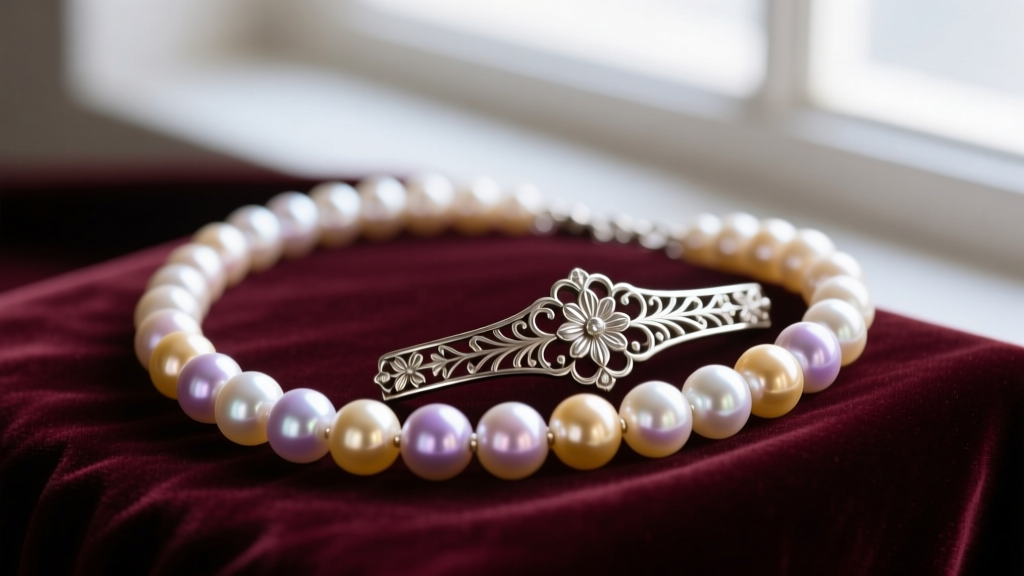
When navigating the secondary jewelry market, few items spark as much debate and fascination as the vintage Majorica pearl necklace. Often mistaken for high-end cultured pearls by the untrained eye, Majorica pearls occupy a unique, highly respected tier in the world of simulated gemstones. Founded in 1890 by Eduard Hugo Heusch on the Spanish island of Mallorca, the Majorica brand revolutionized the pearl industry by creating a simulant that mimicked the weight, luster, and tactile feel of natural nacre. For collectors, vintage enthusiasts, and jewelry historians, understanding the exact material properties, failure modes, and market valuation of these pieces is essential before making a purchase.
The Material Science Behind the Luster
Unlike cheap plastic beads coated in pearlescent paint, a true Majorica pearl is a marvel of early 20th-century material engineering. The core of every vintage Majorica pearl is crafted from dense, opaline glass. This specific glass formulation is chosen for its high specific gravity, ensuring the necklace possesses the same heavy, luxurious drape as a strand of genuine Akoya or South Sea pearls.
The magic, however, lies in the surface coating known as Essence d'Orient. This proprietary mixture is created by extracting guanine crystals—organic compounds found in the scales of herring and sardines—and suspending them in a specialized lacquer binder. According to historical manufacturing records, a single vintage Majorica pearl undergoes up to 30 individual dips into this guanine solution. Between each dip, the beads are subjected to ultraviolet light curing and hand-polishing. This meticulous layering process creates a deep, mirror-like luster that rivals the orient of fine cultured nacre, while the glass core provides structural rigidity that organic pearls sometimes lack.
Comparative Material Properties: Majorica vs. Cultured Pearls
To truly appreciate a vintage Majorica pearl necklace, one must compare its physical properties against its organic counterparts. While organic pearls are valued for their natural origins, Majorica pearls offer superior uniformity and resistance to certain environmental acids.
| Property | Vintage Majorica (Simulant) | Cultured Akoya (Organic) | Freshwater Cultured (Organic) |
|---|---|---|---|
| Core Material | Opaline Glass | Hardened Shell Bead | Solid Nacre (Mantle Tissue) |
| Surface Composition | Guanine Crystals & Lacquer | Calcium Carbonate (Nacre) | Calcium Carbonate (Nacre) |
| Mohs Hardness | 5.5 - 6.0 (Glass Core) | 2.5 - 4.5 (Nacre Surface) | 2.5 - 4.5 (Nacre Surface) |
| Reaction to Cosmetics | Highly Resistant | Highly Susceptible (Etching) | Highly Susceptible (Etching) |
| Average Vintage Price | $75 - $250 (Standard Strand) | $400 - $1,500+ | $100 - $400 |
As noted by the Gemological Institute of America (GIA), the primary advantage of high-end simulants like Majorica is their imperviousness to the acids found in human sweat, perfumes, and hairsprays, which routinely dissolve the calcium carbonate of organic pearls over decades of wear.
Common Failure Modes and Degradation
Despite their durability against acids, vintage Majorica necklaces are not immune to the ravages of time. When inspecting a piece from the 1950s through the 1980s, appraisers look for three specific material failure modes:
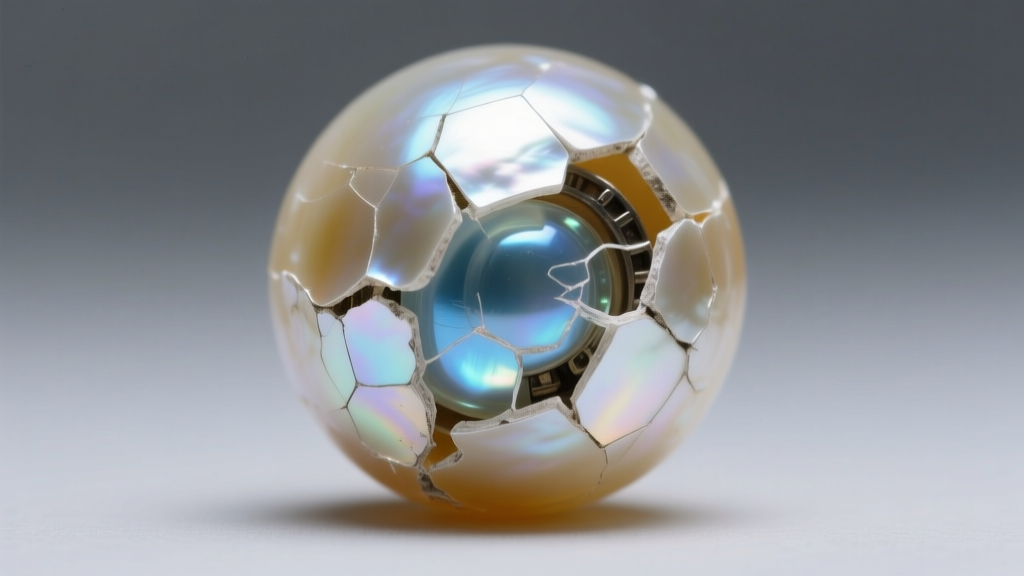
- Delamination and Peeling: If the necklace was stored in high-humidity environments or subjected to extreme temperature fluctuations, the lacquer binder in the guanine coating can become brittle. This results in microscopic flaking, revealing the milky glass core beneath.
- Binder Yellowing: Prolonged exposure to direct UV light can cause the organic components of the lacquer binder to oxidize and yellow, giving the pearls an unnatural, overly warm hue that deviates from their original crisp white or cream tones.
- Thread Degradation: Vintage strands were often strung on silk or early synthetic nylons. Over 50+ years, these fibers stretch and degrade, leading to dangerous gaps between the pearls that risk catastrophic strand failure.
Authentication: Identifying Genuine Vintage Majorica
The secondary market is flooded with inferior plastic simulants masquerading as Majorica. Authenticating a vintage Majorica pearl necklace requires a multi-step physical inspection.
The Tooth Test and Tactile Feedback
The most immediate diagnostic tool is the 'tooth test.' When gently rubbed against the biting edge of a front tooth, a genuine cultured pearl will feel distinctly gritty or sandy due to the microscopic aragonite platelets of the nacre. A Majorica pearl, despite its visual perfection, will feel perfectly smooth or slightly 'tacky' due to the lacquer binder. Furthermore, the glass core gives Majorica pearls a distinct thermal conductivity; they feel noticeably colder to the touch upon initial contact than plastic or resin simulants.
Clasp Hallmarks and Stampings
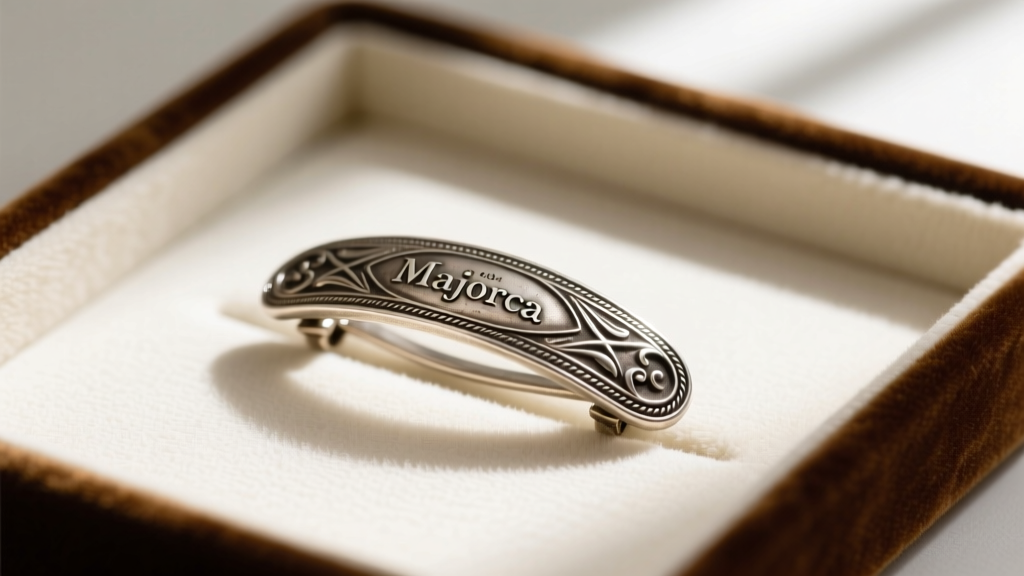
According to antique jewelry archives like Lang Antiques, the clasp is the definitive fingerprint of a vintage piece. Authentic vintage Majorica clasps are typically crafted from sterling silver or gold-plated base metals and will bear specific stampings. Look for the word 'Majorica' (often accompanied by a small crown motif), 'Made in Spain,' or the copyright symbol (©) which began appearing on pieces manufactured after the mid-20th century. Inferior knock-offs often feature unmarked, lightweight base-metal lobster clasps or poorly cast barrel clasps.
Restoration, Care, and Storage Protocols
Caring for a vintage simulant necklace requires a completely different protocol than caring for organic pearls. Because the surface is essentially a specialized lacquer, ultrasonic cleaners and chemical jewelry dips are strictly forbidden. The high-frequency vibrations will shatter the glass core or cause the coating to instantly delaminate, while harsh chemicals will strip the guanine layers.
Expert Care Tip: To clean a vintage Majorica strand, use only a slightly damp, lint-free microfiber cloth. Wipe each pearl individually to remove skin oils, then dry immediately. Store the necklace flat in a fabric-lined box away from direct sunlight to prevent UV degradation of the lacquer binder. Never hang a vintage glass-bead necklace, as the sheer weight of the glass cores will permanently stretch the vintage threading.
If the strand shows visible gaps between the knots, it must be professionally restrung. Jewelers typically recommend using a high-tenacity synthetic thread like PowerPro, as it can support the heavy glass cores without stretching over time, unlike traditional silk.
Market Value and Collectibility
Why do collectors pay premium prices for 'fake' pearls? The answer lies in historical significance, brand prestige, and the sheer perfection of the spheres. Majorica dominated the mid-century fashion jewelry market, favored by style icons who wanted the look of flawless, perfectly matched pearls without the exorbitant cost or the fragility of organic nacre.
Today, a standard 18-inch vintage Majorica pearl necklace in excellent condition (no peeling, original clasp intact) typically trades between $75 and $150 on platforms like Ruby Lane and 1stDibs. However, elaborate parures—sets that include matching clip-back earrings and intricate rhinestone-studded brooches or pendants from the 1950s and 60s—can command upwards of $300 to $500. The brand's official historical archives note that their mid-century designs often mirrored the haute couture trends of Paris, making these necklaces not just jewelry, but wearable artifacts of 20th-century fashion history.
Ultimately, a vintage Majorica pearl necklace is a triumph of material science. It offers the visual majesty and physical weight of fine oceanic pearls, wrapped in a durable, historically significant package that continues to captivate collectors and style enthusiasts alike.


