How to Safely Clean and Restore an Old Pearl Necklace
Learn how to safely clean, restore, and maintain an old pearl necklace. Expert tips on nacre care, silk restringing, and avoiding chemical damage.

The Anatomy of an Aging Pearl: Why Vintage Nacre Needs Special Care
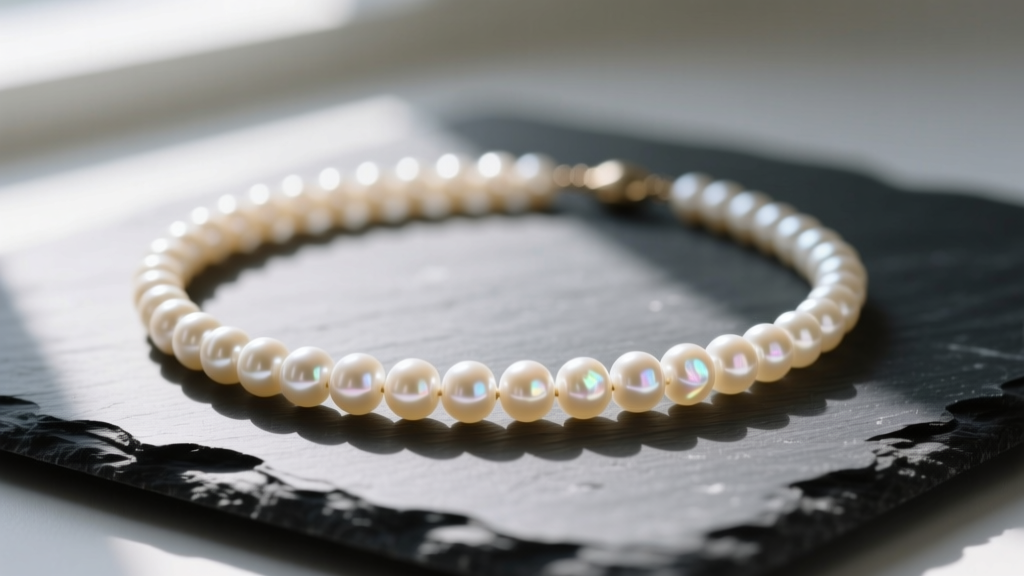
Inheriting or purchasing an old pearl necklace is a unique privilege. Unlike faceted gemstones that can withstand aggressive polishing, pearls are organic gems born from living mollusks. Their beauty lies in the nacre—the iridescent outer layer composed of microscopic aragonite (calcium carbonate) platelets bound together by conchiolin, an organic protein. Over decades, this delicate structure undergoes natural aging processes that demand highly specific conservation techniques.
According to the Gemological Institute of America (GIA), pearls rank between 2.5 and 4.5 on the Mohs scale of hardness, making them exceptionally vulnerable to scratching, chemical etching, and dehydration. As an old pearl necklace ages, the conchiolin protein can lose its natural moisture content. This dehydration leads to "crazing," a network of fine surface cracks that dull the pearl's orient and luster. Understanding this biological vulnerability is the first step in safely reviving a vintage piece without causing irreversible structural damage.
Step-by-Step Guide to Cleaning an Old Pearl Necklace
When dealing with a vintage piece, the golden rule of conservation is minimal intervention. Never use commercial jewelry dips, ultrasonic cleaners, or steamers. Ultrasonic vibrations can shatter the nacre layers, while heat from steamers will instantly dehydrate the conchiolin. Follow this meticulous, professional-grade cleaning protocol to safely lift decades of accumulated oils and environmental grime.
1. The Pre-Cleaning Structural Inspection
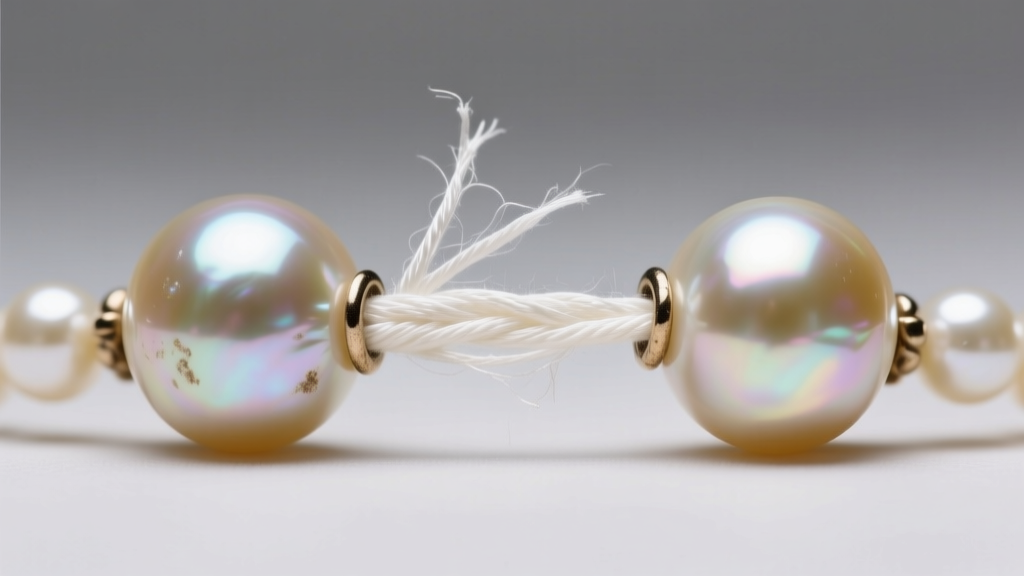
Before introducing any moisture, inspect the necklace under a bright, cool LED light. Check the silk thread between every single pearl. If you see fraying, darkening, or "gapping" (where the pearl moves freely between knots), do not wash the necklace. Water will weaken compromised silk, leading to a catastrophic string break. If the thread is sound, proceed to surface cleaning.
2. The Dry Microfiber Wipe
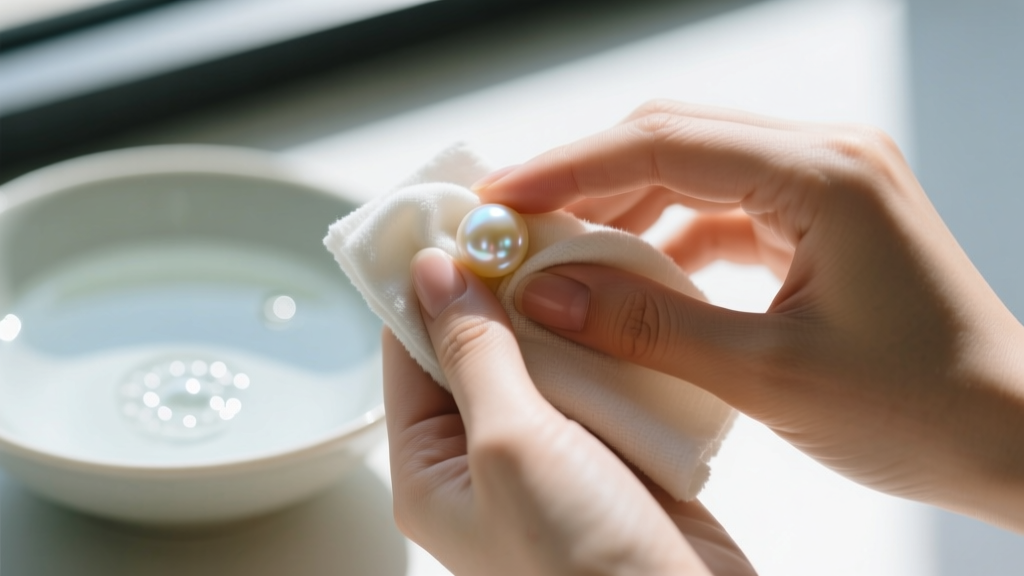
Often, the dullness on an old pearl necklace is simply a layer of modern sebum and cosmetic residue. Using a clean, untreated, ultra-fine microfiber cloth, gently wipe each pearl individually. Apply zero pressure; let the fibers lift the oils. This dry method should always be your first line of defense.
3. The Distilled Water Wash (For Heavy Grime Only)
If the pearls remain dull after a dry wipe, they require a gentle aqueous solution. Tap water contains chlorine and minerals that can leave microscopic deposits on the nacre. Instead, mix one cup of distilled water with a single drop of pH-neutral, unscented liquid castile soap (such as Dr. Bronner's Unscented Baby).
- Dampen a soft cotton swab or lint-free cloth in the solution and wring it out until it is barely moist.
- Wipe each pearl individually, avoiding the drill holes and the silk knots entirely.
- Immediately follow with a second cloth dampened only with pure distilled water to rinse away soap residue.
- Never submerge the necklace. Submerging allows water to seep into the drill holes, trapping moisture against the silk and accelerating rot.
4. The Flat Drying Protocol
Never hang a wet pearl necklace to dry. The weight of the water-logged pearls will stretch the wet silk thread, permanently ruining the drape and causing the knots to loosen. Lay the necklace perfectly flat on a dry, absorbent cotton towel in a cool, shaded room. Allow it to air dry completely for 24 hours before wearing or storing.
The Hidden Danger: Silk Thread Degradation and Restringing
The most critical maintenance requirement for an old pearl necklace is not cleaning the pearls themselves, but replacing the organic silk thread that holds them together. Historically, high-quality pearl necklaces were strung on 100% natural silk. While silk provides the perfect soft drape and protects the delicate nacre around the drill holes from friction, it is highly susceptible to stretching, UV degradation, and acidic breakdown from the wearer's perspiration.
Professional jewelers recommend restringing a frequently worn pearl necklace every 1 to 2 years, and an occasionally worn vintage piece every 3 to 5 years. When restringing, insist on hand-knotting between every single pearl. This prevents total loss if the strand breaks and stops the pearls from rubbing against one another. Below is a diagnostic guide to help you determine if your vintage strand requires immediate professional restringing.
| Warning Sign | What It Means | Required Action |
|---|---|---|
| Visible Gapping | The silk has stretched; knots are no longer flush against the pearl. | Restring immediately to prevent drill-hole abrasion. |
| Thread Discoloration | The silk has absorbed acidic perspiration and oils, weakening its tensile strength. | Restring using Griffin 100% natural silk (Size #4 or #6). |
| Fraying at the Clasp | Metal edges of the clasp are sawing through the silk over time. | Restring and install French wire (gimp) for clasp protection. |
| Stiff, Unyielding Drape | The silk is impacted with old dirt and oils, losing its flexibility. | Professional cleaning and complete restringing. |
When taking your necklace to a gemologist, ensure they use the correct thread thickness. For standard 6mm to 7mm vintage Akoya pearls, a Griffin Size #4 (0.15mm) silk thread is ideal. For larger 8mm to 9mm South Sea or freshwater pearls, a heavier Size #6 (0.20mm) is required. Furthermore, the jeweler must apply a 1.5mm coil of French wire (a fine, hollow metal tubing) where the silk loops through the metal clasp to prevent the metal from cutting the thread.
Chemicals to Banish from Your Pearl Care Routine
The aragonite in pearls is highly reactive to both acids and harsh alkalis. A common and disastrous mistake owners make is using standard household glass cleaners or jewelry polishing cloths treated with anti-tarnish chemicals. As noted in the GIA Pearl Care and Cleaning guidelines, exposure to everyday household chemicals can permanently etch the surface of the nacre, leaving it pitted and chalky.
"Never expose pearls to vinegar, lemon juice, ammonia, chlorine, or hairspray. Acids will dissolve the calcium carbonate structure of the pearl almost instantly, while chlorine from swimming pools will cause irreversible bleaching and structural weakening."
The "Last On, First Off" Rule
To minimize chemical exposure, adopt the strict "Last On, First Off" protocol. Your old pearl necklace should be the very last item you put on after applying makeup, lotions, perfumes, and hairsprays. Conversely, it must be the first item you remove when returning home, before washing your face or applying night creams. This simple behavioral habit prevents the buildup of acidic and alcoholic residues that eat away at the pearl's delicate orient.
Proper Storage Techniques for Heirloom Pearls
How you store an old pearl necklace is just as critical as how you clean it. Many collectors mistakenly store their vintage jewelry in airtight plastic bags or safety deposit boxes for years at a time. This is a fatal error for organic gems. Pearls require a certain level of ambient humidity to keep the conchiolin protein hydrated. Storing them in an airtight environment, especially alongside modern desiccants, will literally dehydrate the pearls, causing them to crack and peel.
Furthermore, never store pearls in polyvinyl chloride (PVC) plastic bags. As PVC ages, it off-gases trace amounts of hydrochloric acid and chlorine gas. In an enclosed space, these gases will aggressively etch the surface of your vintage pearls. Instead, store your necklace flat in an unbleached cotton or linen pouch. These natural fibers allow the pearls to "breathe" while protecting them from the abrasive scratches of harder gemstones like diamonds or sapphires.
If you live in an exceptionally dry climate, or if you keep your heirloom pearls in a bank vault, place a small, damp (not wet) cotton ball inside the storage box—ensuring it does not physically touch the pearls. This creates a micro-climate of stable humidity, preserving the structural integrity of the nacre for the next generation.
When to Call a Professional Gemologist
While routine wiping and flat drying can be managed at home, there are scenarios where an old pearl necklace requires the intervention of a certified gemologist or master stringer. If your pearls exhibit severe yellowing that goes beyond surface dirt, a professional may need to perform a specialized, controlled whitening process using dilute hydrogen peroxide baths—a highly risky procedure that should never be attempted by an amateur.
Additionally, if you notice any "peeling" where the nacre layers are physically flaking off near the drill hole, stop wearing the necklace immediately. This indicates a failure in the nacre deposition process or severe environmental damage, and further friction will strip the pearl down to its shell bead core. By combining meticulous at-home cleaning with professional restringing and chemically safe storage, you can ensure that your vintage pearl necklace retains its historic luster and structural integrity for decades to come.


