Wakanda Necklace Guide: Comparing Vibranium-Inspired Metal Alloys
Discover the best metals for a Wakanda necklace. We compare titanium, tungsten, and ruthenium-plated silver for durability, weight, and aesthetics.

The Myth of Vibranium: Translating Fiction to Metallurgy
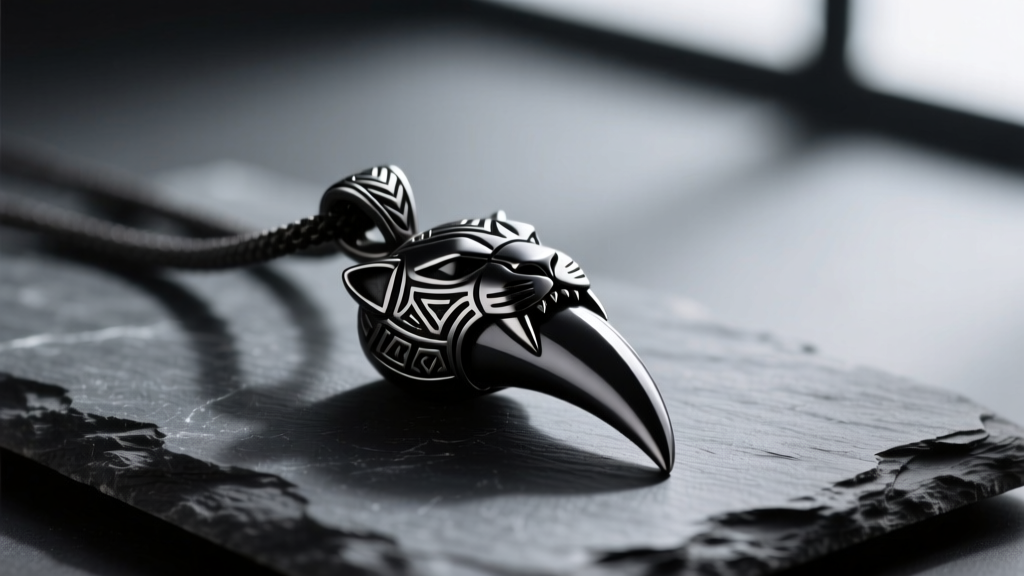
When fans, collectors, and fashion enthusiasts search for a Wakanda necklace, they are typically looking for pieces inspired by the iconic panther tooth pendants or the intricate, regal collar necklaces worn by the Dora Milaje. In the cinematic universe, these artifacts are forged from Vibranium—a fictional metal prized for being virtually indestructible yet remarkably lightweight. However, in the real world of 2026 metallurgy and jewelry design, Vibranium does not exist. Instead, master jewelers and independent artisans must rely on advanced real-world alloys to mimic these impossible physical properties.
Translating the essence of Wakandan jewelry into wearable art requires a deep understanding of material science. A successful Wakanda necklace must balance three competing factors: density (to ensure the pendant does not cause neck strain), hardness (to resist daily scratches and maintain a pristine, dark metallic sheen), and biocompatibility (to prevent contact dermatitis). According to the Gemological Institute of America (GIA), the modern consumer is increasingly educated on metal properties, demanding pieces that offer both aesthetic authenticity and structural longevity. This guide breaks down the exact metallurgical profiles of the top alloys used to craft high-end Wakanda-inspired necklaces today.
Top Metal Alloys for Wakanda-Inspired Necklaces
Grade 5 Titanium (Ti-6Al-4V): The Closest Functional Match
If Vibranium had a real-world cousin, it would be Grade 5 Titanium. Unlike commercially pure Grade 2 titanium, which is relatively soft, Grade 5 (an alloy of 90% titanium, 6% aluminum, and 4% vanadium) offers a yield strength of approximately 120 ksi (kilopounds per square inch). This makes it the premier choice for the sharp, intricate geometric patterns found in Black Panther pendants. As of 2026, advancements in 5-axis CNC milling allow jewelers to carve complex Wakandan tribal motifs into Grade 5 titanium with tolerances down to 0.05mm. Furthermore, its density of 4.43 g/cm³ means a large, imposing panther claw pendant will weigh less than half of what it would in stainless steel, providing exceptional all-day comfort. According to ASM International, Grade 5 titanium is also entirely hypoallergenic, making it the safest choice for wearers with severe metal sensitivities.
Tungsten Carbide: The Dark, Scratch-Resistant Option
For those who prioritize the dark, gunmetal aesthetic of Wakandan armor over lightweight comfort, Tungsten Carbide is the ultimate material. With a Vickers hardness rating of roughly 1500 HV, tungsten is nearly impervious to scratching from everyday hazards like keys, desks, or accidental drops. It naturally holds a polished, dark metallic finish that perfectly mimics the cinematic portrayal of raw Vibranium. However, its density is a staggering 15.6 g/cm³. A solid tungsten Wakanda necklace pendant of substantial size will be uncomfortably heavy and can easily snap standard chains. Therefore, expert jewelers utilize hollow-casting or 3D wax-printing techniques to reduce the overall mass while maintaining the visual bulk of the piece. Buyers must also verify that the tungsten is bound with nickel-free cobalt or alternative binders to avoid allergic reactions.
Ruthenium-Plated Sterling Silver: High-End Aesthetic
Sterling silver (925) is a staple in fine jewelry, but its natural bright white color does not fit the Wakandan aesthetic. To solve this, high-end artisans electroplate the silver with Ruthenium, a rare platinum-group metal. Ruthenium provides a deep, charcoal-grey to pitch-black finish that is significantly more durable and tarnish-resistant than traditional black rhodium. A Wakanda necklace crafted from ruthenium-plated silver offers the luxurious weight and thermal conductivity of precious metals while delivering the stealthy, dark aesthetic required for cosplay or high-fashion streetwear. The critical metric here is plating thickness; a premium piece should feature at least 1.5 to 2.0 microns of ruthenium to prevent premature wear at high-friction contact points.
Cast Brass and Bronze: The Traditionalist's Choice
For a more historically grounded approach that nods to traditional African metallurgy, many artisans cast Wakanda necklace replicas in brass (copper and zinc) or bronze (copper and tin). These alloys are highly malleable, allowing for deep, expressive lost-wax casting that captures organic textures like bone, wood, or woven fibers often seen in Wakandan costume design. However, these copper-based alloys are highly reactive. Without a protective clear-coat or regular polishing, the oils and sweat from human skin will cause the metal to oxidize, leaving a green verdigris patina on the wearer's chest. While some collectors appreciate this aging process as a mark of authenticity, it requires active maintenance.
Material Properties Comparison Chart
When selecting the base metal for your Wakanda necklace, it is crucial to understand how these materials perform under stress and daily wear. The following table, informed by data from the Jewelers of America and independent metallurgical testing, provides a direct comparison of the most common alloys used in 2026.
| Material Alloy | Density (g/cm³) | Hardness (HV) | Tarnish / Oxidation Risk | Avg. Price Range (Pendant) |
|---|---|---|---|---|
| Grade 5 Titanium (Ti-6Al-4V) | 4.43 | 334 | None (Passive oxide layer) | $120 - $350 |
| Tungsten Carbide (WC) | 15.60 | 1500+ | None | $80 - $200 |
| 925 Silver + Ruthenium Plate | 10.36 | 25 (Base) / 800 (Plate) | Low (Plating can wear) | $250 - $600+ |
| Cast Brass (Cu-Zn) | 8.40 - 8.70 | 60 - 150 | High (Requires sealing) | $40 - $120 |
Chain vs. Pendant: Material Pairing Strategies
A common failure mode in novelty and fandom jewelry is the mismatching of the pendant and the chain. If you are investing in a premium Wakanda necklace, the chain must be engineered to support the pendant both mechanically and chemically.
- Avoid Galvanic Corrosion: When two dissimilar metals rest against each other in the presence of an electrolyte (like human sweat), galvanic corrosion occurs. For example, pairing a solid brass pendant with a sterling silver chain will cause the silver to degrade rapidly. Always pair like-metals, or use an inert barrier like a leather or Kevlar cord.
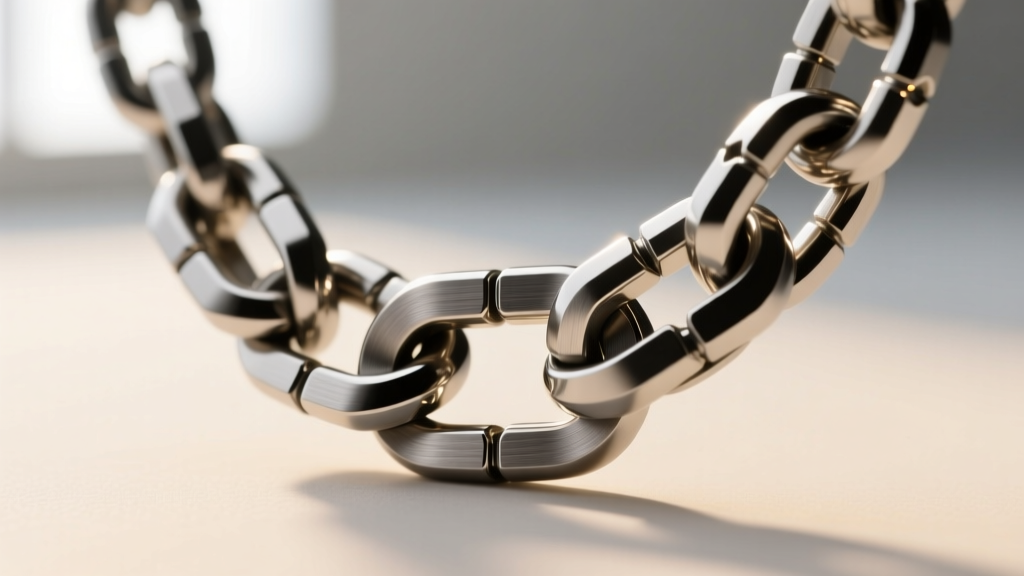
- Weight Distribution: A heavy tungsten carbide panther tooth pendant will easily snap a standard 1.5mm silver cable chain. For pendants exceeding 25 grams, opt for a 3mm to 4mm titanium box chain or a braided stainless steel rope chain with a secure lobster clasp featuring a reinforced jump ring.
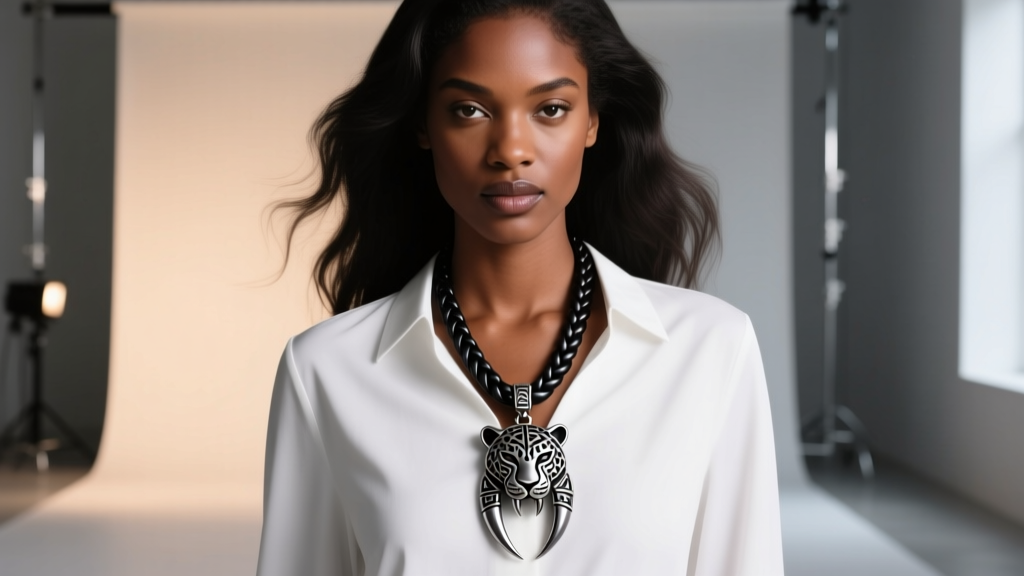
- Aesthetic Continuity: If your pendant features a dark, PVD-coated or ruthenium-plated finish, ensure the chain matches. A bright silver chain paired with a blackened pendant creates a jarring visual disconnect that detracts from the Wakandan aesthetic.
Maintenance and Failure Modes by Metal
Every metal has a specific failure mode. Understanding how your Wakanda necklace will age is critical for long-term preservation.
Titanium and Tungsten: The Low-Maintenance Tier
Grade 5 titanium and tungsten carbide are virtually indestructible in a jewelry context. Titanium may develop micro-scratches over years of wear, but these can be buffed out with a Scotch-Brite pad to restore the brushed finish. Tungsten, while scratch-proof, is highly brittle due to its extreme hardness. If a tungsten Wakanda pendant is dropped from chest height onto a ceramic tile floor, it is likely to shatter like glass. Handle tungsten pieces with care over hard surfaces.
Ruthenium and Brass: The High-Maintenance Tier
Ruthenium plating, while durable, is still a surface treatment. Over 3 to 5 years of daily wear, the plating at the bail (the loop where the chain passes through) will inevitably wear thin, revealing the bright silver beneath. To mitigate this, apply a tiny drop of jeweler's wax to the inside of the bail to reduce metal-on-metal friction. Brass and bronze pendants require a different approach. If you prefer the bright, polished look, you must clean the piece monthly with a mild citric acid solution. If you prefer the ancient, relic-like patina, simply let it oxidize, but ensure you apply a jewelry-safe Renaissance wax to seal the surface and prevent the green copper salts from staining your clothing and skin.
Final Verdict: Choosing Your Wakanda Necklace
The ideal material for your Wakanda necklace depends entirely on your lifestyle and budget. For the ultimate blend of screen-accurate aesthetics, featherlight comfort, and lifelong durability, Grade 5 Titanium remains the undisputed champion of 2026. It perfectly captures the spirit of Vibranium without the fictional physics. For those on a stricter budget who still demand a dark, scratch-proof finish, Tungsten Carbide is an excellent alternative, provided you respect its weight and brittleness. Finally, for the fine jewelry collector who views their fandom pieces as luxury investments, a Ruthenium-Plated Sterling Silver pendant offers unparalleled prestige and thermal luxury. By understanding the metallurgy behind the myth, you can select a piece that honors the legacy of Wakanda while standing the test of time in the real world.


