The Ultimate Vintage Tibetan Necklace Buying Guide
Discover how to authenticate, evaluate, and buy a genuine vintage Tibetan necklace. Learn about dzi beads, turquoise, coral, and traditional alloys.

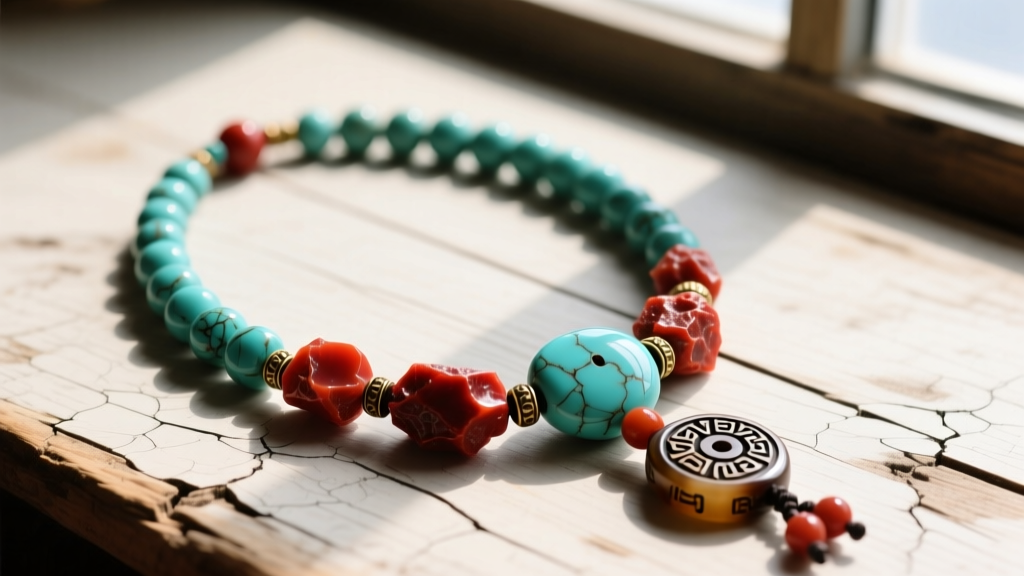
The Allure of Himalayan Adornment
Collecting and wearing a vintage Tibetan necklace is an exercise in cultural appreciation and material history. Unlike mass-produced contemporary fashion jewelry, authentic Himalayan pieces from the mid-20th century and earlier were crafted as portable wealth, spiritual talismans, and markers of social status. However, the modern market is flooded with artificially aged reproductions, dyed stones, and misleading metallurgical claims. Whether you are sourcing a piece for daily wear or adding to a serious ethnographic collection, understanding the precise materials, stringing techniques, and historical trade routes is essential to making an informed purchase.
In the context of the antique and vintage jewelry market, 'vintage' typically refers to pieces crafted between the 1920s and the 1980s, often utilizing older heirloom components. True 'antique' pieces predate the 1920s and are increasingly rare, usually residing in museums or private archives. This guide will equip you with the gemological and historical frameworks needed to navigate the market confidently.
Decoding the Materials: What You Are Actually Buying
The value and authenticity of a vintage Tibetan necklace rely entirely on its constituent materials. Himalayan jewelers historically relied on trade goods arriving via the Silk Road and the Tea Horse Road, resulting in a highly specific material palette.
The Reality of 'Tibetan Silver'
One of the most pervasive misconceptions in the ethnographic jewelry market is the term 'Tibetan silver.' Historically, traditional Himalayan alloys (sometimes referred to as Zangyin) contained very little actual silver. These alloys were primarily composed of copper, zinc, and tin, often with trace amounts of nickel or lead, finished with a silver wash or left to develop a dark, oxidized patina. When buying a vintage Tibetan necklace, assume that unmarked 'silver' components are base alloys. If you have metal sensitivities, particularly to nickel, you must avoid unverified vintage alloys. High-status antique pieces were occasionally crafted from high-purity silver or traded Chinese sterling, but these will typically bear specific assay marks or exhibit the distinct soft wear patterns of fine silver.
Turquoise and Silk Road Coral
Turquoise and red coral are the foundational gemstones of Himalayan jewelry. According to the GIA Turquoise Guide, natural turquoise is highly porous. Vintage Tibetan pieces frequently feature Persian or Hubei turquoise with a heavy brown or black matrix. Because of the harsh, dry Himalayan climate, vintage turquoise was often heavily waxed or treated with yak butter to prevent cracking and enhance the color. Buyers should look for a slightly waxy luster and natural matrix inclusions rather than the uniform, plastic-like appearance of modern block turquoise.
Red coral (Corallium rubrum) was historically imported from the Mediterranean. Genuine vintage coral in these necklaces will exhibit natural pitting, subtle color banding, and a distinct organic warmth. Modern reproductions frequently use dyed bamboo coral—which reveals distinct longitudinal striations under a 10x loupe—or dyed howlite, which lacks the organic structure of true coral.
Dzi Beads: Etched Agate Mastery
Dzi beads are the crown jewels of any vintage Tibetan necklace. These are not naturally occurring stones, but rather agate beads subjected to a complex alkaline etching process using natron and heat. A genuine vintage or antique dzi bead will display a waxy, silky luster rather than a high glass polish. Under magnification, you should look for 'crows feet'—micro-fractures and weathering marks on the surface that occur naturally over decades of wear against the skin and elements. The etched lines should penetrate the stone, not merely sit on the surface as a painted glaze.

Construction and Stringing Techniques
The structural integrity of a vintage Tibetan necklace is just as important as its gemstones. Traditional stringing methods were designed to withstand the rigors of nomadic life.
- Waxed Cotton and Yak Leather: Heavy, multi-strand necklaces were typically strung on hand-spun cotton or yak leather cords, heavily treated with wax or animal fats to prevent rot and fraying. If a vintage piece is strung on modern nylon monofilament or thin silk thread, it has likely been restrung recently, which can affect its structural safety and historical integrity.
- Knotting Techniques: Authentic pieces often feature complex macramé-style end knots rather than metal clasps. The traditional 'endless knot' or adjustable sliding friction knots are hallmarks of genuine regional craftsmanship.
- Spacing Beads: Look for the use of small bone, horn, or wooden spacer beads between the primary turquoise and coral elements. These were used to protect the softer, porous stones from grinding against each other during wear.
Authentication: Spotting Reproductions vs. True Vintage
The market is saturated with 'tribal style' reproductions manufactured in the 1990s and 2000s for the tourist trade. Here is a practical decision framework for authentication:
- The Weight Test: Genuine coral and agate dzi beads have significant specific gravity. A heavy, multi-strand vintage Tibetan necklace will feel substantial. Reproductions utilizing resin, plastic, or hollow glass will feel unnaturally light.
- The Loupe Test: Inspect the drill holes of the beads. Vintage and antique beads were hand-drilled, often resulting in slightly irregular, conical hole entrances with visible internal striations. Modern machine-drilled beads will have perfectly uniform, laser-straight holes with sharp edges.
- The Patina Check: Authentic silver alloys develop a deep, complex, dark gray/black oxidation in the recesses, while the high points remain polished from skin contact. Artificially aged reproductions often have a uniform, painted-on black chemical oxidation that rubs off easily with acetone.
Pricing Matrix: What to Expect in the Current Market
Pricing for a vintage Tibetan necklace varies wildly based on the age, quality of the dzi beads, and the origin of the coral. Below is a general market matrix for authenticated pieces in good structural condition.
| Necklace Type / Era | Primary Materials | Estimated Price Range (USD) | Key Value Drivers |
|---|---|---|---|
| Mid-Century Trade Era (1940s-1970s) | Hubei Turquoise, Bamboo Coral, Brass | $150 - $450 | Condition of stringing, turquoise matrix quality |
| Early 20th Century Nomadic | Persian Turquoise, Mediterranean Coral, Silver Alloy | $800 - $2,500 | Coral size/color saturation, alloy composition |
| Heirloom Dzi Necklace (Pre-1920s) | Antique Etched Agate (3+ eyes), Fine Silver, Coral | $5,000 - $25,000+ | Authenticity of dzi bead, crows feet weathering |

Care and Preservation
Owning a vintage piece requires specific maintenance protocols to preserve both the historical integrity and the physical materials.
Expert Warning: Never use commercial silver dips, ultrasonic cleaners, or harsh chemical solvents on a vintage Tibetan necklace. The porous nature of untreated turquoise and coral will absorb these chemicals, leading to irreversible discoloration and structural degradation.
For routine cleaning, use a soft, dry microfiber cloth to gently buff the metal components. If the turquoise or coral becomes heavily soiled, wipe them gently with a barely damp cloth and dry them immediately. Store the necklace flat in a breathable cotton pouch; hanging heavy, multi-strand vintage pieces for long periods can stretch and weaken the historical waxed cotton or leather cordage, leading to catastrophic string failure.
Final Verdict
Purchasing a vintage Tibetan necklace is a rewarding pursuit that bridges gemology, history, and art. By prioritizing material authenticity over superficial aesthetics, utilizing magnification to verify drill holes and etching techniques, and respecting the traditional metallurgy of the region, you can acquire a piece of wearable history that will endure for generations. Always request provenance or return policies from reputable dealers, and when in doubt, consult a certified gemologist familiar with ethnographic jewelry.


