Wallet Necklace Materials: Steel, Leather & Silver Compared
Compare the best materials for a wallet necklace. We analyze stainless steel, leather, and sterling silver for durability, weight, and streetwear style.

The Evolution of the Wallet Necklace in Streetwear
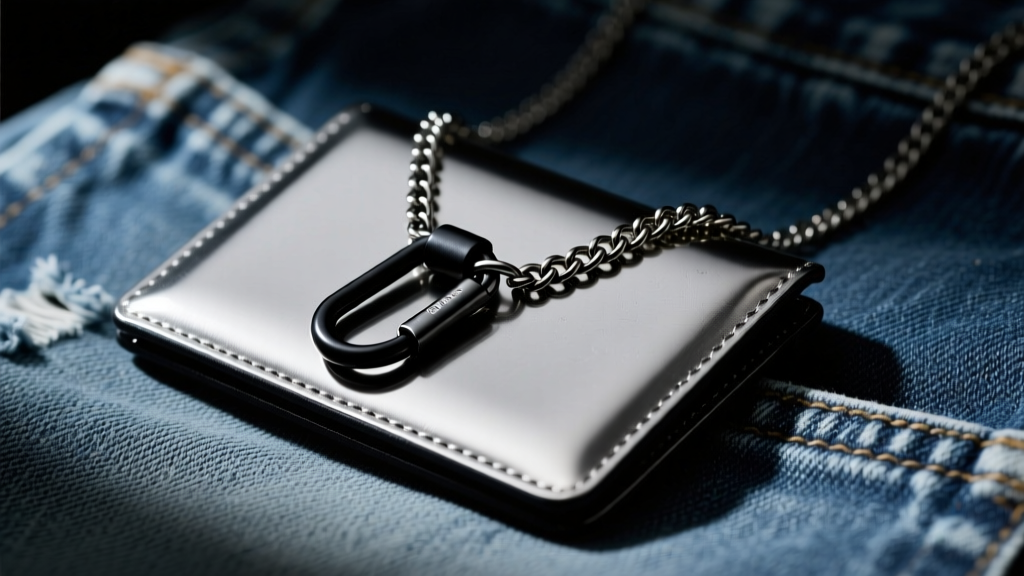
The wallet necklace bridges the gap between utilitarian everyday carry and avant-garde streetwear. Originally popularized in the 1990s punk and skater scenes as a functional anti-theft measure, the wallet chain has evolved into a heavy-duty sartorial statement. In 2026, the modern wallet necklace is less about securing a bi-fold to a belt loop and more about draping heavy, material-rich chains and cords across the torso or neck. However, because these pieces endure immense dynamic stress, sweat exposure, and friction, material selection is not merely an aesthetic choice—it is an engineering necessity. Choosing the wrong alloy or leather grade will result in catastrophic hardware failure, degraded cords, or severe skin reactivity.
Core Material Breakdown: Steel, Silver, Leather, and Brass
Surgical Stainless Steel (316L)
For daily streetwear, 316L surgical stainless steel is the undisputed workhorse. Unlike standard 304 stainless steel, 316L contains a 2-3% molybdenum addition, which drastically increases its resistance to chloride corrosion. This is critical for a wallet necklace, as human sweat contains high levels of sodium chloride that will pit and degrade inferior metals over time. According to the British Stainless Steel Association (BSSA), the 'L' in 316L denotes low carbon, preventing carbide precipitation during welding and ensuring the chain links remain structurally sound. The primary drawback is weight; a 6mm Cuban link 316L wallet necklace can easily exceed 400 grams, causing neck fatigue if worn as a traditional pendant rather than a cross-body drape. Cuban links, with their interlocking, flattened design, distribute lateral stress more effectively than delicate cable chains, making them the preferred silhouette for heavy-duty steel wallet necklaces.
Sterling Silver (925)
Sterling silver offers a luxurious, high-end finish favored by avant-garde designers. Composed of 92.5% pure silver and 7.5% copper, it provides a brilliant luster that steel cannot replicate. However, the Gemological Institute of America (GIA) notes that the copper alloy is highly susceptible to sulfur in the atmosphere and skin oils, leading to the rapid formation of silver sulfide (tarnish). Furthermore, silver is a relatively soft metal with a low yield strength. If the wallet necklace features thin linkages, the dynamic shock of a heavy wallet swinging against the hip can permanently stretch or warp the links. Brands like Chrome Hearts have popularized the heavy sterling silver wallet chain, but these pieces often feature reinforced, soldered links to combat the metal's inherent softness. It is best reserved for minimalist, lightweight mini-wallet pendants rather than heavy-duty functional chains.
Full-Grain Leather and Braided Cords
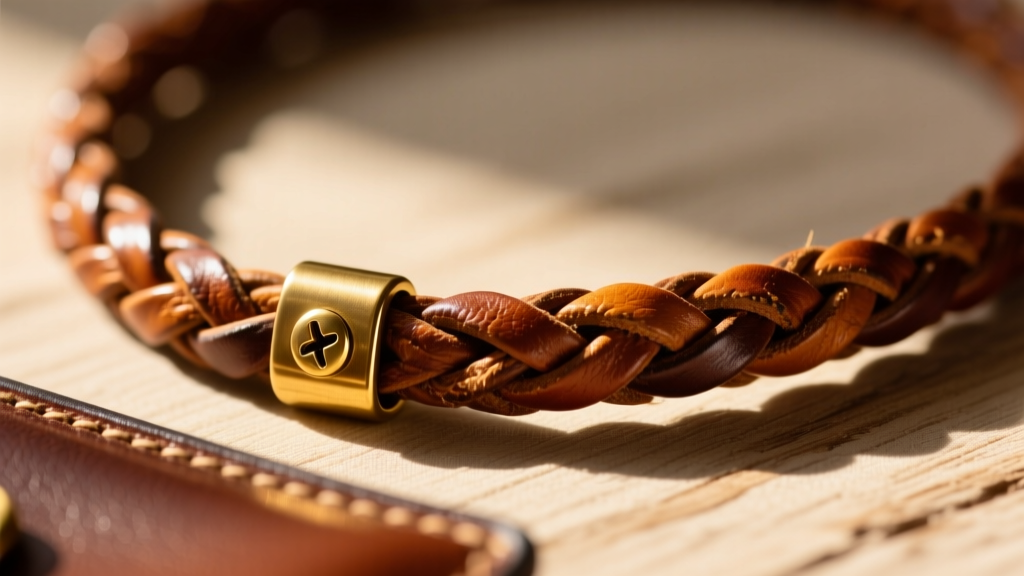
Leather wallet necklaces offer a rugged, organic aesthetic that pairs well with heritage and workwear styles. However, not all leather is created equal. You must specifically seek full-grain leather, which retains the entire fibrous structure of the hide, offering superior tensile strength compared to top-grain or genuine leather. The Leather Working Group (LWG) emphasizes that properly tanned full-grain leather can withstand significant load-bearing stress. The Achilles heel of leather, however, is hydrolysis. Prolonged exposure to the alkaline environment of human sweat and ambient humidity will break down the collagen fibers, causing the cord to become brittle and snap. Braided leather cords distribute tension more evenly than flat straps, making them the superior choice for functional wallet tethers.
Solid Brass and Bronze Alloys
Brass (copper and zinc) and bronze (copper and tin) provide a distinct, vintage aesthetic that develops a rich, dark patina over time. These alloys are highly durable and resist catastrophic snapping, but they introduce a significant variable: skin reactivity. The copper in these alloys reacts with the oxygen and acids in human sweat to form copper chelates, which transfer to the skin as a harmless but unsightly green stain. If you opt for a brass wallet necklace, ensure it features a protective clear-coat finish or plan to embrace the evolving patina and potential skin discoloration as part of the raw, industrial aesthetic.
Weight, Tensile Strength, and Hardware Failure Points
The most common point of failure in any wallet necklace is not the chain or cord itself, but the connecting hardware. A heavy leather wallet generates significant kinetic energy when swinging. Standard jewelry spring-ring clasps are rated for static loads of roughly 5 to 10 pounds; the dynamic shock of a dropped wallet can easily exceed this, causing the spring mechanism to snap open or the soldered catch to break. For functional wallet necklaces, you must upgrade to screw-lock carabiners, heavy-duty lobster clasps with reinforced internal springs, or bolt-ring hardware. Always inspect the jump rings connecting the clasp to the chain; these should be soldered shut rather than merely butted together, as a butted jump ring will easily pull apart under the dynamic load of a swinging wallet.
| Material | Yield / Tensile Profile | Tarnish & Corrosion Risk | Est. Price Range |
|---|---|---|---|
| 316L Stainless Steel | Extremely High (Resists stretching) | Negligible (Sweat-proof) | $40 - $120 |
| 925 Sterling Silver | Moderate (Prone to link warping) | High (Requires polishing) | $150 - $450 |
| Full-Grain Leather | High (Degrades via hydrolysis) | Moderate (Water spots/sweat) | $45 - $110 |
| Solid Brass | High (Rigid, minimal stretch) | High (Oxidizes to patina) | $30 - $85 |
Skin Reactivity and Tarnish Profiles
When wearing a wallet necklace draped across the chest or resting against the collarbone, skin reactivity becomes a primary concern. Cheap, mass-market chains often use 304 stainless steel or nickel-plated brass, both of which can trigger severe contact dermatitis in individuals with nickel allergies. Always verify that your metal hardware is explicitly labeled as 316L surgical steel or solid titanium, both of which are hypoallergenic. For silver enthusiasts, rhodium plating is a common industry practice to create a barrier against tarnish and skin acids, though this plating will eventually wear away at high-friction contact points, requiring re-plating by a professional jeweler.
Maintenance Protocols by Material
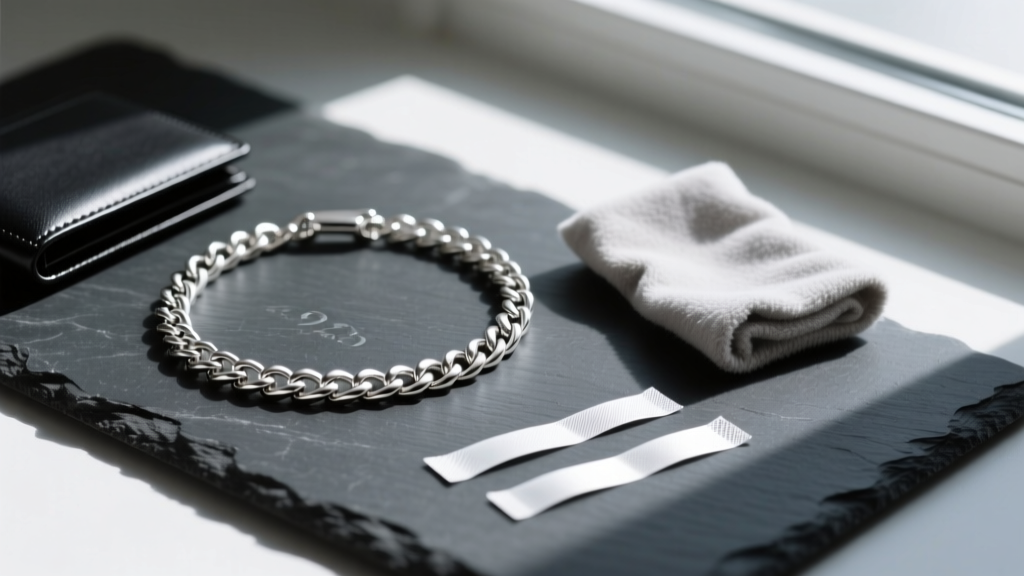
To maximize the lifespan of your wallet necklace, implement a material-specific maintenance routine. For 316L steel, an ultrasonic jewelry cleaner with a mild dish soap solution will easily remove trapped sebum and dirt from intricate linkages. Sterling silver requires a dry, microfiber polishing cloth infused with anti-tarnish compounds; avoid liquid silver dips, as they can strip the oxidized detailing often found in streetwear designs. Leather cords must be kept dry; if they become saturated with sweat, allow them to air dry away from direct heat, and condition them bi-annually with a high-quality mink oil or beeswax-based leather balm to replenish lost lipids and maintain fiber flexibility. For raw brass, a simple paste of lemon juice and baking soda will strip away years of oxidation if you prefer a bright, polished finish, though many streetwear aficionados prefer to let the natural verdigris accumulate for a distressed, archival look. By understanding the metallurgical and organic properties of your chosen materials, your wallet necklace will remain a secure, striking centerpiece of your wardrobe for years to come.


