The Ultimate Warrior Necklace Buying Guide: Styles & Metals
Discover how to choose the perfect warrior necklace. Our expert buying guide covers aerospace-grade metals, heavy-duty chains, and historical motifs.

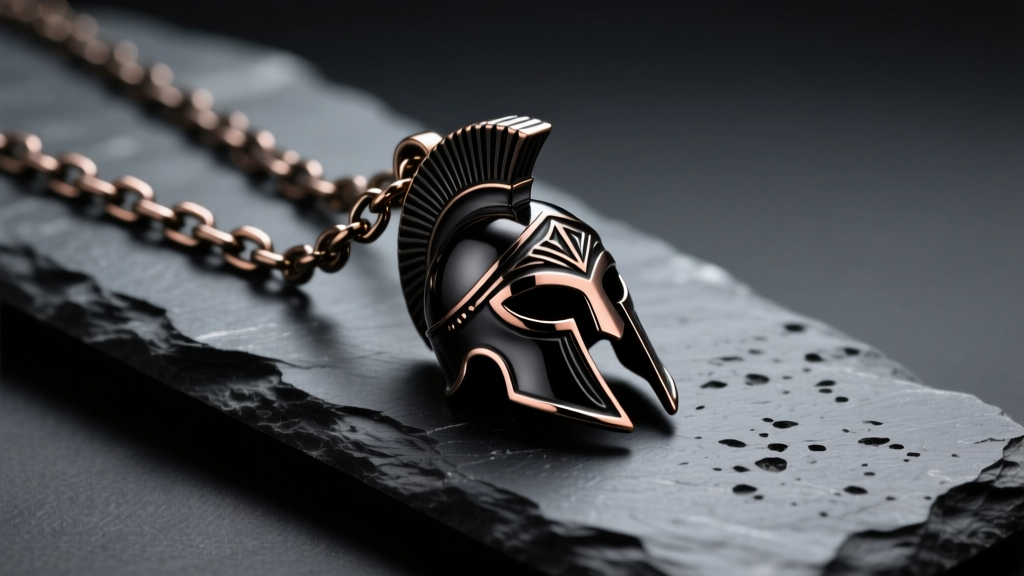
The concept of the warrior necklace transcends fleeting fashion trends. Rooted in centuries of martial history—from the iron torcs of Celtic chieftains to the amulets of Norse raiders—these pieces are designed to project strength, resilience, and personal armor. In 2026, the market for armor-inspired and historical motif jewelry has evolved, blending ancient metallurgy with modern CNC machining and aerospace-grade alloys. However, not every piece marketed as 'tactical' or 'Viking' is built to withstand the rigors of daily wear.
Whether you are seeking a subtle Mjolnir pendant for the office or a heavy, interlocking steel chain that mimics chainmail, selecting the right piece requires an understanding of material science, weight distribution, and structural integrity. This comprehensive buying guide breaks down exactly what to look for when investing in a warrior necklace that will last a lifetime.
Decoding the Warrior Aesthetic: Historical vs. Modern
When shopping for a warrior necklace, you will generally encounter two distinct design philosophies: historical replication and modern tactical minimalism. Historical pieces often draw directly from archaeological finds. According to the Metropolitan Museum of Art, Viking Age jewelry frequently featured intricate knotwork, animal motifs, and symbols like Thor's hammer (Mjolnir), which were cast in bronze or silver and worn as protective talismans.
Modern interpretations, on the other hand, lean into brutalist geometry, matte finishes, and industrial materials like tungsten and carbon fiber. Neither style is inherently superior, but your choice should dictate the metal and chain type you select. A highly detailed, historically accurate bronze pendant will look mismatched on a modern, polished Cuban link chain, just as a sleek, matte-black titanium dog tag will feel out of place on a traditional Viking rope chain.
Metallurgy Matters: Choosing the Right Alloy
The most critical failure point in any heavy pendant necklace is the material's tensile strength and corrosion resistance. A true warrior necklace must withstand sweat, friction, and occasional impacts. Here is how the top four metals compare in the current market:
| Metal / Alloy | Hardness (Mohs) | Weight Profile | Pros & Cons for Heavy Pendants |
|---|---|---|---|
| Grade 5 Titanium (Ti-6Al-4V) | 6.0 | Ultra-Light | Aerospace-grade; hypoallergenic; will not tarnish. Harder to resize or repair. |
| Tungsten Carbide | 8.5 - 9.0 | Very Heavy | Virtually scratch-proof. Highly brittle; can shatter if dropped on hard tile. |
| 316L Stainless Steel | 5.5 | Heavy | Highly affordable; excellent corrosion resistance. Can cause nickel allergies. |
| 925 Sterling Silver | 2.5 - 3.0 | Medium | Traditional; develops a beautiful patina. Requires polishing; soft and prone to bending. |
For a true 'armor' feel without the neck strain, Grade 5 Titanium is the undisputed champion. It offers the structural integrity of steel at nearly half the weight. If you prefer the traditional, heavy drape of historical armor, 316L Stainless Steel is the most cost-effective and durable choice, provided you do not have a nickel sensitivity.
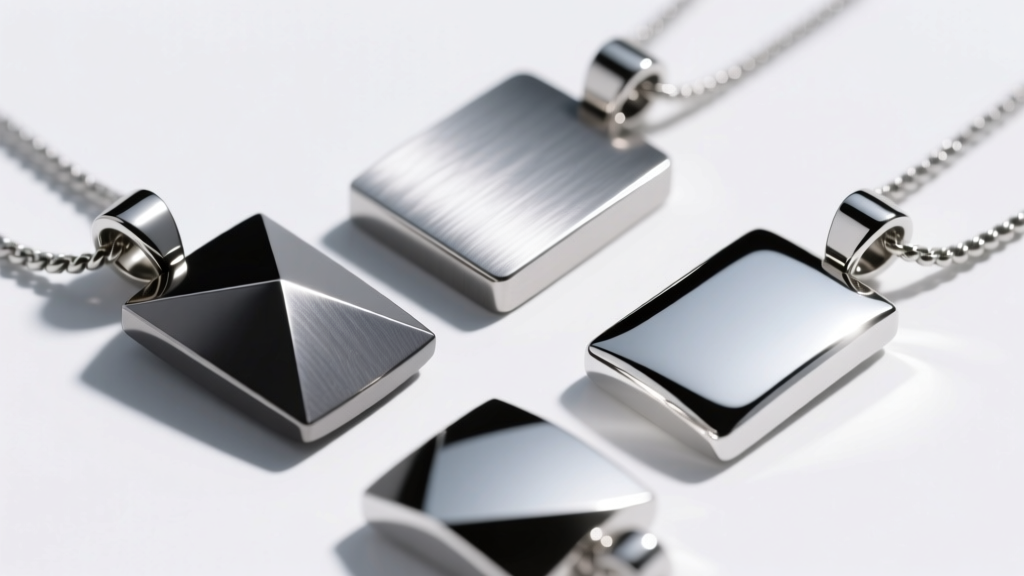
When opting for 925 Sterling Silver, be aware of its metallurgical reality. As noted by the Gemological Institute of America (GIA), sterling silver is an alloy containing 92.5% pure silver and 7.5% copper. That copper is what gives the metal its necessary hardness, but it is also the culprit behind oxidation and tarnishing. If you choose a silver warrior pendant, look for pieces that have been rhodium-plated or feature deep, intentional oxidization (blackening) in the crevices, which hides natural tarnish while highlighting the battle-scarred aesthetic.
Chain Architecture: Links That Can Take a Hit
A heavy pendant is only as secure as the chain holding it. Flimsy, hollow-core chains will snap under the pendulum effect of a 50-gram warrior pendant. You need solid, interlocking links. Here are the top three chain styles for martial jewelry:
- The Byzantine (King's Braid): The gold standard for Viking and Celtic aesthetics. This complex, four-in-one link pattern is incredibly flexible, highly resistant to kinking, and offers a thick, rope-like appearance that mimics historical maille. Look for a minimum thickness of 5mm.
- The Wheat (Spiga) Chain: Featuring interlocking oval links woven in the same direction, wheat chains have a distinct directional grain resembling stalks of wheat. They are exceptionally strong because the links pull in a single, unified vector, making them ideal for heavy, asymmetrical pendants like wolf heads or axes.
- The Cuban Link: For a modern, urban-warrior aesthetic, the flat, interlocking Cuban link provides maximum surface area and a heavy, aggressive drape. Ensure the links are soldered shut; unsoldered Cuban links will pull apart under the weight of a thick pendant.
Pendant Selection & Weight Distribution
When evaluating a warrior necklace, the connection point between the chain and the pendant—the bail—is a critical stress zone. Many mass-produced pendants feature a small, cast-in loop that is too narrow for a heavy-duty chain, forcing buyers to use a thin jump ring as an adapter. Never rely on a standard, unsoldered jump ring to hold a pendant weighing more than 20 grams. Over time, the friction and pendulum motion will wear the jump ring thin, leading to a sudden snap.
Instead, look for pendants with a fixed, oversized bail or a hidden channel that allows the chain to thread directly through the metal. If a jump ring must be used, ensure it is a heavy-gauge, soldered split ring or a captive bead ring with a high tension threshold.
The Clasp: Your Necklace's Weakest Link
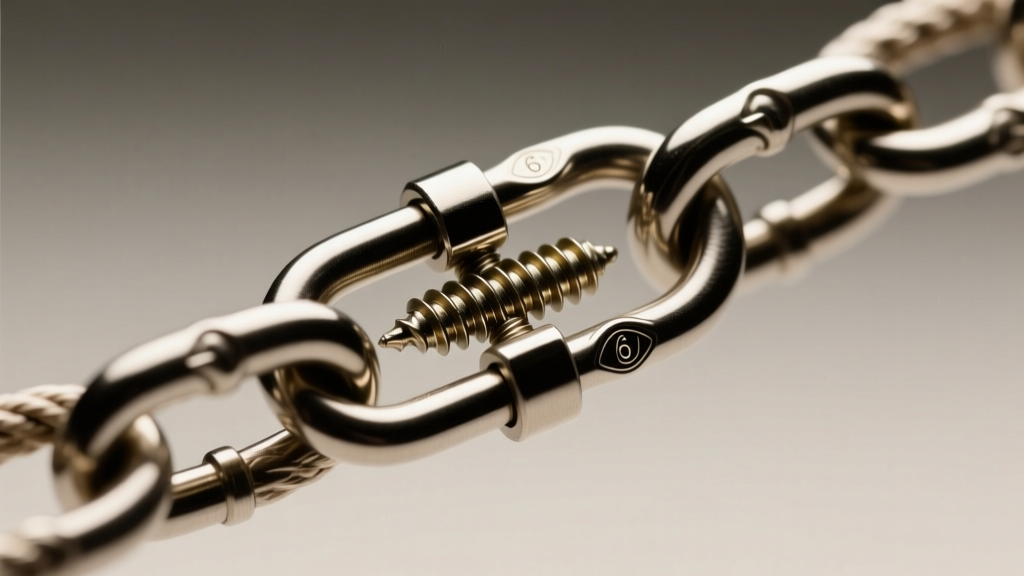
Magnetic clasps are incredibly popular in modern jewelry for their convenience, but they are a catastrophic failure point for heavy warrior necklaces. A sharp tug or a snag on a jacket collar can easily break a magnetic seal. For pendants exceeding 30 grams, you must use one of the following:
- Screw-Lock Barrel Clasp: Features deep threading that physically screws the two halves together. Often reinforced with a secondary figure-8 safety catch.
- Heavy-Duty Lobster Clasp: Must be cast solid (not hollow) with a thick, spring-loaded trigger. Look for a clasp length of at least 15mm.
- T-Box / Toggle Clasp: While historically accurate and easy to use, toggles can slip if the chain is too flexible. Only use a toggle if the bar is significantly wider than the ring's inner diameter.
Sizing and Proportions for Armor-Style Jewelry
The visual impact of a warrior necklace relies heavily on where the pendant rests on the chest. Standard jewelry sizing often falls short for martial aesthetics. Use this framework to determine your ideal length:
- 18 to 20 Inches (Collarbone): Best for smaller, minimalist tactical pendants or thin silver torcs. Keeps the piece high and visible above crewneck shirts.
- 22 to 24 Inches (Mid-Chest): The 'Armor Zone.' This is the ideal length for large, heavy pendants like Spartan helmets, broadswords, or large Mjolnirs. It allows the piece to rest over the sternum, mimicking the placement of historical chest plates and amulets.
- 26 to 30 Inches (Solar Plexus): Reserved for oversized, statement pieces or layered bead necklaces (like onyx or lava stone). Best worn over clothing, as the length can easily tangle in belt buckles or zippers if worn underneath.
Pricing Tiers and Authenticity Checks
The market is flooded with cheap, pot-metal castings disguised as premium warrior jewelry. Knowing what to expect at various price points will protect you from overpaying for subpar metallurgy.
Tier 1: Budget ($30 - $80)
At this level, expect 316L stainless steel or zinc alloys with PVD (Physical Vapor Deposition) black plating. The detailing is usually machine-stamped or cast from low-resolution molds. These pieces are fine for occasional wear, but the plating will eventually wear off at the friction points, revealing the silver-toned base metal beneath.
Tier 2: Mid-Range Artisan ($80 - $250)
This is the sweet spot for serious buyers. Here you will find solid 925 sterling silver, Grade 5 titanium, and hand-forged Damascus steel. Pendants in this tier often feature deep, hand-oxidized detailing, custom CNC-milled edges, and high-quality, soldered bails. Look for maker's marks or '925' stamps in discreet areas of the pendant.
Tier 3: Heirloom & Blacksmith ($250 - $800+)
At the top tier, you are paying for historical accuracy and bespoke craftsmanship. Expect solid 14k or 18k gold, hand-patterned Damascus steel with acid-etched grooves, or inlays of meteorite and mammoth ivory. These pieces are often custom-commissioned from independent metalsmiths and come with certificates of material authenticity.
Expert Tip: When buying Damascus steel pendants, verify that it is genuine pattern-welded steel and not a laser-etched imitation. True Damascus will have a continuous, three-dimensional grain pattern that wraps around the edges and sides of the pendant, not just a surface-level print.
Choosing the right warrior necklace is an exercise in balancing historical reverence with modern material science. By prioritizing aerospace-grade metals, structurally sound chain weaves, and secure, heavy-duty clasps, you ensure that your jewelry isn't just a visual statement, but a resilient artifact built to endure.