The Waxing Poetic Necklace: Metallurgy, Craft, and Care
Explore the metallurgy, mixed-metal construction, and expert care techniques for your Waxing Poetic necklace to preserve its artisan patina.

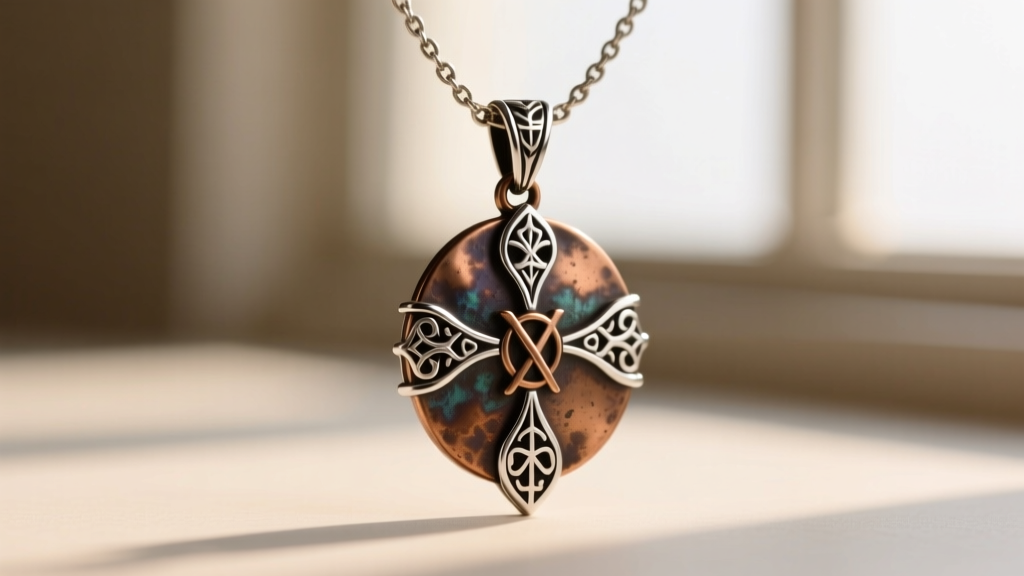
The Artisan Alloy: Decoding the Mixed-Metal DNA
The Waxing Poetic necklace is widely celebrated in artisan jewelry circles for its rustic, talismanic aesthetic and deeply symbolic motifs. However, beneath the poetic imagery lies a complex foundation of metallurgy and mixed-metal fabrication. To truly appreciate and maintain these pieces, one must look past the surface and understand the specific alloys, casting techniques, and electrochemical behaviors that define their construction. Unlike mass-produced fashion jewelry that relies on thin electroplating over base metals, authentic artisan pieces in this style utilize solid, reactive alloys that evolve with the wearer.
At the core of many of these designs is a deliberate juxtaposition of warm, copper-rich alloys with bright, precious metals. This mixed-metal approach is not merely an aesthetic choice; it is a structural and chemical balancing act. According to Rio Grande's metallurgical guides, combining dissimilar metals in a single wearable piece introduces unique challenges regarding thermal expansion, soldering mechanics, and long-term environmental degradation. Understanding these factors is the first step in mastering the care and preservation of your jewelry.
Jeweler's Bronze and Brass Formulations
Many talismanic pendants utilize jeweler's bronze or architectural brass. Jeweler's bronze is typically an alloy consisting of 90% copper and 10% zinc, prized for its rich, pinkish-gold hue and its ability to take a high polish. Brass, containing a higher zinc content (often 30% to 40%), offers a brighter, more yellow tone and increased hardness. Both alloys are highly reactive. The copper content readily binds with sulfur, oxygen, and the chlorides found in human sweat, leading to a rapidly evolving surface patina. This reactivity is a feature, not a bug, but it requires specific maintenance protocols to prevent structural degradation.
Sterling Silver Accents and Soldering Challenges
To provide contrast, artisans frequently integrate sterling silver (92.5% silver, 7.5% copper) into the bronze or brass matrix. Soldering these dissimilar metals requires immense bench expertise. Sterling silver has a solidus temperature of approximately 890°C, while standard jeweler's bronze melts around 950°C. When a jeweler solders a silver accent onto a bronze talisman, they must use a low-temperature 'easy' solder and apply highly localized heat—often via a laser welder or a micro-torch—to prevent annealing the bronze or melting the silver detail. Poor temperature control during fabrication can result in brittle joints or localized porosity.
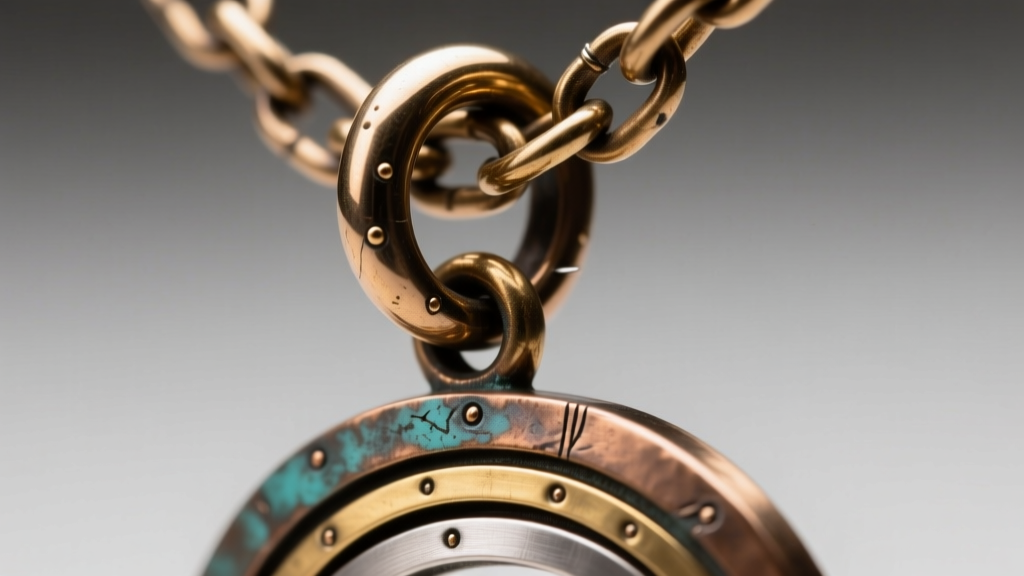
Structural Integrity: Casting, Porosity, and Failure Points
The intricate, organic textures characteristic of a Waxing Poetic necklace are typically achieved through lost-wax casting. A master model is carved in wax, encased in a plaster-like investment, and burned out in a kiln before molten metal is forced into the cavity via centrifugal or vacuum casting. While this captures incredible detail, it introduces the risk of gas porosity and shrinkage cavities.
- Gas Porosity: If the investment is not properly degassed or the metal is poured at an incorrect temperature, microscopic gas bubbles become trapped just beneath the surface. Over years of wear and polishing, these pores can be exposed, creating tiny pits that trap skin oils and dirt.
- Jump Ring Work-Hardening: The connection point between the heavy pendant and the chain is a critical failure point. Bronze and brass work-harden rapidly when subjected to repeated friction. If the jump ring is not perfectly flush or is slightly too thin for the pendant's weight, the continuous micro-movements will eventually cause the metal to fatigue and snap.
- Bezel Wire Lifting: For pieces incorporating cabochon gemstones, the bezel wire (often fine silver) is pushed over the stone. Because silver and bronze expand and contract at different rates when exposed to temperature fluctuations (like stepping out into winter air), the bezel can slowly lift over time, compromising the stone's security.
The Electrochemistry of Wear: Galvanic Corrosion
One of the most critical, yet least understood, aspects of mixed-metal jewelry is galvanic corrosion. When two dissimilar metals (like bronze and sterling silver) are in direct physical contact in the presence of an electrolyte (such as human sweat, which is rich in sodium chloride), a micro-galvanic cell is created. The less 'noble' metal acts as an anode and corrodes preferentially to protect the more noble cathode.
In the context of your necklace, the zinc and copper in the bronze are less noble than the silver. If you sweat heavily while wearing the piece, the bronze immediately adjacent to the silver solder joints will experience accelerated oxidation and microscopic pitting. This is why expert jewelers often recommend removing mixed-metal talisman jewelry before intense physical exertion or swimming in chlorinated or salt water.
| Metal / Alloy | Relative Nobility | Role in Galvanic Cell | Tarnish Risk |
|---|---|---|---|
| Fine Silver (999) | High (Noble) | Cathode (Protected) | Low |
| Sterling Silver (925) | Medium-High | Cathode | Medium (Copper content tarnishes) |
| Jeweler's Bronze | Medium-Low | Anode (Corrodes) | High (Reacts to sulfur/sweat) |
| Architectural Brass | Low | Anode | Very High (Zinc leaching/dezincification) |
Patina Science: Intentional Oxidation vs. Environmental Tarnish
The signature 'antiqued' look of these necklaces is achieved through intentional chemical oxidation, most commonly using Liver of Sulfur (LOS), a mixture of potassium sulfides. When applied to copper-rich alloys, LOS rapidly forms a layer of copper sulfide on the surface, turning it dark brown or black. The jeweler then uses abrasive pads or polishing cloths to remove the black oxidation from the high-relief areas, leaving the dark patina trapped in the recesses to highlight the talismanic carvings.
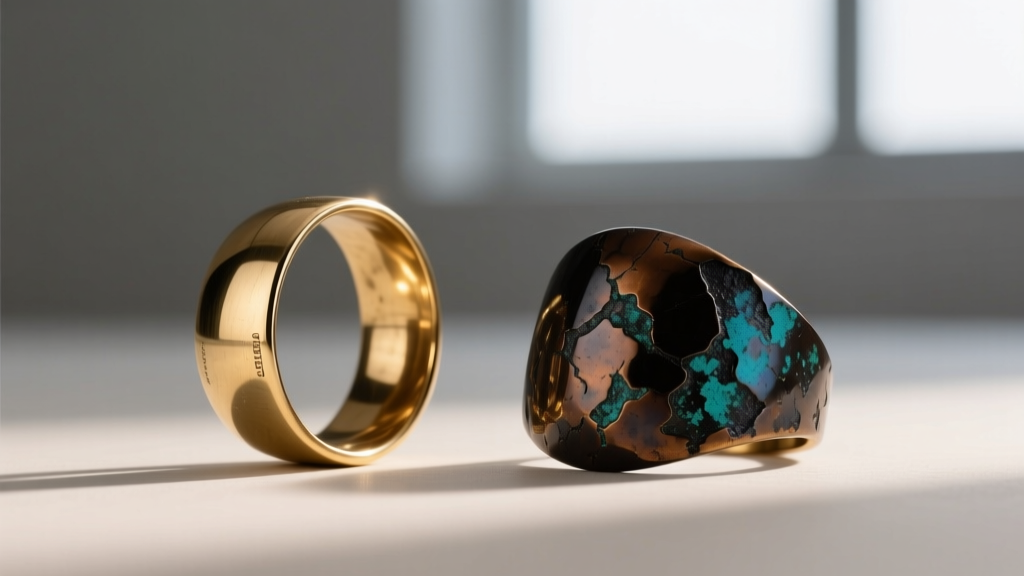
It is vital to distinguish between this intentional, stable patina and environmental tarnish. Environmental tarnish, often appearing as a bright, powdery green or white crust (cuprite or copper chloride), is a sign of active degradation caused by prolonged exposure to moisture and acids. While the dark LOS patina protects the underlying metal to a degree, active green verdigris must be gently removed to prevent structural pitting. As noted in research published by the GIA's Gems & Gemology journal, the chemical stability of surface treatments on copper alloys is highly dependent on the ambient humidity and the wearer's individual skin pH.
Expert Maintenance Protocol for Mixed-Metal Pendants
Cleaning a mixed-metal artisan necklace requires a nuanced approach. Standard commercial silver dips contain thiourea and strong acids that will instantly strip the intentional Liver of Sulfur patina from the bronze, leaving the piece looking flat, overly bright, and chemically stripped. Furthermore, ultrasonic cleaners can shake loose stones from their bezels and accelerate galvanic corrosion if the cleaning solution acts as a strong electrolyte.
- Dry Microfiber Buffing: For daily maintenance, use a clean, dry microfiber cloth to gently buff the high points of the metal. This removes skin oils and slows down the formation of active verdigris without disturbing the dark recesses.
- Precipitated Calcium Carbonate Paste: If the silver accents have become heavily tarnished, mix a small amount of precipitated calcium carbonate (a fine, non-scratching chalk powder used by museum conservators) with distilled water to form a paste. Apply it strictly to the silver areas using a cotton swab, then rinse thoroughly and dry immediately.
- Renaissance Wax Application: To seal the bronze and slow down future oxidation, apply a microscopic layer of Renaissance Wax (a microcrystalline wax developed by the British Museum). Buff it lightly with a soft brush. This creates a moisture barrier that protects the metal from sweat and humidity without altering the optical properties of the patina.
- Storage Mechanics: Store the necklace flat in an anti-tarnish flannel bag containing activated charcoal or silver-strip paper. Never store it in a sealed plastic bag, as trapped moisture will accelerate localized corrosion.
Authentication and Sourcing Considerations
Because the rustic, talismanic style is highly sought after, the market is saturated with cast duplicates made from cheap, nickel-heavy pot metals that are merely painted to look oxidized. An authentic Waxing Poetic necklace will exhibit specific hallmarks of bench-made quality: slight asymmetries in the wax-carved motifs, clean and flush solder joints where dissimilar metals meet, and a heavy, dense feel indicative of solid cast bronze rather than hollow electroformed base metal. When evaluating vintage or secondary-market pieces, inspect the jump rings and bail for wear patterns; authentic bronze will show a smooth, polished wear facet, whereas plated base metals will reveal a bright, silvery under-layer where the plating has rubbed away.


