Wearing a Rosary as a Necklace: A Step-by-Step Style Guide
Learn the etiquette and styling steps for wearing a rosary as a necklace. Discover material tips, layering techniques, and respectful fashion pairings.


The intersection of faith and fashion has long been a source of sartorial inspiration, but few accessories carry as much historical, spiritual, and aesthetic weight as the rosary. In recent years, the trend of wearing a rosary as a necklace has moved from niche subcultures into mainstream jewelry styling. However, because the rosary is fundamentally a sacramental—a sacred object used for prayer—transitioning it into a daily wear accessory requires a thoughtful approach. You must balance aesthetic layering techniques with material durability and cultural respect.
This comprehensive guide will walk you through the exact steps of selecting, sizing, styling, and maintaining a rosary necklace, ensuring your look is both fashion-forward and deeply respectful of the item's origins.
Decoding Rosary Anatomy for Jewelry Wearers
Before adjusting or styling your piece, it is crucial to understand how a rosary is constructed, as this dictates its viability as a necklace. A standard five-decade rosary consists of a crucifix, an introductory chain with three beads, a center medal (often depicting the Virgin Mary or a saint), and a continuous loop of five decades (sets of ten beads).
From a jewelry-making perspective, the primary failure point when wearing a rosary as a necklace is the stringing material. Traditional prayer rosaries are often strung on nylon-coated stainless steel wire or silk cord. While wire is strong enough to withstand the pulling of prayer, it lacks the lateral flexibility required for necklace wear. The constant friction, twisting, and swinging of the crucifix against the chest will cause wire to kink, weaken, and eventually snap at the crimp beads. For daily fashion wear, you must prioritize structural integrity.
Step 1: Selecting the Right Material and Construction
Not every rosary is built to survive the rigors of daily wear. When choosing a piece to wear as a necklace, you must evaluate both the stringing method and the bead material.
Chain vs. Wire Stringing
Always opt for a chain-linked rosary (such as rolo, cable, or Figaro links) or a heavy-duty corded design. Chain links allow the beads to pivot freely, preventing the torque buildup that snaps rigid wire. If you are having a custom rosary made by a jeweler, request that they use a minimum 20-gauge sterling silver or 316L surgical stainless steel chain.
Bead Material Durability
The beads themselves face constant exposure to skin oils, perfumes, and environmental humidity. Here is how common rosary bead materials hold up to daily necklace wear:
| Bead Material | Durability for Daily Wear | Maintenance Requirements |
|---|---|---|
| 316L Stainless Steel | Excellent | Wipe with microfiber cloth; highly resistant to tarnish and sweat. |
| 925 Sterling Silver | Very Good | Requires monthly polishing; will oxidize when exposed to sulfur and moisture. |
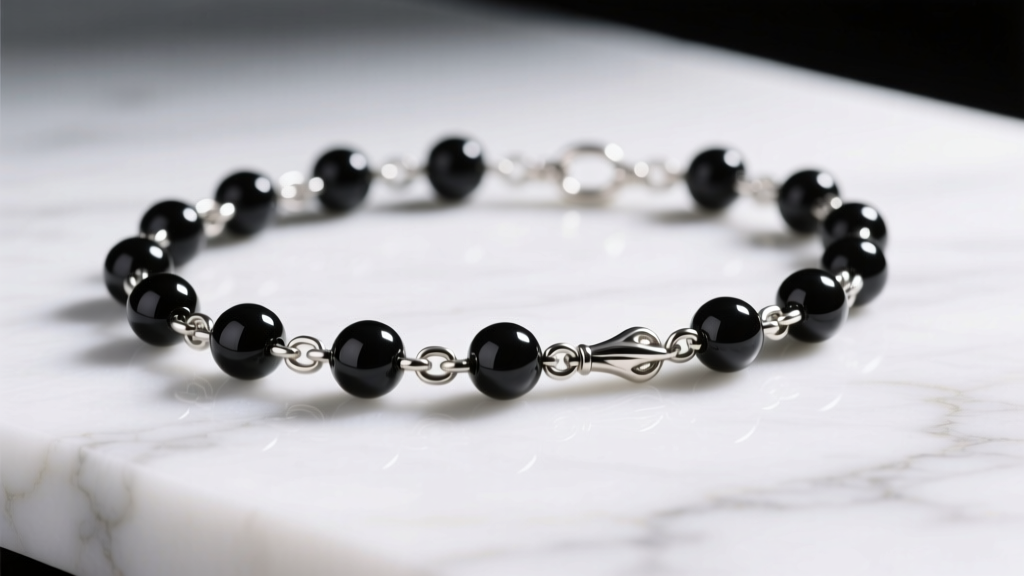
| Precious Gemstones (Onyx, Lapis) | Good | Avoid harsh chemicals; clean with mild soap and warm water. |
| Olive Wood / Rosewood | Poor | Highly porous; absorbs sebum and perfume, leading to darkening and cracking. |
| Crystal / Murano Glass | Fragile | Prone to chipping if the crucifix swings and strikes the beads. |
Step 2: Sizing and Adjusting the Length
A standard rosary loop typically measures between 16 and 18 inches in circumference, but when worn as a necklace, the drop (the distance from the nape of the neck to the crucifix) usually falls between 22 and 26 inches. This places it firmly in the 'matinee' or 'opera' length categories in traditional jewelry sizing.
How to Safely Add an Extender
If your rosary is too short to comfortably slip over your head, never force it, as this will permanently stretch the wire or warp the chain links. Instead, visit a local jeweler to have a simple extender added.
- The Hardware: Use a 20-gauge or 18-gauge jump ring that matches the metal of your rosary.
- The Clasp: Replace the standard spring-ring clasp with a lobster clasp for easier one-handed operation.
- The Extender: Add a 2-inch to 3-inch cable chain extender to the end of the loop. This allows you to adjust the rosary from a 24-inch drop to a 27-inch drop, accommodating everything from thin t-shirts to thick winter sweaters.
Step 3: Styiling and Neckline Pairings
Styling a rosary requires balancing its visual weight and its vertical lines. Because the crucifix and the center medal create two distinct focal points, the neckline of your clothing must frame these elements without creating visual clutter.
The V-Neck and Scoop Neck
A deep V-neck is the most natural pairing for a rosary necklace. The diagonal lines of the V-neck mirror the angles of the crucifix and the center medal, drawing the eye downward and elongating the neck. For a scoop neck, ensure the top of the rosary loop sits at least one inch below the fabric line to prevent the beads from getting caught in the hem.
Layering with Secular Chains
Layering religious jewelry with secular chains is a staple of modern styling. To avoid tangling and ensure each piece is visible, follow the 'Rule of Three Inches'. If your rosary's crucifix rests at 24 inches, your secondary layering chain should be no longer than 21 inches (a princess length) and your tertiary chain no longer than 18 inches (a choker or collar length).
According to styling experts featured in Vogue, mixing metal textures—such as pairing a smooth, polished silver rosary with a hammered gold paperclip chain—creates a sophisticated, curated look that prevents the outfit from appearing too costume-like.

Step 4: Navigating Etiquette and Respect
While the rosary has been embraced by the fashion world, it remains a sacred sacramental in the Catholic faith. The United States Conference of Catholic Bishops (USCCB) notes that sacramentals are sacred signs that bear a resemblance to the sacraments, and they should be treated with reverence.
'Wearing a rosary as a necklace is acceptable and can be a beautiful public witness of faith, provided it is worn with reverence and not merely as a provocative or purely secular fashion statement.'
When to Remove Your Rosary
To maintain both the physical integrity of the piece and the respect it commands, you should remove your rosary necklace in the following scenarios:
- During rigorous physical activity: Sweat degrades metal and wood, and pulling on the chain can cause injury or breakage.
- While sleeping: Tossing and turning can easily snap delicate chain links or tangle the decades.
- In the shower or pool: Chlorine and harsh soaps will strip the rhodium plating off sterling silver and degrade porous gemstones like turquoise or lapis lazuli.
Troubleshooting Common Rosary Wear Issues
Even with careful selection, wearing a rosary as a necklace presents unique mechanical challenges. Here is how to troubleshoot the most common issues:
Issue 1: The Crucifix Keeps Flipping Upside Down
The Cause: The jump ring connecting the crucifix to the chain is too large or too loose, allowing the pendant to rotate freely on the horizontal axis.
The Fix: Replace the connecting jump ring with an oval jump ring or a 'snap' bail. Oval rings restrict the pendant's movement to a single vertical axis, ensuring the crucifix always hangs upright.
Issue 2: Severe Chain Tangling
The Cause: You are wearing a chain with links that are too fine (e.g., a 24-gauge snake chain or fine cable) which easily slip into one another, or you are layering multiple chains of the exact same length and gauge.
The Fix: Upgrade to a thicker chain gauge (18-gauge to 16-gauge) or switch to a link style that resists tangling, such as a Figaro or a thick Cuban link. Never store your rosary in a pile; always hang it vertically on a jewelry stand.
Issue 3: Tarnish on Sterling Silver Beads
The Cause: Sterling silver (92.5% silver, 7.5% copper) naturally oxidizes when exposed to sulfur in the air and the natural acids in human skin. The Gemological Institute of America (GIA) recommends regular, gentle cleaning to prevent deep-set tarnish.
The Fix: Do not use harsh chemical dips, especially if your rosary features porous gemstones or pearls, as the chemicals will ruin the bead finish. Instead, use a treated silver polishing cloth to gently buff the metal links and silver beads once a week.
Final Thoughts on Faith and Fashion
Wearing a rosary as a necklace is a deeply personal choice that bridges the gap between spiritual devotion and aesthetic expression. By prioritizing durable materials like 316L stainless steel or heavy-gauge sterling silver, understanding the mechanics of chain links versus wire stringing, and pairing the piece with complementary necklines, you can integrate this historic sacramental into your daily wardrobe seamlessly. Treat the piece with the physical care and cultural reverence it deserves, and it will serve as both a stunning style anchor and a meaningful personal talisman for years to come.


