The Ultimate Wedding Choker Necklace Guide for Modern Brides
Discover how to choose, style, and wear a wedding choker necklace. Learn about lengths, materials, and neckline pairings for your big day.

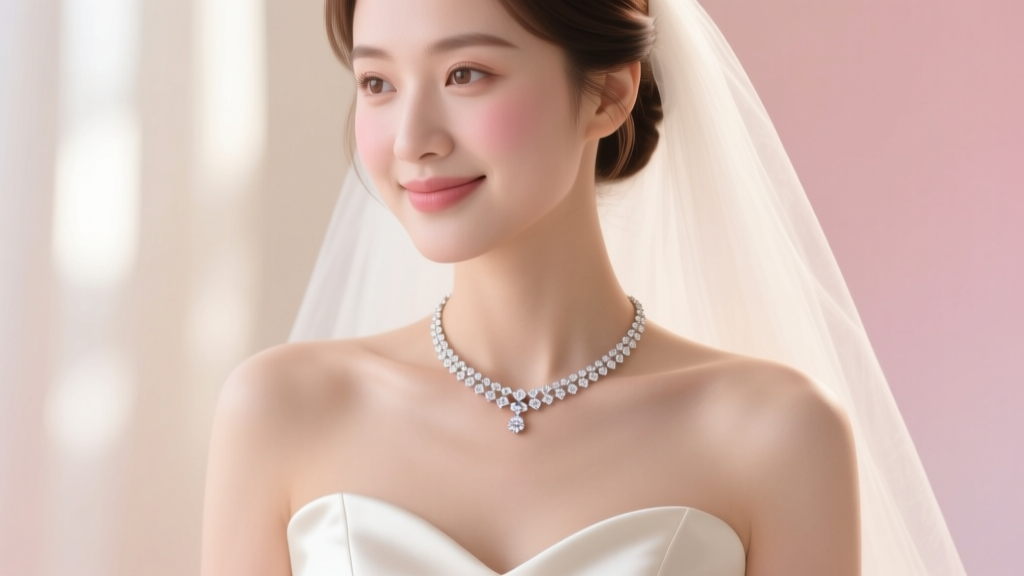
What Defines a True Wedding Choker Necklace?
When browsing bridal jewelry, the term "choker" is often misapplied to any short necklace. However, in fine jewelry anatomy, a true wedding choker necklace is engineered to sit snugly at the base of the neck, typically measuring between 14 and 16 inches in circumference. By contrast, a "collar" sits even higher and tighter, measuring 12 to 13 inches, directly wrapping the upper neck. Understanding this distinction is critical for comfort, especially during an eight-hour wedding reception.
The modern bridal choker has evolved far beyond the rigid velvet ribbons of the Victorian era. Today, minimalist diamond tennis chokers, delicate 18k gold chain chokers, and flexible pearl strands dominate the market. The width of the metal or gemstone setting also plays a massive role in the visual weight. A 2mm to 3mm width offers an ethereal, barely-there look that catches the light subtly, while a 10mm to 15mm width creates a bold, statement-making collar effect that demands a minimalist gown to balance the proportions.
Material Grades and Gemstone Selections
The longevity and skin-compatibility of your wedding choker necklace depend entirely on the metal grade. Because the neck is a high-pulse area prone to temperature fluctuations and perspiration, base metals or low-karat alloys can cause contact dermatitis. According to the Gemological Institute of America (GIA), nickel is the most common culprit for jewelry allergies, frequently found in lower-grade white gold alloys and brass.
Below is a breakdown of the most reliable metals for bridal chokers, including current market pricing estimates for fine jewelry:
| Metal Type | Purity / Grade | Pros for Bridal Wear | Cons & Maintenance | Avg. Price Range (USD) |
|---|---|---|---|---|
| Platinum | 950 Grade (95% pure) | Naturally hypoallergenic, extremely durable, holds heavy diamonds securely. | Heavier on the neck, premium price point. | $4,500 - $18,000+ |
| White Gold | 18k (75% pure) | Bright white appearance, lighter than platinum, excellent diamond contrast. | Requires rhodium replating every 1-2 years; may contain nickel. | $2,800 - $12,000 |
| Yellow Gold | 14k or 18k | Warm vintage appeal, highly resistant to tarnish, hides minor scratches well. | Can clash with cool-toned silver/white gold wedding bands. | $1,500 - $8,000 |
| Sterling Silver | 925 Grade | Budget-friendly, bright luster, great for fashion-forward or secondary receptions. | Tarnishes quickly with sweat and perfume; too soft for heavy gems. | $150 - $900 |
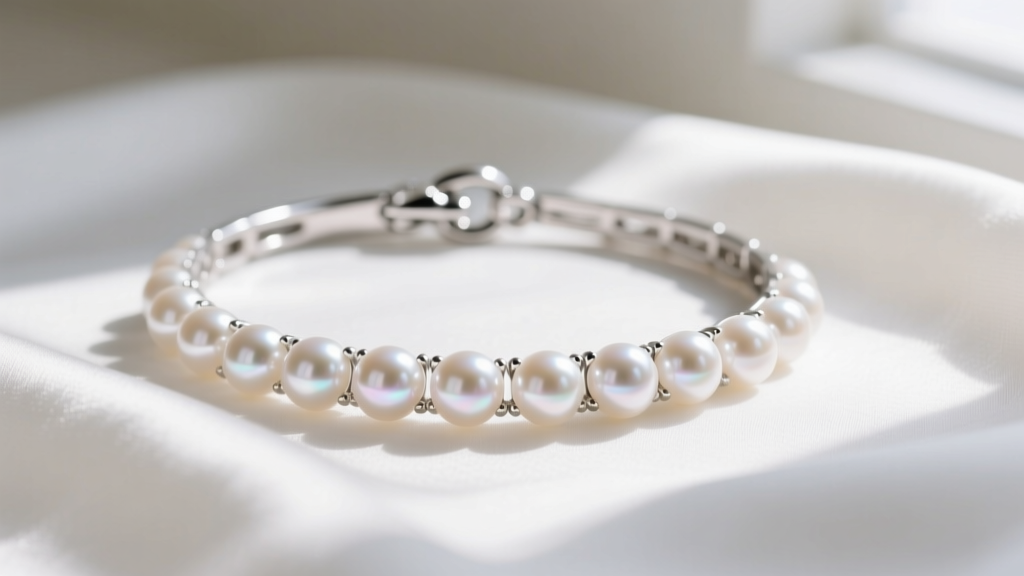
For gemstones, freshwater and Akoya pearls remain a timeless choice for chokers, offering a soft luster that complements silk and satin gowns. However, if you opt for a diamond tennis choker, ensure the stones are set in a flexible, articulated hinge setting. Rigid settings will not contour to the natural curve of your neck, leading to uncomfortable pressure points and a stiff appearance.
Matching Your Choker to Bridal Necklines
A wedding choker necklace can either elevate your bridal silhouette or visually clutter it. The golden rule of bridal styling is to maintain at least two inches of bare skin between the edge of your dress and the bottom of your necklace. Here is how to pair chokers with the most common bridal necklines:
- Sweetheart Neckline: The ideal canvas for a 15-inch choker. The curved dip of the sweetheart bodice mirrors the curve of the necklace, creating a harmonious, framed effect for the face. Opt for a 3mm to 5mm diamond or pearl choker.
- V-Neckline: Pair a 16-inch choker that features a central drop pendant or a subtle V-shaped motif. This elongates the neck and draws the eye downward, complementing the dress's architecture. Avoid thick, solid-band chokers, which will visually chop the neck in half.
- Halter Neckline: Generally, you should skip a traditional choker with a halter dress, as the fabric already covers the base of the neck. If you must wear one, opt for an ultra-delicate 12-inch collar chain (1mm width) that sits above the halter strap.
- Illusion Neckline: Because illusion necklines feature sheer tulle or lace over the collarbone, a heavy metal choker will snag the delicate fabric. Choose a smooth, polished metal tube choker or a strand of perfectly round pearls without exposed prongs.
Clasp Mechanics and Adjustability
The clasp is the most critical, yet frequently overlooked, component of a wedding choker necklace. Because chokers sit tightly against the skin, a failing clasp is immediately noticeable and highly stressful.
The Lobster Clasp vs. Spring Ring
For any choker featuring precious gemstones or pearls, a solid 14k or 18k lobster clasp is mandatory. Spring ring clasps, while common on budget-friendly chains, rely on a tiny internal coil spring that frequently jams or snaps under the lateral tension of a snug-fitting choker. A lobster clasp features a robust lever mechanism that locks securely into place.
Extender Chains and Ribbon Ties
Human necks swell slightly throughout the day due to hydration, temperature changes, and nervous energy. A choker that fits perfectly at 10:00 AM may feel suffocating by 8:00 PM. Always ensure your wedding choker necklace includes a 1-inch to 2-inch extender chain. Alternatively, vintage-inspired pearl chokers often utilize silk ribbon ties. While ribbons offer infinite micro-adjustability, they must be tied in a secure double bow and the ends sealed with a tiny drop of clear nail polish or fabric glue to prevent fraying during the reception.
Real-World Troubleshooting: Avoiding Choker Disasters
Even the most exquisite fine jewelry can become a liability if not prepped correctly. Bridal stylists and dermatologists recommend a few specific protocols to ensure your choker remains comfortable and pristine from the first look to the final dance.
Expert Fitting Tip: Never measure your neck for a choker using a metal measuring tape or a rigid ruler. Use a soft, flexible tailor's tape measure. Wrap it snugly around the exact point where you want the necklace to sit, then add exactly 0.5 inches to that measurement to allow for breathing room and natural skin movement. If your measurement is 14.5 inches, order a 15-inch choker.
Avoid Chemical Degradation: Hairspray, setting powders, and perfumes contain alcohols and aerosols that can strip the rhodium plating off white gold and leave a cloudy, irreversible film on porous gemstones like pearls and opals. Always put your wedding choker necklace on after your hair and makeup are 100% complete and fully dried.
Friction and Sweat Management: The base of the neck is a primary sweat zone. To prevent the metal from chafing your skin or leaving temporary dark marks, lightly dust your collarbone and the back of your neck with a translucent, silica-based setting powder before clasping the necklace. This creates a microscopic barrier that absorbs moisture and reduces friction without leaving a white cast on your skin or transferring onto the metal.
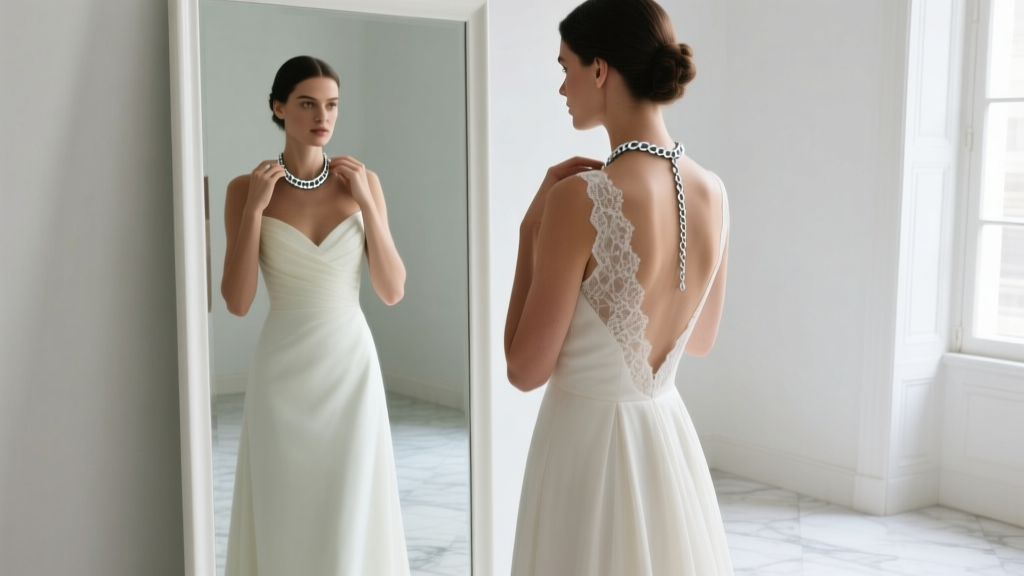
Final Thoughts on Sourcing and Styling
Investing in a wedding choker necklace is about balancing structural integrity with ethereal beauty. Whether you are commissioning a custom platinum diamond piece or sourcing a vintage-inspired velvet and cameo design, the fit must be prioritized above all else. According to bridal jewelry experts featured in Brides, the most common regret brides have is buying jewelry that requires constant adjusting in photographs.
By understanding the precise anatomy of choker lengths, selecting hypoallergenic metal grades, and matching the visual weight of the necklace to your gown's neckline, you guarantee a seamless, elegant look. For further guidance on building a complete bridal jewelry suite, including earrings and bracelets that complement your chosen choker, consult comprehensive styling resources like The Knot to ensure every element of your silhouette is perfectly harmonized for your walk down the aisle.


