What Is a Necklace Bail? A Buyer's Guide to Pendant Connectors
Discover what a necklace bail is, explore different bail types, and learn how to choose the right pendant connector for your chain and gemstone.

The Unsung Hero of Pendant Necklaces
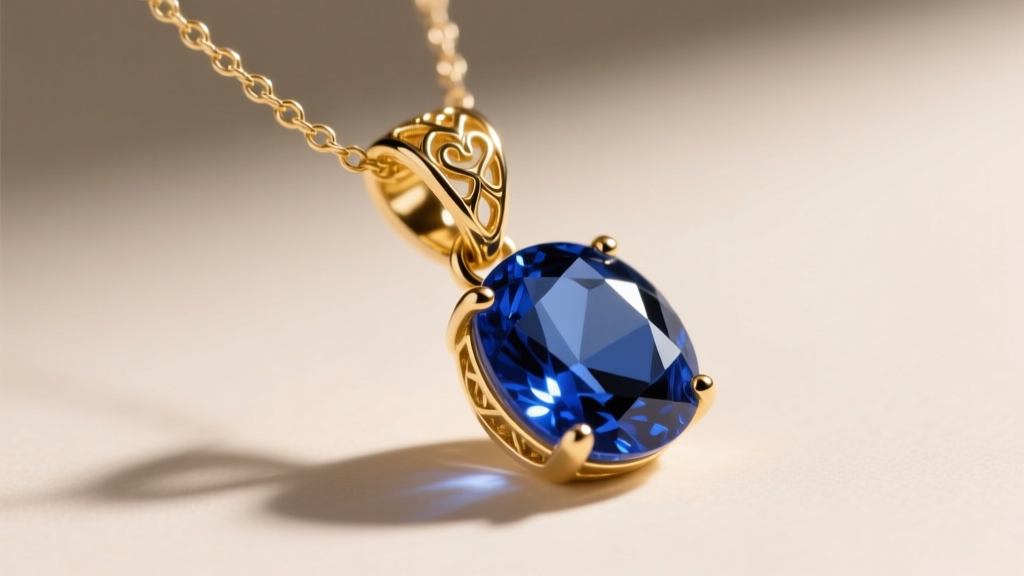
When shopping for a pendant necklace, most buyers focus entirely on the gemstone's cut, the metal's karatage, or the chain's link style. However, the structural integrity and aesthetic flow of the entire piece rely on a tiny, often overlooked component. So, what is a necklace bail? Simply put, a bail (or bale) is the jewelry finding that connects a pendant to a chain. It acts as the crucial bridge, allowing the pendant to hang flat against the chest while sliding smoothly along the necklace chain.
Choosing the wrong bail can lead to ruined gemstones, broken chains, or a pendant that flips upside down constantly. According to Rio Grande's comprehensive findings catalog, selecting the correct bail requires understanding the pendant's weight, the chain's thickness, and the gemstone's physical properties. This buying guide will break down the anatomy, types, and material considerations you need to make an informed purchase.
The Anatomy of a Pendant Bail
While designs vary wildly, almost all standard bails share three functional zones:
- The Loop (or Eye): The top curve where the chain threads through. Its inner diameter (ID) dictates which chains are compatible.
- The Body (or Bridge): The central structure that provides structural support and determines how far the pendant drops below the chain.
- The Attachment Point: The base mechanism (prongs, glue pad, screw, or clip) that secures the bail to the pendant itself.
Understanding these three zones is critical. A mismatch in the attachment point can shatter a delicate stone, while an improperly sized loop will cause excessive friction, eventually wearing through your precious metal chain.
6 Common Types of Necklace Bails (And When to Use Them)
Not all pendants are created equal, and neither are their connectors. Here is a deep dive into the most common bail types you will encounter on the market.
1. Glue-On (Pad) Bails
These feature a flat base pad that adheres directly to the top of a pendant using jewelry-grade adhesive. They are ideal for cabochons, undrilled stones, or glass pendants. Expert Tip: Never use standard cyanoacrylate (Super Glue), as it becomes brittle and fails under temperature fluctuations. Instead, use flexible, industrial-strength adhesives like E6000 or G-S Hypo Cement, which absorb shock and resist skin oils.
2. Pinch Bails (Prong Bails)
Pinch bails feature two or four tiny metal prongs that fit into a pre-drilled hole at the top of a bead or teardrop stone. The jeweler uses nylon-jaw pliers to squeeze the prongs inward, locking the pendant in place. 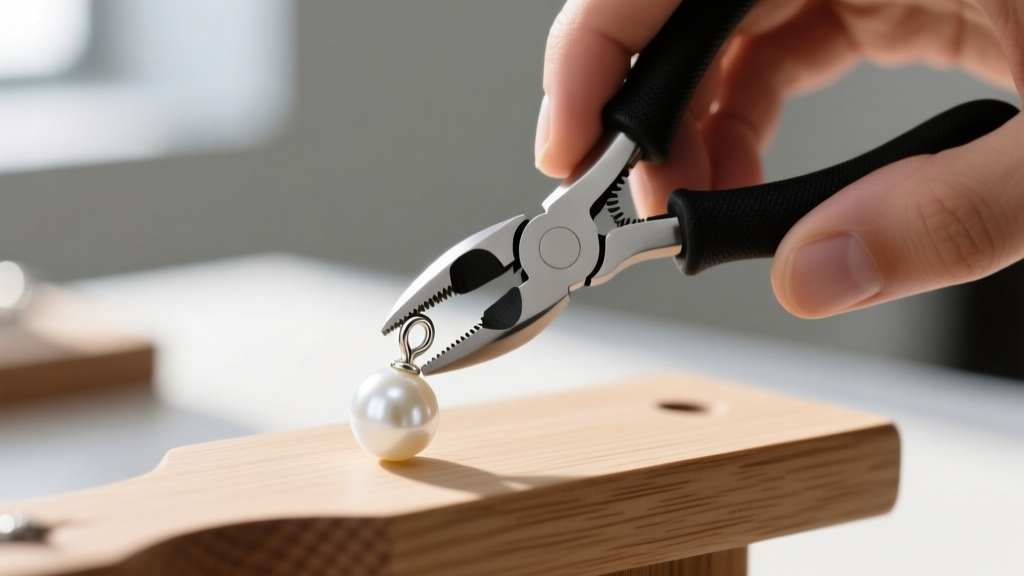 Warning: According to the GIA Gem Encyclopedia, stones with a Mohs hardness below 5 (like opal, turquoise, or malachite) are highly susceptible to cleavage and cracking under prong pressure. Always ensure the prongs are tipped with tiny protective beads or use a metal sleeve inside the drill hole for soft stones.
3. Screw-On Bails
Designed for beads with threaded inserts or tapped holes, screw-on bails feature a tiny threaded post (usually M1.0 or M1.2 metric). They offer a mechanical lock that is far superior to glue. For porous stones like pearl or coral, a drop of thread-locking adhesive (like Loctite 454) is applied to the post before screwing it in to prevent it from vibrating loose over time.
4. Clip-On (Snap) Bails
These bails have a hinged or spring-loaded mechanism that snaps shut over a pre-drilled bead. They are highly popular for DIY jewelry makers because they require no glue or specialized pliers. However, the internal tension spring can wear out over years of use, making them less ideal for heavy, high-value gemstones.
5. Donut Bails (Pendant Bails)
Specifically designed for flat, circular "donut" shaped gemstones (like jade or agate). The bail wraps around the outer edge of the stone and secures it via a hidden wire wrap or a pinched clasp at the top. They allow the stone to sit flush and face-forward.
6. Tube (Hidden) Bails
A tube bail is a horizontal hollow cylinder soldered directly to the back or top of a pendant. The chain threads entirely through the tube, creating the illusion that the pendant is floating on the chain. The critical metric here is the tube's inner diameter; it must be at least 1.5mm larger than the chain's width to prevent binding.
Sizing Your Bail: Chain Compatibility Chart
The most common mistake buyers make is ignoring the Inner Diameter (ID) of the bail loop. If the ID is too tight, the chain will kink and eventually snap. If it is too loose, the pendant will slide too far off-center. Use this reference chart to match your chain to the correct bail size:
| Chain Style & Width | Recommended Bail Inner Diameter (ID) | Best Bail Type |
|---|---|---|
| 1.0mm - 1.5mm Box / Cable Chain | 2.5mm - 3.5mm | Standard Glue-On, Small Pinch |
| 2.0mm - 3.0mm Rope / Wheat Chain | 4.0mm - 5.5mm | Tube Bail, Large Clip-On |
| 4.0mm - 6.0mm Cuban / Figaro Link | 7.0mm - 9.0mm | Oversized Hidden Bail, Custom Loop |
| Multi-Strand / Collar Necklaces | 10.0mm+ or specialized multi-loop | Multi-Strand Donut Bail |
Pro Tip: Always measure the chain's diagonal width when dealing with flat links like Figaro or Cuban chains, as they must pass through the bail loop at an angle during clasping.
Material Matters: Avoiding Galvanic Corrosion
A bail is a high-friction, high-moisture environment. It rests against the skin, collects sweat, and constantly rubs against the chain. This makes material selection critical. 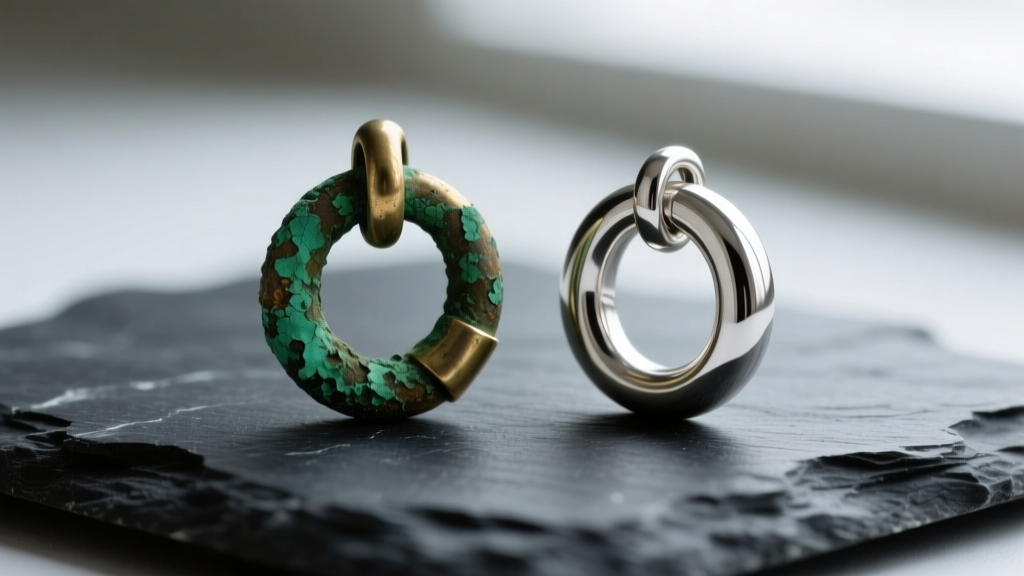
Never mix base metals with precious metals. If you attach a brass or copper alloy bail to a sterling silver chain, the moisture from your skin acts as an electrolyte. This triggers galvanic corrosion, where the less noble metal (brass) rapidly oxidizes, leaving permanent black and green stains on your silver chain and your skin.
Buying Rule of Thumb: Always match the bail material to the chain material. If you are upgrading a pendant, opt for 14k or 18k gold, platinum, or palladium bails. For sterling silver pendants, ensure the bail is stamped .925 and features a rhodium flash to prevent tarnishing at the friction point.
Troubleshooting Common Bail Failures
Even high-end jewelry can suffer from bail-related issues. Here is how to identify and prevent the most common failure modes:
- Prong Snapping: Occurs in pinch bails when the prongs are bent back and forth to adjust the pendant. Solution: Prongs should only be squeezed once. If adjustment is needed, have a jeweler anneal the metal first.
- Loop Wear-Through: The chain acts like a microscopic saw, slowly cutting through the bail loop over years of wear. Solution: Have a jeweler inspect the bail loop's thickness annually. If it is thinner than 0.5mm, it needs to be replaced or reinforced with a laser welder.
- Glue Pad Delamination: Caused by the application of skin lotions, perfumes, or ultrasonic cleaning. Solution: Never put glue-on bail jewelry in an ultrasonic cleaner. Clean it only with a damp, lint-free cloth.
Final Buying Checklist
Before finalizing your necklace bail purchase, run through this quick diagnostic checklist:
- Does the bail's inner diameter accommodate the thickest part of my chain's clasp?
- Is the metal grade identical to (or nobler than) my chain to prevent galvanic corrosion?
- If using a pinch bail, is the gemstone's Mohs hardness above 5, or is a protective sleeve installed?
- Is the bail's weight proportional to the pendant? (A heavy bail will cause a lightweight pendant to flip backward).
By understanding the mechanics of what a necklace bail is and how it functions, you can ensure your pendants hang beautifully, slide smoothly, and remain secure for a lifetime of wear.


