What Is the Theme of the Necklace? How Materials Define Style
Discover what is the theme of the necklace by exploring material properties. Learn how silver, gold, and titanium alloys dictate jewelry aesthetics.

Decoding the Question: What Is the Theme of the Necklace?
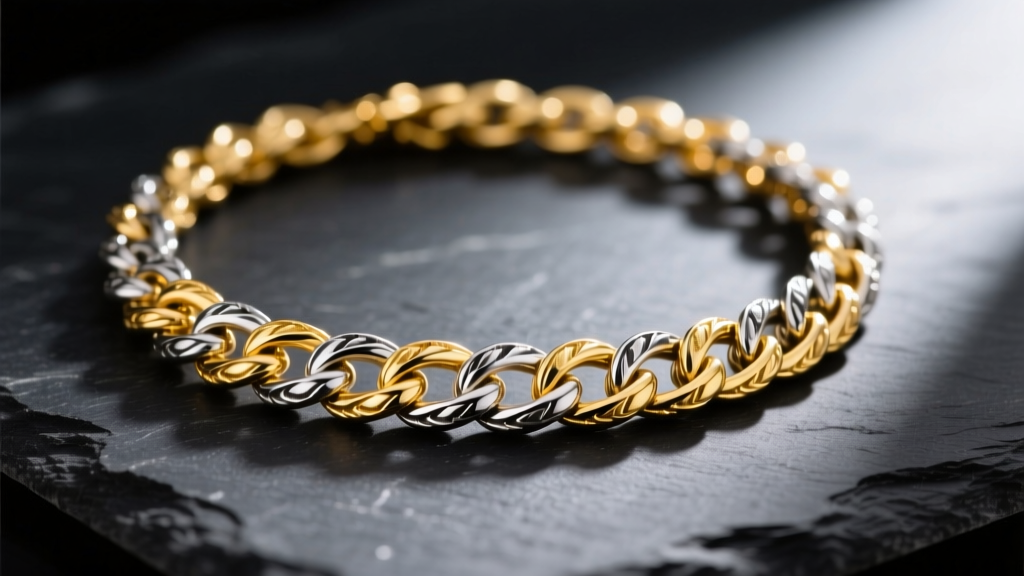
When collectors, stylists, and buyers ask, what is the theme of the necklace, they are often looking past the superficial pendant shape and inquiring about the underlying narrative of the piece. In high-end jewelry design, theme is not merely a visual motif like floral, geometric, or celestial. The true thematic anchor of any necklace lies fundamentally in its metallurgical composition and material properties. A piece crafted from high-polish 18k yellow gold communicates an entirely different thematic resonance than one forged from matte, anodized Grade 5 titanium.
As we navigate the jewelry landscape in 2026, consumers are increasingly educated about material science. They understand that the alloy composition dictates not only the durability and price point but also the psychological weight and stylistic category of the necklace. This guide deconstructs how specific metals, alloys, and surface treatments define the core theme of your neckwear.
The Metallurgical Matrix: How Silver Alloys Dictate Aesthetics
Silver remains a cornerstone of necklace manufacturing, but the specific alloy chosen drastically shifts the thematic output from 'rustic' to 'futuristic.' The Silver Institute notes that pure silver is too malleable for structural chain links, necessitating alloying elements that alter both physical properties and visual themes.
Sterling Silver (925) vs. Argentium (935/960)
Traditional Sterling Silver (925) contains 92.5% silver and 7.5% copper. The copper provides necessary tensile strength but introduces a critical flaw: it reacts with hydrogen sulfide in the atmosphere to form copper sulfide, resulting in tarnish. Thematically, sterling silver that is allowed to patina or is intentionally oxidized leans into bohemian, vintage, or gothic aesthetics. It feels organic, lived-in, and historically grounded.
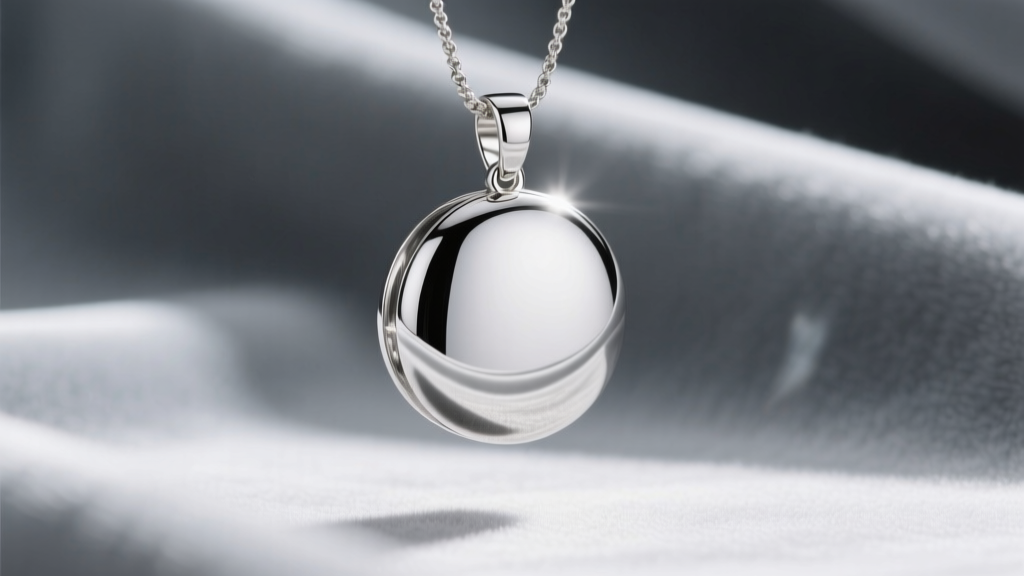
Conversely, Argentium Silver replaces a portion of the copper with germanium. When exposed to oxygen, the germanium forms a transparent, self-healing layer of germanium dioxide that virtually eliminates tarnish. Thematically, Argentium is the metal of modern luxury and minimalist perfection. Its perpetual, high-contrast white reflectivity makes it the ideal canvas for sleek, architectural pendant designs that demand a pristine, untarnished mirror finish.
Material Comparison Chart: Thematic Resonance & Properties
To understand how material properties translate to design themes, we must look at the empirical data. The following matrix compares standard necklace materials across hardness, composition, and their resulting stylistic themes.
| Material / Alloy | Composition / Purity | Mohs Hardness | Primary Thematic Association | Maintenance Profile |
|---|---|---|---|---|
| 18k Yellow Gold | 75% Au, 12.5% Cu, 12.5% Ag | 2.5 - 3.0 | Classic Luxury, Heritage, Opulence | Low (Requires occasional polishing) |
| 14k Rose Gold | 58.3% Au, 41.7% Cu | 3.0 - 3.5 | Romantic, Vintage, Warm Minimalism | Low (Copper patina adds character) |
| 18k White Gold | 75% Au, Pd/Ni, Rhodium plated | 2.5 - 3.0 | Corporate, Sleek, Modern Bridal | High (Requires rhodium replating) |
| Grade 5 Titanium | Ti-6Al-4V (Aerospace) | 6.0 | Industrial, Cyberpunk, Avant-Garde | Very Low (Highly corrosion resistant) |
| Tungsten Carbide | W + C (Cobalt/Ni binder) | 9.0 | Brutalist, Masculine, Indestructible | Zero (Scratch-proof, shatter risk) |
Gold Alloys and Thematic Warmth
According to the Gemological Institute of America (GIA), pure 24k gold is rarely used in structural necklace chains due to its extreme malleability. The thematic direction of a gold necklace is entirely dependent on the remaining 25% to 41.7% of the alloy matrix.
- The Romantic Theme (Rose Gold): By maximizing the copper content in a 14k alloy, metallurgists create rose gold. The warm, pinkish hue inherently evokes romance, vintage revivalism, and organic warmth. It pairs thematically with morganite, pink sapphires, and textured, hammered chain links.
- The Sleek Theme (White Gold): White gold achieves its silvery hue through palladium or nickel alloys, but it requires a 0.75 to 1.0-micron flash plating of rhodium to achieve its brilliant, cold white finish. This creates a theme of corporate elegance and sharp modernism. It is the standard for high-end diamond tennis necklaces where the metal must visually disappear, leaving only the stones.
Avant-Garde Materials: Titanium and Anodization
For those asking what is the theme of the necklace when looking at contemporary, non-traditional pieces, the answer is often rooted in aerospace engineering. Grade 5 Titanium (Ti-6Al-4V) has revolutionized avant-garde jewelry. Unlike gold or silver, titanium cannot be colored with traditional chemical patinas. Instead, it relies on anodization.
By submerging the titanium necklace in an electrolytic bath and applying specific voltages, jewelers manipulate the thickness of the transparent titanium dioxide layer on the surface. This creates structural color through light interference:
- 15 Volts: Produces a pale gold/bronze, yielding a subtle, earthy industrial theme.
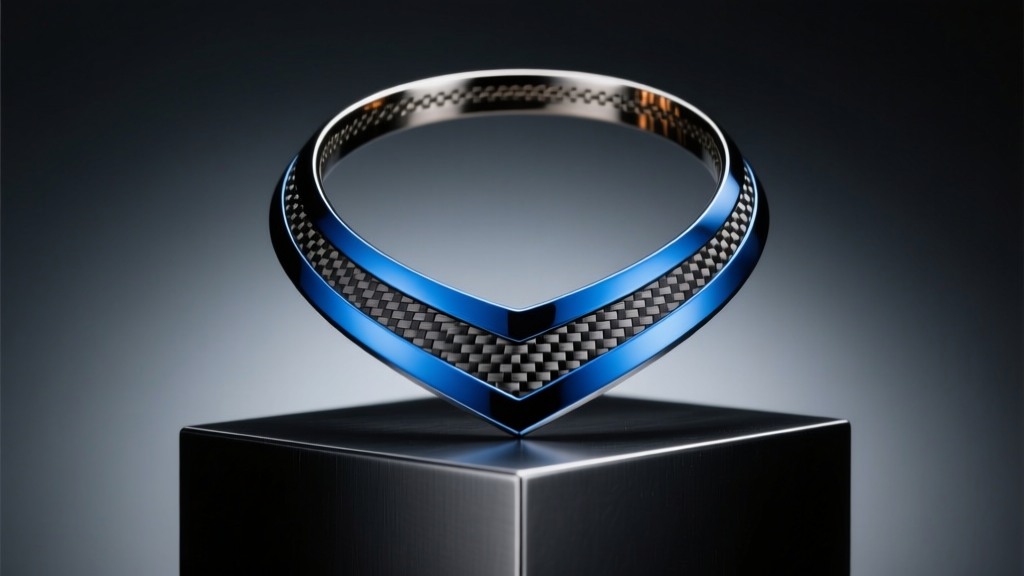
- 90 Volts: Produces a vibrant, electric blue, firmly anchoring the piece in cyberpunk, futuristic, or synth-wave aesthetics.
Because the color is a structural property of the oxide layer rather than a surface dye, it will never flake or fade, making it a favorite for permanent, thematic statement pieces.
Surface Treatments: Oxidation and Patination
Material properties are not limited to the base alloy; surface treatments fundamentally rewrite the necklace's theme. Oxidation is the deliberate acceleration of tarnish using chemicals like liver of sulfur (potassium sulfide).
Design Insight: When a silversmith applies liver of sulfur to a complex, multi-layered Byzantine chain necklace, the sulfide turns the entire piece black. By then using a polishing cloth to selectively remove the black oxidation from only the high points of the links, the recessed areas remain dark. This creates immense visual depth and contrast, instantly shifting the theme from 'bright and classic' to 'antique, gothic, or archaeological.'
This technique, known as antiquing, relies entirely on the copper content within the sterling silver to function, proving once again that chemical properties dictate aesthetic outcomes.
Practical Buyer’s Framework: Matching Material to Motif
When selecting or designing a necklace, use this material-to-theme framework to ensure cohesion between the physical properties and the desired aesthetic:
- For Heritage & Investment Themes: Choose 18k or 22k Yellow Gold. The high pure-gold content provides a rich, unmistakable yellow hue that signals generational wealth and classic luxury.
- For Utilitarian & Active Themes: Opt for Grade 2 or Grade 5 Titanium, or surgical-grade 316L stainless steel. These materials offer high tensile strength, hypoallergenic properties, and a matte, industrial finish suitable for daily wear without degradation.
- For Ethereal & Bridal Themes: Select Platinum (950). Its natural white color does not require rhodium plating, and its high density gives the necklace a substantial, luxurious drape that anchors heavy diamond or sapphire pendants securely.
Conclusion
Ultimately, when you ask what is the theme of the necklace, you are asking about the intersection of chemistry, physics, and human psychology. The copper in rose gold, the germanium in Argentium silver, and the voltage-anodized oxide layers of titanium are not just manufacturing details—they are the very vocabulary of jewelry design. By understanding these material properties, you can accurately read, select, and curate necklaces that perfectly align with your desired personal narrative.


