The Beginner's Guide to Buying a Wheat Chain Necklace
Discover everything about the wheat chain necklace. Learn about gauge sizes, metal grades, pendant pairing, and how to prevent kinking in this beginner guide.

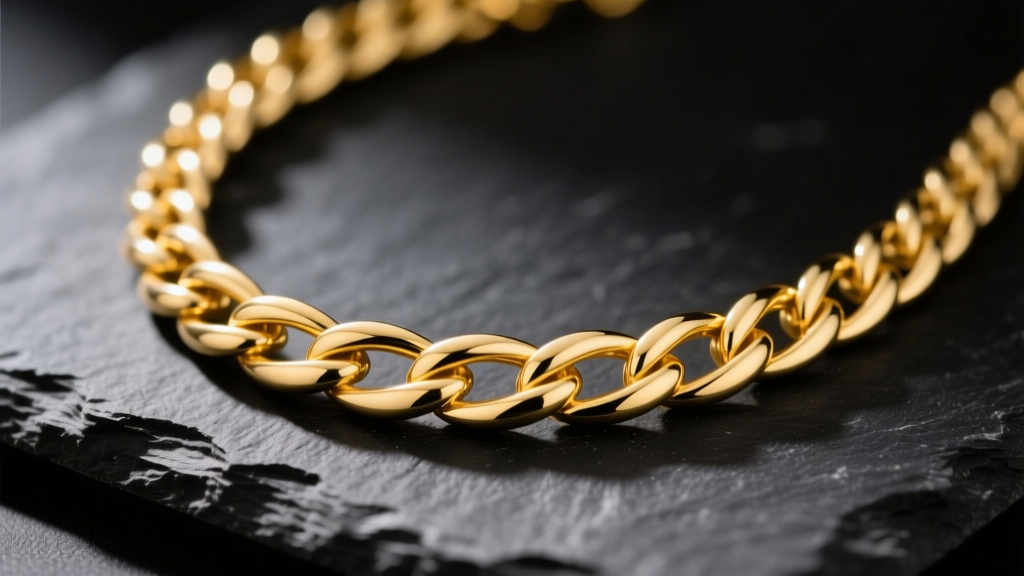
The Anatomy of a Wheat Chain Necklace
The wheat chain necklace, traditionally known in Italian jewelry circles as the Spiga chain (translating to "ear of wheat"), is a masterpiece of metallic weaving. Unlike standard cable chains that rely on simple interlocking links, a true wheat chain is constructed from four distinct strands of oval links woven together in a single, continuous direction. This creates a semi-rigid, braided cylinder that mimics the textured, symmetrical look of a wheat stalk.
For beginners navigating the vast jewelry market, understanding this structural difference is crucial. The multi-strand weave distributes tension evenly across the chain's surface, making it one of the most durable options available. According to manufacturing experts at Rio Grande, the interlocking geometry of the Spiga weave provides superior tensile strength compared to flat chains like the herringbone or snake chain, which are notorious for snapping under minimal stress.
Durability, Tensile Strength, and the Kinking Threat
While a wheat chain necklace boasts impressive tensile strength, it is not invincible. The most common failure mode for this specific chain style is kinking. Because the links are woven tightly in a uniform direction, bending the chain sharply against its natural curve can force the oval wires out of their geometric alignment. Once a kink forms, the chain loses its fluid drape and creates a stiff, protruding hinge point that is highly susceptible to snapping if pulled.
How to Rescue a Kinked Chain
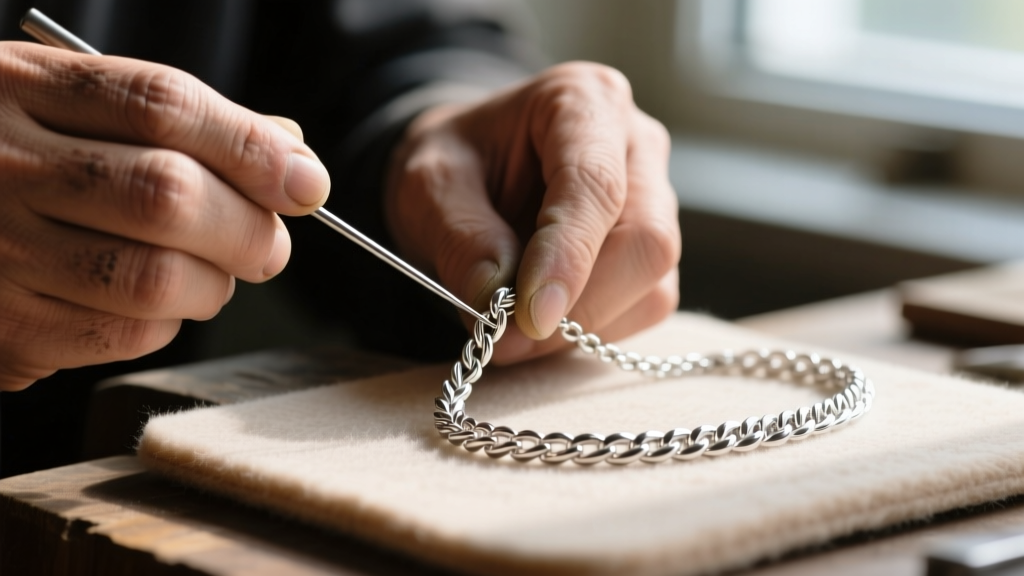
If your wheat chain kinks, do not pull it taut; this will lock the bent wires tighter. Instead, lay the chain flat on a soft surface. Use a fine steel needle or a jewelry pin to gently tease the misaligned links back into their parallel weave. For stubborn kinks in thicker gauges (3.0mm and above), jewelers often place the chain between two pieces of felt and gently roll a heavy glass cylinder over the affected area to coax the metal back into its cylindrical shape.
Sizing Guide: Gauge Thickness and Weight Limits
Selecting the correct gauge (thickness) is the most critical decision when buying a wheat chain necklace. The gauge dictates not only the visual weight of the piece but also its structural capacity to hold pendants. Below is a practical framework for matching gauge sizes to pendant weights.
| Gauge (mm) | Visual Profile | Max Pendant Weight | Best Use Case |
|---|---|---|---|
| 1.2mm - 1.5mm | Delicate, subtle texture | Up to 5 grams | Small diamond solitaires, lightweight birthstones |
| 2.0mm - 3.0mm | Medium, pronounced weave | 5 to 15 grams | Standard lockets, medium gemstone pendants |
| 4.0mm - 6.0mm | Heavy, bold statement | 15 to 35+ grams | Worn solo, or with heavy cast-metal medallions |
Expert Tip: Always pair chains 2.0mm or thicker with a lobster claw clasp. Spring ring clasps lack the internal spring tension required to secure heavier wheat chains and will eventually fail at the solder ring.
Metal Grades, Alloys, and Market Pricing
The longevity of your wheat chain necklace depends heavily on the metal alloy. The Gemological Institute of America (GIA) notes that pure 24k gold is far too soft for the friction-heavy weave of a Spiga chain; it must be alloyed for structural integrity. Here is what you can expect regarding materials and current market pricing.
- Sterling Silver (925): Priced between $40 and $120. An excellent entry point, though the porous nature of silver means the tight crevices of the wheat weave will require frequent polishing to prevent oxidation and tarnish buildup.
- 14k Gold (58.5% Pure): Priced between $350 and $900. The industry standard for daily wear. The copper and zinc alloys provide the necessary rigidity to maintain the chain's tubular shape without warping.
- 18k Gold (75% Pure): Priced between $800 and $2,500. Offers a richer, warmer color but is slightly softer. Best reserved for lighter gauges (under 2.5mm) to prevent stretching over time.
- Platinum (95% Pure): Priced from $1,200 to $4,000+. Extremely dense and heavy. A platinum wheat chain will feel substantially heavier on the neck than gold but offers unmatched resistance to metal fatigue.
Pendant Pairing: Bail Sizing and Drape Mechanics
A common beginner mistake is purchasing a thick wheat chain and realizing their favorite pendant won't slide onto it. Unlike smooth box chains or flexible rope chains, the wheat chain has a textured, slightly stiff exterior. The friction of the woven links requires a bail (the loop connecting the pendant to the chain) that is at least 1.5mm larger than the chain's gauge to allow for fluid movement.
"When pairing a pendant with a 3.0mm wheat chain, ensure the pendant bail has an internal clearance of at least 4.5mm. A tight bail will cause the pendant to sit rigidly and accelerate wear on the chain's outer links due to constant friction."
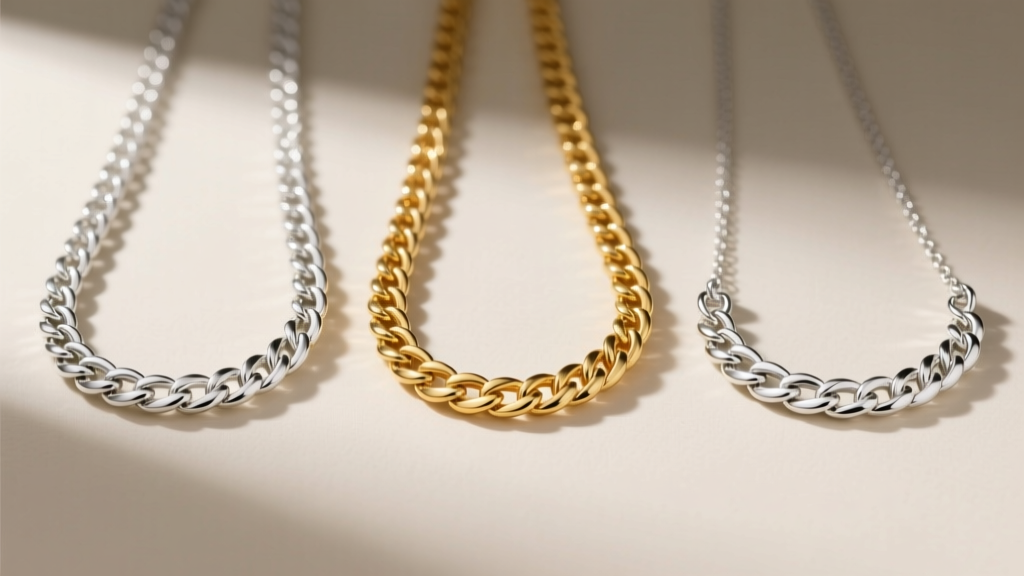
Furthermore, because wheat chains are semi-rigid, they do not drape in a tight "V" shape like snake chains. Instead, they form a softer, wider parabolic curve. This makes them highly flattering for wider necklines and scoop-neck tops, as the chain naturally frames the collarbone without collapsing inward.
Professional Care and Maintenance Protocol
The tight, four-strand weave of a wheat chain necklace is a magnet for skin oils, lotions, and fine dust. Over time, this debris settles deep into the crevices of the links, dulling the metal's reflectivity and creating a gritty texture that can accelerate micro-abrasions.
- The Soak: Mix warm water with a few drops of phosphate-free dish soap. Submerge the chain for 10 to 15 minutes to loosen sebum and cosmetic buildup.
- The Agitation: Use an extra-soft baby toothbrush. Brush along the directional grain of the weave, never against it, to avoid bending the outer link wires.
- The Rinse and Dry: Rinse thoroughly under distilled water to prevent hard water spots. Lay flat on a microfiber cloth to air dry; avoid using paper towels, as the microscopic wood fibers can snag on the textured links.
- Ultrasonic Warning: While plain metal wheat chains are generally safe in ultrasonic cleaners, never use this method if your chain features a gemstone-set clasp or if the chain is hollow-core, as the high-frequency vibrations can shatter stones or collapse hollow wire structures.
By understanding the unique mechanics, sizing requirements, and maintenance needs of the Spiga weave, you can confidently invest in a wheat chain necklace that offers both exceptional durability and timeless, textured elegance.


