Where Does a 16 Inch Necklace Fall? The Ultimate Fit & Buying Guide
Discover exactly where a 16 inch necklace falls on different body types. Our buying guide covers necklines, materials, and fit adjustments for perfect styling.

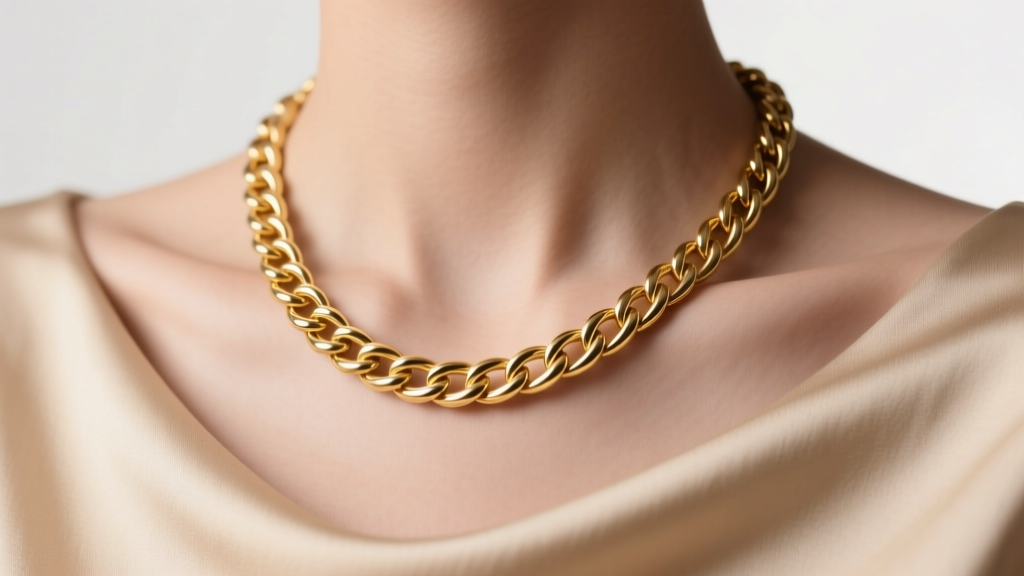
The 16-inch necklace is widely considered the universal standard in women's jewelry, yet "standard" rarely means "one-size-fits-all." When browsing collections or trying on pieces in a boutique, a frequent and highly practical question arises: where does a 16 inch necklace fall? The short answer is that it typically rests right on or just above the collarbone. However, the precise drop, visual weight, and styling impact vary dramatically based on your neck circumference, height, and the specific chain link design.
As a foundational piece in any jewelry wardrobe, understanding the exact mechanics of a 16-inch chain is crucial before making a purchase. This comprehensive buying guide breaks down the anatomy of the 16-inch drop, how it interacts with different body types, and the critical hardware specifications you must look for to ensure longevity and comfort.
The Anatomy of a 16-Inch Necklace Fit
Measuring exactly 40.64 centimeters from end to end (excluding the clasp), a 16-inch chain bridges the gap between a restrictive choker (14 to 15 inches) and a standard princess-length chain (18 inches). According to jewelry educational resources from Blue Nile, the 16-inch length is designed to frame the face and draw the eye to the décolletage without dipping into the neckline of most standard garments.
However, the physical placement on your body depends heavily on your skeletal structure. On a petite frame with a slender neck, a 16-inch chain may sit slightly lower, mimicking an 18-inch drop on a larger frame. Conversely, on a broader or taller frame, that same 16 inches will hug the base of the neck, functioning much like a relaxed choker. Understanding this baseline is the first step in selecting a chain that won't require constant readjustment.
How Body Type and Neck Circumference Alter the Drop
To accurately predict where a 16 inch necklace falls on your specific frame, you must consider your neck circumference. The average woman's neck measures between 13 and 14.5 inches. If your neck falls outside this average, the visual placement of the chain will shift.
| Neck Circumference | Visual Placement of 16" Chain | Fit Category | Recommended Adjustment |
|---|---|---|---|
| 12 - 13 inches | 1.5 to 2 inches below collarbone | Relaxed / Princess | Opt for 14" or 15" for a true collarbone fit |
| 13.5 - 14.5 inches | Directly on the collarbone | Standard / Ideal | Perfect as-is; add a 1" extender for versatility |
| 15 - 16 inches | Base of the neck / High collarbone | Snug / Choker-adjacent | Size up to 17" or 18" for breathing room |
| 16.5+ inches | Tight against the lower neck | Restrictive Choker | Avoid 16"; start shopping at 18" or 20" lengths |
Pro Tip: Before buying, use a soft tailor's measuring tape to measure your neck at the exact point where you want the chain to sit. Add 1.5 to 2 inches to that measurement to find your ideal "collarbone" length. If that number is 16, you are in the standard sizing tier.
Best Necklines to Pair With a 16-Inch Chain
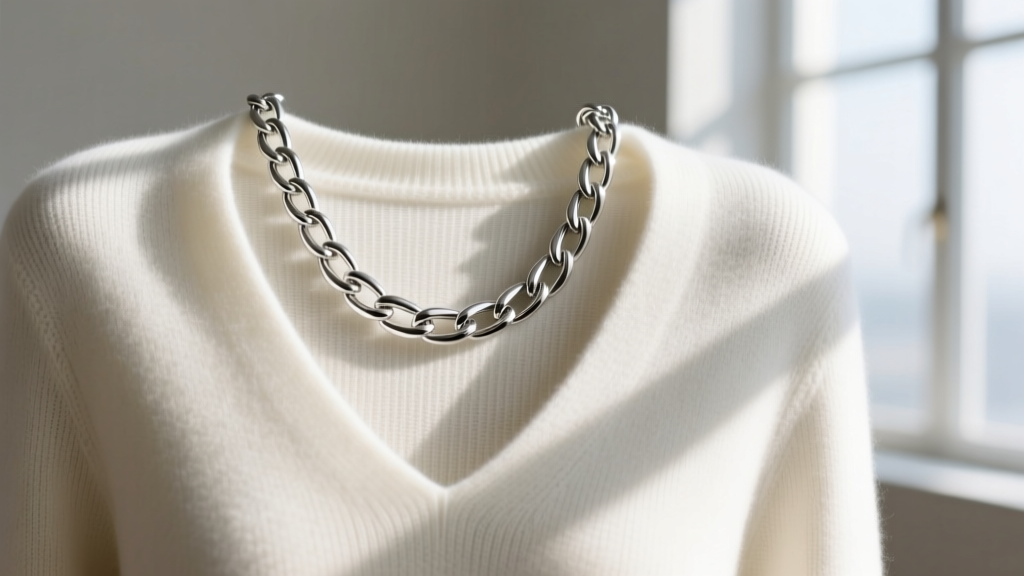
The versatility of the 16-inch length makes it a workhorse for everyday styling, but it interacts differently with various fabric cuts. Here is how to maximize its impact based on your wardrobe:
- The V-Neck: A 16-inch chain should sit roughly 1 to 2 inches above the apex of a standard V-neck. This creates a layered, framed effect that elongates the neck without the metal competing with the fabric's seam.
- The Crew Neck: This is where the 16-inch drop shines. It should rest exactly on or slightly above the ribbed collar of a crew neck t-shirt or sweater, acting as a bright metallic border that breaks up solid blocks of color.
- The Scoop Neck: Because scoop necks vary wildly in depth, a 16-inch chain will either float in the center of the exposed skin (on a shallow scoop) or rest on the fabric hem (on a deep scoop). For deep scoops, consider an 18-inch chain instead.
- The Button-Down Shirt: Unbuttoned to the second or third button, a 16-inch chain provides a subtle, sophisticated glint that draws the eye upward, perfect for professional or smart-casual environments.
Critical Buying Factors: Clasps, Extenders, and Gauges
Knowing where the necklace falls is only half the battle; the hardware dictates whether the piece will survive daily wear. When evaluating a 16-inch necklace, scrutinize these three elements:
1. Chain Gauge and Thickness
For a 16-inch chain meant to hold a pendant, avoid anything thinner than 1.0mm (roughly 18-gauge). Chains measuring 0.8mm (20-gauge) or finer are highly prone to kinking and snapping under the tension of a swinging pendant. If you are buying a standalone statement chain without a pendant, a thicker 2.0mm to 3.0mm curb or Figaro link provides excellent structural integrity and visual weight.
2. The Clasp Mechanism
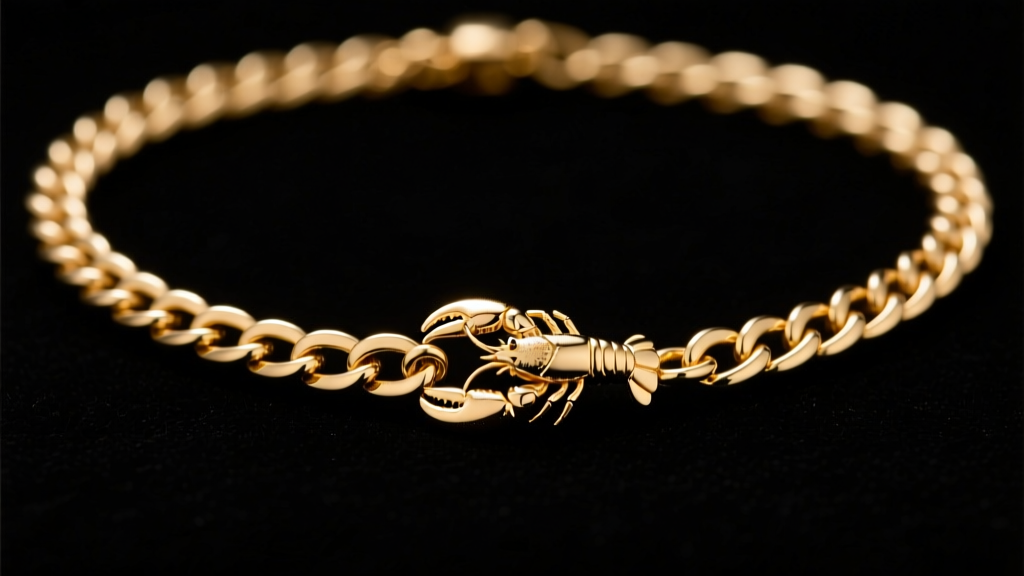
Never settle for a standard spring-ring clasp on a fine jewelry piece. Spring rings are mass-produced, feature weak internal springs, and frequently fail when catching on hair or sweaters. Always look for a lobster claw clasp. For a 16-inch chain, a 5mm x 8mm lobster clasp is the ideal proportion—large enough to operate easily with one hand, but small enough to remain discreet at the nape of the neck.
3. The Mandatory Extender Chain
Because a 16-inch drop is highly sensitive to slight changes in neck swelling (which can occur due to heat, hydration, or time of day), a 2-inch extender chain is non-negotiable for modern buyers. This allows you to adjust the drop to 17 or 18 inches on days when you need a slightly more relaxed fit or are wearing a thicker winter garment.
Material Durability at the Collarbone Zone
The collarbone and lower neck represent a high-friction, high-moisture environment. Your skin produces natural oils, and this area is frequently exposed to perfumes, sweat, and cosmetic products. According to metallurgical guidelines referenced by the Gemological Institute of America (GIA), material choice heavily influences tarnish and wear rates in this specific zone.
Expert Insight: Sterling silver (925) is highly reactive to sulfur compounds found in human sweat and municipal water. If you plan to wear a 16-inch silver chain daily against your skin, ensure it is heavily plated with rhodium to create an inert barrier against tarnish.
For gold chains, 14k gold (58.5% pure gold) is vastly superior to 18k gold for a 16-inch daily wearer. The higher alloy content in 14k gold (typically mixed with copper, silver, and zinc) provides greater tensile strength and scratch resistance, which is vital for a chain that constantly rubs against the collarbone and clothing seams. If you have severe metal sensitivities, look for Grade 23 Titanium (Ti-6Al-4V ELI), which is entirely hypoallergenic and impervious to sweat-induced corrosion.
Troubleshooting Common 16-Inch Necklace Failures
Even perfectly measured 16-inch necklaces can suffer from mechanical annoyances. Here is how to troubleshoot the most common issues associated with this specific length:
The "Clasp Migration" Problem
Because a 16-inch chain sits on the sloped anatomy of the neck and upper chest, gravity naturally pulls the heaviest component—the clasp—forward, causing it to migrate from the back of your neck to your collarbone. The Fix: Purchase chains that feature a small counterweight tag near the clasp, or use a discreet silicone necklace stopper bead on the back of the chain to create friction against your skin and hair, anchoring the clasp in place.
Chain Kinking and Bending
Certain chain styles, particularly herringbone, snake, and omega chains, are notoriously rigid. When forced into the relatively tight 16-inch circumference around the neck, these chains bend sharply, leading to permanent kinks and structural failure. The Fix: For a 16-inch length, always prioritize highly flexible link styles such as cable, rope, curb, or box chains. The Jewelers of America consistently recommend flexible links for shorter lengths to ensure the metal moves fluidly with your body's natural range of motion.
Pendant Flipping
If your 16-inch chain features a bail (the loop that holds a pendant), the pendant may constantly flip backward, hiding the stone or design. This happens when the chain is too thick to slide smoothly through the bail, or when the pendant is too light to anchor itself. The Fix: Ensure the chain gauge is at least 0.5mm thinner than the inner diameter of the pendant bail, and opt for pendants with a slightly heavier bottom profile to maintain a forward-facing center of gravity.
Ultimately, understanding where a 16 inch necklace falls on your unique frame empowers you to shop with precision. By prioritizing robust hardware, flexible link structures, and sweat-resistant metals, your 16-inch chain will remain a flawless, comfortable staple in your daily rotation for years to come.


