Where Does an 18 Inch Necklace Fall? The Ultimate Fit Guide
Discover exactly where an 18 inch necklace falls on different body types. Our buying guide covers lengths, chain widths, and neckline pairings.


The Anatomy of an 18-Inch Necklace Drop
When shopping for fine jewelry, understanding standard measurements is critical to achieving the perfect look. The 18-inch necklace, widely recognized in the industry as the princess length, is the most popular chain size sold globally. But where does an 18 inch necklace fall exactly? In standard jewelry design, an 18-inch chain measures exactly 45.7 centimeters. On a woman of average height (around 5 feet 4 inches) with a standard neck circumference of 13.5 inches, this length is engineered to rest precisely on the clavicle, or collarbone. This placement creates a universally flattering frame for the face and neck, making it the default choice for everything from delicate diamond solitaires to everyday gold chains. However, treating this measurement as a universal guarantee is a common buyer mistake. The actual drop of the chain is heavily influenced by individual anatomy, chain weave, and the weight of any attached pendants.
How Body Type and Neck Size Alter the Drop
The most critical variable in determining where an 18-inch necklace will sit is your neck circumference and shoulder slope. Jewelry educators at The Knot's comprehensive necklace length chart emphasize that standard lengths are based on a baseline mannequin size. If your neck measures 14.5 inches or more, an 18-inch chain will sit higher, closer to the base of the throat, mimicking a choker or tight crew-neck effect. Conversely, if you have a slender neck (under 13 inches) or a longer torso, the chain will drop lower, resting a few inches below the collarbone and approaching the matinée length territory.
Shoulder slope also plays a hidden role in the drape. Individuals with sloped shoulders will find that chains naturally slide outward toward the deltoids, causing the center of the necklace to dip slightly lower than expected. To test the fit before purchasing, use the two-finger rule: you should be able to comfortably slide two fingers between the chain and your skin. If the chain feels restrictive or leaves a red mark on your clavicle, you likely need to size up to a 20-inch chain to achieve the intended collarbone drop.
Chain Width, Weight, and Clasp Mechanics
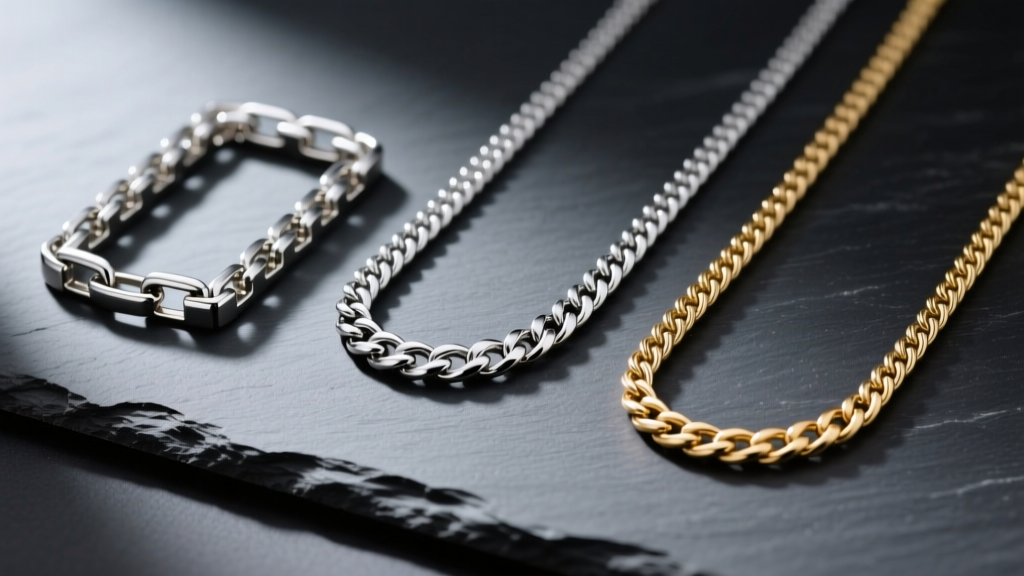
Beyond anatomy, the physical construction of the chain dictates its behavior on the body. A 0.8mm cable chain will drape softly and conform to the hollow of the collarbone. In contrast, a 2.5mm curb chain of the exact same 18-inch length possesses structural rigidity. It will sit outward, creating a wider, more circular silhouette rather than a soft V-shape. Furthermore, the weight of the chain and its clasp mechanics can alter the visual drop. Heavy chains tend to pull the neckline downward, while lightweight chains with oversized clasps often suffer from the clasp sliding to the front of the neck.
| Chain Width | Best Use | Drape and Flexibility | Clasp Recommendation |
|---|---|---|---|
| 0.5mm to 0.9mm | Lightweight pendants under 3g | Fluid, delicate, prone to kinking | Spring Ring 4mm |
| 1.0mm to 1.5mm | Medium pendants 3g to 8g | Balanced drape, visible presence | Lobster Claw 5mm |
| 1.6mm to 2.5mm | Heavy pendants or standalone | Stiff, structured, highly durable | Lobster Claw 7mm |
| 3.0mm and above | Statement pieces, no pendants | Rigid, heavy, bold aesthetic | Box Lock or Hidden |
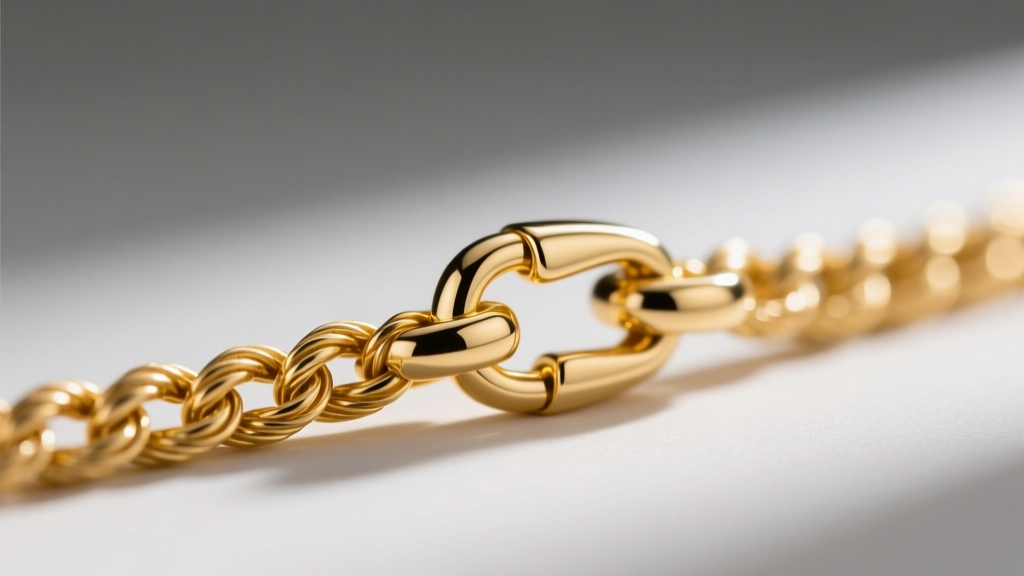
Master Jeweler Tip: When purchasing an 18-inch chain, always inspect the soldering points on the links. Mass-produced chains often use laser soldering that can become brittle over time. Look for chains with individually hand-soldered links or solid, seamless weaves like the box chain to prevent unexpected snapping.
Best Necklines and Pendants for the 18-Inch Drop
Because the 18-inch length rests squarely on the collarbone, it pairs exceptionally well with specific garment necklines. For crew necks and boat necks, the chain sits just below the fabric seam, providing a clean, layered look without tangling in the cotton. With V-neck blouses, the natural curve of the 18-inch chain echoes the geometry of the garment, drawing the eye downward and elongating the neck.
When adding a pendant to an 18-inch chain, bail sizing is paramount. The bail (the loop that connects the pendant to the chain) must accommodate the chain width while allowing the piece to slide freely. If the bail is too tight, the pendant will remain stuck on one side of the collarbone, ruining the symmetry of the drape. According to the jewelry specialists at Blue Nile's necklace education guide, a pendant weighing more than 5 grams will pull the center of an 18-inch chain down into a deeper V, effectively changing the visual drop to 19 inches or more. If you prefer the pendant to sit strictly on the collarbone, opt for lighter, hollow-cast charms or bezel-set diamonds that distribute weight evenly.
Material Grades and Pricing Expectations
The material you choose impacts not only the price but also the longevity and drape of the piece. In 2026, precious metal markets dictate specific pricing tiers for standard 18-inch chains. Sterling silver (925) remains the most accessible entry point, with high-quality rhodium-plated 1.0mm chains ranging from 40 to 85 dollars. However, silver is soft and prone to stretching under the weight of heavy pendants.
For everyday wear, 14-karat gold is the industry standard. It offers the perfect balance of rich color and tensile strength. An 18-inch 14k gold cable chain (1.2mm) typically retails between 180 and 280 dollars, depending on the exact gram weight. If you prefer a deeper, more saturated yellow hue and have a higher budget, 18-karat gold chains of the same specification will range from 300 to 450 dollars. Keep in mind that 18k gold is softer than 14k, making it slightly more susceptible to denting if subjected to daily impact. Platinum, while hypoallergenic and incredibly durable, is significantly denser. An 18-inch platinum chain will feel noticeably heavier on the collarbone and will generally cost between 600 and 900 dollars for a comparable 1.0mm width.
Troubleshooting Common 18-Inch Fit Issues
Even with the correct length, buyers frequently encounter functional annoyances with collarbone-length chains. Here is how to troubleshoot the most common issues:
- The Clasp Slides to the Front: This happens when the clasp is heavier than the chain links, or when the chain is too slippery. The professional fix is to have a jeweler solder a tiny gold counter-bead or attach a clear silicone stopper bead two inches away from the clasp to anchor it behind the neck.
- Constant Tangling: Rope chains and snake chains are notorious for catching on body hair and fine fabrics, leading to frustrating knots. If you want an 18-inch chain that lays flat and resists tangling, switch to a box weave or a flat curb chain, which feature smooth, interlocking geometries that slide past obstacles.
- The Chain Flips Upward: If you wear an 18-inch necklace with a high-collared shirt or a textured sweater, friction will cause the chain to ride up your neck. To combat this, opt for a heavier chain width (1.5mm or thicker) which possesses enough gravitational pull to stay anchored to the skin.
Final Verdict: Is 18 Inches Right for You?
Understanding where does an 18 inch necklace fall is the first step toward building a curated, well-fitting jewelry collection. It is the undisputed champion of versatility, perfectly bridging the gap between the restrictive nature of a 16-inch choker and the deeper plunge of a 20-inch chain. By factoring in your specific neck circumference, choosing the appropriate chain weave for your lifestyle, and matching the metal grade to your budget, you can ensure your 18-inch necklace sits flawlessly on the collarbone for years to come. Always measure your neck with a soft tailor's tape before ordering online, and remember that a half-inch difference in jewelry can completely transform the silhouette of your outfit.


