White Gold Necklace Metallurgy: Alloys, Rhodium Plating & Durability
Explore the technical metallurgy of a white gold necklace. Learn about nickel vs. palladium alloys, rhodium plating lifecycles, and chain tensile strength.

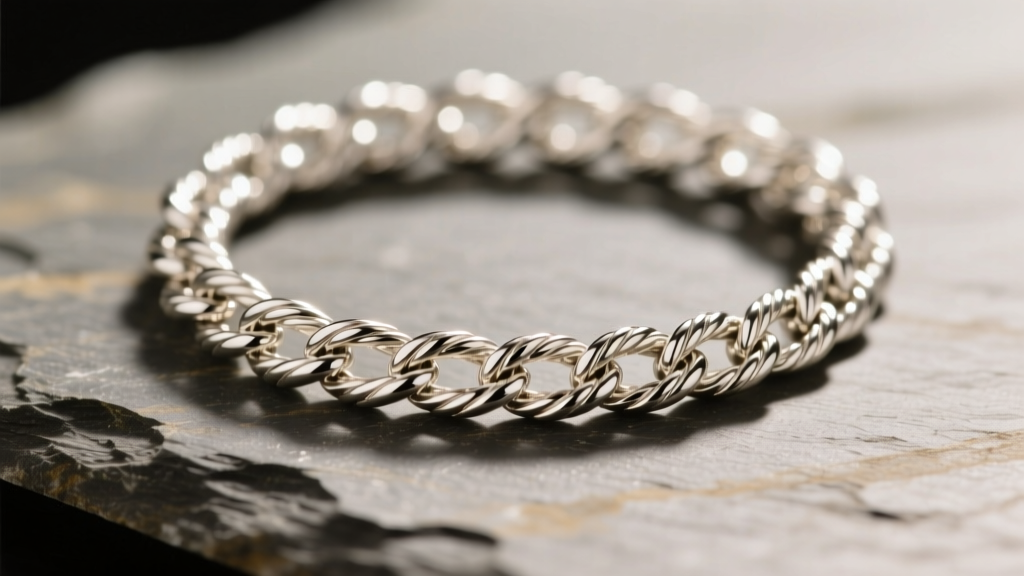
The Metallurgical Reality of White Gold
When consumers purchase a white gold necklace, they are often under the impression that they are buying a naturally occurring white precious metal. In reality, pure gold (24k) is inherently yellow. White gold is a triumph of metallurgical engineering—an alloy created by combining pure gold with specific bleaching metals to achieve a silvery-white hue. Understanding the technical specifications of these alloys, the electroplating processes used to finish them, and the structural engineering of the chain links is critical for making an informed, long-term investment in fine jewelry.
According to the Gemological Institute of America (GIA), the term 'white gold' encompasses a wide spectrum of alloy recipes, each yielding vastly different mechanical properties, colors, and allergenic profiles. As we navigate the jewelry market in 2026, the shift toward palladium-based alloys and stricter hallmarking standards has fundamentally changed how these necklaces are manufactured and maintained.
Alloy Composition: Nickel vs. Palladium
The base color, hardness, and skin-compatibility of a white gold necklace depend entirely on the alloying metals used. The two primary 'bleaching' agents are nickel and palladium. A standard 14k white gold piece contains 58.5% pure gold, while an 18k piece contains 75% pure gold. The remaining percentage dictates the metal's behavior.
Nickel-Based Alloys
Nickel is a highly effective bleaching agent. Even in small quantities, it neutralizes the yellow hue of gold, resulting in a bright, stark white base metal. Furthermore, nickel significantly increases the Vickers hardness (HV) of the alloy, making 14k nickel white gold highly resistant to scratching and deformation. However, nickel is a known contact allergen. In the European Union, the Nickel Directive strictly limits its use in jewelry, though it remains common in North American manufacturing.
Palladium-Based Alloys
Palladium, a platinum group metal, is the premium alternative. It is completely hypoallergenic and provides excellent tarnish resistance. However, palladium does not bleach gold as aggressively as nickel. An 18k palladium white gold necklace will have a faintly warm or grayish undertone before plating. It is also a softer alloy, making it more susceptible to micro-scratches over time, though it is less brittle than high-nickel alloys.
| Metric | 14k Nickel White Gold | 18k Palladium White Gold |
|---|---|---|
| Pure Gold Content | 58.5% | 75.0% |
| Primary Bleaching Agent | Nickel, Zinc, Copper | Palladium, Silver |
| Base Color (Pre-Plating) | Stark White / Silvery | Warm Gray / Champagne |
| Vickers Hardness (HV) | ~135 - 150 HV | ~110 - 125 HV |
| Allergenic Potential | High (Nickel sensitivity) | None (Hypoallergenic) |
The Rhodium Plating Lifecycle
Because neither nickel nor palladium alloys achieve the brilliant, mirror-like chrome finish consumers associate with platinum or high-end white gold, nearly all white gold necklaces undergo rhodium electroplating. Rhodium is a rare, extremely hard, and highly reflective platinum group metal.
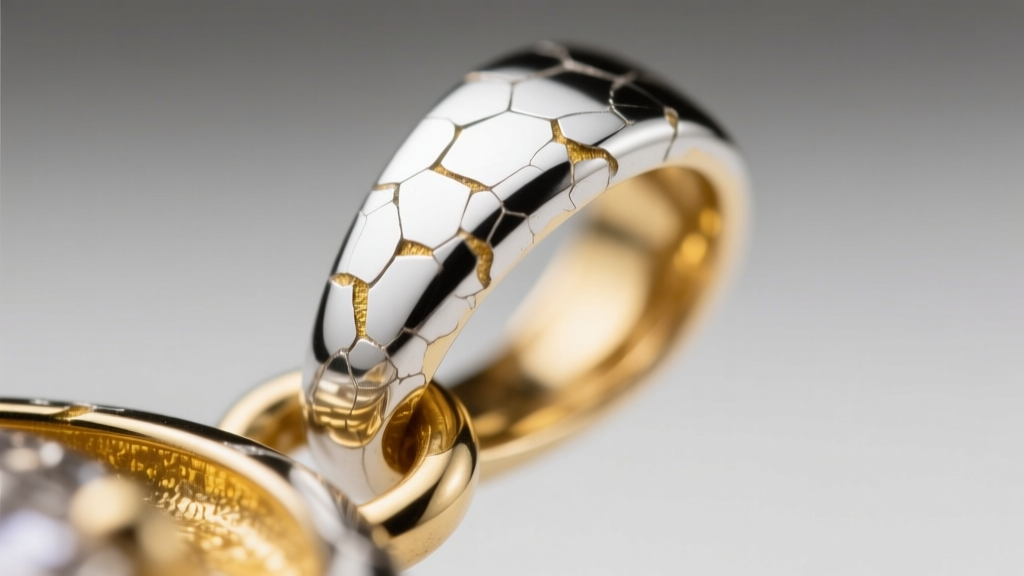
Electroplating Thickness and Wear Patterns
The durability of a white gold necklace's finish is dictated by the thickness of the rhodium layer, measured in microns (µm). Mass-market retail jewelers often utilize 'flash plating,' applying a mere 0.05 to 0.1 microns of rhodium. This ultra-thin layer can wear through to the base alloy within months of daily wear, particularly at high-friction zones like the clasp, the jump rings, and the pendant bail.
Conversely, luxury manufacturers and specialist electroplaters apply a 'heavy plate' ranging from 0.5 to 1.0 microns. According to hallmarking guidelines outlined by the London Assay Office, the underlying gold purity must still be accurately stamped and verified, but the rhodium layer acts as a sacrificial shield. When the rhodium eventually wears away, the necklace does not tarnish or rust; it simply reveals the underlying alloy color, requiring a professional re-plating to restore the original brilliance.
Chain Link Engineering and Tensile Failure
The structural integrity of a white gold necklace is a function of its link geometry, wire gauge, and soldering techniques. White gold alloys, particularly 14k nickel blends, are prone to work-hardening. When the wire is drawn and bent into links, the metal becomes harder but more brittle. If not properly annealed during manufacturing, the chain becomes highly susceptible to tensile snapping.
Soldered vs. Unsoldered Links
For pendant necklaces bearing significant weight (e.g., a 10-gram diamond solitaire), the chain must feature fully soldered links. In a soldered cable or curb chain, every individual link is fused shut with a lower-karat gold solder alloy before the final polishing. This prevents the links from pulling apart under sudden tension. Unsoldered chains, such as standard rope or omega chains, rely entirely on the mechanical tension of the bent wire. While visually striking, unsoldered chains possess a significantly lower tensile failure threshold and are prone to catastrophic stretching if snagged.
Clasp Mechanics and the Jump Ring Vulnerability
The most common point of failure on any white gold necklace is not the chain itself, but the jump ring connecting the chain to the clasp. A standard spring-ring clasp relies on a tiny steel spring inside a gold shell, which can fail if exposed to heat or ultrasonic cleaners. A solid 14k or 18k white gold lobster clasp is vastly superior for daily wear. Furthermore, the jump ring must be thick enough (minimum 0.8mm wire gauge) and properly soldered; otherwise, the friction from the clasp rubbing against the jump ring will act like a saw, eventually cutting through the white gold over a period of 12 to 24 months.

Maintenance, Re-plating, and Longevity
Maintaining the structural and aesthetic integrity of a white gold necklace requires specific care protocols. Because rhodium is highly resistant to acids and alkalis, the metal itself will not tarnish. However, the accumulation of sebum, lotions, and cosmetic powders within the chain links can cause localized galvanic reactions that degrade the underlying alloy over time.
- Ultrasonic Cleaning: Safe for bare white gold chains, but prolonged exposure to high-frequency vibrations and harsh alkaline solutions can accelerate the micro-flaking of rhodium plating.
- Polishing: When a jeweler polishes a white gold necklace to remove scratches, they are physically removing a microscopic layer of metal. Over-polishing will degrade the wire gauge of the chain and thin out the structural integrity of the pendant bail.
- Re-plating Costs: As of 2026, professional rhodium re-plating for a standard 18-inch chain and pendant typically ranges from $60 to $120, depending on the required micron thickness and the complexity of the chain weave.
Conclusion: Specifying Your Purchase
A white gold necklace is not a monolithic product; it is a complex assembly of alloy chemistry, electroplated finishes, and mechanical engineering. When evaluating a piece, look beyond the karat stamp. Inquire about the bleaching agents used (opting for palladium if you have sensitive skin), verify the clasp mechanism, and ask the jeweler about the thickness of the rhodium plating. By treating your jewelry purchase as a technical specification rather than a purely aesthetic one, you ensure that your white gold necklace will maintain its structural integrity and brilliant luster for decades to come.


