VCLM Necklace Guide: Material Properties & Durability Compared
Discover the material properties of a VCLM necklace. We compare its layered metal composition, tarnish resistance, and durability against solid gold.

What Defines a VCLM Necklace? The 2026 Material Standard
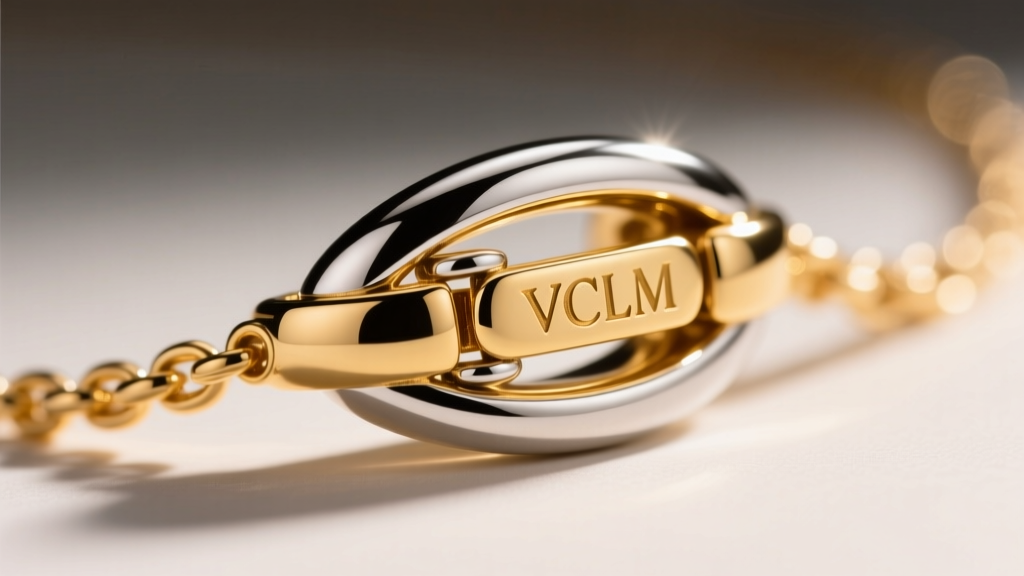
In the evolving landscape of contemporary jewelry, the term 'VCLM necklace' has emerged as a benchmark for premium layered metals. While historically associated with proprietary vacuum-coated layered manufacturing, in today's market, a VCLM necklace generally refers to high-micron gold vermeil or advanced Physical Vapor Deposition (PVD) coatings applied over a high-grade base metal. Unlike standard fashion jewelry that relies on flash plating (often less than 0.5 microns thick), a true VCLM piece bridges the gap between accessible luxury and the enduring material properties of solid gold.
Understanding the metallurgy behind these necklaces is critical for both collectors and everyday wearers. The longevity of any layered necklace depends entirely on three factors: the purity and thickness of the outer gold layer, the structural integrity of the base metal, and the specific bonding process used during manufacturing.
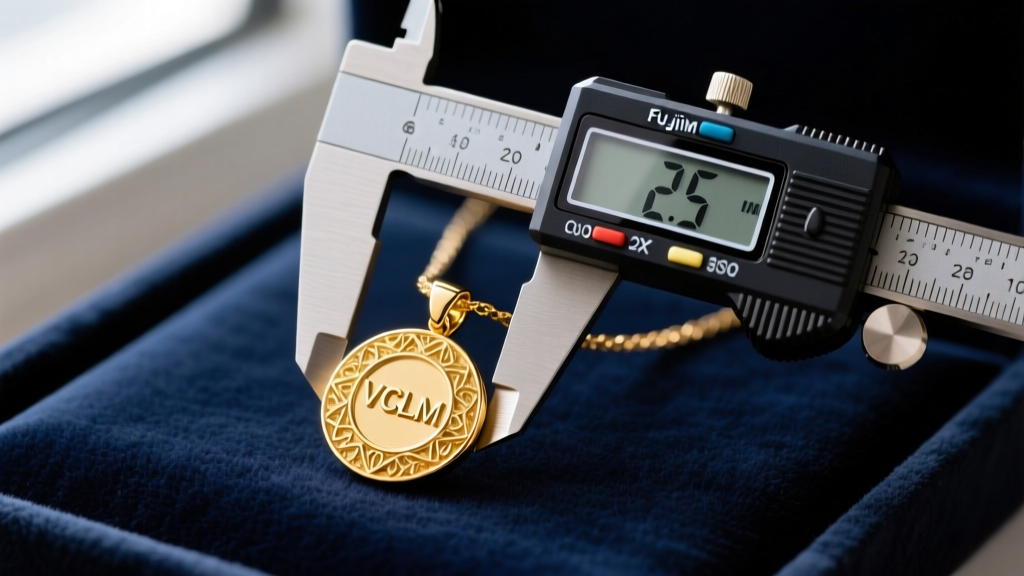
According to the Federal Trade Commission (FTC) Jewelry Guides, for a piece to be legally marketed as 'vermeil' in the United States, it must feature a sterling silver base coated with gold of at least 10-karat fineness, with a minimum thickness of 2.5 microns. Premium VCLM standards frequently exceed this baseline.
Base Metal Metallurgy: Sterling Silver vs. Surgical Steel
The core of a VCLM necklace dictates its weight, hypoallergenic properties, and ultimate lifespan. Manufacturers typically utilize one of two base metals:
925 Sterling Silver
Composed of 92.5% pure silver and 7.5% alloy (usually copper), sterling silver is the traditional base for high-end vermeil. It offers excellent malleability for intricate chain links and a naturally bright undertone that enhances the warmth of the gold layer. However, the copper content means that if the outer gold layer is compromised, the underlying silver will react with sulfur in the air to form silver sulfide (tarnish).
316L Surgical Stainless Steel
Increasingly popular in 2026 for its sheer durability, 316L steel is highly resistant to corrosion and deformation. Under the strict EU REACH regulations, 316L steel is carefully formulated to ensure nickel release rates remain well below the allergenic threshold of 0.5 µg/cm²/week, making it a safe, hypoallergenic alternative for sensitive skin when properly sealed.

Coating Technologies: Electroplating vs. PVD
The method used to apply the gold exterior drastically alters the scratch resistance and color retention of a VCLM necklace.
- Traditional Electroplating: This method uses an electrical current to bond gold ions to the base metal. While it produces a rich, authentic 14k or 18k gold color, standard electroplated gold is relatively soft, registering between 130 to 150 on the Vickers Hardness (HV) scale. It is prone to micro-scratches from daily friction.
- PVD (Physical Vapor Deposition): A cutting-edge vacuum coating process where gold is vaporized and condensed onto the base metal at a molecular level. PVD coatings can achieve a Vickers Hardness of 2000 to 3000 HV, making them exponentially more resistant to scratches, sweat, and chemical degradation than traditional plating.
Material Comparison Data Chart
To contextualize where the VCLM necklace stands in the broader jewelry market, we must compare its physical properties and market pricing against standard alternatives.
| Material Category | Base Metal | Coating Thickness | Surface Hardness (HV) | Est. Lifespan (Daily Wear) | Avg. Price Range |
|---|---|---|---|---|---|
| VCLM (Premium Vermeil) | 925 Sterling Silver | 2.5 - 4.0 Microns | 140 - 180 HV | 3 - 7 Years | $85 - $250 |
| VCLM (PVD Coated) | 316L Stainless Steel | 1.0 - 2.0 Microns | 2000+ HV | 5 - 10+ Years | $60 - $180 |
| Standard Gold Plated | Brass / Copper | 0.1 - 0.5 Microns | 120 HV | 3 - 12 Months | $20 - $60 |
| Solid 14k Gold | N/A (Solid Alloy) | N/A | 135 - 160 HV | Lifetime / Heirloom | $400 - $1,500+ |
Tarnish Resistance and Environmental Factors
A common misconception is that layered metals will inevitably turn the wearer's skin green or black. This reaction is caused by the oxidation of base metals like copper or brass reacting to the acidic pH of human sweat. Because a genuine VCLM necklace utilizes either a thick 2.5-micron gold barrier over silver or an inert PVD layer over surgical steel, the underlying metals are completely sealed off from environmental triggers.
The Role of E-Coating in Modern Jewelry
Many top-tier manufacturers in 2026 now apply an electrophoretic lacquer (e-coating) over the gold layer. This microscopic, invisible polymer shield prevents oxygen and moisture from reaching the metal surface, effectively halting tarnish and extending the visual lifespan of the necklace by up to 300%. However, wearers must be cautious: e-coatings can be degraded by harsh chemicals, chlorinated pool water, and high-heat environments like saunas.
Chain Link Tensile Strength and Durability
Material properties extend beyond the plating; the physical gauge of the chain wire dictates the necklace's structural survival. When evaluating a VCLM necklace, pay close attention to the wire thickness.
- 0.8mm - 1.0mm Wire Gauge: Common for delicate cable and serpentine chains. These can withstand roughly 5 to 8 pounds of tensile force before the links begin to stretch or deform. Best reserved for lightweight pendants (under 5 grams).
- 1.2mm - 1.5mm Wire Gauge: The ideal standard for daily wear. Capable of supporting 15 to 25 pounds of tensile force. Curb and rope chains in this gauge offer excellent resistance to snapping if caught on clothing.
- 2.0mm+ Wire Gauge: Heavy-duty chains (like thick Cuban links). While virtually unbreakable under normal human force, the increased surface area friction can accelerate the wear of the outer gold layer at the link joints over a period of several years.
Care and Maintenance Protocol
To preserve the metallurgical integrity of your layered metal jewelry, follow these expert-backed maintenance steps:
- Avoid Ultrasonic Cleaners: The high-frequency cavitation bubbles generated by ultrasonic machines can easily strip e-coatings and cause micro-fractures in thick vermeil layers.
- Use Mild Surfactants: Clean your necklace using a few drops of phosphate-free dish soap and lukewarm water. Gently agitate with a soft-bristled baby toothbrush to remove sebum and lotion buildup from the chain links.
- Frictionless Drying: Never rub the necklace with a coarse towel. Instead, lay it flat on a microfiber cloth and gently pat it dry to prevent micro-scratching on the gold surface.
Final Verdict: Is the VCLM Necklace Worth the Investment?
For buyers seeking the rich, luminous aesthetic of solid gold without the exorbitant commodity pricing, the VCLM necklace represents the pinnacle of modern material science. By prioritizing pieces that explicitly state their micron thickness (minimum 2.5µm) and utilize high-grade base metals like 925 silver or 316L steel, you secure a durable, tarnish-resistant accessory capable of withstanding years of daily wear. As the Gemological Institute of America (GIA) frequently notes, understanding the precise composition of your jewelry is the first step toward ensuring its longevity and value retention in your personal collection.


