Through Thick and Thin Necklace: 2026 Value & Budget Guide
Assessing the true value of the through thick and thin necklace. We break down material grades, link durability, and fair 2026 pricing tiers.

The Anatomy of a Through Thick and Thin Necklace
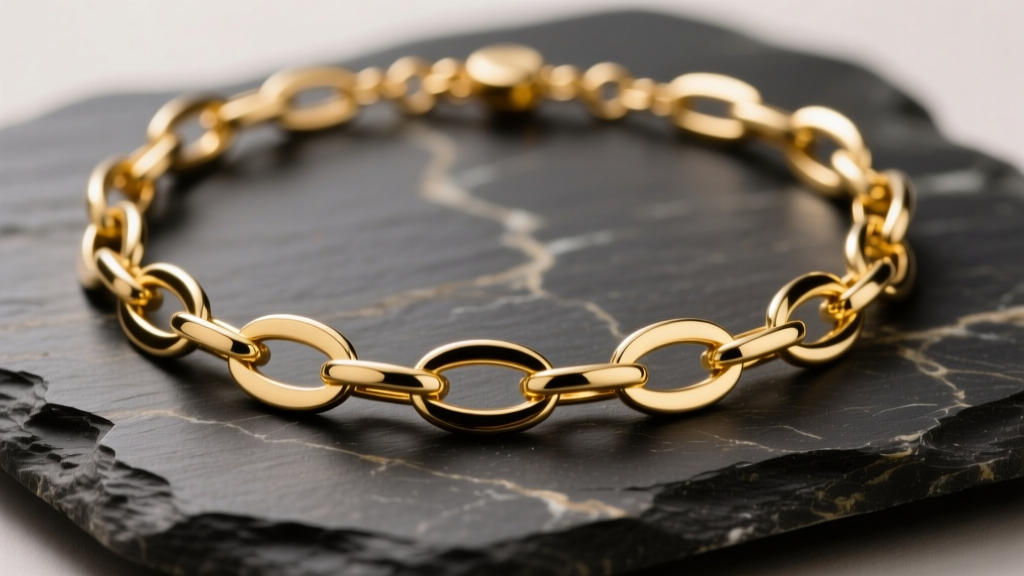
The modern jewelry market has seen a massive surge in mixed-link chain designs, but none require as much scrutiny as the through thick and thin necklace. Characterized by its rhythmic alternation between heavy, oversized links and delicate, micro-gauge connectors, this style offers a striking visual contrast that bridges the gap between industrial hardware and fine elegance. However, from a metallurgical and structural standpoint, this design presents unique challenges that directly impact its long-term value and durability.
To accurately assess the budget and value of these pieces in 2026, we must first understand the gauge disparity. A standard high-quality iteration of this chain typically features thick links stamped or cast at 12-gauge (2.05mm) or 14-gauge (1.63mm), while the connecting thin links are drawn down to 20-gauge (0.81mm) or even 22-gauge (0.64mm). This extreme variance in cross-sectional thickness means that the chain does not distribute tensile stress evenly. When you invest in this specific silhouette, you are not just paying for the gold weight; you are paying for the precision engineering required to keep the delicate links from failing under the weight of the heavier ones.
According to the Gemological Institute of America (GIA), the durability of gold jewelry is heavily dictated by its alloy composition and the physical manipulation of the metal. In a mixed-link chain, the thin connectors undergo severe work-hardening during the drawing process. If the manufacturer fails to properly anneal (heat and cool) these micro-links to relieve internal stress, they become brittle. This makes the initial manufacturing quality the single most important factor in the necklace's overall value proposition.
Material Grades and Their True Market Value
When shopping for a through thick and thin necklace, the base material dictates not only the upfront cost but the long-term maintenance budget. The heavy links add significant gram weight to the piece, meaning the price differential between gold vermeil and solid gold is much more pronounced here than in delicate, uniform chains. Below is a comparative breakdown of the materials dominating the 2026 market.
| Material Grade | Typical Thin Link Gauge | Avg. Price Range (18") | Tensile Weakness | Expected Lifespan |
|---|---|---|---|---|
| 14k Gold Vermeil (over Brass) | 22-gauge (0.64mm) | $85 - $160 | High (Base metal fatigue) | 1 - 3 Years |
| Sterling Silver (Solid) | 20-gauge (0.81mm) | $120 - $280 | Medium (Oxidation & stretching) | 5 - 10 Years |
| 14k Solid Gold (Yellow/White) | 18-gauge (1.02mm) | $650 - $1,100 | Low (Excellent alloy strength) | Lifetime |
| 18k Solid Gold | 20-gauge (0.81mm) | $1,200 - $2,400 | Medium-High (Softer pure gold) | Lifetime (with care) |
As highlighted by industry analysts at JCK (Jewelers Circular Keystone), the 2026 precious metals market has stabilized, but the labor costs for intricate chain assembly have risen. Consequently, the "sweet spot" for value is 14k solid gold. It offers the optimal balance of tensile strength—thanks to its 41.5% alloy mix of copper, silver, and zinc—and reasonable gram-weight pricing. 18k gold, while more luxurious in color, is inherently softer. In a through thick and thin necklace, the softer 18k thin links are highly susceptible to permanent deformation if snagged.

Durability Stress Test: Where Mixed-Link Chains Fail
To truly evaluate the budget-friendliness of any jewelry piece, you must factor in the total cost of ownership, which includes inevitable repairs. The through thick and thin necklace suffers from a specific structural vulnerability known in metallurgy as the "weak link phenomenon." Because the thick links are virtually indestructible under normal wear, 100% of the shear force and tensile load during a snag event is transferred to the thinnest cross-section of the chain.
The Snag Factor and Clasp Weight
Another critical, often overlooked variable is the clasp. Many manufacturers pair these alternating chains with heavy, custom-machined lobster clasps or oversized spring rings to match the aesthetic of the thick links. However, a heavy clasp acts as a pendulum. Every time the wearer moves, the clasp swings, generating kinetic energy that pulls laterally against the thin links near the ends of the chain. Over time, this repetitive micro-stress causes the thin end-links to oval out and eventually snap.
- Failure Mode 1: Link stretching. The thin connectors slowly deform from circles into ovals, compromising the solder joints.
- Failure Mode 2: Solder fracture. If the thin links are soldered shut (a must for durability), the rigid solder can crack under repetitive bending stress.
- Failure Mode 3: Clasp ring avulsion. The single jump ring connecting the chain to the heavy clasp tears through the thin end-link.
From a value perspective, if you are purchasing a solid gold version of this necklace, ensure the thin links are at least 18-gauge and that the clasp is proportionally balanced, or attached via a reinforced, doubled-up jump ring configuration.
Budget Tiers: What You Should Actually Pay
Navigating the pricing landscape requires an understanding of how brands mark up mixed-link chains. Because the design looks substantial and heavy, many fashion brands apply luxury markups to vermeil and gold-plated versions. Here is a practical decision framework for your budget in 2026.
Tier 1: The Trend Budget ($80 - $200)
At this price point, you are looking at heavy gold vermeil over brass or sterling silver. The value here is strictly aesthetic. The thick links will retain their plating longer due to less surface friction, but the thin links will rub against each other and expose the base metal within six months of daily wear. Verdict: Buy only for occasional, low-impact wear.
Tier 2: The Investment Sweet Spot ($600 - $1,200)
This tier secures a solid 14k gold necklace with properly annealed links and laser-welded solder joints. The gram weight will typically range from 12 to 18 grams for an 18-inch length. You are paying approximately 20-30% above the melt value of the gold, which is a highly reasonable premium for the complex assembly and finishing required for alternating links. Verdict: The highest ROI for everyday wearers.
Tier 3: The Luxury Heirloom ($2,500+)
Entering the realm of 18k gold or platinum. Platinum is exceptionally strong but incredibly dense. A platinum through thick and thin necklace will be heavy, meaning the kinetic stress on the thin links is magnified. Unless the thin links are reinforced with a hidden internal wire or engineered with a specialized alloy, platinum's sheer weight can work against the delicate connectors. Verdict: Proceed with caution; demand structural guarantees from the jeweler.
Maintenance and Repair Realities
When a uniform cable chain breaks, a jeweler can easily replace a single link or solder it shut in minutes. A through thick and thin necklace requires specialized laser welding. Traditional torch soldering risks melting the 22-gauge thin link before the solder flows, or overheating the thick link and causing reticulation (surface pitting). Expect to pay between $45 and $85 for a professional laser weld repair on a mixed-link chain. When assessing your budget, set aside a $100 maintenance fund for the first five years of ownership.
"The beauty of alternating link chains lies in their contrast, but that same contrast is their greatest structural liability. True value isn't just in the karat of the gold, but in the precision of the annealing process that keeps the micro-links flexible rather than brittle."
Expert Verdict: Is the Investment Justified?
The through thick and thin necklace remains a triumph of modern jewelry design, offering a versatile, textured look that pairs effortlessly with both casual and formal necklines. However, it is not a "buy it and forget it" piece like a standard box chain. To extract genuine value from your purchase, bypass the gold-plated options that will inevitably suffer from base-metal fatigue at the stress points. Allocate your budget toward a solid 14k gold iteration, scrutinize the gauge of the thin connectors, and ensure the clasp hardware is proportionally balanced. By prioritizing structural engineering over sheer visual weight, you secure a piece that will genuinely last through thick and thin.


