Oyster Shell Necklace Buying Guide: What to Look For
Discover what to look for when buying an oyster shell necklace. Learn about nacre quality, ethical sourcing, metal backings, and pricing tiers.

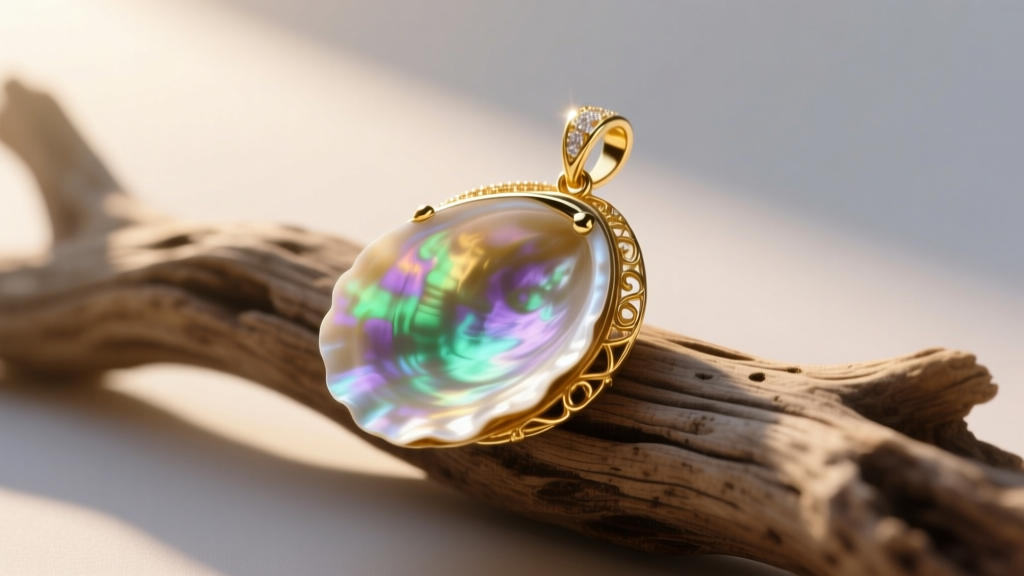
The Allure of the Oyster Shell Necklace
The oyster shell necklace has transcended its origins as a simple coastal souvenir to become a staple in modern, organic-inspired fine jewelry. As we navigate the jewelry market in 2026, the demand for traceable, ocean-positive materials has never been higher. Buyers are increasingly drawn to the raw, asymmetrical beauty of oyster shells, which offer a striking contrast to the perfectly symmetrical pearls they produce. However, the market is flooded with varying qualities of shell jewelry, ranging from exquisite, hand-carved masterpieces to mass-produced, resin-coated trinkets. Understanding the nuances of nacre quality, structural integrity, and ethical sourcing is essential for making a smart investment.
Whether you are looking for a delicate mother-of-pearl inlay pendant or a bold, rustic outer-shell statement piece, this comprehensive buying guide will equip you with the expert knowledge needed to evaluate craftsmanship and authenticity. From decoding metal backings to identifying deceptive epoxy coatings, here is everything you need to know before adding an oyster shell necklace to your collection.
Decoding Shell Quality: Nacre, Iridescence, and Thickness
The value of an oyster shell pendant is primarily dictated by the quality of its nacre—the iridescent inner layer of the shell. High-quality nacre exhibits a deep, multi-dimensional luster known as orient, which flashes with subtle hues of pink, green, and silver when caught in the light. When evaluating a piece, look for a smooth, glass-like finish that is entirely natural. Low-grade shells often appear chalky, dull, or heavily pitted, indicating poor water conditions during the oyster's growth or improper harvesting techniques.
Thickness is another critical metric. In fine jewelry, the mother-of-pearl (MOP) used for carving should be at least 2mm to 4mm thick before shaping. Thin shells are incredibly brittle and prone to micro-fracturing when subjected to the pressure of metal settings. Always inspect the edges of the pendant; if the shell looks translucent or dangerously thin near the bezel, it is highly susceptible to chipping from everyday wear.
Species Matters: Pinctada vs. Magallana
Not all oyster shells are created equal. The Pinctada maxima (South Sea pearl oyster) produces some of the thickest, most brilliantly iridescent nacre in the world, making it the gold standard for luxury MOP jewelry. Conversely, the Magallana gigas (Pacific oyster) is primarily farmed for the food industry. Its shell is thicker but less iridescent, often featuring a rugged, calcified exterior. Jewelers utilizing Magallana gigas typically embrace the rustic, textured outer shell for bohemian or organic designs, while Pinctada is reserved for polished, high-end inlays and smooth cabochons.
The Hardware: Evaluating Metal Backings and Settings
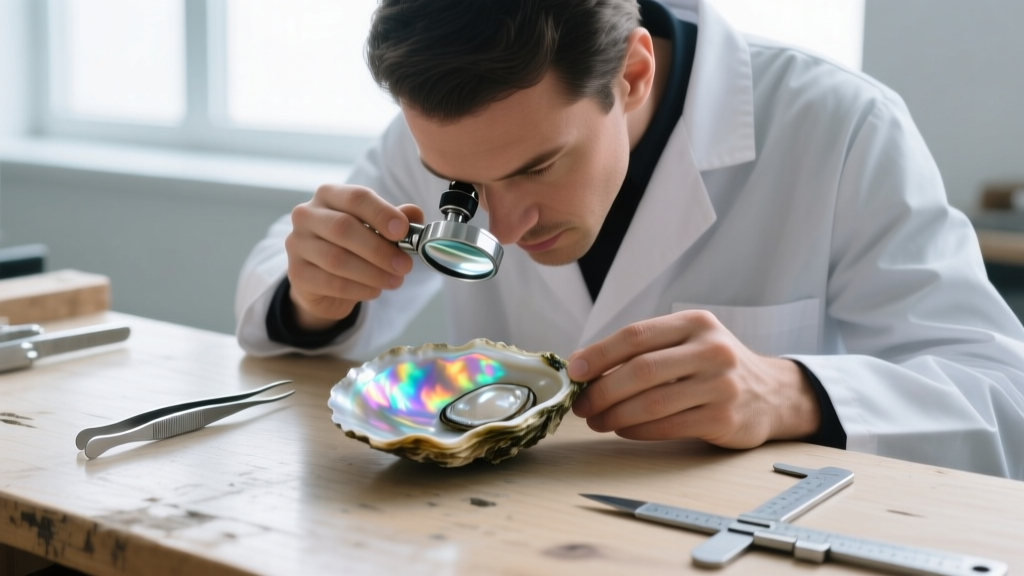
An oyster shell is only as durable as the hardware supporting it. Because shell material ranks at a mere 2.5 to 3.0 on the Mohs hardness scale, it requires protective metal settings. A full or semi-bezel setting is the hallmark of quality shell jewelry, as it wraps the metal securely around the perimeter of the shell, shielding the fragile edges from impact. Prong settings, while common in diamond jewelry, are a major red flag for oyster shell pendants unless heavily reinforced, as the localized pressure of a prong can easily crack the nacre.
The metal backing also plays a vital role in the necklace's longevity and skin safety. Oyster shells are often worn close to the skin, making the choice of metal crucial for those with sensitivities.
| Metal Backing | Durability & Tarnish Resistance | Best For | Price Impact |
|---|---|---|---|
| Solid 14k/18k Gold | Exceptional; will not tarnish or degrade in salt/sweat. | Heirloom pieces, daily wear, sensitive skin. | High ($$$) |
| Sterling Silver (925) | Good; requires occasional polishing to remove oxidation. | Everyday artisan jewelry, versatile styling. | Medium ($$) |
| Gold Vermeil | Moderate; thick gold over silver, but will eventually wear. | Occasional wear, trend-focused pieces. | Medium-Low ($) |
| Gold-Plated Brass | Poor; plating flakes quickly, brass turns skin green. | Fast fashion, temporary beachwear. | Low ($) |
Identifying Fakes and Epoxy Coatings
One of the most common deceptive practices in the shell jewelry market is the use of clear epoxy or resin coatings. Manufacturers often coat low-grade, chalky shells in resin to artificially enhance the shine and hide surface imperfections. While an epoxy-coated oyster shell necklace might look glossy in the store, the resin will inevitably yellow, scratch, and peel within 18 to 24 months of exposure to UV light and skin oils. To test for epoxy, gently rub the surface of the shell against the biting edge of your front tooth. Genuine, polished nacre will feel slightly gritty or sandy (known as the 'tooth test'), whereas an epoxy-coated shell will feel perfectly, unnaturally smooth like glass.
Additionally, be wary of 'shell' pendants that feel unusually heavy or cold to the touch. Ceramic and glass imitations are frequently molded and painted with pearlescent finishes to mimic MOP. Genuine oyster shell is remarkably lightweight and quickly adapts to your body temperature.
Ethical Sourcing and Sustainability in 2026
As consumers demand greater transparency, the sourcing of oyster shells has come under scrutiny. The most ethical oyster shell necklaces are crafted from the byproducts of the sustainable aquaculture and food industries. Bivalve farming is widely recognized as a restorative practice; oysters filter and clean the water as they grow, improving local marine ecosystems. According to the National Oceanic and Atmospheric Administration (NOAA), shellfish aquaculture requires no external feed and actively mitigates ocean acidification.
"When purchasing shell jewelry, always look for brands that explicitly state their shells are byproducts of existing food or pearl-harvesting operations. Wild-harvesting oysters solely for their shells disrupts vital coastal ecosystems and is entirely unnecessary given the abundance of aquaculture byproducts."
Organizations like the Cultured Pearl Association of America emphasize that utilizing the entire oyster—including the shell for jewelry and the meat for consumption—is the cornerstone of zero-waste pearl farming. Avoid brands that cannot verify their supply chain or that source from unregulated wild dredging operations.
Chain Pairings: Matching the Metal to the Organic Pendant
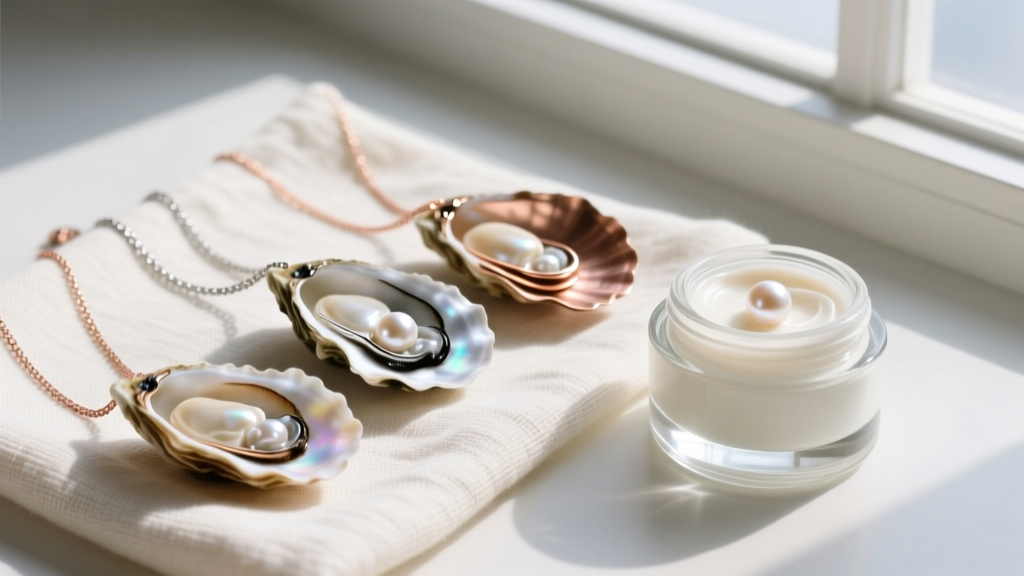
The chain you pair with your oyster shell pendant can make or break the aesthetic. Because the shell is an organic, asymmetrical, and relatively lightweight material, it requires a chain that offers structural support without visually overpowering the pendant. A 1.5mm to 2.0mm box chain or a delicate 2mm rope chain provides the perfect balance. These chain styles are strong enough to hold the pendant securely but feature a fluid drape that complements the natural curves of the shell.
Avoid pairing delicate MOP pendants with thick, heavy chains like Cuban links or chunky Figaros, which will cause the lightweight shell to flip upside down constantly. Furthermore, always ensure the clasp is a sturdy 12mm or 14mm lobster clasp. Spring ring clasps are notorious for failing when organic pendants catch on clothing, leading to lost jewelry.
Pricing Tiers: What Should You Actually Pay?
Understanding the pricing landscape helps you avoid overpaying for mass-produced goods or underestimating the value of fine craftsmanship. Here is a breakdown of what to expect when shopping for an oyster shell necklace:
- Tier 1: Fashion & Souvenir ($15 - $45) Typically features gold-plated brass, thin or chalky shells, and heavy epoxy coatings. The chains are usually fragile and prone to snapping. Best for temporary vacation wear.
- Tier 2: Artisan & Bridge ($60 - $180) The sweet spot for quality. Features genuine, uncoated Pinctada or high-grade Magallana shell set in solid 925 sterling silver or heavy gold vermeil. Hand-carved edges and secure bezel settings are standard.
- Tier 3: Fine Jewelry ($250 - $900+) Utilizes thick, premium South Sea MOP set in solid 14k or 18k gold. Often incorporates diamond or sapphire accents, custom-fitted semi-bezels, and premium Italian-made chains. These are heirloom-quality pieces designed for daily wear.
Care and Maintenance for Longevity
Oyster shells are porous and highly sensitive to chemicals. To maintain the iridescence of your necklace, never wear it while swimming in chlorinated pools, bathing, or applying perfumes and aerosol hairsprays. The acids in sweat and cosmetics can etch the nacre over time, leaving permanent dull spots. For a deep dive into gemstone durability, the GIA Gem Encyclopedia notes that organic gems require significantly more gentle care than crystalline stones.
To clean your oyster shell necklace, simply wipe it down with a soft, damp microfiber cloth after wearing. Never use ultrasonic cleaners, steamers, or commercial silver dips, as the harsh vibrations and chemicals will strip the nacre's natural luster and degrade the adhesives used in the setting. Store the necklace in a soft pouch away from harder gemstones to prevent surface scratching.


