White Plastic Necklace Guide: Acrylic, Resin & Acetate Compared
Discover the material differences in a white plastic necklace. Compare acrylic, resin, and acetate for durability, weight, and UV resistance.

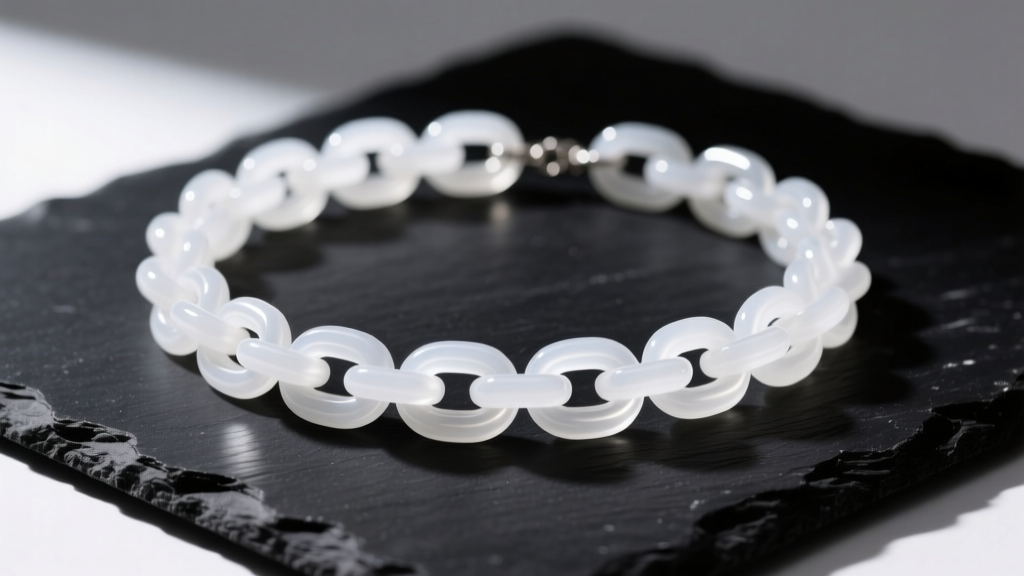
The Myth of 'Just Plastic' in Modern Jewelry
When consumers search for a white plastic necklace, they often assume they are looking at a single, homogenous material. In reality, the term 'plastic' encompasses a vast spectrum of synthetic and semi-synthetic polymers, each with drastically different physical properties, degradation timelines, and aesthetic qualities. In 2026, the jewelry industry relies heavily on advanced polymers that mimic the luster of pearls, the opacity of ceramic, and the translucence of carved ivory.
Understanding the specific polymer chemistry behind your jewelry is not just academic; it dictates how the piece will drape, how it will react to your body heat, and whether it will remain a brilliant, opaque white or degrade into a brittle, yellowed shell. This guide breaks down the four primary materials used in white polymer jewelry, offering a definitive framework for collectors and everyday wearers alike.
Material Breakdown: 4 Types of White Polymers
1. Cast Acrylic (PMMA)
Polymethyl methacrylate (PMMA), commonly known as acrylic, is the workhorse of the plastic jewelry world. According to the British Plastics Federation, PMMA is prized for its optical clarity and exceptional weather resistance. In its opaque white form, acrylic is heavily pigmented with titanium dioxide. It boasts a Mohs hardness of around 3.0, making it more scratch-resistant than softer resins, though it remains vulnerable to abrasion from quartz dust. Acrylic is rigid and lacks flexibility, meaning thin acrylic jump rings or clasps are prone to snapping under tensile stress.
2. Bio-Resin and Polyurethane Epoxy
Resin jewelry is typically cast in silicone molds using two-part polyurethane or bio-based epoxies. Unlike extruded acrylic, resin allows for intricate, seamless 3D shapes and the suspension of internal inclusions. However, white resin is highly susceptible to micro-bubble entrapment during the curing process. High-end manufacturers use vacuum degassing chambers to eliminate these flaws, but cheaper mass-market pieces often exhibit tiny surface pinholes that trap skin oils and dirt over time, leading to a grayish tint.
3. Cellulose Acetate
Derived from wood pulp and cotton fibers, cellulose acetate is a semi-synthetic polymer that feels distinctly warmer to the touch than petroleum-based plastics. ScienceDirect notes its high impact strength and excellent polishability. White cellulose acetate is often layered and milled to create a marbled, faux-ivory effect. It is the most hypoallergenic of the plastic family and is widely used in luxury eyewear and premium statement necklaces. Its density (approx. 1.3 g/cm³) gives it a satisfying, substantial drape that lightweight acrylics lack.
4. 3D-Printed Polymers (Nylon and PLA)
The rise of selective laser sintering (SLS) has introduced white nylon (Polyamide 12) into the jewelry space. SLS-printed white nylon has a distinct matte, slightly porous texture that resembles unglazed porcelain or bone. While incredibly durable and flexible, the microscopic porosity requires careful sealing, otherwise, the necklace will absorb perspiration and cosmetic products, leading to irreversible staining.
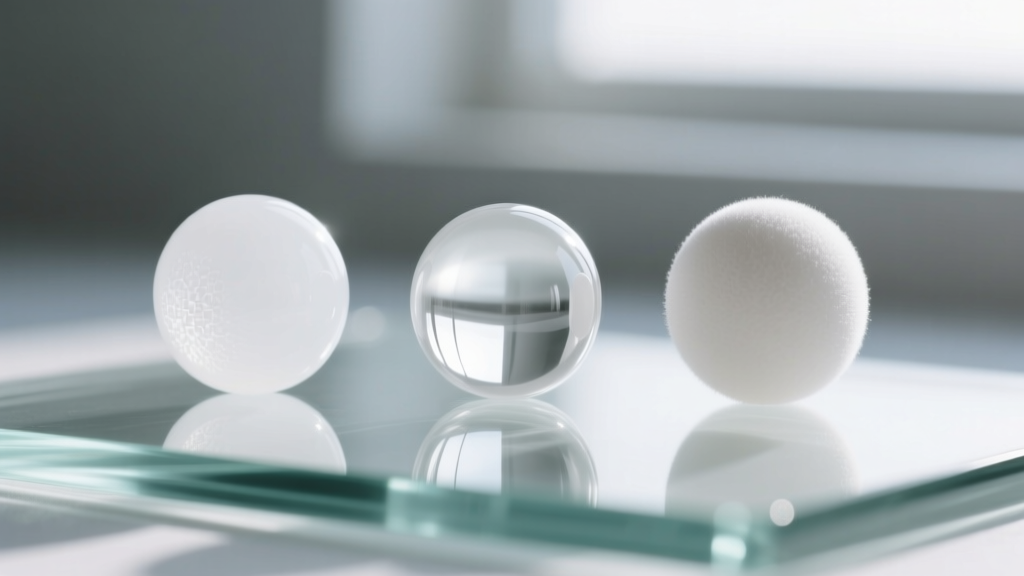
Comparative Properties: Weight, Hardness, and Drape
Choosing the right white plastic necklace requires matching the polymer's physical traits to the intended design. A delicate, minimalist chain requires a high-tensile material, while a chunky, sculptural collar demands a lightweight polymer to prevent neck strain.
| Material | Density (g/cm³) | Mohs Hardness | Flexibility | Average Price Range |
|---|---|---|---|---|
| Cast Acrylic (PMMA) | 1.18 | 3.0 | Low (Brittle) | $15 - $60 |
| Polyurethane Resin | 1.10 - 1.20 | 2.0 - 2.5 | Medium | $25 - $85 |
| Cellulose Acetate | 1.28 - 1.32 | 2.5 | High (Tough) | $60 - $250+ |
| SLS Nylon (PA12) | 0.93 - 0.95 | 2.0 | Very High | $40 - $150 |
The Yellowing Problem: Photo-Oxidation Explained
The most common complaint regarding white polymer jewelry is discoloration. Why do some white plastic necklaces remain pristine for decades while others turn a sickly, nicotine-yellow within a single summer? The culprit is photo-oxidation.
When exposed to ultraviolet (UV) radiation, the polymer chains in cheaper plastics undergo a chemical reaction that creates chromophores—molecules that absorb visible light and reflect yellow. Furthermore, many vintage or low-cost white plastics were formulated with brominated flame retardants, which rapidly degrade and yellow when exposed to UV light and heat.
Expert Insight: When purchasing a white resin or acrylic necklace, inquire whether the manufacturer uses HALS (Hindered Amine Light Stabilizers) or UV-absorbing benzotriazoles in the casting mix. These chemical additives scavenge the free radicals generated by UV exposure, effectively extending the brilliant white lifespan of the jewelry by 5 to 10 years.
As noted by industry analysts at Plastics Today, understanding the specific additive package is crucial for designers and consumers who expect long-term colorfastness in light-colored polymers. Cellulose acetate, being plant-based, generally resists this specific type of UV yellowing far better than cheap polyurethane resins, though it can darken slightly if exposed to highly acidic environments.
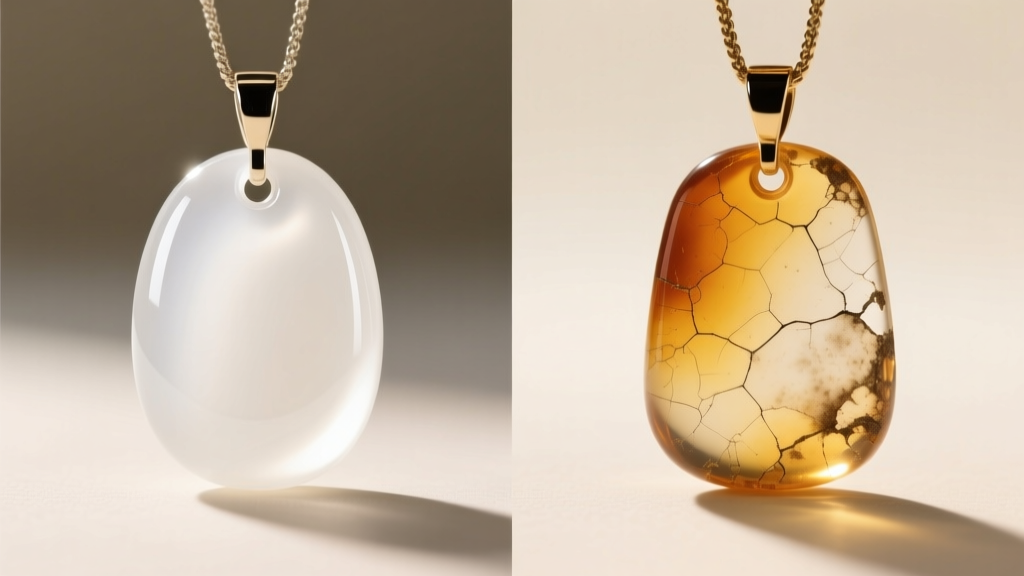
Hardware and Clasp Mechanics for Polymers
A critical failure point in polymer jewelry is the junction where the plastic meets the metal hardware. Because plastics have a much higher coefficient of thermal expansion than metals, a white plastic necklace subjected to extreme temperature changes (e.g., wearing it outside in winter, then entering a heated room) can cause the plastic to expand and contract around rigid metal jump rings, leading to stress fractures and micro-cracking.
Best Practices for Hardware Integration
- Mechanical Settings over Adhesives: Avoid necklaces where the clasp is merely glued into a plastic housing. Cyanoacrylate (super glue) degrades rapidly against skin oils. Look for mechanically cold-set rivets or threaded metal inserts molded directly into the acrylic.
- Contrast vs. Camouflage: White polymers pair exceptionally well with oxidized sterling silver for a high-contrast, avant-garde look. For a seamless, monochromatic aesthetic, seek out white PVD-coated titanium or rhodium-plated brass hardware.
- Threaded Links: In high-end acrylic chain necklaces, the links are often threaded and screwed together rather than snapped. This prevents the plastic from warping under the weight of the chain.
Care and Maintenance Protocols
The chemical resistance of your white plastic necklace dictates how it must be cleaned. A common mistake is using isopropyl alcohol or commercial jewelry dips to sanitize plastic jewelry. While alcohol is safe for diamonds and gold, it causes solvent crazing in acrylic and polycarbonate—a phenomenon where microscopic fissures form on the surface, permanently clouding the white finish and creating a breeding ground for bacteria.
The Safe Cleaning Framework
- Daily Wipe: Use a dry, lint-free microfiber cloth to remove sebum and cosmetic residues immediately after wearing.
- Deep Clean: Mix a solution of lukewarm water and a few drops of pH-neutral dish soap. Submerge the necklace for no more than 3 minutes.
- Agitation: Gently agitate with a soft-bristled baby toothbrush, paying special attention to the crevices around the clasp and jump rings.
- Drying: Pat dry with a cotton towel. Never use a hairdryer or leave the piece on a radiator, as the glass transition temperature of some resins is as low as 60°C (140°F), which will warp the structural integrity of the links.
By understanding the precise material composition of your jewelry, you can make informed purchasing decisions and ensure your white polymer pieces remain vibrant, structurally sound, and visually striking for years to come.


