White Topaz Necklace Buying Guide: Sparkle on a Budget
Discover how to choose a stunning white topaz necklace. Learn about cuts, clarity, chain pairings, and how it compares to diamonds in this beginner guide.

Introduction: The Smart Buyer's Diamond Alternative
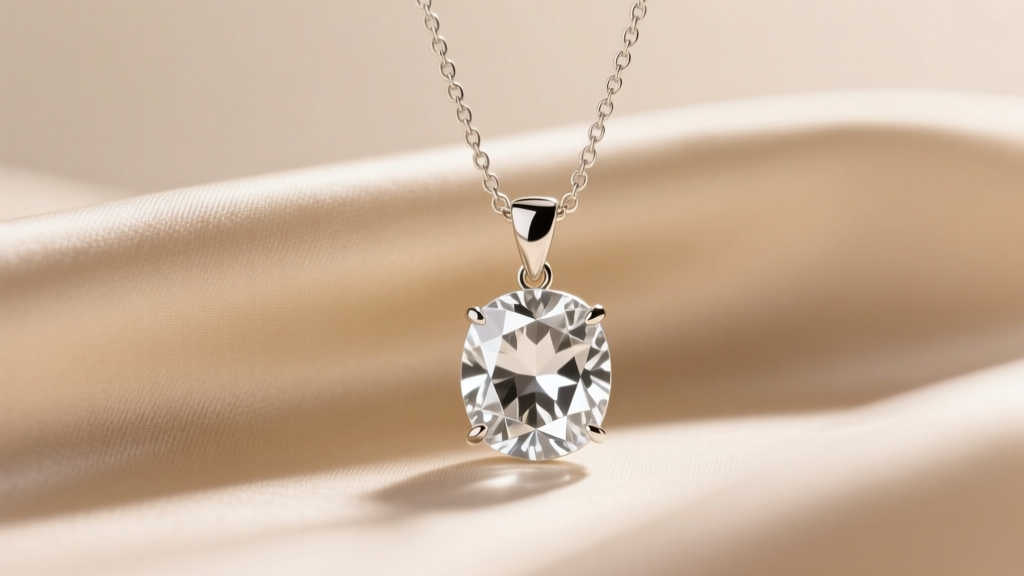
If you are shopping for a brilliant, eye-catching pendant but want to avoid the staggering price tag of a diamond, a white topaz necklace is one of the most intelligent choices you can make. Often marketed as a diamond simulant, colorless topaz offers exceptional clarity and a crisp, glassy luster that appeals to both minimalist jewelry lovers and vintage collectors. However, buying topaz requires a different set of knowledge than buying diamonds. As a beginner, understanding the gemological quirks of this stone will save you from overpaying and ensure your necklace lasts a lifetime.
In this comprehensive guide, we will break down exactly what white topaz is, how it compares to other popular gemstones, and the specific structural vulnerabilities you must watch out for when choosing your setting and cleaning routine.
What Exactly is White Topaz?
Topaz is a silicate mineral made of aluminum and fluorine. While it is famous for its vibrant blue and imperial orange hues, pure topaz is naturally colorless. In the jewelry trade, this colorless variety is referred to as "white topaz." According to the Gemological Institute of America (GIA), natural colorless topaz is highly valued for its purity, though it is vastly more affordable than diamonds because it is found in larger, cleaner crystals in nature.
Unlike blue topaz, which is almost always created by irradiating and heating pale colorless stones, high-quality white topaz is typically completely untreated. What you see is exactly what nature created, making it an excellent choice for buyers who prefer unenhanced gemstones.
White Topaz vs. Diamond vs. Moissanite
To understand where a white topaz necklace fits into your jewelry box, it helps to look at the hard data. Below is a gemological comparison of the three most popular "white" gemstones used in pendant necklaces.
| Feature | Diamond | Moissanite | White Topaz |
|---|---|---|---|
| Mohs Hardness | 10 | 9.25 | 8 |
| Refractive Index (Brilliance) | 2.42 | 2.65 - 2.69 | 1.61 - 1.62 |
| Cleavage (Splitting Risk) | Perfect (1 direction) | None | Perfect (1 direction) |
| Avg. Price per Carat | $3,000+ | $300 - $600 | $10 - $40 |
Key Takeaway: White topaz has a lower refractive index (1.61-1.62) than diamond or moissanite. This means it does not exhibit the same rainbow "fire" or dispersion. Instead, it offers a clean, icy, and highly reflective brilliance. Its Mohs hardness of 8 makes it durable enough for everyday pendant wear, but its perfect basal cleavage means it can split if struck sharply against a hard surface.
The 4 Cs of White Topaz: A Beginner's Framework
When evaluating a white topaz necklace, the traditional 4 Cs apply, but with a few critical adjustments specific to this gemstone.
1. Cut: The Most Critical Factor
Because topaz has a lower refractive index, a poor cut will result in "windowing"—a dead, see-through spot in the center of the stone where light leaks out the bottom rather than reflecting back to your eye. Always look for stones with precise, crisp facet junctions. The International Gem Society (IGS) recommends seeking out custom-cut or precision-cut topaz, as commercial factory cuts often sacrifice proportions to save carat weight.
2. Clarity: Demand Eye-Clean
White topaz is classified as a Type I gemstone, meaning it typically grows with excellent clarity. You should never accept a white topaz pendant with visible inclusions. The stone should be entirely "eye-clean" and ideally loupe-clean. If you see dark spots or internal fractures, walk away.
3. Color: The Icy Standard
True white topaz should be completely colorless, equivalent to a D, E, or F color grade in diamonds. Some lower-quality stones may carry a very faint grayish or brownish undertone. Always view the stone against a stark white background before purchasing to ensure no unwanted warmth is present.
4. Carat: Size Without the Guilt
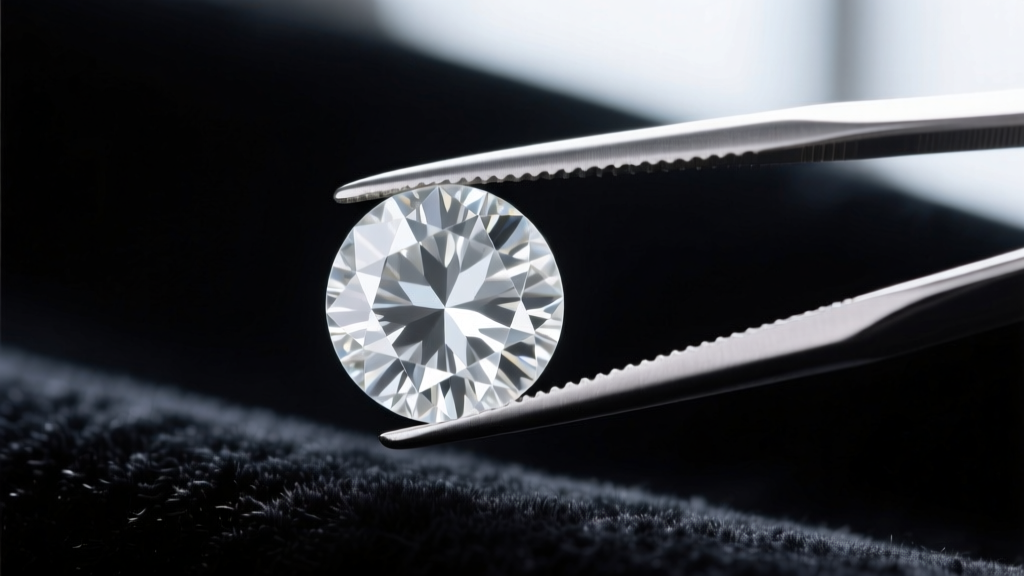
Topaz is relatively dense (specific gravity of 3.53, nearly identical to diamond). This means a 1-carat white topaz will look the exact same size as a 1-carat diamond. Because the price per carat is so low, you can comfortably purchase a 2-carat or 3-carat statement pendant for a fraction of what a half-carat diamond would cost.
Choosing the Right Chain and Setting
The metal you choose for your white topaz necklace dramatically impacts the overall aesthetic and longevity of the piece.
- Sterling Silver (Rhodium Plated): The most common and budget-friendly pairing. Ensure the silver is rhodium-plated to prevent tarnishing and to provide a bright white backdrop that enhances the icy look of the topaz.
- 14k or 18k White Gold: The ideal choice for heirloom-quality pendants. White gold provides superior prong strength, which is vital for securing the stone.
- Platinum: While excellent for durability, platinum is often cost-prohibitive for a stone as affordable as topaz. It is generally better to invest in a high-quality 14k white gold setting and allocate the rest of your budget to a precision-cut stone.
Expert Setter's Tip: Because topaz has perfect basal cleavage, jewelers must be incredibly careful when tightening prongs. If a prong puts uneven pressure on the stone's cleavage plane, it can snap. Always buy from reputable jewelers who understand how to properly set cleavage-prone gemstones.
Pricing Guide: What Should You Actually Pay?
One of the biggest mistakes beginners make is overpaying for brand names when buying white topaz. Here is a realistic pricing framework for 2026:
- Entry-Level (Sterling Silver, 1ct commercial cut): $80 - $150
- Mid-Range (14k White Gold, 1.5ct - 2ct good cut): $250 - $450
- High-End (18k Gold, 3ct+ precision custom cut): $500 - $900
If a retailer is charging over $1,000 for a standard white topaz pendant without significant diamond halo accents or designer branding, you are likely paying a massive markup.
Care and Maintenance: The Ultrasonic Warning
Proper care is where many topaz owners accidentally ruin their jewelry. According to GIA's care and cleaning guidelines, you must never use an ultrasonic or steam cleaner on a white topaz necklace. The high-frequency vibrations of an ultrasonic cleaner can cause the stone to split along its natural cleavage plane, especially if there are microscopic internal stress points from the setting process.
The Safe Cleaning Routine
- Mix a few drops of mild, phosphate-free dish soap into a bowl of lukewarm water.
- Soak the necklace for 10 to 15 minutes to loosen body oils and lotion.
- Gently brush the back of the stone (the pavilion) with a baby-soft toothbrush. Dust and grease accumulate here, killing the stone's brilliance.
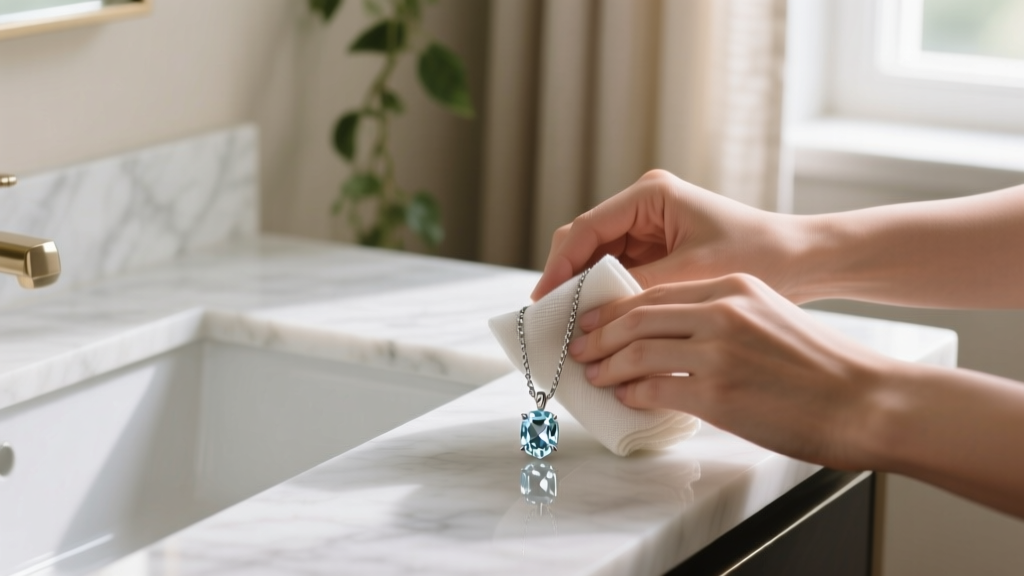
- Rinse under lukewarm running water and pat dry with a lint-free microfiber cloth.
Final Thoughts
A white topaz necklace is a phenomenal entry point into the world of fine gemstone jewelry. It offers the prestigious, elegant look of a diamond pendant without the financial burden, allowing you to own larger, more striking pieces. By prioritizing precision cuts, demanding eye-clean clarity, avoiding ultrasonic cleaners, and pairing the stone with rhodium-plated silver or white gold, you will secure a brilliant, icy accessory that turns heads for decades to come.