Wood Rosary Necklace Pricing: How to Assess True Value
Discover how to evaluate a wood rosary necklace for true value. Learn about wood types, bead sizing, hardware quality, and fair pricing ranges.

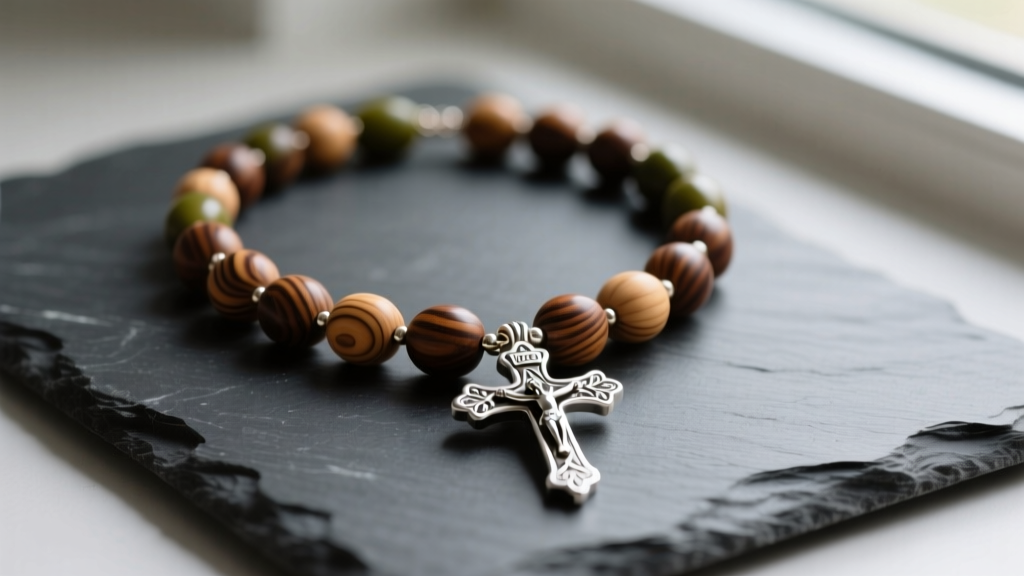
The Tactile Appeal and Market Reality of Wood Rosaries
A wood rosary necklace is more than just a devotional tool; it is a deeply personal, tactile piece of jewelry that connects the wearer to centuries of tradition. Unlike cold metals or polished gemstones, wood warms to the touch, ages gracefully, and carries a natural, grounding energy. However, the modern religious jewelry market is flooded with mass-produced, low-quality pieces that masquerade as artisan craftsmanship. For buyers seeking genuine value, distinguishing between a $15 tourist-shop trinket and a $150 heirloom-quality piece requires a keen eye for material grades, stringing techniques, and hardware integrity.
In this comprehensive value assessment guide, we break down the exact specifications that dictate the price and longevity of a wood rosary necklace. Whether you are evaluating olive wood from Bethlehem, aromatic sandalwood, or dense exotic hardwoods, understanding these metrics will ensure you invest in a piece that withstands daily use.
The Anatomy of a High-Value Wood Rosary
Before assessing materials, it is crucial to understand the structural baseline of a standard Dominican rosary. A complete piece consists of 59 beads: 50 smaller 'Hail Mary' beads (typically 6mm in diameter) and 9 larger 'Our Father' beads (typically 8mm). The structure is divided into five decades, anchored by a center medal (the 'nexus') and terminating in a crucifix.
High-value rosaries maintain strict proportional symmetry. The transition from the main loop to the pendant drop should feature a reinforced center piece that can handle the tensile stress of the dangling crucifix. Budget manufacturers often use uniform 6mm beads throughout to save on material costs, resulting in a piece that feels flimsy and lacks the traditional tactile cadence required for mindful prayer.
Wood Species and Their Market Value
The core driver of a wood rosary necklace's price is the species of wood used. According to the The Wood Database, different species possess vastly different Janka hardness ratings, which directly correlate to the bead's resistance to denting, chipping, and wear from natural skin oils.
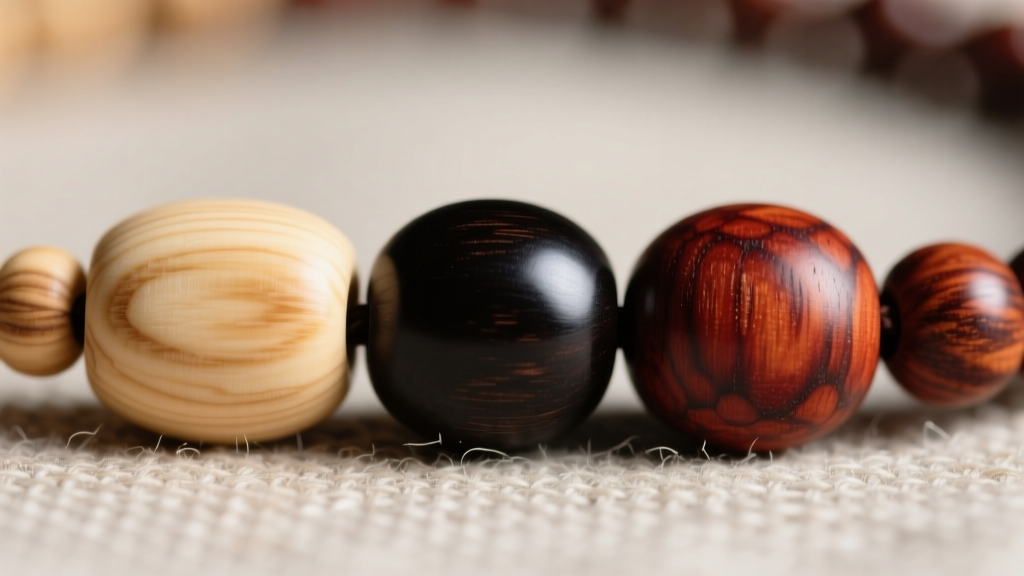
Softwoods vs. Hardwoods vs. Exotic Woods
While pine and cedar are occasionally used in ultra-budget rosaries, they are too soft for longevity. True value lies in hardwoods and sustainably sourced exotics. When purchasing woods like Rosewood or Ebony, always look for FSC (Forest Stewardship Council) certification to ensure the materials are not contributing to illegal deforestation.
| Wood Species | Janka Hardness (lbf) | Average Price Range | Key Characteristics & Value Drivers |
|---|---|---|---|
| Olive Wood | 2,700 | $30 - $85 | Rich, swirling grain; historically significant; highly durable. |
| Sandalwood | 1,060 | $40 - $120 | Aromatic, soft; requires careful handling; prized for scent. |
| Rosewood | 2,440 | $50 - $150 | Dense, dark reddish-brown; takes a high polish; excellent wear. |
| Ebony | 3,220 | $90 - $250+ | Jet black, incredibly dense; sinks in water; premium heirloom tier. |
Hardware and Stringing: Where Budget Rosaries Fail
The most common point of failure in any beaded necklace is the stringing material. If a wood rosary necklace snaps, it is rarely the wood that breaks; it is the cord. Budget rosaries are typically strung on cheap cotton thread, elastic cord, or thin monofilament line. These materials degrade rapidly when exposed to sweat, friction, and the natural acidity of human skin.
The Gold Standard: Wire-Wrapped Construction
A premium wood rosary necklace should be constructed using wire-wrapping techniques or heavy-duty stringing wire. According to jewelry supply experts at Fire Mountain Gems, 49-strand nylon-coated stainless steel wire (such as Beadalon) is the industry standard for high-end beaded jewelry. This wire offers the drape of thread but the tensile strength of steel, completely eliminating the risk of snapping.
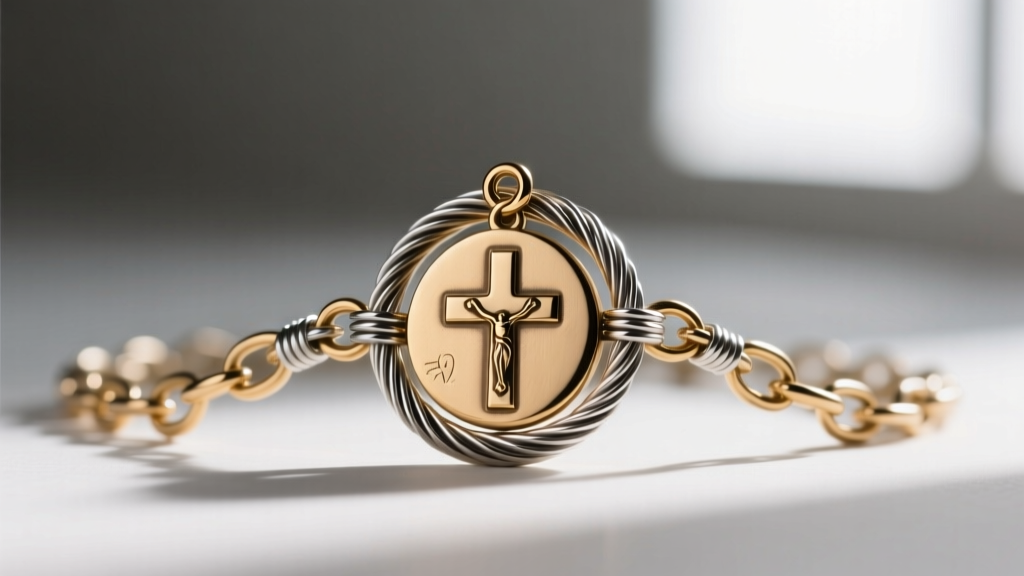
Alternatively, traditional 'knotted' rosaries use heavy-duty nylon cord with individual knots tied between each bead. While this method prevents bead loss if the cord eventually frays, it requires immense artisan labor, pushing the price into the $100+ range. Avoid any listing that mentions 'elastic' or 'stretch' cord, as these are entirely inappropriate for the structural demands of a rosary.
Evaluating the Findings: Crucifix and Center Medal
The metal components (findings) should complement the quality of the wood. High-value rosaries utilize solid 925 sterling silver, solid brass, or bronze. Budget pieces often use Zamak (a cheap zinc alloy) or hollow base metals plated with a microscopic layer of silver or gold. Plated hardware will inevitably rub off against the wooden beads over time, leaving dark, unsightly stains on the wood grain. Always verify that the metal is stamped (e.g., '925') or explicitly described as solid cast metal.
Pricing Tiers: What You Should Actually Pay
To accurately assess a wood rosary necklace, map the listing to one of these three market tiers. This framework will help you identify overpriced dropshipped goods and genuine artisan value.
- Budget Tier ($12 - $25): Typically features softer woods or stained pear wood masquerading as olive wood. Strung on cotton or thin nylon. Findings are plated base metal or alloy. Acceptable for temporary use or children, but lacks longevity.
- Mid-Tier / True Value ($35 - $85): The sweet spot for daily wear. Features genuine, sustainably sourced olive or sandalwood. Constructed with 49-strand nylon-coated wire or heavy knotted nylon. Findings are solid sterling silver or solid brass. Beads are perfectly sized (6mm/8mm) and smoothly polished.
- Artisan / Heirloom Tier ($100 - $300+): Hand-carved beads with intricate faceting or inlay work. Exotic, dense woods like genuine Ebony or aged Olive root. Custom-cast heavy silver or 14k gold findings. Often includes wire-wrapped links rather than continuous stringing for maximum structural integrity.
Red Flags in Online Listings
When shopping online, be wary of deceptive terminology. The term 'Olive Wood' is frequently abused. If the beads are perfectly uniform in color without any of the characteristic dark brown grain lines, you are likely looking at chemically stained wood. Furthermore, avoid listings that use the word 'faux' or 'simulated' in the fine print. Finally, if the product images only show the rosary coiled tightly in a box and never show a close-up of the center medal's attachment point, the seller is likely hiding poor-quality crimping or glue-based assembly.
'A well-crafted wood rosary is an investment in your daily practice. The warmth of the wood and the weight of solid metal findings transform a simple necklace into a grounding, lifelong companion.'
Final Verdict on Value Assessment
Evaluating a wood rosary necklace requires looking past the surface polish and examining the structural engineering of the piece. By prioritizing high-Janka hardwoods, demanding 49-strand wire or knotted nylon construction, and insisting on solid metal findings, you can confidently navigate the market. Pay for the craftsmanship and material integrity, and your rosary will easily endure years of daily use, developing a beautiful, natural patina that tells the story of your spiritual journey.


