XOXO Gold Necklace: Material Guide & Purity Comparison
Discover the best gold purity for your XOXO gold necklace. Compare 14K, 18K, vermeil, and gold-filled materials for lasting durability and shine.

The Metallurgy of Sentiment: Why Gold Purity Matters for XOXO Pendants
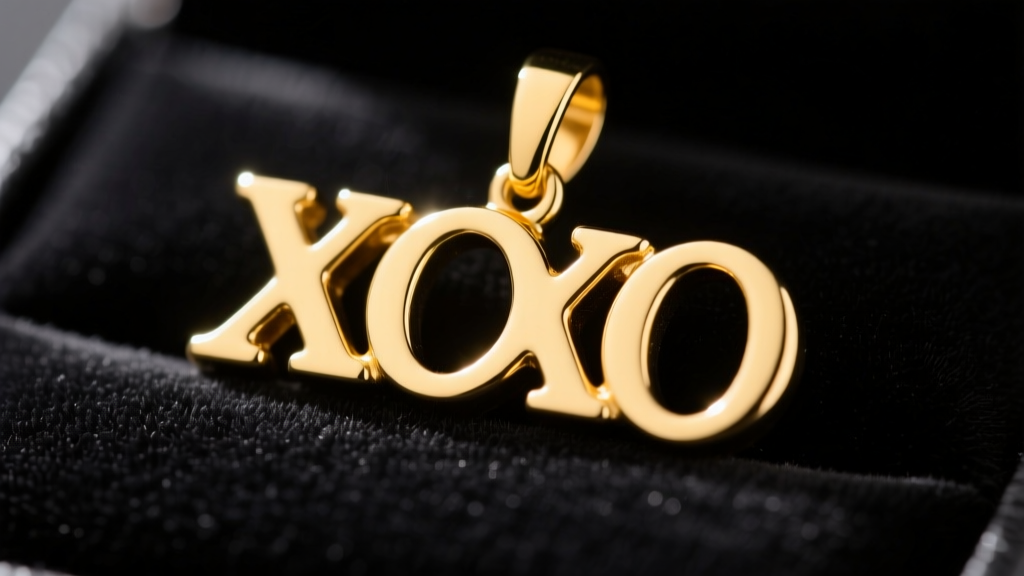
An XOXO gold necklace is more than a fleeting trend; it is a sentimental staple representing hugs and kisses. However, the structural integrity of these specific pendants—heavily reliant on sharp intersecting angles (the 'X') and continuous curved loops (the 'O')—demands careful material selection. When evaluating an XOXO gold necklace, the karat purity and alloy composition directly dictate how well the piece will survive daily wear, resist tarnish, and maintain its structural geometry over time.
Pure 24-karat gold is exceptionally malleable, registering a mere 25 on the Vickers hardness scale. If an XOXO pendant were cast in 24K gold, the delicate points of the 'X' would bend upon impact, and the jump rings connecting the links would easily pull apart under the weight of the chain. Therefore, understanding the metallurgical properties of gold alloys is critical for both jewelers and consumers in 2026.
Solid Gold Karats Compared: 10K vs. 14K vs. 18K
The Gemological Institute of America (GIA) notes that alloying gold with metals like copper, silver, zinc, and palladium not only changes the color but drastically alters the tensile strength and scratch resistance of the final piece. For an XOXO necklace, which features multiple interlocking links or a detailed pendant suspended from a chain, 14K gold is widely considered the metallurgical sweet spot.
| Karat | Gold Purity | Vickers Hardness (Approx.) | Common Alloy Mix | Best Use Case for XOXO |
|---|---|---|---|---|
| 10K | 41.7% | 130 - 150 HV | High Copper/Zinc, Low Silver | High-friction chains, heavy pendants |
| 14K | 58.3% | 120 - 140 HV | Balanced Copper/Silver/Zinc | Everyday pendants, standard cable chains |
| 18K | 75.0% | 90 - 115 HV | High Silver/Copper, Low Zinc | Occasion wear, lightweight box chains |
| 24K | 99.9% | 25 - 40 HV | None (Pure Gold) | Not recommended for XOXO structures |
The 14K Advantage: At 58.3% pure gold, 14K alloys provide enough hardness to ensure the sharp tips of the 'X' do not blunt or fold over time. Furthermore, 14K yellow gold requires less rhodium plating than white gold, meaning the high-friction areas where the 'O' links rub against the chain will not reveal a yellowish under-layer as the plating wears away.
The Vermeil vs. Gold-Filled Dilemma
For buyers navigating budget-friendly options, the market is flooded with gold vermeil and gold-filled XOXO necklaces. While both offer the aesthetic of solid gold, their material properties differ vastly, especially concerning the interlocking nature of XOXO designs.
FTC Standards and Real-World Wear
According to the Federal Trade Commission (FTC) Jewelry Guides, gold vermeil must consist of a sterling silver base plated with at least 2.5 microns of 10K gold or higher. Gold-filled material, conversely, requires a much thicker layer of gold (at least 5% of the total weight of the item) mechanically bonded to a brass or copper core.
- Friction Vulnerability: In an XOXO chain, the continuous rubbing of the 'X' and 'O' links acts as a mild abrasive. Gold vermeil (2.5 microns) will typically wear through to the sterling silver base at these friction points within 6 to 12 months of daily wear.
- Tarnish Risk: Once the vermeil wears through, the exposed sterling silver core will oxidize and tarnish, requiring constant polishing. Gold-filled XOXO chains, due to their thicker gold layer (often 10 to 20 microns), can withstand the interlocking friction for 5 to 10 years before showing base metal.
- Casting Limitations: Intricate XOXO pendants with deep cutouts are rarely made in gold-filled material because the mechanical bonding process cannot easily coat deep, recessed 3D casts. Therefore, complex XOXO pendants are usually cast in solid gold or silver (for vermeil), while the chains attached to them might be gold-filled.
Chain Mechanics: Where XOXO Necklaces Fail
The longevity of an XOXO gold necklace is rarely determined by the pendant itself, but rather by the chain and the jump ring connecting the two. Understanding gauge sizes and chain styles is essential for preventing catastrophic loss.
Jump Ring Stress Points
The jump ring is the single point of failure on most necklaces. For a solid 14K gold XOXO pendant weighing between 3 and 8 grams, a standard 22-gauge jump ring is insufficient. The tensile stress of the pendant swinging can slowly pull the soft gold wire apart. Expert jewelers recommend upgrading to an 18-gauge or 20-gauge soldered jump ring for any XOXO pendant exceeding 4 grams.
Chain Style Compatibility
- Box Chains: While visually appealing, the sharp 90-degree interior edges of a box chain can act like a microscopic file against the bail or jump ring of an XOXO pendant. If using a box chain, ensure the pendant's bail is lined with a hardened steel or platinum sleeve.
- Cable and Rope Chains: These feature smooth, rounded links that minimize abrasive wear on the pendant's connection point. A 1.2mm to 1.5mm 14K solid cable chain is the most structurally sound choice for daily wear.
- Clasp Mechanics: Avoid spring-ring clasps for solid gold XOXO chains over 15 inches. The internal steel springs in cheap clasps can fail, and the thin gold wire of the ring can bend. Always opt for a solid 14K lobster clasp with a reinforced lever.
2026 Pricing and Value Retention
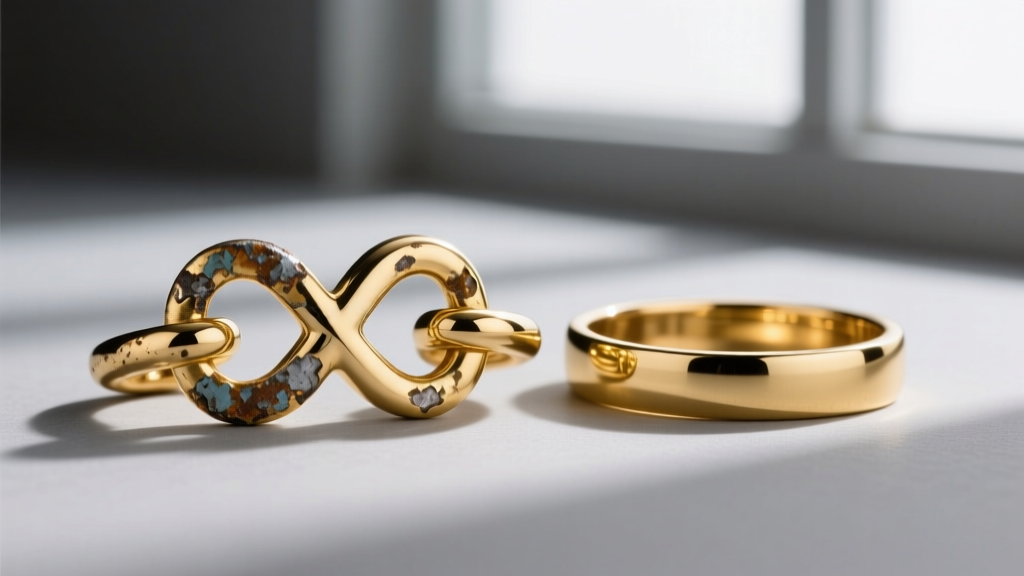
With gold prices experiencing significant volatility and reaching historic highs in 2026, the material choice for your XOXO necklace also impacts its intrinsic value retention. A solid 14K or 18K XOXO necklace holds inherent melt value tied to the global spot price of gold. Conversely, gold vermeil and gold-filled pieces possess virtually zero resale or melt value due to the high cost of separating the microscopic gold layers from the base metals. When purchasing an XOXO necklace as an heirloom or investment piece, solid 14K or 18K gold remains the only financially sound choice.
Expert Care Protocols by Alloy
Maintaining the brilliance of your XOXO necklace requires care protocols tailored to its specific alloy composition:
- 14K & 18K Yellow Gold: Clean with a soft-bristled brush and a solution of warm water and mild, phosphate-free dish soap. Avoid ultrasonic cleaners if the XOXO pendant features micro-pave diamonds, as the high-frequency vibrations can loosen the delicate prongs.
- 14K White Gold: White gold XOXO necklaces are alloyed with palladium or nickel and plated with rhodium for a bright white finish. Avoid harsh chemicals like chlorine, which can degrade the rhodium plating and cause the underlying alloy to appear yellowish. Plan for professional rhodium re-plating every 18 to 24 months.
- 14K Rose Gold: The high copper content (often up to 20-25%) that gives rose gold its pink hue makes it susceptible to copper oxidation (verdigris) if exposed to prolonged moisture or high acidity. Always remove rose gold XOXO necklaces before swimming, exercising, or applying skincare acids (like AHAs/BHAs).
By prioritizing material properties, alloy hardness, and structural mechanics over mere aesthetics, you ensure that your XOXO gold necklace remains a durable, timeless symbol of affection for decades to come.


