Yamamoto Necklace Value Guide: Is It Worth It in 2026?
Evaluate the true cost, materials, and resale value of a Yamamoto necklace in 2026. Our expert guide covers vintage archive pieces and new collaborations.

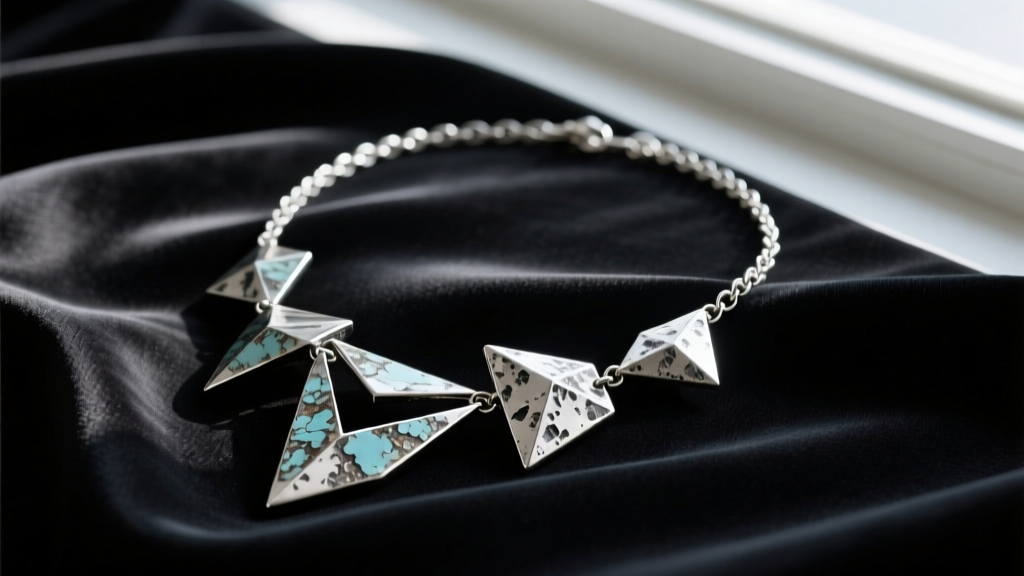
The Intersection of Avant-Garde Fashion and Jewelry
When discussing high-fashion jewelry, few names carry the enigmatic weight of Yohji Yamamoto. Unlike traditional fine jewelers who prioritize carat weight and gemstone clarity, a Yamamoto necklace is an exercise in conceptual design, wabi-sabi philosophy, and architectural silhouettes. For collectors and fashion enthusiasts in 2026, acquiring a piece from the legendary Japanese designer is less about traditional intrinsic value and more about securing a wearable artifact of fashion history. But from a strict budget and value assessment perspective, how do these pieces hold up? Are you paying for a brand name, or is there tangible craftsmanship justifying the price tag?
To accurately assess the value of a Yamamoto necklace, we must dissect the brand's diverse output—from the accessible diffusion lines to mainline runway pieces and high-jewelry collaborations. This guide provides a comprehensive framework for evaluating pricing, material integrity, and secondary market retention.
Material Breakdown: What Are You Actually Paying For?
The most common mistake buyers make when evaluating designer jewelry is applying fine jewelry metrics to fashion jewelry. Yohji Yamamoto’s mainline necklaces rarely feature precious gemstones or high-karat gold. Instead, the brand heavily relies on oxidized 925 sterling silver, rhodium-plated brass, and occasionally carved acrylic or resin. The value lies in the custom tooling, the heavy gauge of the metals, and the deliberate, accelerated oxidation (often using liver of sulfur) that gives the pieces their signature dark, distressed aesthetic.
Below is a comparative breakdown of the primary Yamamoto jewelry tiers available on the market today, detailing the specific materials and current 2026 pricing ranges.
| Collection / Line | Primary Materials | Average Chain Gauge | Price Range (2026) | Value Retention |
|---|---|---|---|---|
| Y's (Diffusion) | Brass, base metals, light silver plating | 1.5mm - 2.0mm | $120 - $350 | Low (40-60% of retail) |
| Mainline Runway | Oxidized 925 Sterling Silver, Resin | 3.0mm - 5.0mm | $600 - $1,800 | High (80-120% of retail) |
| Pour Homme | Antiqued Silver, Leather, Steel | 2.5mm - 4.0mm | $400 - $900 | Medium (60-85% of retail) |
| Mikimoto Collab | 18k White Gold, Akoya Pearls, Diamonds | Custom Pearl Strand | $3,500 - $12,000+ | Very High (90-130% of retail) |
As the table illustrates, if you are seeking long-term value retention, the Y's diffusion line is a poor investment. The plating eventually wears, and the base metals lack secondary market demand. The true sweet spot for value is the Mainline Runway silver pieces, which have achieved 'archive' status among fashion collectors.
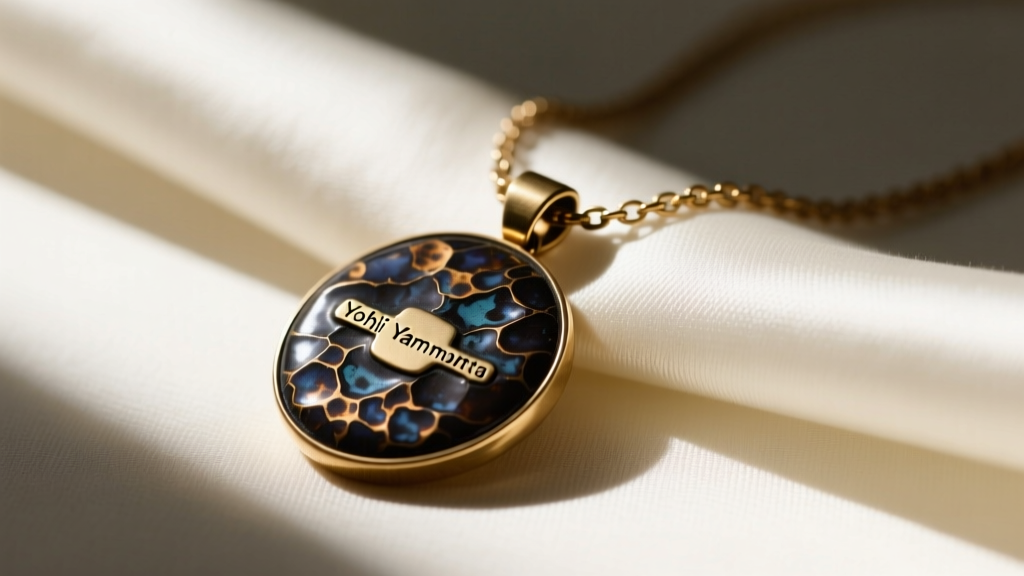
New vs. Vintage: Pricing and Market Retention
The secondary market for archive fashion has exploded, and Yohji Yamamoto is at the epicenter of this movement. When assessing your budget, you must decide between buying new from a boutique or hunting for vintage pieces on platforms like Vestiaire Collective or Grailed.
The Archive Premium
Paradoxically, older Yamamoto necklaces from the late 1990s and early 2000s often command higher prices than brand-new pieces from the current season. A heavy, asymmetrical silver pendant from the AW1998 collection can easily fetch between $1,200 and $2,500 on the resale market, driven by scarcity and the intense patina that only decades of wear can produce. New pieces, conversely, suffer an initial depreciation of 15% to 20% the moment they leave the retail environment, before stabilizing as they age into 'vintage' status.
The Mikimoto Collaboration Factor
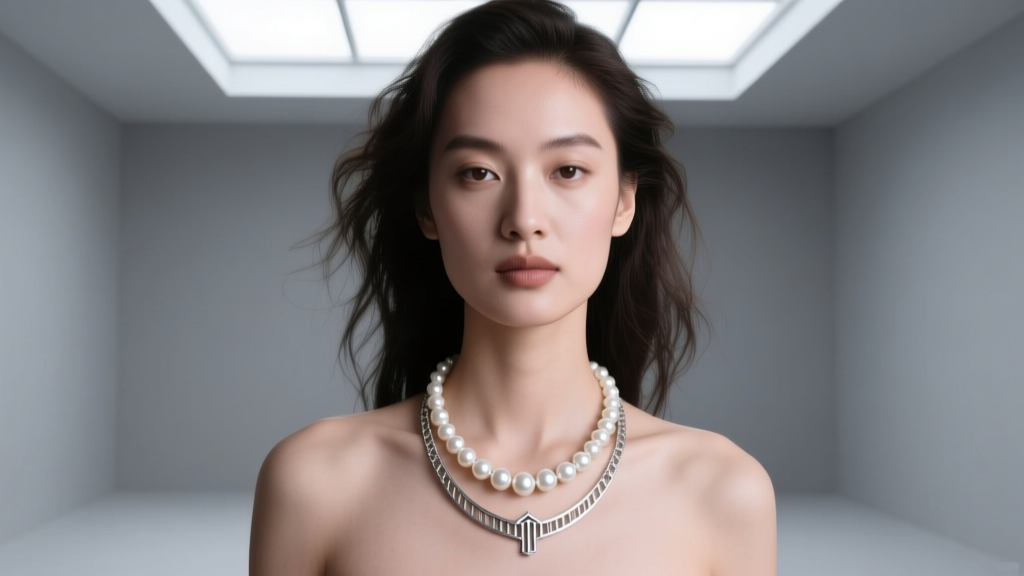
Any value assessment must address the ongoing collaborations between Yohji Yamamoto and Mikimoto. These pieces bridge the gap between avant-garde fashion and traditional fine jewelry. Featuring 8mm to 8.5mm premium Akoya pearls interspersed with oxidized silver chains and diamond-set clasps, these necklaces are priced between $3,500 and $12,000. From an investment standpoint, these are the safest purchases. The intrinsic value of the 18k gold and high-grade pearls provides a hard price floor, while the Yamamoto design cachet adds a 30% to 50% premium over standard Mikimoto pieces.
Authentication: Avoiding Counterfeits and Assessing Condition
The market is flooded with counterfeit designer jewelry. When evaluating a pre-owned Yamamoto necklace, authenticating the piece is the first step in determining its true value. Here are the critical, actionable checkpoints our experts use:
- Hallmark Precision: Authentic mainline silver pieces will feature a deeply stamped, clean "925" mark alongside "Yohji Yamamoto" and "Made in Japan". Fakes often use shallow laser etching or incorrect font weights. The text should be perfectly aligned on the flat side of the clasp or pendant bail.
- Weight and Gauge: Yohji’s silver chains are notably heavy. A standard 24-inch mainline chain should weigh between 45 and 65 grams. Counterfeits often use hollow-linked chains that weigh less than 20 grams and feel suspiciously light.
- The Patina Rule: Never buy a "polished" vintage Yamamoto silver necklace. The designer intentionally utilizes heavy oxidation to create shadows and depth. If a seller has polished the silver to a bright shine, they have fundamentally altered the designer's intent, effectively reducing the archive value of the piece by up to 40%.
- Clasp Mechanics: High-end Yamamoto pieces utilize custom-machined spring ring clasps or heavy-duty lobster clasps with a distinct, snappy tension. Flimsy, mass-market clasps are an immediate red flag.
Budgeting Framework: Which Piece is Right for You?
To finalize your budget and value assessment, categorize your purchasing intent. Your financial strategy should align with how you plan to wear and eventually part with the necklace.
"True value in fashion jewelry is not measured by the melt weight of the metal, but by the cultural permanence of the design. A Yamamoto piece is an architectural statement, not a bullion investment." — Archive Fashion Appraisal Guidelines, 2025.
1. The Daily Wearer (Budget: $200 - $500)
If you want the Yohji aesthetic for daily, rugged wear without the anxiety of damaging a valuable archive piece, target the Pour Homme line or later-season mainline pieces that lack historical significance. Look for simpler dog-tag silhouettes or leather-and-steel combinations. Expect to pay around $350 on the secondary market. These will depreciate, but they offer excellent cost-per-wear value.
2. The Archive Investor (Budget: $800 - $2,500)
If you view your jewelry as an alternative asset class, focus exclusively on Mainline Sterling Silver pieces from the 1990s to late 2000s. Prioritize asymmetrical pendants, safety-pin motifs, or pieces featuring the brand's signature carved resin elements. Buy from reputable archive dealers who provide provenance. These pieces have historically appreciated by 5% to 8% annually over the last five years.
3. The Fine Jewelry Buyer (Budget: $4,000+)
For those who demand intrinsic material value alongside high-fashion design, the Mikimoto x Yohji Yamamoto pearl necklaces are the only logical choice. You are paying for top-tier Akoya pearls and precious metals, ensuring that your budget is protected by the underlying commodity value, while the limited-edition nature of the collaboration ensures long-term collector demand.
The Final Verdict
Is a Yamamoto necklace worth the investment in 2026? If you are evaluating it strictly on the spot price of silver, the answer is a resounding no. However, if you assess value through the lens of design history, craftsmanship, and the robust secondary market for archive fashion, mainline Yamamoto necklaces represent a highly stable, culturally significant asset. By understanding the material differences between diffusion lines and mainline collections, and by strictly avoiding polished or poorly hallmarked pieces, you can confidently acquire a piece that holds both aesthetic and financial weight for decades to come. For further research on runway history and collection timelines, consult the Vogue Runway archives to verify the exact season and context of your target piece before purchasing.


