Expert Care and Cleaning Guide for a Yellow Pearl Necklace
Discover expert tips to clean, store, and maintain your yellow pearl necklace. Learn what chemicals to avoid and how to preserve its natural luster.

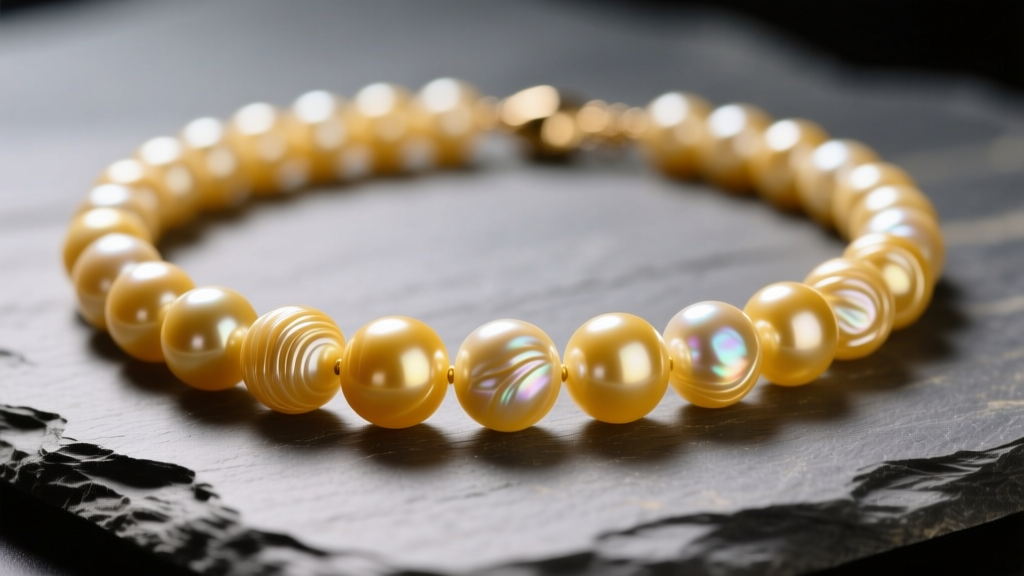
A yellow pearl necklace is a striking, luxurious investment that commands attention. Whether your piece features the deep, satiny hues of natural Golden South Sea pearls or the vibrant, playful tones of dyed freshwater pearls, the organic nature of these gems demands a highly specific approach to maintenance. Unlike diamonds or sapphires, pearls are not formed through intense geological heat and pressure; they are biological creations. This fundamental difference dictates everything from how you clean them to how you store them.
In this comprehensive guide, we will break down the exact chemical sensitivities of yellow pearls, provide a safe, step-by-step cleaning protocol, and outline the structural maintenance required to keep your necklace looking flawless for generations.
The Unique Anatomy of Yellow Pearls
To understand why a yellow pearl necklace requires such meticulous care, you must first understand its composition. Pearls are primarily made of aragonite (a crystalline form of calcium carbonate) held together by conchiolin, an organic protein. On the Mohs scale of mineral hardness, pearls rank between 2.5 and 3.0, making them exceptionally soft and prone to scratching.
Natural vs. Treated Yellow Pearls
The care regimen for your necklace depends slightly on its origin. Golden South Sea pearls, cultivated in the Pinctada maxima oyster, derive their rich yellow and gold hues naturally from the oyster's nacre. These are highly sensitive to UV light and harsh chemicals, which can bleach or dull their natural color. Conversely, many freshwater yellow pearls achieve their vibrant lemon or butter-yellow shades through irradiation or dyeing. Treated pearls face an additional risk: harsh cleaning agents can strip the dye, leading to uneven, blotchy coloration. According to the Gemological Institute of America (GIA), understanding whether your pearls are naturally colored or treated is the first step in establishing a safe care routine.
Daily Wear Rules: The 'Last On, First Off' Protocol
The most common cause of irreversible damage to a yellow pearl necklace is chemical exposure from daily grooming products. Calcium carbonate is highly reactive to acids and certain alcohols.
- Cosmetics and Fragrances: Hairspray, perfume, and lotions often contain alcohols and aerosolized chemicals that degrade the conchiolin in pearls, leading to a chalky, matte appearance. Always apply these products at least 15 minutes before putting on your necklace.
- Perspiration: Human sweat has a pH ranging from 4.5 to 7.0. Acidic sweat will slowly etch the surface of the nacre over time. If you wear your pearls on a warm day, wipe them gently with a dry, lint-free microfiber cloth immediately upon removing them.
- Kitchen Hazards: Avoid wearing your pearls while cooking. Vinegar, citrus juices, and even the steam from boiling acidic foods can cause micro-pitting on the pearl's surface.
Step-by-Step Cleaning Method for Yellow Pearls
Forget everything you know about cleaning diamond or gold jewelry. Ultrasonic cleaners, steamers, and commercial jewelry dips will destroy a yellow pearl necklace in seconds. The vibrations from an ultrasonic cleaner can shatter the nacre layers, while commercial dips contain ammonia and acids that will dissolve the pearl's surface.
The Safe Cleaning Recipe
- Mix one teaspoon of mild, phosphate-free, unscented liquid soap (such as pure Castile soap) into one cup of lukewarm distilled water. Tap water contains chlorine and trace minerals that can leave a film on the pearls.
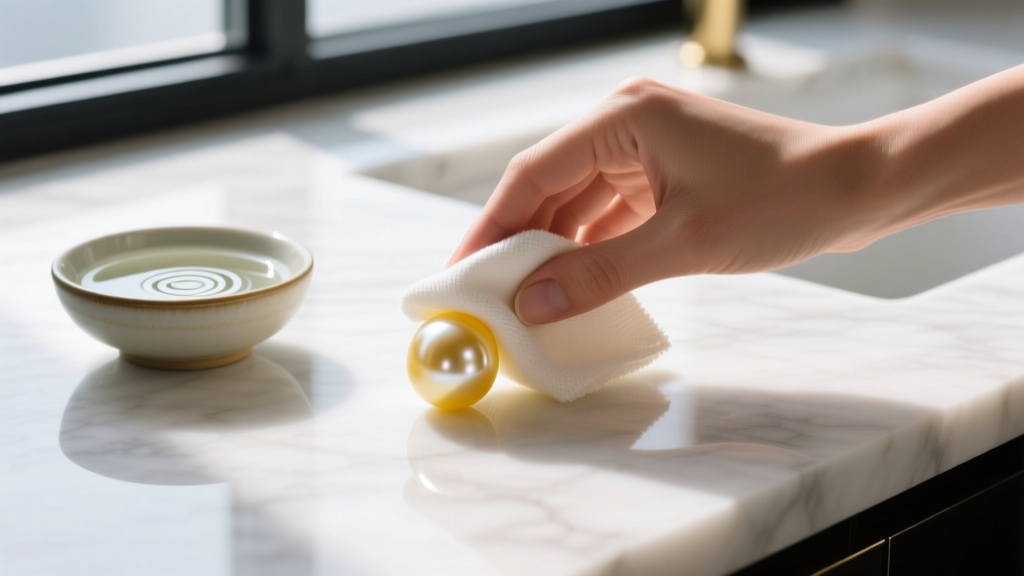
- Dip a soft, lint-free microfiber cloth into the solution and wring it out until it is only slightly damp. Never submerge your pearl necklace in water. Submerging weakens the silk thread and can cause water to become trapped in the drill holes, leading to internal rot and foul odors.
- Gently wipe each pearl individually, paying special attention to the areas around the drill holes where skin oils accumulate.
- Use a second cloth dampened only with plain distilled water to wipe away any soap residue.
- Lay the necklace flat on a dry towel to air dry completely before storing. Never hang a wet pearl necklace, as the weight of the water will stretch the silk thread.
Cleaning Agents: What to Use and What to Avoid
| Cleaning Agent / Method | Safety for Yellow Pearls | Reason / Effect |
|---|---|---|
| Distilled Water & Mild Soap | ✅ Safe | Gently lifts oils without damaging nacre or dye. |
| Ultrasonic Cleaners | ❌ Destructive | Vibrations cause nacre layers to delaminate and crack. |
| Ammonia / Bleach | ❌ Destructive | Dissolves calcium carbonate; strips dyed yellow color. |
| Baking Soda Paste | ❌ Destructive | Abrasive texture scratches the soft 2.5 Mohs surface. |
| Steam Cleaning | ❌ Destructive | Extreme heat dehydrates pearls, causing crazing and cracking. |
Restringing and Structural Maintenance
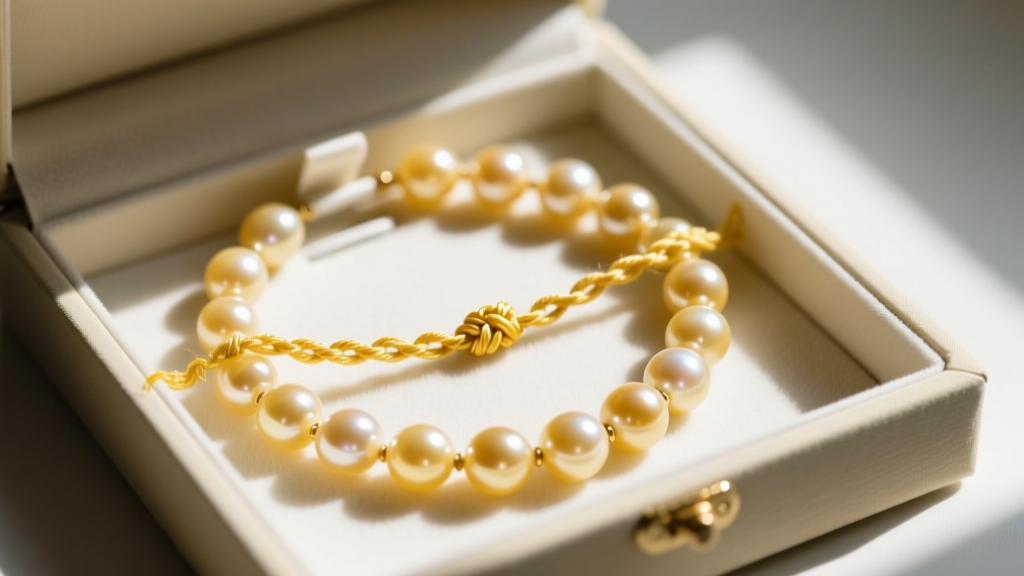
A high-quality yellow pearl necklace is strung on 100% silk thread with individual knots placed between every single pearl. These knots serve two vital purposes: they prevent the pearls from rubbing against each other (which causes nacre abrasion), and they ensure that if the strand breaks, you only lose one pearl rather than the entire necklace.
Experts at Pure Pearls recommend having your necklace professionally restrung every 1 to 2 years if worn frequently. To determine if your necklace needs restringing, perform the stretch test: hold the strand taut and gently pull. If you see gaps between the pearls and the knots, or if the thread feels stiff and brittle, it is time for a restring. A professional jeweler will typically use Size D silk thread for pearls under 7mm, and Size E for larger South Sea pearls. They should also apply 'French wire' (a tiny coiled metal spring) at the clasp to prevent the metal from cutting the silk.
Long-Term Storage: Preventing Dehydration
Because pearls contain trace amounts of water and organic proteins, they can actually dehydrate and crack if stored improperly. This is a common issue with yellow pearls kept in safety deposit boxes or airtight plastic bags for years.
'Pearls need moisture. Storing them in airtight plastic bags or extremely dry environments like safety deposit boxes will cause the nacre to dry out, craze, and eventually peel.' — Gemological Institute of America (GIA) Care Guidelines.
To store your yellow pearl necklace safely:
- Wrap it loosely in a soft, 100% cotton pouch or acid-free tissue paper.
- Store it in a fabric-lined jewelry box that allows for minimal air exchange.
- Never store pearls alongside harder gemstones or metal jewelry. The friction from a diamond ring or a gold chain will easily scratch the pearl's delicate surface.
- If you must store the pearls in a very dry environment or a safe, place a small, damp cotton ball in a separate, open container within the safe to maintain ambient humidity.
Troubleshooting Common Yellow Pearl Issues
Fading of the Yellow Hue
If your Golden South Sea pearls are losing their rich yellow saturation, they are likely suffering from prolonged UV exposure. Natural golden pearls are notoriously photosensitive. Avoid wearing them on the beach or leaving them on a sunny vanity. If your freshwater pearls are fading, the dye may be reacting to the pH of your skin or the chemicals in your perfume; unfortunately, faded dyed pearls cannot be restored and must be replaced.
Chalking and Loss of Luster
A chalky, dull appearance indicates that the top layers of nacre have been microscopically etched by acids. While you cannot reverse severe etching, a professional jeweler can sometimes lightly buff the surface to reveal the healthy nacre underneath. However, this is a risky procedure that removes precious nacre thickness and should only be attempted by a master pearl specialist.
By adhering to these strict, scientifically grounded care protocols, your yellow pearl necklace will retain its breathtaking luster, structural integrity, and vibrant color for a lifetime.


