Caring for a Z Z Top Pearl Necklace: Cleaning & Restringing
Learn expert cleaning, maintenance, and restringing tips to keep your Z Z Top pearl necklace shining. Protect nacre and silk with our guide.

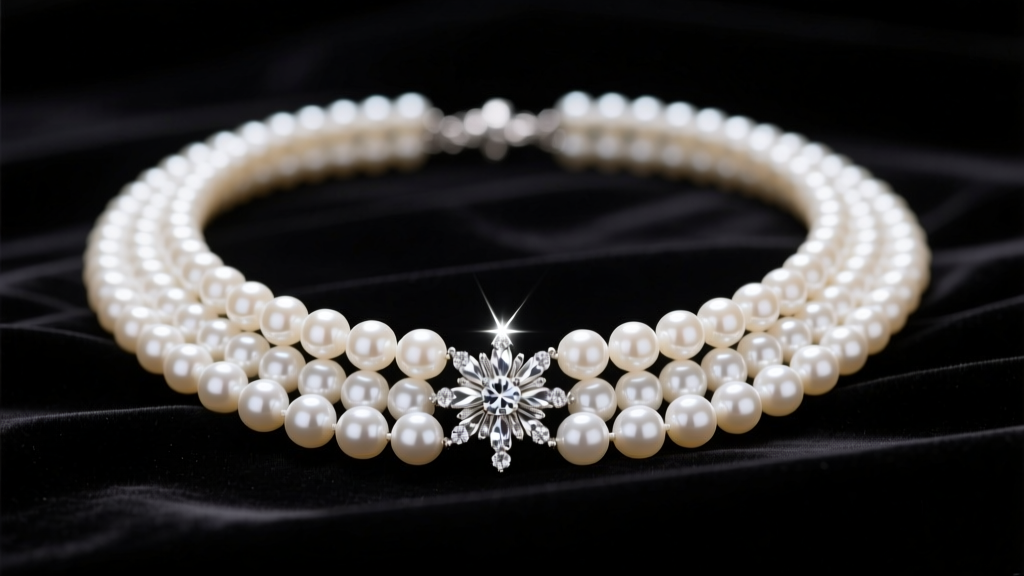
When ZZ Top released their iconic 1981 hit 'Pearl Necklace,' they cemented the jewelry piece in rock-and-roll mythology. Today, the 'Z Z Top pearl necklace' aesthetic represents a bold, unapologetic approach to luxury—often characterized by heavy, multi-strand Akoya or South Sea pearl statement pieces that command attention. However, owning a high-caliber, multi-strand pearl necklace requires a rigorous approach to gemological care. Unlike diamonds or sapphires, pearls are organic gemstones. They are born from living mollusks and possess a unique chemical vulnerability that demands specialized maintenance.
As vintage and rock-glam jewelry revivals continue to dominate high fashion in 2026, preserving the luster, nacre integrity, and structural silk of your statement pearls is more critical than ever. This comprehensive guide details the exact protocols for cleaning, storing, and restringing your investment-grade pearl necklaces.
The Gemology of Nacre: Why Organic Gems Demand Respect
To properly care for a luxury pearl necklace, you must first understand its physical composition. Pearls are primarily composed of calcium carbonate (aragonite) held together by an organic protein matrix called conchiolin. This combination results in a Mohs hardness rating of just 2.5 to 3.0, making pearls exceptionally susceptible to scratching, chemical etching, and dehydration.
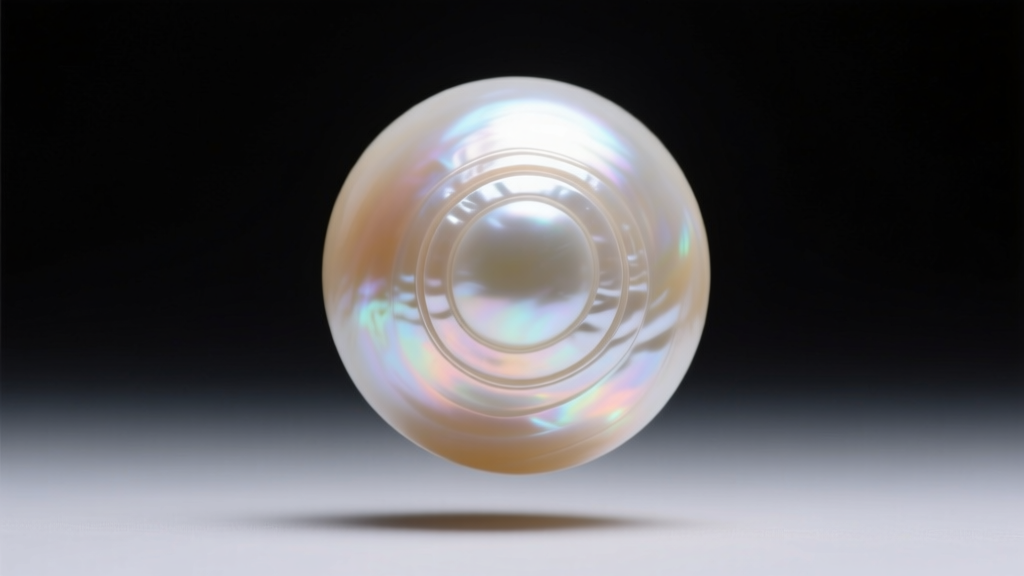
The visual magic of a pearl—its luster and 'orient' (the play of colors just beneath the surface)—is entirely dependent on the thickness and quality of the nacre. According to the Gemological Institute of America (GIA), high-quality Hanadama Akoya pearls boast a nacre thickness of at least 0.4mm to 0.6mm, while premium South Sea pearls can feature nacre layers exceeding 2.0mm to 4.0mm. If this nacre layer is compromised by acidic cleaners or abrasive contact, the pearl will 'chalk' or peel, revealing the dull shell bead nucleus beneath. Once nacre is lost, it cannot be restored; it can only be prevented from degrading.
Common Environmental Threats to Nacre
- Perspiration and Sebum: Human sweat is naturally acidic (pH 4.5 to 7.0). Prolonged contact dissolves the calcium carbonate layers, dulling the luster.
- Cosmetics and Hairspray: Aerosols contain alcohols and volatile organic compounds (VOCs) that strip the pearl's natural moisture and degrade the conchiolin protein.
- Chlorine and Saltwater: Swimming pools and ocean environments introduce harsh halogens that cause microscopic pitting on the pearl's surface.
The Safe Cleaning Protocol for Statement Pearls
The biggest mistake collectors make is treating pearls like crystalline gemstones. You must never use ultrasonic cleaners, steamers, or commercial jewelry dips on a pearl necklace. Ultrasonic cavitation creates microscopic shockwaves that will literally shatter the delicate aragonite platelets and detach the nacre from the nucleus.
Step-by-Step Wipe and Wash Method
- The Post-Wear Wipe: After every wear, gently wipe each pearl with a clean, untreated microfiber or soft cotton cloth. This removes acidic oils and cosmetic residue before they can etch the surface.
- The Deep Clean (Monthly): Mix a solution of distilled water and a single drop of neutral pH castile soap (pH 7.0). Never use tap water, as heavy metals and chlorine can leave microscopic deposits.
- Targeted Application: Dampen a soft cloth in the solution and gently wipe the pearls. Never submerge the necklace. Submerging weakens the silk thread and causes water to become trapped inside the drill holes, leading to internal rot and green discoloration around the holes.
- Drying: Lay the necklace flat on a dry, lint-free towel in a well-ventilated area away from direct sunlight. Allow the silk to dry completely (usually 12-24 hours) before storing or wearing.
Chemical Agents vs. Pearl Nacre: A Compatibility Chart
Understanding how common household chemicals interact with your Z Z Top pearl necklace is vital for preventing catastrophic damage. The American Pearl Society strongly advises against exposing organic gems to unverified chemical agents.
| Chemical Agent | pH Level | Effect on Pearl Nacre | Safety Verdict |
|---|---|---|---|
| Ammonia (Glass Cleaner) | 11.0 - 12.0 | Severe etching, immediate loss of luster, conchiolin breakdown | Highly Dangerous |
| White Vinegar | 2.5 - 3.0 | Dissolves calcium carbonate, causes permanent surface pitting | Highly Dangerous |
| Baking Soda Paste | 8.3 - 9.0 | Abrasive scratching, micro-fissures in the aragonite layers | Avoid |
| Neutral Castile Soap | 7.0 - 8.0 | Safe lifting of oils without chemical reaction | Safe (Diluted) |
| Distilled Water | 7.0 | No chemical reaction, but prolonged soaking rots silk thread | Safe (Damp Only) |
Silk Thread, Knotting, and the Restringing Imperative
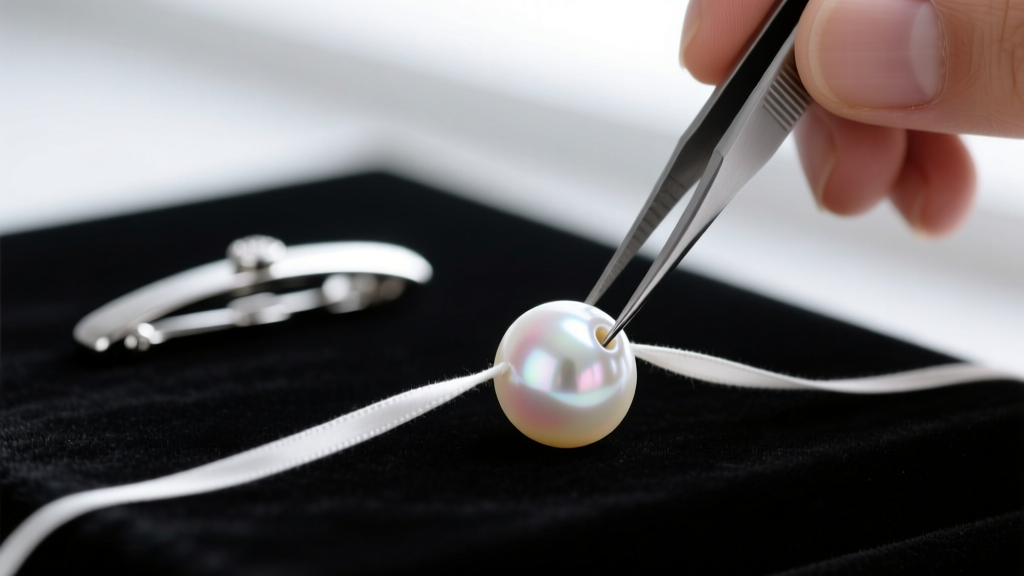
A multi-strand statement necklace places immense tensile stress on its threading material. Historically, high-end pearls are strung on pure silk thread using individual knots between each pearl. These knots serve three purposes: they prevent pearls from rubbing against each other (which causes friction wear), they ensure that if the strand breaks, only one pearl is lost, and they provide a fluid, fabric-like drape.
The Stretch Test and Restringing Intervals
Silk is a natural protein fiber that stretches and degrades over time, especially when exposed to moisture and skin oils. You should perform the 'stretch test' bi-annually: hold the necklace upright and gently pull the strand. If you see visible gaps of light between the knots and the pearls, or if the thread appears fuzzy and gray, immediate restringing is required.
For heavily worn statement pieces, professional restringing is recommended every 12 to 18 months. A master stringer will use specific silk sizes (typically Size E or F for standard Akoya, and Size FF or 00 for heavy South Sea pearls) matched precisely to the millimeter diameter of the drill holes.
The Importance of French Wire (Gimp)
Inspect the clasp area of your necklace. The silk thread should never pass directly through the metal ring of the clasp, as the metal will eventually saw through the silk. Professional stringers use 'French wire' or 'gimp'—a microscopic, coiled metal spring made of silver or gold-filled wire. This coil acts as a protective sleeve over the silk at the clasp junction, absorbing the friction of the metal and extending the life of the thread exponentially.
Storage: The 'Breathing' Requirement
How you store your Z Z Top pearl necklace when it is not adorning your neck is just as important as how you clean it. Pearls contain trace amounts of water (typically 2% to 4% of their total weight). If they are subjected to overly dry environments, they will dehydrate, leading to concentric cracking and a phenomenon known as 'crazing'.
- Never Use Plastic: Storing pearls in airtight plastic bags or safety deposit boxes without a humidity source will suffocate them and cause irreversible dehydration. Plastic can also off-gas chemicals that yellow the nacre.
- Use Linen or Cotton: Store the necklace in a soft, untreated linen or cotton pouch. This allows ambient moisture to reach the pearls while protecting them from dust.
- Isolate from Harder Gems: Because pearls rank at 2.5 on the Mohs scale, storing them in a communal jewelry box alongside diamonds (Mohs 10) or even gold clasps (Mohs 2.5-3) will result in severe scratching. Always store them in a dedicated compartment.
By adhering to these strict gemological protocols, your statement pearl necklace will maintain its rock-and-roll brilliance and structural integrity for generations, proving that true luxury lies not just in the wearing, but in the meticulous preservation of the craft.


