The Arwin Necklace Buying Guide: What to Look For
Discover what to look for when buying an Arwin necklace. Learn about vermeil thickness, chain gauges, and how to spot quality craftsmanship.

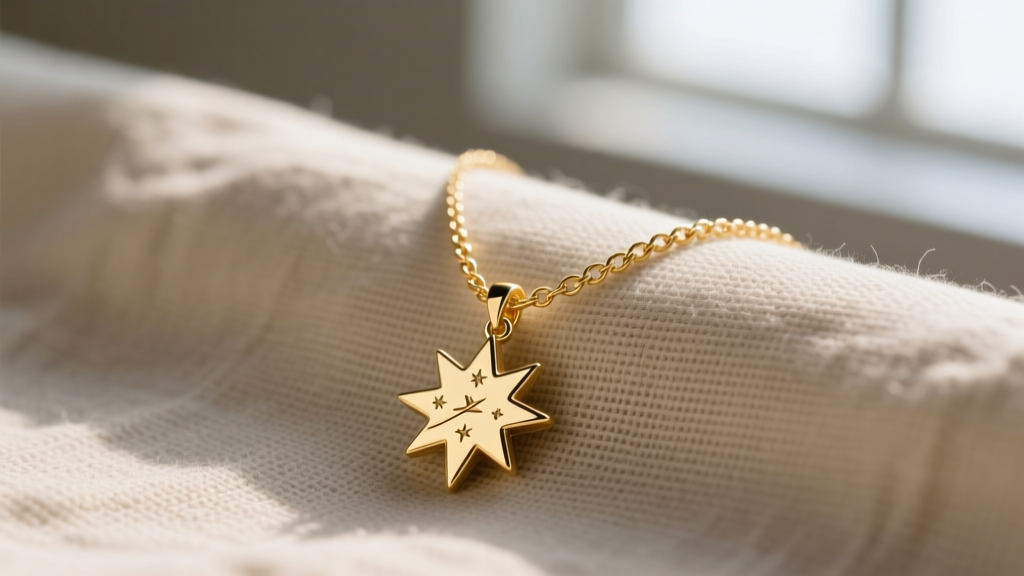
The Allure of the Arwin Necklace Aesthetic
The Arwin necklace has carved out a distinct niche in the contemporary jewelry market, celebrated for its blend of symbolic motifs, delicate proportions, and accessible luxury. Whether you are drawn to their signature celestial pendants, intricate evil eye talismans, or personalized initial medallions, purchasing an Arwin necklace requires a discerning eye for metallurgical quality and structural integrity. As we navigate the jewelry landscape in 2026, the market is saturated with mass-produced duplicates that mimic the Arwin aesthetic but fail in longevity. This comprehensive buying guide will equip you with the exact specifications, material grades, and hardware details you need to evaluate before making your purchase.
Decoding the Metallurgy: Vermeil vs. Flash Plating
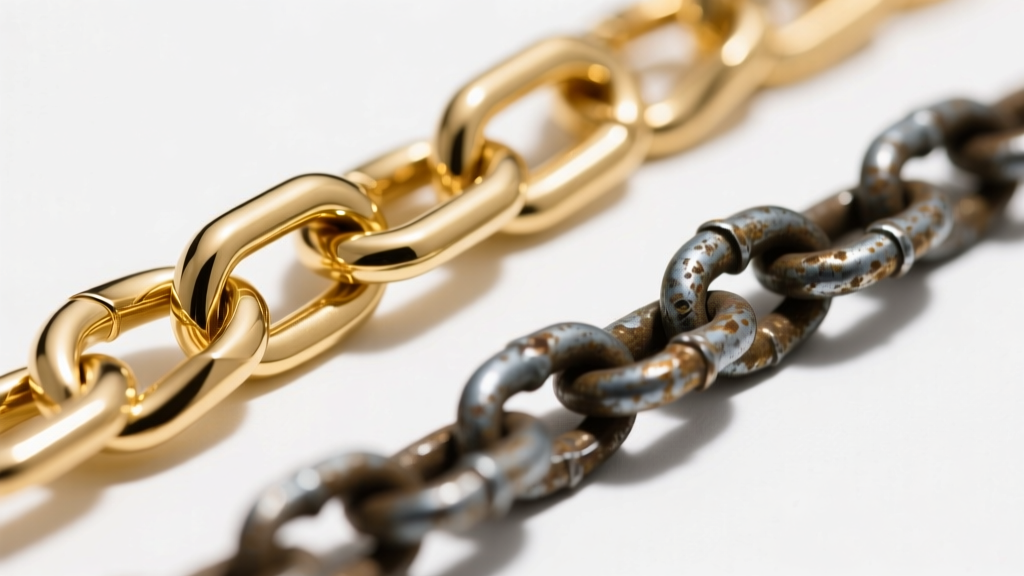
The foundation of an authentic, high-quality Arwin necklace is its base metal and gold finish. Genuine pieces are crafted from 925 sterling silver and finished with gold vermeil. It is crucial to understand the difference between vermeil and standard gold plating. According to the Federal Trade Commission (FTC) Jewelry Guides, gold vermeil must consist of a sterling silver base coated with a minimum of 2.5 microns of gold (typically 14k or 18k).
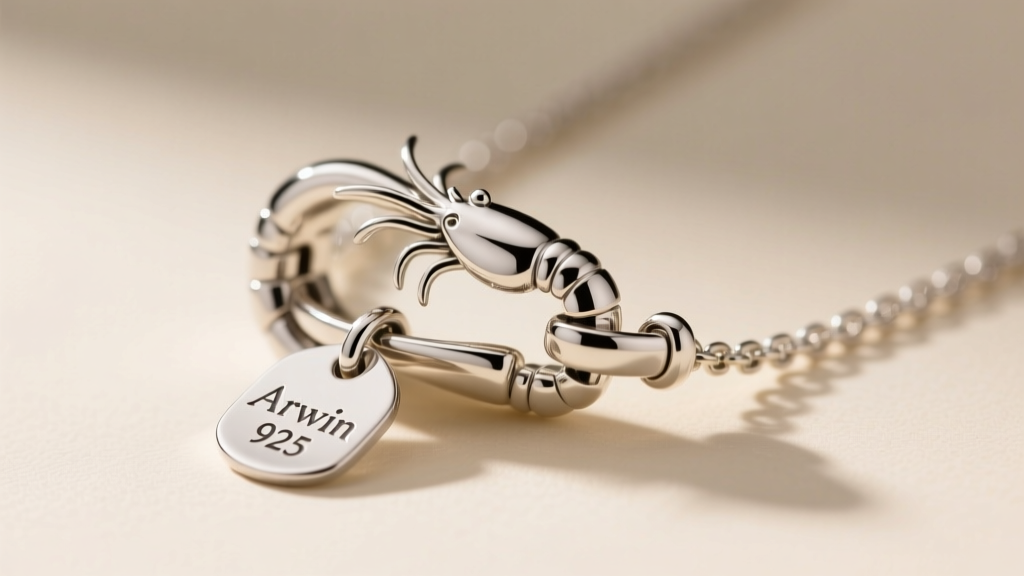
Conversely, 'flash-plated' jewelry often uses a brass or copper base with a microscopic gold layer of less than 0.5 microns. Flash plating will inevitably wear away, exposing the reactive base metal to your skin, which can cause discoloration and allergic reactions. When inspecting an Arwin necklace, look for the '925' stamp on the clasp or pendant bail, which verifies the sterling silver core.
Material Comparison: What You Are Actually Paying For
| Material Type | Base Metal | Gold Thickness | Expected Lifespan | Price Range |
|---|---|---|---|---|
| Flash Plated | Brass / Copper | < 0.5 microns | 3 - 6 months | $25 - $45 |
| Gold Vermeil | 925 Sterling Silver | 2.5+ microns | 2 - 5+ years | $85 - $220 |
| Solid 14k Gold | Gold Alloy (58.5%) | Solid throughout | Lifetime | $450 - $900+ |
Chain Architecture: Gauge, Weave, and Clasp Hardware
A pendant is only as secure as the chain that holds it. The Arwin necklace typically features a delicate cable chain, but the exact gauge (thickness) dictates its tensile strength and suitability for daily wear. For lightweight pendants (under 5 grams), a 0.9mm to 1.1mm cable chain offers the perfect balance of elegance and durability. However, if you are purchasing an Arwin piece with a heavier medallion or solid stone inlay, you must ensure the chain is at least 1.2mm to 1.5mm to prevent micro-fractures and snapping at the solder points.
The Clasp Test: Lobster vs. Spring Ring
Never underestimate the importance of the clasp. Authentic, premium Arwin necklaces utilize a lobster clasp rather than a spring ring clasp. Lobster clasps feature a solid, spring-loaded mechanism that is far less prone to accidental unfastening or internal spring failure. Furthermore, inspect the jump ring (the small loop connecting the clasp to the chain). It should be soldered closed or feature a very tight, flush seam. An open, unsoldered jump ring is a primary failure point that will eventually pull apart under the weight of the pendant.
Pendant Craftsmanship and Stone Settings
The Arwin brand is renowned for incorporating semi-precious stones, mother of pearl, and onyx into their pendant designs. How these materials are secured is a major indicator of quality. Avoid necklaces where stones are merely glued into place (bezel push-gluing), as the adhesive will degrade when exposed to perfumes, lotions, and body heat.
Instead, look for mechanical bezel settings or prong settings. In a high-quality bezel setting, a continuous strip of gold vermeil or silver is burnished (pushed and rubbed) tightly over the girdle (edge) of the stone. This not only secures the material permanently but also protects the edges of softer stones like opal or turquoise from chipping. If the pendant features pavé cubic zirconia, ensure the prongs are distinct, raised, and uniformly spaced, rather than flat beads of metal that can easily catch on knitwear.
Pricing Framework and Authenticity Checks
Understanding the pricing tiers of the Arwin necklace helps you avoid overpaying for counterfeit goods or underpaying for suspiciously low-quality fakes. As of 2026, a genuine 14k gold vermeil Arwin necklace with a standard symbolic pendant retails between $95 and $185. Pieces featuring intricate hand-painted enamel work, genuine diamond accents, or heavier solid gold options will push into the $250 to $600 range.
"Always verify the seller's return policy and request a material composition certificate or detailed product specification sheet. Reputable jewelers will transparently list the exact micron thickness of their vermeil and the origin of their gemstones." — Gemological Institute of America (GIA) Educational Resources.
Styling and Layering the Arwin Necklace
The true versatility of the Arwin necklace shines when layered. To achieve a balanced, non-cluttered look, adhere to the 'rule of three' and maintain a minimum two-inch length differential between chains.
- Base Layer (14-15 inches): A simple, unadorned 1.0mm sterling silver or vermeil choker chain.
- Mid Layer (16-17 inches): Your primary Arwin necklace featuring the focal pendant (e.g., the celestial or evil eye motif).
- Outer Layer (20-22 inches): A heavier, textured chain (like a 2.0mm box or paperclip chain) with a small, subtle geometric charm.
Ensure that all layers share the same metal tone (e.g., all 14k yellow gold vermeil) to maintain visual cohesion, and always store layered necklaces separately to prevent the chains from tangling and scratching the gold finish.
Long-Term Care and Maintenance
To maximize the lifespan of the 2.5-micron gold layer on your Arwin necklace, proper storage and maintenance are non-negotiable. Sterling silver is highly susceptible to tarnishing when exposed to sulfur and moisture. When not wearing your necklace, store it in an airtight polyethylene ziplock bag alongside an anti-tarnish silica strip. Never store jewelry in cardboard boxes or paper envelopes, as the sulfur compounds in the paper will rapidly accelerate the oxidation of the silver core beneath the gold. For cleaning, use only a mild, phosphate-free dish soap and warm water, gently brushing with a baby-soft toothbrush, and dry immediately with a microfiber cloth. Avoid ultrasonic cleaners, as the high-frequency vibrations can loosen mechanical bezel settings and shatter delicate stone inlays.


