Cleaning Different Types of Nose Piercing Jewelry: Expert Guide
Learn how to safely clean different types of nose piercing jewelry. Expert tips on maintaining titanium, gold, and steel nostril studs and septum rings.

Why Material Dictates Your Cleaning Strategy
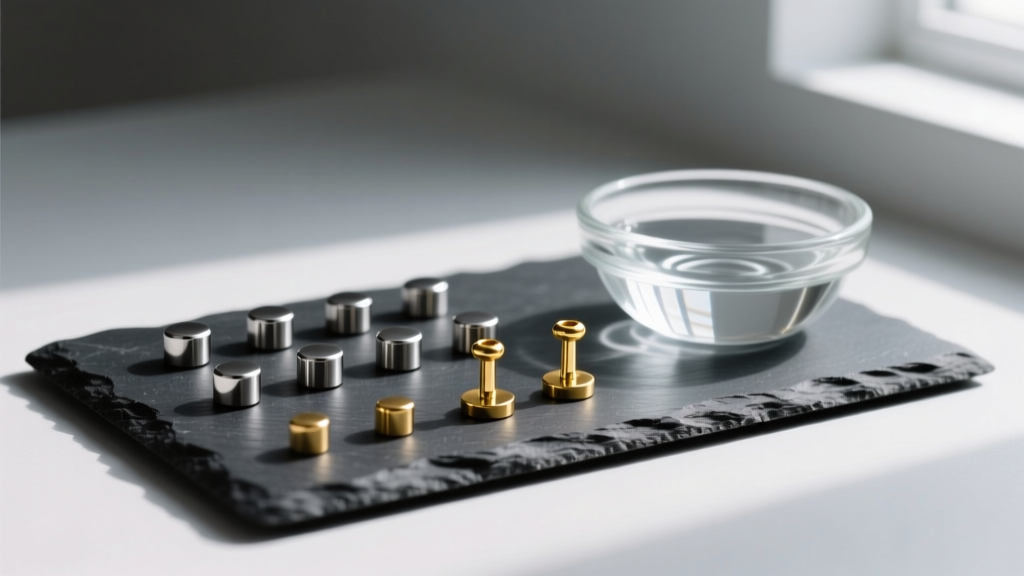
When you first get pierced, the focus is entirely on the healing process. However, once your fistula is fully mature, long-term maintenance becomes the priority. Understanding how to properly care for the different types of nose piercing jewelry in your collection is essential for both your skin health and the longevity of the pieces. Not all metals react the same way to cleaning agents, and using the wrong solution can degrade finishes, loosen gemstone settings, or cause microscopic pitting that harbors bacteria.
According to the Association of Professional Piercers (APP), the baseline for body jewelry safety relies on using biocompatible materials. But even the highest quality metals require specific maintenance routines to prevent tarnish, buildup, and mechanical failure.
ASTM F-136 Implant-Grade Titanium
Titanium is the gold standard for initial piercings and long-term wear due to its lack of nickel and high biocompatibility. While highly resistant to corrosion, titanium can still accumulate sebum, dead skin cells, and environmental dust. Because titanium is relatively soft compared to steel, abrasive cleaners or stiff brushes can leave micro-scratches on the surface, which can trap debris over time.
14k and 18k Solid Gold (Nickel-Free)
Gold jewelry requires a delicate touch. Alloyed gold (mixed with metals like copper or silver for strength) can tarnish if exposed to harsh chemicals like chlorine or undiluted alcohols. Furthermore, many high-end gold nose studs feature prong-set gemstones that can be loosened by ultrasonic vibrations or chemical solvents.
316L Surgical Steel
While 316L steel is durable and highly polished, it contains trace amounts of nickel. If the protective chromium oxide layer on the steel is compromised by harsh acidic cleaners, the metal can oxidize or cause contact dermatitis in sensitive individuals. Gentle, pH-neutral cleaning is mandatory for steel pieces.
Step-by-Step Cleaning for Nostril Studs and Screws
Nostril jewelry, particularly flat-back labrets, L-bends, and corkscrews, sits flush against the nasal mucosa. This environment is naturally moist and prone to collecting dried lymph fluid and nasal secretions.
Tackling Thread Buildup
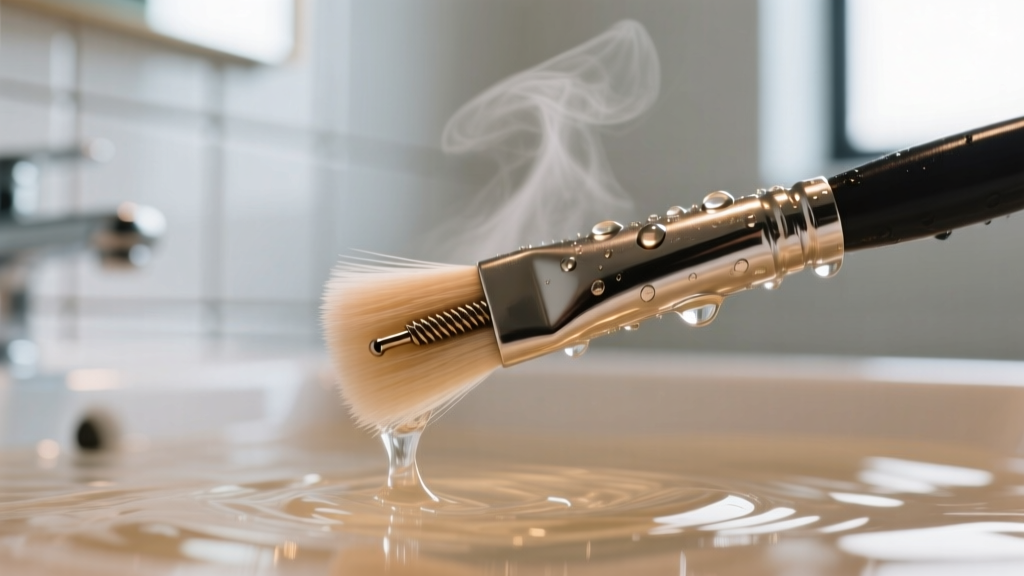
If you wear internally threaded or threadless (push-fit) flat-back labrets, the connection point is a prime area for buildup. 'Crusties' (dried lymph and sebum) can cement the decorative end to the post, making removal painful and difficult.
- The Soak: Remove the jewelry and submerge it in a small cup of warm water mixed with a few drops of unscented, dye-free castile soap (such as Dr. Bronner's) for 10 to 15 minutes. This softens the biological matter.
- The Brush: Use a brand-new, ultra-soft baby toothbrush to gently sweep the threads. Never use a hard-bristled brush, as it will strip the anodized coating or scratch the metal.
- The Rinse: Rinse thoroughly under warm distilled water to ensure no soap residue remains, which could irritate the piercing channel upon reinsertion.
Cleaning Corkscrews and L-Bends
Wire-based jewelry like corkscrews lacks threads but features tight curves that trap skin cells. To clean these, thread a piece of unwaxed dental floss through the curves while submerged in the soapy water, acting like a shoeshine rag to pull debris out of the tight bends.
Septum Rings and Hoops: Tackling the Hinge
Septum jewelry presents unique mechanical challenges. Hinged clickers, captive bead rings (CBRs), and seamless segment rings all have moving parts or tension gaps where 'septum funk'—a pungent odor caused by a mix of sebum, dead skin, and soap residue—loves to hide.
Hinged Clickers and Segment Rings
The hinge mechanism on a septum clicker is a microscopic marvel, but it is also a debris trap. Anatometal's official care guidelines suggest avoiding ultrasonic cleaners for hinged jewelry unless explicitly approved by the manufacturer, as the high-frequency vibrations can warp the delicate hinge pin or shatter inset opals and soft gemstones.
Instead, use a wooden toothpick or a soft interdental brush to gently dislodge buildup from the hinge seam while the ring is open. Wipe the post with a microfiber cloth before snapping it shut to ensure a clean, secure click.
Seamless and Continuous Hoops
These rings rely on metal tension to stay closed. Over time, opening and closing the hoop can weaken the metal's memory, causing the gap to widen and collect debris. When cleaning seamless rings, avoid twisting them laterally. Instead, push the ends in opposite directions (like a spiral) to open the gap, clean the ends with a cotton swab dipped in rubbing alcohol (only for the metal, avoid the piercing site), and spiral them back into alignment.
The Ultimate Maintenance Comparison Chart
To streamline your routine, use this matrix to determine the best care protocol for your specific pieces.
| Jewelry Type / Material | Recommended Cleaner | Frequency | Special Precautions |
|---|---|---|---|
| Titanium Flat-Back Labrets | Warm water + unscented castile soap | Weekly (when removed) | Check O-rings on threadless pins; avoid bending the pin. |
| 14k/18k Gold Septum Clickers | Mild dish soap + microfiber cloth | Bi-weekly | NO ultrasonic cleaners if opals, pearls, or turquoise are set. |
| 316L Steel Captive Bead Rings | Saline solution or mild soap | Monthly | Dry thoroughly to prevent water spots; check bead tension. |
| Niobium Nostril Hoops | Warm distilled water | As needed | Niobium is soft; polish only with a designated jewelry cloth. |
Troubleshooting Common Issues: Odor, Stuck Threads, and Tarnish
Even with a meticulous routine, you will inevitably encounter a few common hurdles. Here is how to handle them like a professional piercer.
Eliminating 'Septum Funk' and Odor
That distinct, unpleasant odor is rarely the metal itself; it is the accumulation of sebum and dead skin cells reacting with environmental bacteria. If a standard soap soak fails, create a paste of baking soda and distilled water. Apply it to the jewelry (not the skin) and let it sit for five minutes before scrubbing gently. Baking soda is a mild alkali that breaks down acidic sebum without scratching high-polish metals.
Dealing with Stuck Internally Threaded Studs
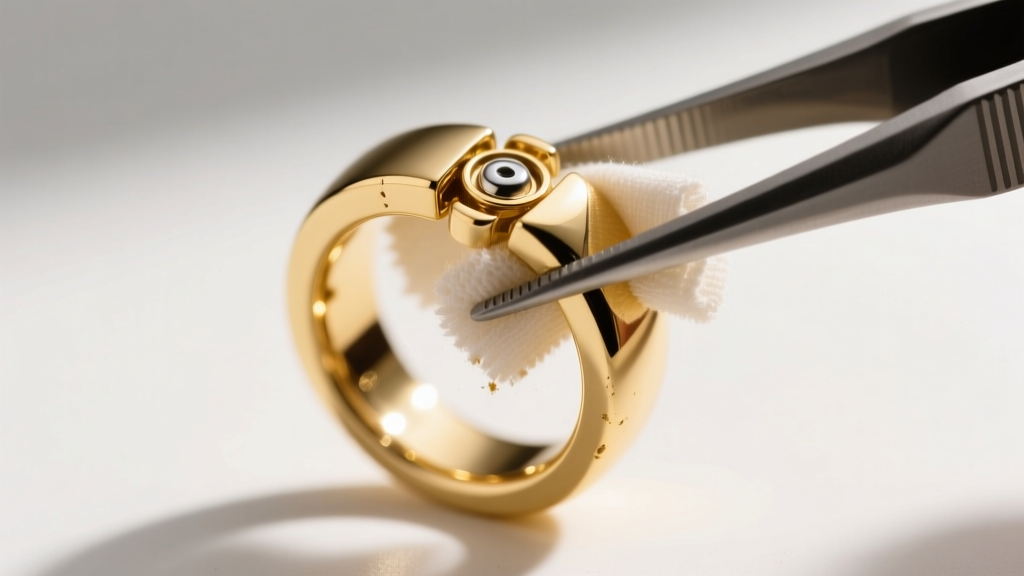
If your decorative end is seized onto the post due to dried lymph or overtightening, do not use pliers—this will crush the gemstone setting and mar the metal. Instead, put on a pair of textured nitrile or latex medical gloves. The rubber grip provides immense torque without slipping, allowing you to unscrew the piece safely using the 'lefty-loosey' rule.
Addressing Tarnish on Steel and Silver Accents
While pure implant-grade titanium does not tarnish, surgical steel and silver accents can oxidize when exposed to sulfur in the air or certain skincare products. Use a dedicated, treated jewelry polishing cloth (like a Sunshine cloth) to restore the mirror finish. Never use toothpaste or baking soda pastes directly on polished steel, as the micro-abrasives will create a matte, scratched finish.
What to Avoid: The 'Natural' Cleaners That Ruin Jewelry
The internet is full of DIY cleaning hacks that can permanently damage your investment. Avoid the following at all costs:
- Tea Tree Oil: While popular for piercing aftercare, undiluted tea tree oil can degrade the epoxy used in some gemstone settings and cause severe contact dermatitis if trapped in a hinge.
- Hydrogen Peroxide & Rubbing Alcohol: These are too harsh for daily jewelry cleaning. They can strip the anodized colors from titanium and dry out the protective patina on certain metals. (Note: 70% isopropyl alcohol is acceptable for sterilizing a metal piece before storage, but it must be rinsed and dried completely).
- Boiling Water: Never boil jewelry that contains gemstones. The rapid thermal shock can fracture diamonds, shatter opals, and melt the adhesives in foil-backed stones.
Final Thoughts on Long-Term Care
Maintaining your collection is about respecting the materials and the mechanics of the jewelry. By matching your cleaning method to the specific metal and design, you ensure that your pieces remain as vibrant and safe as the day you bought them. Store your clean, fully dried jewelry in a lined box or individual anti-tarnish pouches to prevent pieces from scratching one another, and always wash your hands before handling your collection.


