Expert Buying Guide: Choosing Septum Piercing Jewelry
Discover how to choose the perfect septum piercing jewelry. Learn about gauge sizes, safe metals like titanium, and styles for healing or healed piercings.

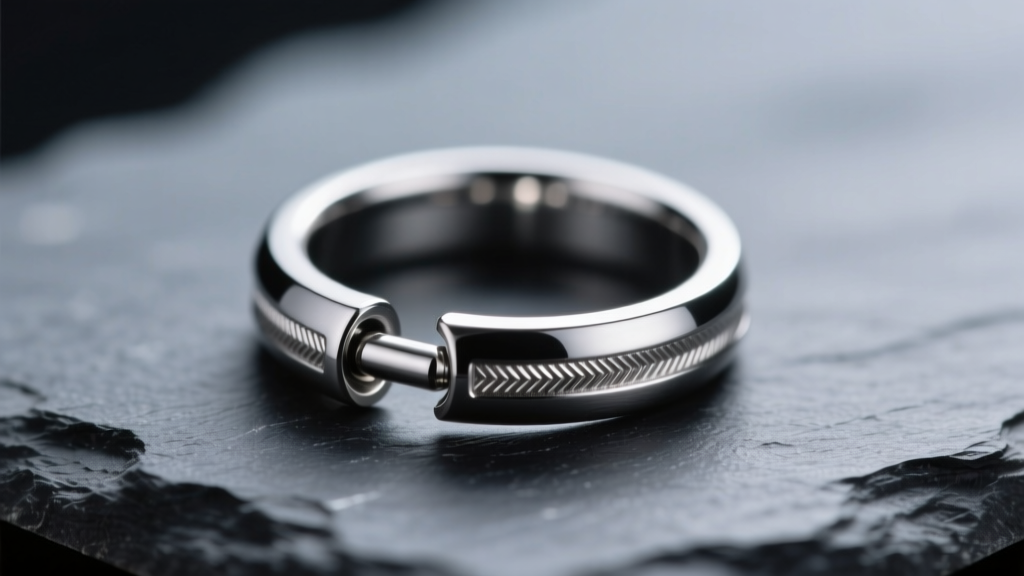
The Anatomy of a Septum Piercing: Why Jewelry Choice Matters
The septum piercing has evolved from a niche subculture staple to a mainstream fashion essential. However, the anatomy of the nose dictates strict rules for the jewelry you wear. A properly placed septum piercing goes through the "sweet spot"—a thin piece of mucosal tissue (the columella) located between the nasal cartilage and the bottom of the nose. Because this tissue is delicate and highly vascular, wearing the wrong septum piercing jewelry can lead to migration, excessive scar tissue (hypertrophy), or chronic irritation bumps.
Unlike earlobes, the septum is subject to constant movement from talking, chewing, and facial expressions. Therefore, your jewelry must be biocompatible, correctly sized, and structurally sound. This guide breaks down the exact specifications you need to look for when shopping for your septum, whether you are currently healing a fresh puncture or curating a stack for a fully healed piercing.
Decoding Gauge and Diameter: The Measurements That Matter
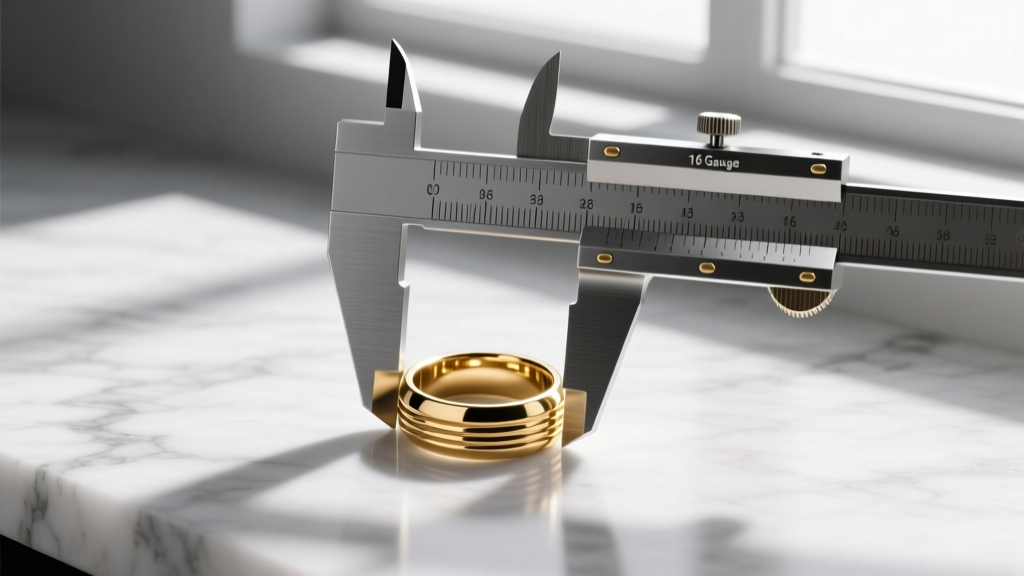
Sizing is the most common point of failure when buying body jewelry online. Septum jewelry is measured by two distinct metrics: gauge (the thickness of the metal) and inner diameter (the size of the hoop). Guessing your size will almost always result in a ring that either pinches your tissue or hangs too low, catching on clothing.
| Measurement Type | Standard Sizes | Metric / Imperial | Best Use Case |
|---|---|---|---|
| Gauge (Thickness) | 16G | 1.2mm | The industry standard for initial piercings and most standard clickers. |
| Gauge (Thickness) | 14G | 1.6mm | Thicker option for those prone to the "cheese-cutter effect" or migration. |
| Gauge (Thickness) | 18G | 1.0mm | Dainty, delicate hoops strictly for fully healed, stable piercings. |
| Diameter (Hoop Size) | 8mm (5/16") | Small / Snug | Standard fit for most healed septums; sits flush without pinching. |
| Diameter (Hoop Size) | 10mm (3/8") | Medium / Relaxed | Ideal for fresh piercings to accommodate swelling, or thicker nasal tips. |
Pro Tip: To find your ideal diameter, take a well-lit, straight-on photo of your face wearing a current hoop that fits well. Use a digital photo editing tool to measure the inner space, or visit an APP-certified piercer who can use digital calipers to measure your exact anatomy.
Material Science: What to Put in Your Septum
The mucous membranes inside your nose are highly absorbent and sensitive to reactive metals. The Association of Professional Piercers (APP) maintains strict guidelines on safe body jewelry materials. Here is what you need to know about metallurgy when shopping.
Implant-Grade Titanium (ASTM F-136)
This is the undisputed gold standard for fresh and healing septum piercings. ASTM F-136 titanium is entirely nickel-free, highly polished, and biocompatible. It is the exact same metal used in surgical joint replacements. When buying titanium, always look for the "implant-grade" designation; "surgical steel" is a marketing term that often contains nickel and possesses microscopic surface pores that harbor bacteria.
Solid Gold (14k vs 18k)
For healed piercings, solid 14k or 18k gold is an excellent, luxurious choice. However, the alloy matters. Ensure the gold is alloyed for biocompatibility (often using palladium or silver instead of nickel or zinc). Avoid gold-plated or gold-filled jewelry entirely, as the thin outer layer will inevitably wear away in the high-friction environment of the nose, exposing reactive base metals to your tissue.
Metals to Avoid (The Danger Zone)
- Sterling Silver: Tarnishes easily and can cause argyria (a permanent gray staining of the tissue).
- Surgical Stainless Steel: Contains varying amounts of nickel, which can trigger contact dermatitis and delay healing.
- Bioplast/PTFE (for long-term wear): While useful for short-term MRI retreats, plastics degrade, harbor bacteria in micro-scratches, and should not be used as daily, long-term jewelry.
Mechanisms and Styles: Clickers vs. CBRs vs. Seamless
The structural design of your septum piercing jewelry dictates both its aesthetic and its functional failure rate. Here is a breakdown of the most common hoop mechanisms.
Hinged Clickers
Clickers feature a hinge on one side and a snapping closure on the other. They are incredibly popular because they are easy to insert and remove without tools. Failure mode: The seam where the clicker closes can trap dead skin cells and sebum, requiring rigorous cleaning. Additionally, cheap clickers often have rough internal seams that can scratch the fistula (the piercing channel).
Captive Bead Rings (CBRs)
CBRs use the natural tension of the metal ring to hold a small bead in place. They are exceptionally secure and have no hinges to harbor bacteria, making them great for active lifestyles. Failure mode: They require specialized ring-opening pliers to change, making them frustrating to swap out at home.
Seamless Hoops
These rings feature a clean break in the metal that twists open and closed. They offer the sleekest, most minimalist look. Failure mode: The twisting motion required to open them can warp the ring out of a perfect circle over time, and the tiny gap can catch on towels or hair, pulling the jewelry and irritating the piercing.

Healing vs. Healed: Adjusting Your Wardrobe
If your septum was pierced within the last 6 to 9 months, you are still in the healing phase. During this time, your jewelry must be a continuous, seamless circle (like a CBR or a specialized healing retainer) made of implant-grade titanium. Introducing a hinged clicker or a seam into a healing fistula will cause micro-tears and reset your healing clock.
Once fully healed, you can transition to threadless or internally threaded decorative ends, ornate clickers, and dainty 18k gold chains. Never wear externally threaded jewelry (where the screw is on the post that passes through the piercing), as the sharp threads will damage the tissue upon insertion.
Pricing Tiers: What You Should Actually Pay
High-quality body jewelry is an investment in your health. Here is a realistic breakdown of what you should expect to pay for authentic, safe septum piercing jewelry in 2026:
- Budget ($15 - $35): Basic, unadorned implant-grade titanium clickers or CBRs from reputable online retailers like BodyArtForms or Industrial Strength.
- Mid-Tier ($40 - $90): High-end titanium with CZ gem settings, or basic solid 14k gold seamless hoops from brands like Anatometal or Junipurr Jewelry.
- Luxury ($100 - $350+): Intricate, hand-set gemstone clickers and custom threadless ends from luxury manufacturers like BVLA or Maria Tash.
Expert Insight: If you see a "titanium" or "14k gold" septum clicker on a fast-fashion marketplace for under $10, it is almost certainly plated brass or steel. Always buy from dedicated body jewelry retailers or directly from a professional piercing studio to guarantee material authenticity.
Final Checklist Before You Buy
Before you add that beautiful piece to your cart, run it through this quick E-E-A-T checklist:
- Is the metal explicitly listed as ASTM F-136 Titanium or solid 14k/18k Gold?
- Do I know my exact gauge (usually 16G) and inner diameter (usually 8mm or 10mm)?
- Is the closure mechanism appropriate for my healing status (seamless for healing, clickers for healed)?
- Is the seller a reputable body jewelry brand or an APP-certified studio?
By prioritizing biocompatible materials and precise measurements over fleeting trends, you ensure your septum piercing remains healthy, comfortable, and stunning for years to come.


